





 Portuguese
  English
  Spanish
  3 min of reading
  0 comments



Electricity Tariffs Are Expected to Rise by an Average of 5.4% in 2026, Pressured by Transmission Costs, According to TR Soluções Projections.
Brazilian consumers are expected to face a new adjustment in their electricity bill in 2026. Projections from TR Soluções, a company specialized in technology applied to the electric sector, indicate an average increase of 5.4% in residential tariffs throughout the year.
The study analyzed data from the 51 distribution companies operating in the country. According to the company, the adjustments will not be uniform. In some concession areas, there could be reductions of up to 22%. In others, increases may exceed 30%, reflecting regional and structural differences within the system.
Southern and Southeastern Regions Concentrate the Highest Tariff Pressures
On average, consumers in the South are expected to feel the greatest impact. The projection indicates an increase close to 10% in electricity tariffs. Following closely is the Southeast, with an estimated average increase of 8%.
-
Brazilians paid R$ 18 billion more for energy from the Itaipu plant, reflecting a direct impact on tariffs and generating discussions about costs, transparency, and balance in the national electricity sector.

-
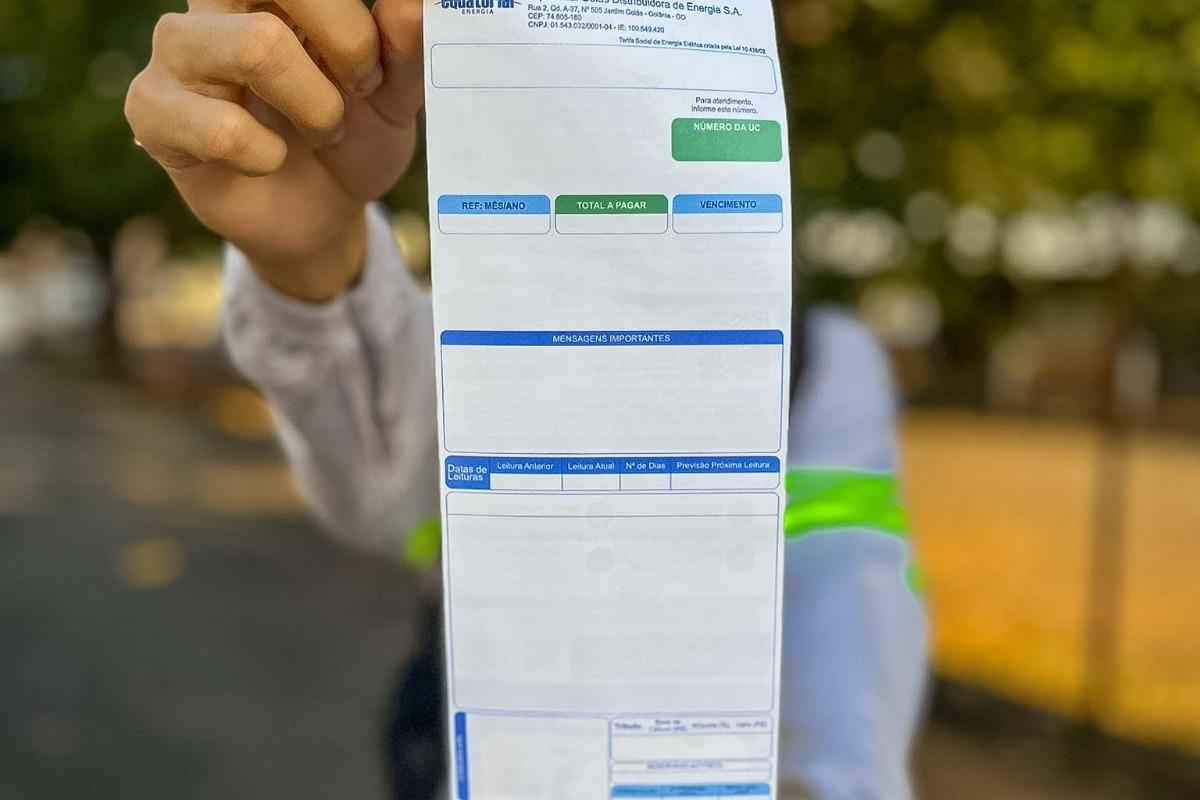
Equatorial adopts new national number for consumer units on electricity bills starting in April, following ANEEL standards and modernizing energy bills in several states.
-
Itaipu Impresses the World: Hydroelectric Plant with 20 Turbines and 14,000 MW Generates Over 2.9 Billion MWh and Leads Global Clean Energy Production

-
Aneel Revokes CMAA Thermal Power Plants After Network Restrictions and Excess Energy in the System

These regions concentrate a significant portion of the country’s transmission and distribution infrastructure. Additionally, they have a high density of consumption, which amplifies the perception of the adjustment in residential and commercial bills.
Transmission Leads Pressure on the Electricity Bill
The main factor for the increase identified by TR Soluções is the cost of transmission. According to the company, tariffs in this segment are expected to rise by an average of 12% in the 2025/2026 cycle.
According to Helder Sousa, director of Regulation at TR Soluções, this impact will be more pronounced for consumers served by distributors with scheduled adjustments for the first half of 2026.
“This forecast is a reflection of the transmission tariffs already set for the 2025/2026 cycle, whose average increase of 12% is certain for consumers served by the companies undergoing tariff adjustment in the first half, but with a lower projected increase for companies adjusting in the second half,” explains the director.
Energy Purchase and Distribution Should Increase Less Than Inflation
Despite the pressure from transmission, other relevant components of the tariff are expected to show more favorable behavior. The purchase of energy and distribution services, which together represent the largest share of the electricity bill, are likely to record variations below inflation in 2026.
One of the factors contributing to this scenario is the expansion of the revenue base of the Energy Development Account aimed at Distributed Generation (CDE-GD). The change was introduced by Law No. 15,269/2025, which began to include consumers from the free market in the allocation of the subsidy.
As a result, the cost is no longer concentrated solely on captive consumers and is spread across a larger number of players in the electric sector.
End of Emergency Contracts Brings Additional Relief
Another point that should help contain part of the increase is the ending of contracts from the emergency auction of 2021, conducted during the water crisis. These contracts guaranteed a fixed revenue for power plants activated on an exceptional basis.
With the termination of these agreements, the expectation is a reduction of nearly R$ 2 billion in fixed energy revenue from reserve. This movement is expected to relieve costs associated with the Energy Reserve Charge (EER), gradually reflecting in the final tariff.
The Free Market Will Have Additional Impact from Nuclear Energy
For consumers in the free electricity market, the scenario is different. Law No. 15,235/2025, which converted Provisional Measure No. 1,300/2025, determined that these consumers will share the costs of energy generated by the Angra 1 and Angra 2 nuclear plants.
The estimated impact is approximately R$ 10 per megawatt-hour in the energy cost for this group. The measure expands the cost base for nuclear generation but raises expenses for companies operating outside the regulated market.
Regional Differences Remain a Structural Challenge
The projections reinforce that the evolution of electricity tariffs in Brazil continues to be strongly linked to regional factors. The structure of the network, adjustment calendar, transmission costs, and regulatory decisions continue to determine significant variations among states and concessionaires.
In this context, the behavior of the electricity bill in 2026 is expected to reflect a delicate balance between temporary reliefs and ongoing structural pressures in the Brazilian electric sector.









Seja o primeiro a reagir!