





 Portuguese
  English
  Spanish
  4 min of reading


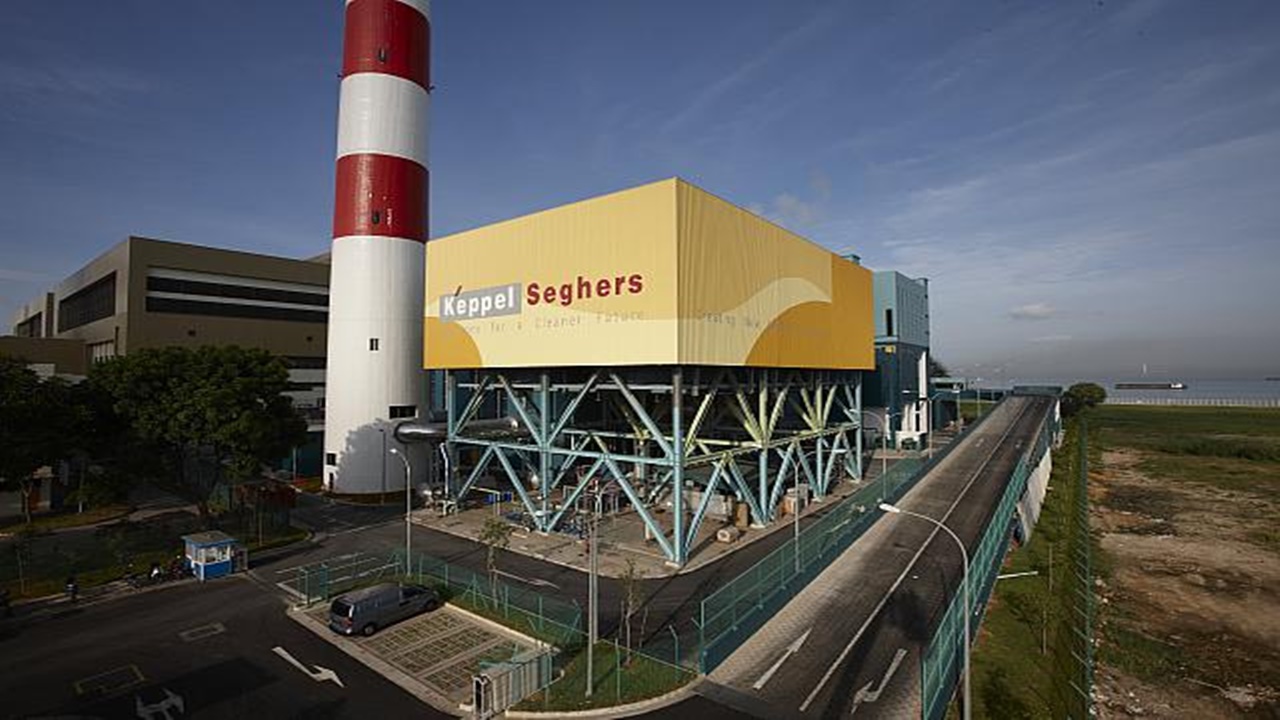
Energy Auction A-5, Held in September This Year, Marks the Birth of the Brazilian Energy Market from the Waste-to-Energy (WTE) Plant
The President of ABREN (Brazilian Association of Energy Recovery from Waste), Yuri Schmitke, commented that the contracting in the A-5 auction of URE Barueri, Brazil’s first waste-to-energy (WTE) plant, will motivate many companies to structure projects like the URE Barueri to participate in upcoming auctions. “There was a positive signal for the market that the Federal Government is interested in providing an environmentally appropriate solution for the management of urban solid waste. We hope for greater balance and equality in the next auctions, which will enable many projects, such as URE Mauá (80 MW), URE Caju (21MW), and URE Consimares (17MW), among others that are starting due to the positive economic signal given to the market in this last auction,” he informs.
Read Also
- Nestlé, the world’s largest food and beverage company, calls candidates with and without experience for vacancies in SP, MG, BA, and more regions of Brazil
- China tested a hypersonic missile with nuclear capability that can circle the Earth, leaving the United States in shock with the Chinese glider
- Distributors warn of the risk of gasoline and diesel shortages due to production cuts by Petrobras
- The world’s largest wind turbine will be Chinese: the wind turbines that China plans to use for the construction of its most ambitious wind farm are more powerful than the Haliade-X from General Electric
According to ABREN, the supply in upcoming auctions should continue at the same ceiling price until achieving greater competitiveness and cost reduction, especially with the organization of the domestic market for manufacturing parts and components, as well as construction companies capable and prepared for the implementation of WTE plants.
New Understanding from ANEEL on Values Will Stimulate Specific “Public Call” for Contracting WTE Plants
Through the amendments made to Law No. 10.848/2004, Distributed Generation through Public Call has taken better shape. Now ANEEL must prepare a new public consultation and dismiss the previous understanding that all sources compete with one another, and that the price should be limited to the lowest overall cost.
-
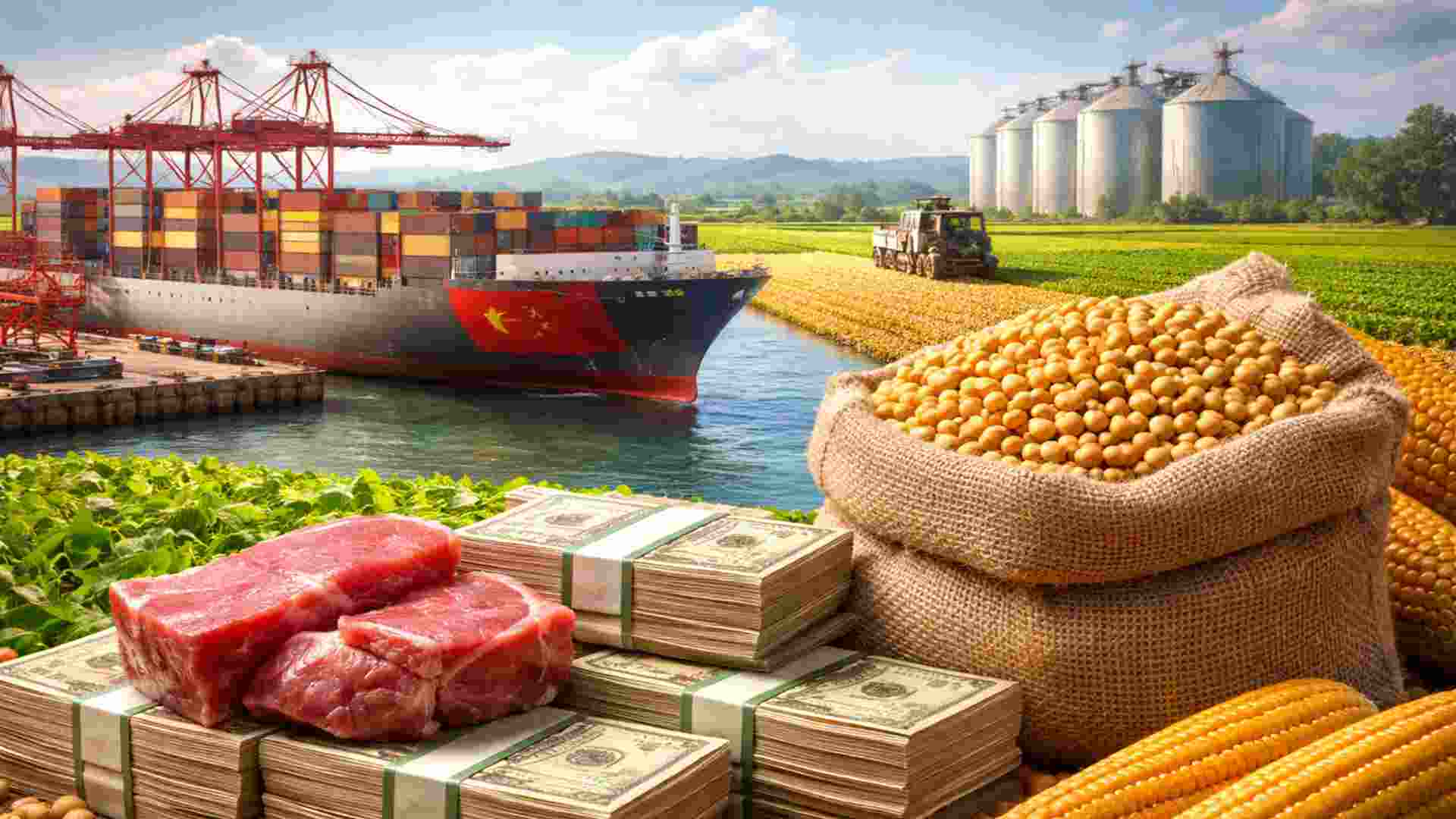
Brazilian agribusiness found in China more than just a giant buyer: it was US$ 55.3 billion in 2025.
-
France takes 129 tons of gold from New York, profits $15.1 billion, and raises alarms in Europe fearing to leave reserves under U.S. control.

-
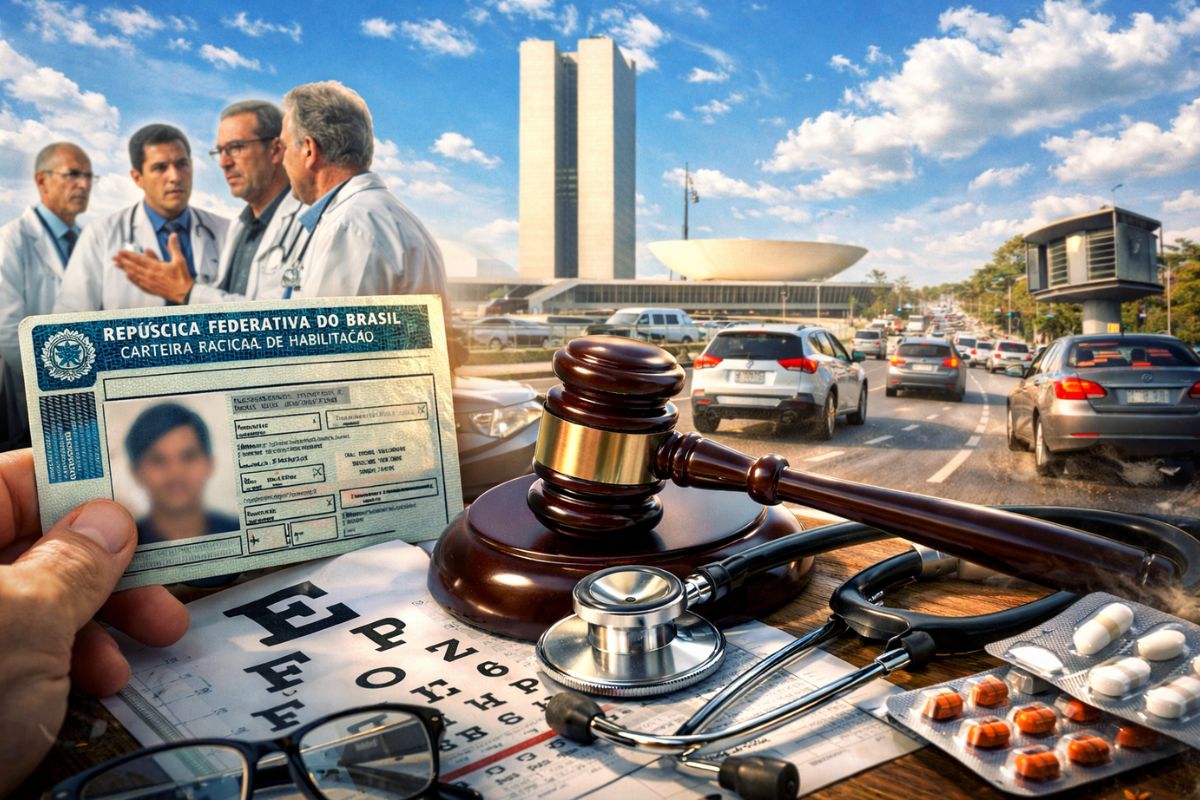
35 medical entities criticize the MP that automatically renews driver’s licenses without fitness exams: they say that diseases do not show up in fines; Congress analyzes RNPC after 38,253 deaths and a cost of R$ 400 million directly to SUS.
-
Brazil secures a foothold in one of the largest markets in Africa, gaining authorization to sell 17 products to Ethiopia, including beef, pork, and chicken, as well as sugar, grains, and ethanol.
As a result, the value set in Ordinance No. 65/2018, updated to R$ 626.00/MWh, will be sufficient for distributors to promote specific Public Calls for the contracting of WTE plants. The justification for this is because they are clean and renewable thermoelectric plants, which generate energy at the load center and bring high attributes to ensure reliability and stability to the electrical system, in addition to socio-environmental benefits and decarbonization.
Waste-to-Energy (WTE) Plant, Generating Energy from Waste, Will Have Space in the First Capacity Auction at the Beginning of 2022
Schmitke celebrates the news that WTE will have space in the first capacity auction at the beginning of 2022 and in the future. He believes that the challenge is to seek sufficient energy quantity to enable existing WTE projects.
The Association intends to establish projects with environmental licensing to participate in upcoming auctions and structure municipal concessions with a waste tariff sufficient to support WTE plants. The aim is to convince society of the importance of WTE plants, as they reduce greenhouse gas emissions by 8 times (5th IPCC Report, 2011), eliminate the risk of contaminating water resources, and drastically reduce damage to public health from poor waste management, which currently represents R$ 5.4 billion a year (ISWA, 2015).
In addition, ABREN believes that other contracting mechanisms should exist beyond regulated auctions. Currently, there are no subsidies for WTE plants. Only the contracting price remains high, but it tends to decrease with the development of a national market. “It would be important to seek mechanisms that better price the attributes of WTE plants, especially the environmental attribute, which still awaits regulation by the MME. With the exclusion of the discount on the wire (TUSD/TUST), renewable sources and WTE also lost the discount, with the promise that there would be compensation for the valuation of the environmental attributes of each source,” Schmitke argues.
ABREN Expects Municipal Concessions in Self-Production Regime for Supplying Fleets of Electric Trucks and Buses with WTE Energy
ABREN also hopes for the emergence of municipal concessions in the self-production regime for supplying fleets of electric trucks and buses with energy from WTE plants. Since there are no charges and taxes in self-production, only the wire cost (which in this case is quite reduced), there is a great incentive to enable projects of this nature, as long as the company that has the plant concession also holds the waste collection concession and one or more bus fleets.
The bank guarantee is found in the concession itself and the waste collection and passenger transport tariff. Projects of this nature can also be structured with the biomethane from anaerobic digestion plants that treat the organic fraction of waste, which will supply fleets of vehicles converted to CNG or LNG.
The perspective of ABREN is that the Federal Government can allocate more energy in upcoming auctions for WTE plants, allowing for the development of a national market, which will reduce costs and bring benefits for all. Schmitke cited PROINFA, the Federal Government Program, which aimed in 2004 to contract wind, biomass, and PCH plants, and managed to double the target which was 10%, and today these sources combined account for over 20% of our energy matrix, with a robust national industry creating income and jobs for the country.






Seja o primeiro a reagir!