





 Portuguese
  English
  Spanish
  4 min of reading
  0 comments


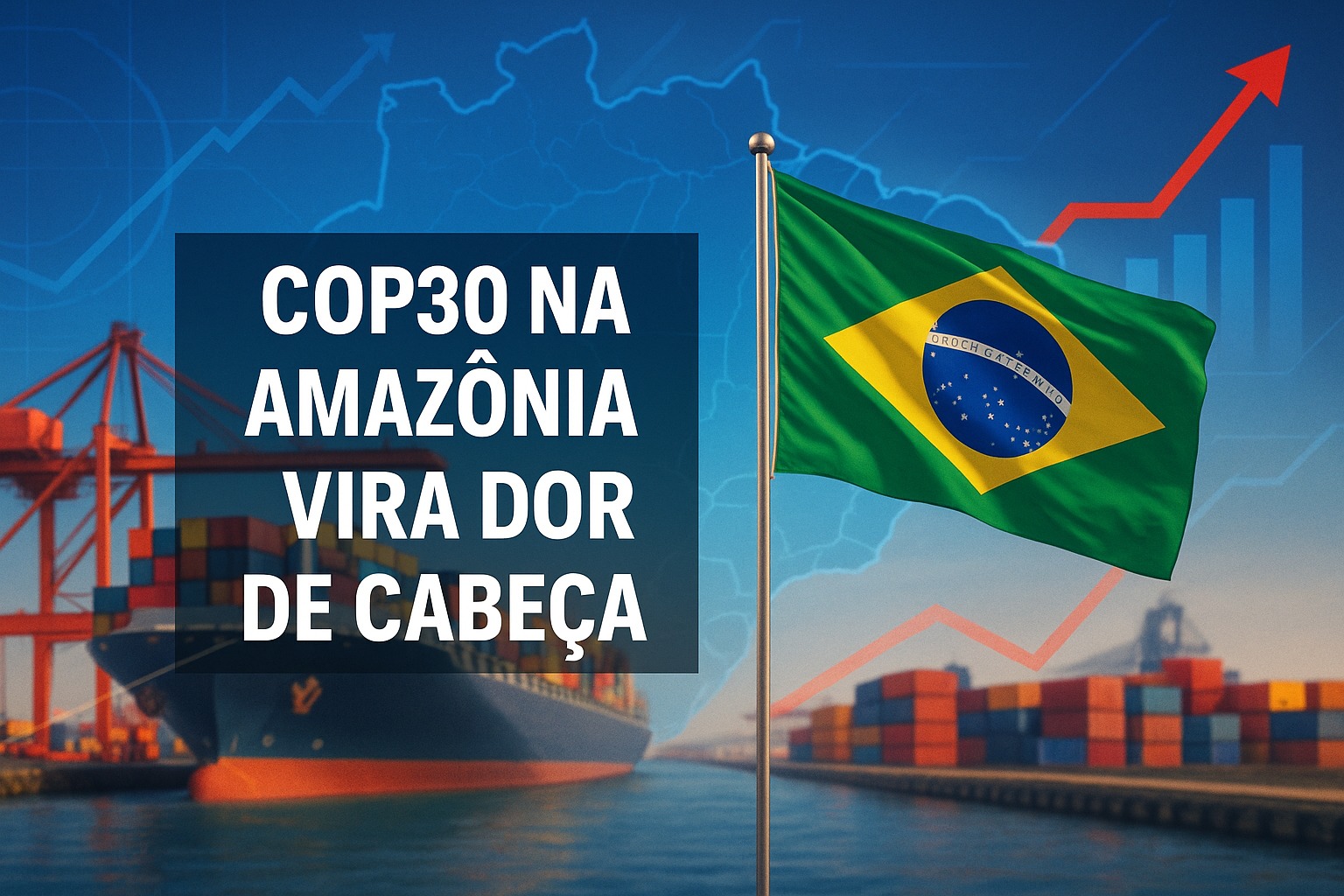
The Climate Conference in Belém Exposes Diplomatic Dilemmas, Environmental Criticisms, and Logistical Issues That Jeopardize Debates on Urgent Global Solutions
The Brazil has presented itself to the world as the voice of developing countries. To reinforce this role, it invited international authorities to visit the Amazon and discuss solutions for the global climate crisis.
The conference has generated great anticipation because it occurs ten years after the Paris Agreement. However, the preparations exposed serious problems.
Absent United States and Demands
The United States, the largest historical emitters of greenhouse gases, are not expected to participate in the meeting.
-
Spain challenges the USA and closes its airspace for operations against Iran, raising global tension and provoking the threat of a trade rupture.

-
While no other country manufactures tanks in Latin America, Argentina activates the TAM 2C-A2 and raises a curiosity about the technological lag in the region.

-
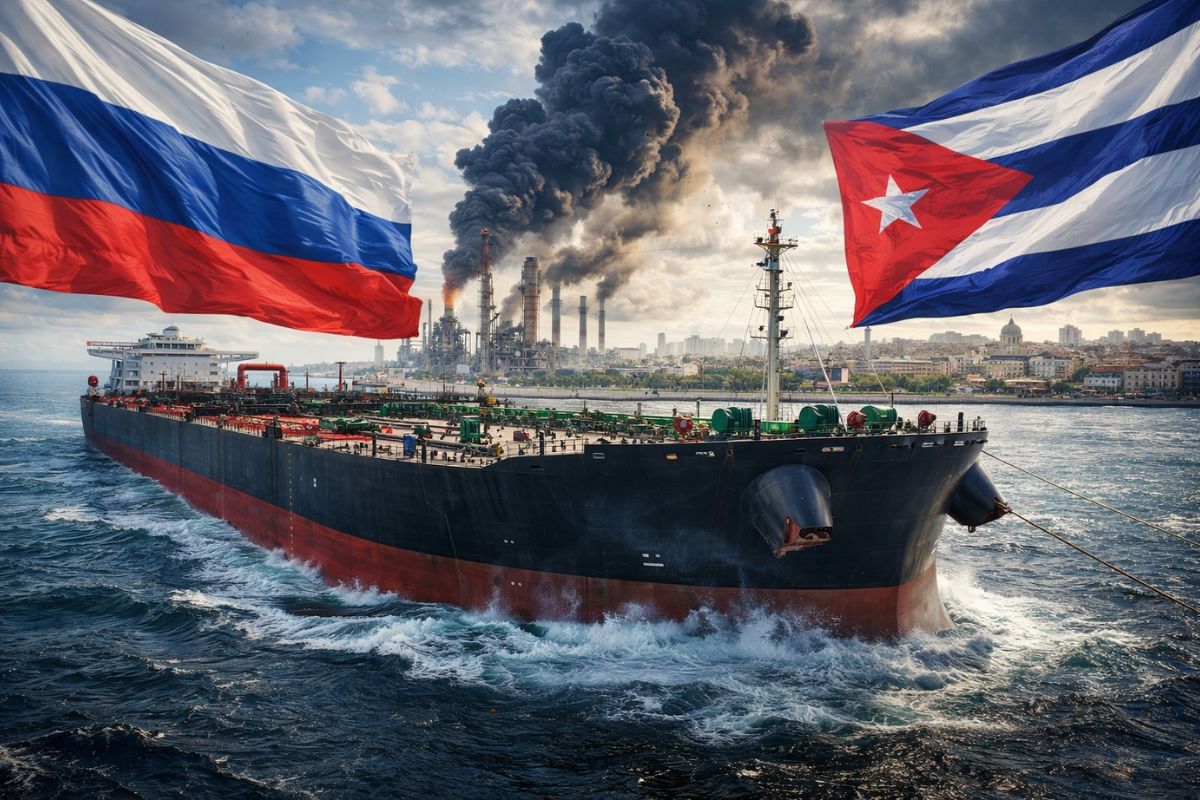
A Russian ship with 730,000 barrels of oil has just arrived in Cuba while Mexico negotiates fuel sales through private companies: the communist island is desperately seeking alternatives after losing its supply from Venezuela due to American military action.
-
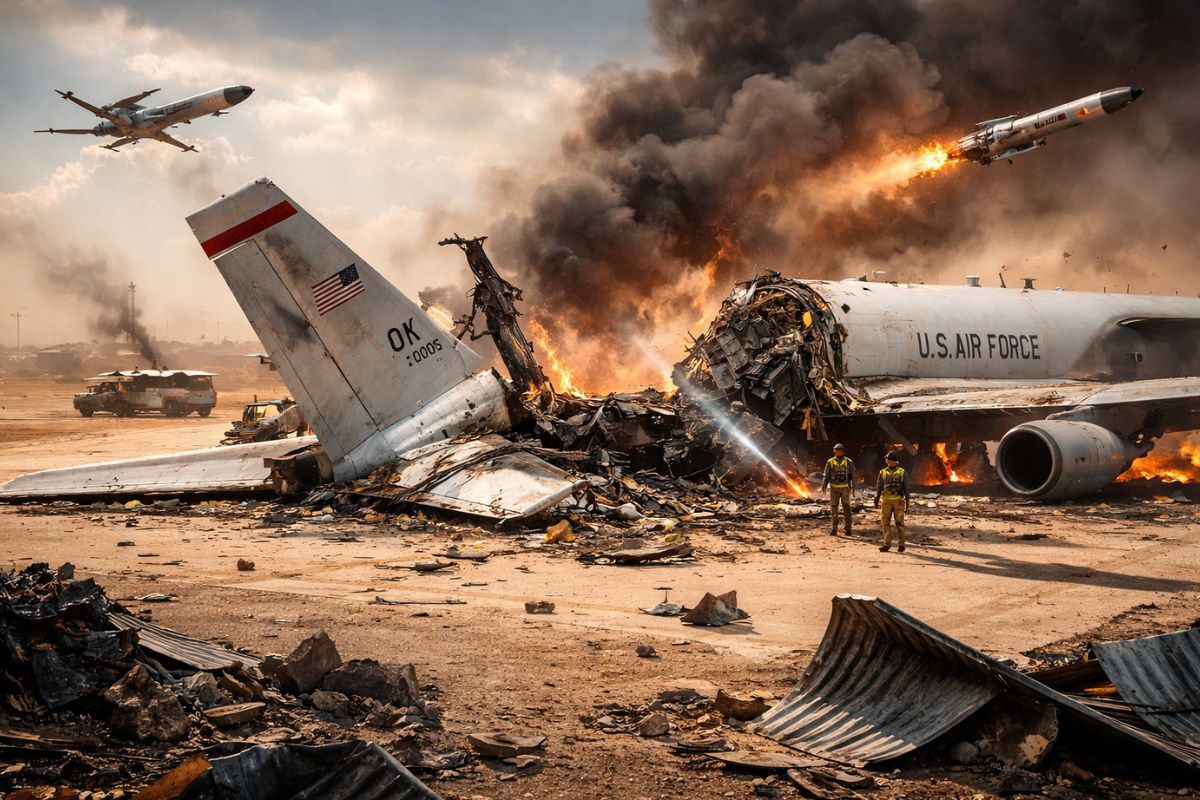
Iranian drones and missiles destroyed a 270 million dollar American spy plane in Saudi Arabia, splitting the E-3 Sentry aircraft in half and injuring 12 military personnel in an attack that exposes the vulnerability of U.S. bases in the Persian Gulf.

The country has yet to fulfill the promise of releasing billions of dollars in support for the most vulnerable.
This absence has strengthened criticisms. Activists accuse Brazil of inconsistency, as it has released new areas for oil exploration even while advocating for environmental issues. Thus, rhetoric and practice do not align.
Pressure on Climate Diplomacy
With the impacts of global warming becoming increasingly severe, there is mounting pressure for changes in the negotiation structure. The current system requires consensus and ends up blocking more ambitious agreements.
Oil-producing countries, for instance, block proposals that could reduce emissions more rapidly. The risk is that irreversible damage will advance before effective measures can be implemented.
COP30 in the Amazon: Accommodation Becomes a Stalemate in Belém
Amid this global dispute, a local problem has further complicated the situation: the lack of affordable accommodation in the host city. Two-thirds of the countries have not been able to secure rooms so far.
The Palauan diplomat, Ilana Seid, summarized the dilemma: “We cannot discuss survival if we cannot even get there.” The Pacific archipelago fears rising sea levels and needs to have a voice at the event.
Misunderstanding or Serious Failure?
According to African diplomats, Brazilian authorities suggested that delegates share rooms. The idea was immediately rejected.
Ambassador André Corrêa do Lago, responsible for the negotiations, stated that it was all just a “misunderstanding.”
He assured that the government has already reserved 53,000 rooms, a number greater than the 50,000 participants expected.
According to him, there are options between US$ 100 and US$ 200 intended for poorer countries and small islands.
Price Surge and Complaints
Despite the promise, accommodations in Belém have reached up to US$ 600 per night. The spike prompted the government to create a task force against abuses and reserve a portion of the vacancies for vulnerable delegations, limited to 15 rooms each.
Additionally, hotels, two cruise ships, and regulated private properties have been included. There is also the possibility of adapting schools to house delegates.
Even so, many delegations still lack alternatives. Instead of planning political positions, they spend time making calls to brokers in search of beds.
Financial Support Sought
To alleviate the pressure, Brazil has sought help from banks and philanthropic institutions. The goal is to subsidize costs for the most affected.
Corrêa do Lago admitted in a letter sent to delegates that the logistical obstacles are significant and requested creativity to find solutions.
International Distrust
The episode reinforced the trust deficit in climate negotiations. It occurs while the United States expands oil and gas production, contradicting environmental goals.
“The circumstances are not ideal,” acknowledged Corrêa do Lago. For him, the geopolitical environment is complex and makes negotiations even more difficult.
International Conference Gains Symbolic Weight
Belém was chosen because it represents the Amazon, a central region in regulating the planet’s climate. The city has experienced historical cycles, such as that of rubber, but today it has just over one million inhabitants and limited infrastructure.
For President Luiz Inácio Lula da Silva, hosting the conference in Pará is a way to demonstrate the importance of the forest in carbon capture and attract resources for preservation.
Challenges of the Current Model
The annual conferences gather an increasing number of participants, ranging from 40,000 to 80,000. The audience includes everyone from activists to executives from oil companies.
The common goal is to curb global warming and limit the temperature rise to 1.5 °C above pre-industrial levels.
The problem is that even if all the promises made were fulfilled, it still would not be enough.
Voice of the Poor
For small and poor countries, the conference is one of the rare opportunities to speak on equal footing. Jennifer Morgan, former president of Greenpeace, emphasized that this space is essential.
She stated that the format could be more efficient, but it is still indispensable. After all, climate disasters hit hardest those who emit the least pollutants.
COP30 in the Amazon: Risk of Failure
With the conference scheduled for eight weeks from now, the situation remains uncertain. Delegations are still searching for reasonably priced accommodation.
Climate diplomacy is still stalled due to the lack of agreement among major emitters.
Meanwhile, the population of Belém is witnessing the city transform rapidly, with hotels fully booked and prices skyrocketing.
For negotiators, the risk is that logistical problems will compromise a vital debate for the future of the planet.
With information from InfoMoney.









-

Uma pessoa reagiu a isso.