





 Portuguese
  English
  Spanish
  5 min of reading
  0 comments



Discover How COP30 Can Strengthen Clean Energy in the Country, Accelerating the Transition to Renewable Sources and Promoting a Sustainable Future for Brazil.
Brazil is experiencing an important moment in its energy journey. After all, with a matrix that already predominantly uses renewable sources, the country has the opportunity to consolidate itself as a global example in the use and development of clean energy.
In addition, the holding of the Conference of the Parties, COP30, in Belém, Pará, in 2025, marks a decisive step in this path, bringing focus and visibility to the debate on sustainability, innovation, and economic development coupled with environmental preservation.
A History of Renewable Energies in Brazil
Historically, Brazil has always established a special relationship with renewable energy sources. Since the 1970s, with the fuel alcohol program derived from sugarcane, the country has sought to diversify its energy matrix and reduce dependence on imported fossil fuels.
-
A Canadian retiree creates a hydroelectric system on a real river, generating energy continuously throughout the day and demonstrating how the power of water can supply a house with stability even in a simple structure.

-
Petrobras reaffirms its commitment to the market and ensures that it will carry out the energy transition safely to maintain national sovereignty.
-
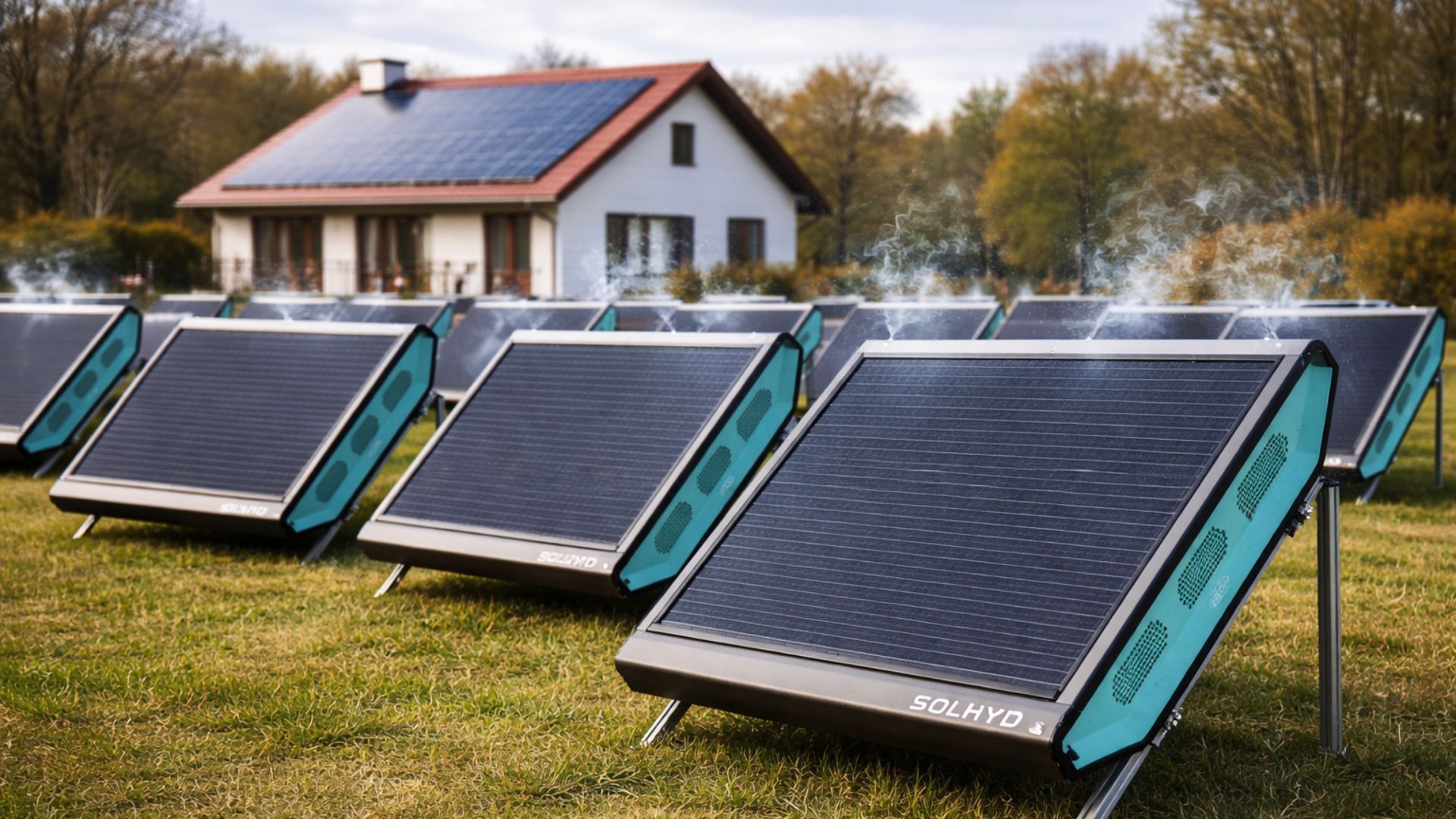
Researchers discover a possible hydrogen deposit of up to 46 million tons beneath an ancient coal basin, and the volume could exceed half of the entire global production.

-
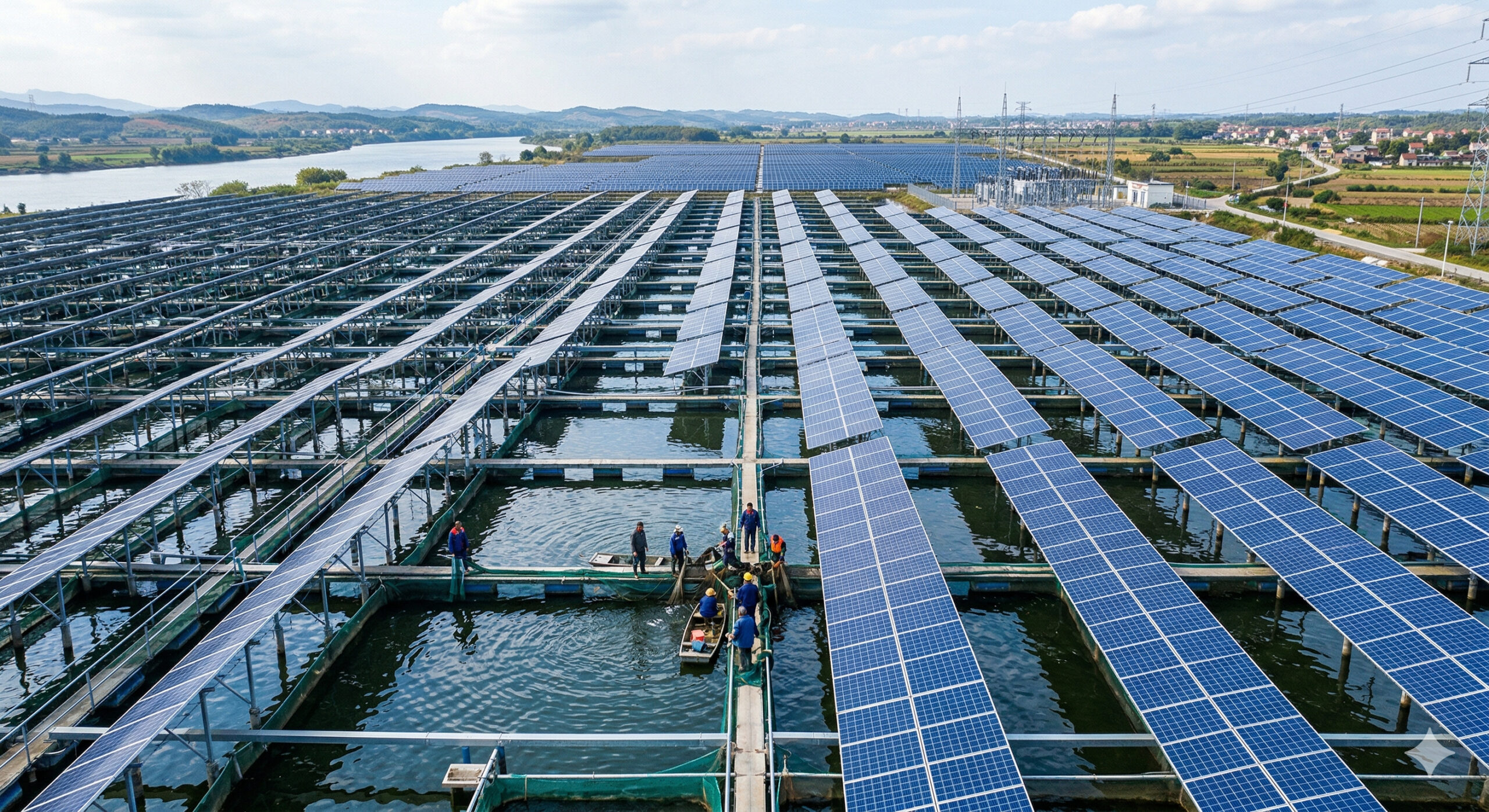
China bets on the Fishery-PV model and transforms fish farms into giant solar plants, covering ponds with panels that generate energy while utilizing the same space for large-scale aquaculture production.

More recently, hydroelectric energy has dominated national production. However, this model, although renewable, faces environmental and social challenges, such as the impact on local communities and ecosystems.
In recent years, the advancement of clean energy in the country occurs mainly through sources such as solar, wind, and biogas. These technologies are gaining ground due to cost reductions, innovation, and support from public policies.
The expansion of these sources stimulates regional growth, creates jobs, and promotes social inclusion. Especially in the interior of the country, small towns have benefited from the installation of solar and wind parks, which, in addition to generating energy, stimulate the local economy.
Another important aspect of the history of renewable energies in Brazil is the role of government incentives. Programs like PROINFA created a favorable environment for energy innovation. The financial and technical support from these initiatives helped reduce costs and attract investors.
It is relevant to mention that the growth of clean energies is also connected to Brazil’s commitment to international agreements, such as the Paris Agreement. These commitments drive concrete decarbonization targets, requiring structural changes in energy generation and consumption.
The Role of COP30 for Brazil and the World
The importance of COP30 in Brazil goes far beyond being a global event. It represents a chance for the country to demonstrate its commitment to sustainability and the energy transition.
Therefore, this conference should be seen as a convergence point, where governments, companies, and civil society come together to build a cleaner and fairer energy future.
In the current scenario, the corporate sector has taken on a central role. Brazilian companies are increasingly committed to ESG principles, adopting practices that promote efficiency and environmental responsibility.
The pursuit of clean energy in the country has become a strategic priority. Solutions such as migrating to the free energy market, distributed generation, and using shared solar systems are growing.
Sustainability and financial efficiency can indeed go hand in hand.
Furthermore, the use of clean energy in the country has become a competitive differentiator, especially in sectors facing international pressure for sustainable practices. Access to green financing has boosted this transformation.
Despite the advances, there are still regulatory and tax barriers that limit access for small and medium businesses to renewable sources. On the other hand, energy infrastructure lacks modernization in several regions.
It is also essential to encourage the digitalization of the electric sector, integrating data, artificial intelligence, and automation to make distribution more efficient and resilient. These tools contribute to predicting consumption peaks, optimizing networks, and avoiding waste.
Another crucial point is the training of qualified professionals. Investing in education and technical training will be indispensable for advancing clean energy in the country.
Partnerships between universities and companies can accelerate innovation and strengthen the national energy ecosystem.
Tax Reform and Modernization of the Electric Sector
The tax reform under discussion in Brazil is decisive for the future of clean energy in the country. Clear rules, exemptions, and special regimes can stimulate new investments and facilitate the adoption of renewable sources.
At the same time, the modernization of the electric sector, focusing on deregulation and freedom of choice, can transform the regulatory environment, making it more favorable to sustainable growth.
The energy transition requires planning, cooperation, and time, but its benefits are undeniable. Reducing greenhouse gas emissions, diversifying the energy matrix, and promoting local development are some of them.
Democratizing access to clean energy is also fundamental. Decentralized solar and wind energy can reach remote communities, promoting social inclusion and improving quality of life.
In addition, advances in energy storage technologies, such as batteries, increase the reliability and stability of renewable sources.
Ensuring continuous supply, even on cloudy days or at night, strengthens the viability of clean energy in the country.
Another increasingly discussed point is the role of energy communities, where consumers also become producers, generating their own energy and even selling the surplus. This model, already adopted in European countries, is starting to gain traction in Brazil.
These new forms of distributed generation stimulate energy empowerment and active participation of the population in the transition to a low-carbon economy.
COP30 as a Catalyst for Public Policies and Innovation
With COP30, the debate on energy gains new momentum. The event will act as a catalyst for more effective public policies, aimed at the productive sector and society.
The world will be watching, and Brazil can demonstrate that it has a competitive, innovative, and sustainable energy model.
To strengthen clean energy in the country, it is essential to promote dialogue among government, companies, and civil society. Building an environment with stable rules, encouraging innovation, and environmental education will be critical.
Active participation of society is equally important. Conscious consumers drive the clean energy market and demand transparency in business practices.
Educational campaigns and access to environmental information are fundamental strategies to increase awareness and popular engagement.
In summary, COP30 represents a historic opportunity for Brazil to lead the energy transition.
Seizing this opportunity is crucial to align economic development with environmental preservation and social justice.
With planning and commitment, Brazil can be the protagonist of a new energy era — sustainable, democratic, and inclusive.









Seja o primeiro a reagir!