





 Portuguese
  English
  Spanish
  3 min of reading
  6 comments


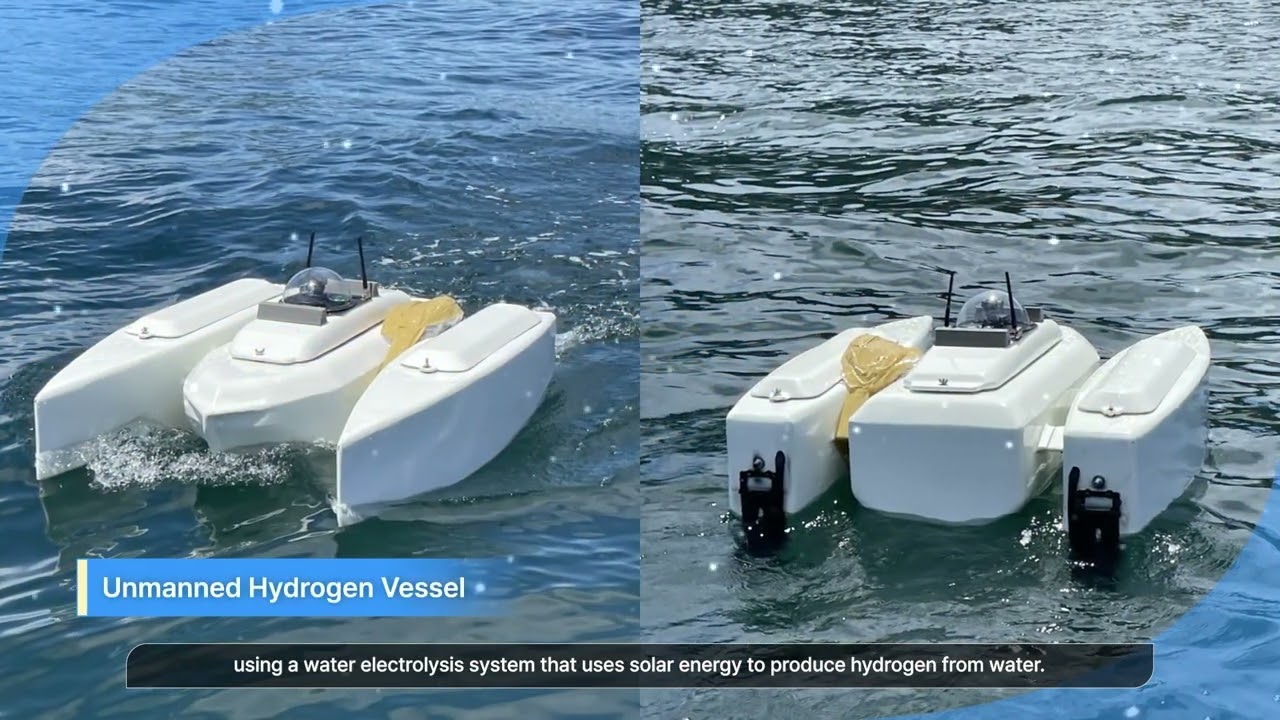


South Korea Surprises The World By Launching The First Water-Powered Boat Capable Of Operating For An Hour Using Only Half A Liter Of The Liquid
A historic milestone in sustainable naval engineering was presented by K Watercraft, a South Korean company that developed the world’s first hydrogen-powered boat, fuel obtained from water.
With technology, the unmanned vessel can operate for one hour using only 500 ml of this fuel.
This project promises to revolutionize maritime transportation by combining technological innovation and environmental sustainability.
-
They were brilliant! Scientists discover that our ancestors in China were already making super advanced tools 160,000 years ago, changing everything we knew.

-
Scientists unveil 3 million years of climate secrets hidden in the ice of Antarctica.

-
Ancient farmers created “aggressive plants” that changed nature forever.

-
Astronomers find a “backward” solar system that ignores all the rules of space and leaves scientists scratching their heads!


The boat’s debut took place at CES 2025 in Las Vegas, one of the largest technology events in the world. During the presentation, K Watercraft demonstrated how its creation combines solar energy and hydrogen to operate without emitting pollutants.

Hydrogen And Solar Energy
The centerpiece of the boat is its advanced electrolysis system, which uses solar energy to separate hydrogen and oxygen from water.
This hydrogen is converted into electrical energy through a proton exchange membrane fuel cell.
This technology allows for powering an electric motor with a capacity of 1.5 kW (equivalent to 2.0 horsepower) and operating efficiently.
Weighing a total of 50 kilograms, the vessel also has an energy storage system.
This storage allows for greater flexibility in operation, even in situations of low sunlight. Its fuel cell generates 300 watts of power, while the electrolysis process achieves a production of up to 4 liters of hydrogen per minute.

Sustainability And Environmental Impact
The use of hydrogen as a fuel source eliminates dependence on fossil fuels, drastically reducing greenhouse gas emissions.
According to K Watercraft, the boat can operate in different types of water, including seawater, expanding its applicability in various scenarios.
This technology has the potential to be used in sectors such as maritime rescue, environmental monitoring, and even oceanic research.
A spokesperson for the company emphasized that the vessel can collect data on coastal erosion or carry out missions in remote areas, all without putting human operators at risk.
Practical Applications And Customization
The boat’s design flexibility allows it to be adapted for different functions. Customized models could be used in rescue operations, firefighting, or coastal surveillance, meeting specific needs of each client.
K Watercraft is banking on the commercial viability of the technology, especially given the growing demand for eco-friendly solutions in response to climate change.
The project not only represents a technical advancement but also reinforces the urgency to rethink traditional maritime practices.
WB-UM
Named WB-UM2, the vessel symbolizes the beginning of a new era in maritime technology. This boat not only proposes an alternative to conventional fuels but also highlights how navigation can contribute to ocean preservation and climate change mitigation.
The model presented is the first of a line that, according to the company, will be expanded to include larger vessels.
The goal is to serve both commercial transportation and specific operations in coastal and marine areas.







É muito fantástico.. quebra Bilhoes de moléculas de água para fazer 1 de hidrogênio e 2 de oxigênio para casa molécula… Depois do depois vamos beber petróleo?
Há muito tempo já vi que é possível usar hidrogênio como combustível e que tem mais vantagens do que combustível fóssil o interessante é que nenhuma empresa se interessou em explora-lo
As petrolíferas não deixam
Quando souber o tanto de energia elétrica precisa pra gerar a quantidade de hidrogênio equivalente a um CV você vai ver que não é tão simples.
Quebrando uma molécula de água .. depois o ser humano pode beber óleo
Muito sabio quebrar as moléculas da água .. transformando em 1 hidrogênio e 2 oxigênio .. molécula de água extinta com sucesso .. depois a gente começa a beber petróleo.. coisa fantástica