Portuguese
  Spanish


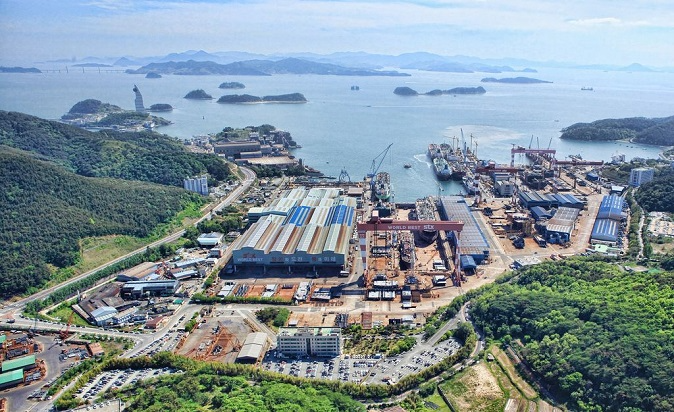

South Korea Seeks to Facilitate Entry of Foreign Workers for the Shipbuilding Industry. With the Growth of the Sector in the Country, Authorities Aim to Increase the Skilled Workforce
After years in decline, the shipbuilding sector is on the rise in South Korea. However, the Asian country has been facing many difficulties in finding workers for these specific sectors. As a result, the country’s authorities are facilitating the entry of foreign workers to operate in shipyards.
After Years of Restructuring, Shipyards in South Korea Are Seeing a Significant Increase in Their Business
The growth of the shipbuilding sector in Korea comes after a long period of restructuring in the country. Over the past 10 years, many South Korean workers were laid off to expedite the reorganization. However, as many workers were dismissed in a not-so-distant past, South Koreans are not keen on returning to the sector.
Data released by the Korea Offshore & Shipbuilding Association (KOSHIPA) showed that the number of workers in the shipbuilding industry in Korea has seen a massive decline in recent years. Last year, for example, there were 92,000 workers; however, the number exceeded 200,000 a few years ago.
-
Global Race for Rare Earths Intensifies as U.S. and China Compete, Putting Brazil’s Vast Reserves in the Spotlight

-
Global Shipping Faces Shortage of Certified Maritime Officers, Salaries in the U.S. Can Exceed $100,000 Annually

-
Volvo’s New Loaders Feature Obstacle Detection, Automatic Braking, and 360-Degree Operator View
-
Chinese Manager Accused of Whipping Worker Sparks Protest by 1,200 Employees at Major Brazilian Factory





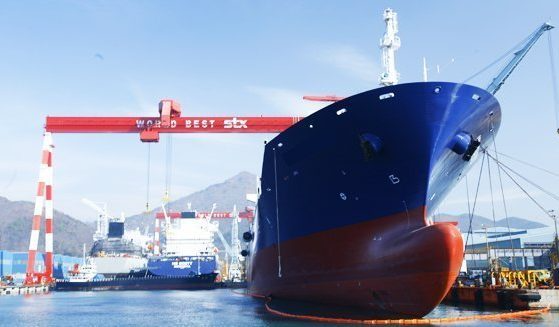
Recently, South Korea authorized the entry of a total of 4,428 workers for the shipbuilding sector. In addition, new immigration rules will be announced to fill the gaps.
The Ministry of Justice of South Korea will simplify the visa requirements for foreign workers, known as the E-7 visa. For the naval area, the visa covers four areas: welding, painting, electrical engineering, and plant engineering.
During this period, shipyards invested significantly in an attempt to automate the construction process as much as possible. In the past 18 months, the country’s sector received many orders for container ships and LNG vessels. In terms of value, shipyards in South Korea represented 49% of new ship orders globally.
A few years ago, Japan had to undergo a similar process. To restructure its shipbuilding sector, the authorities had to facilitate the entry of foreigners to work in the sector.