





 Portuguese
  English
  Spanish
  4 min of reading
  3 comments


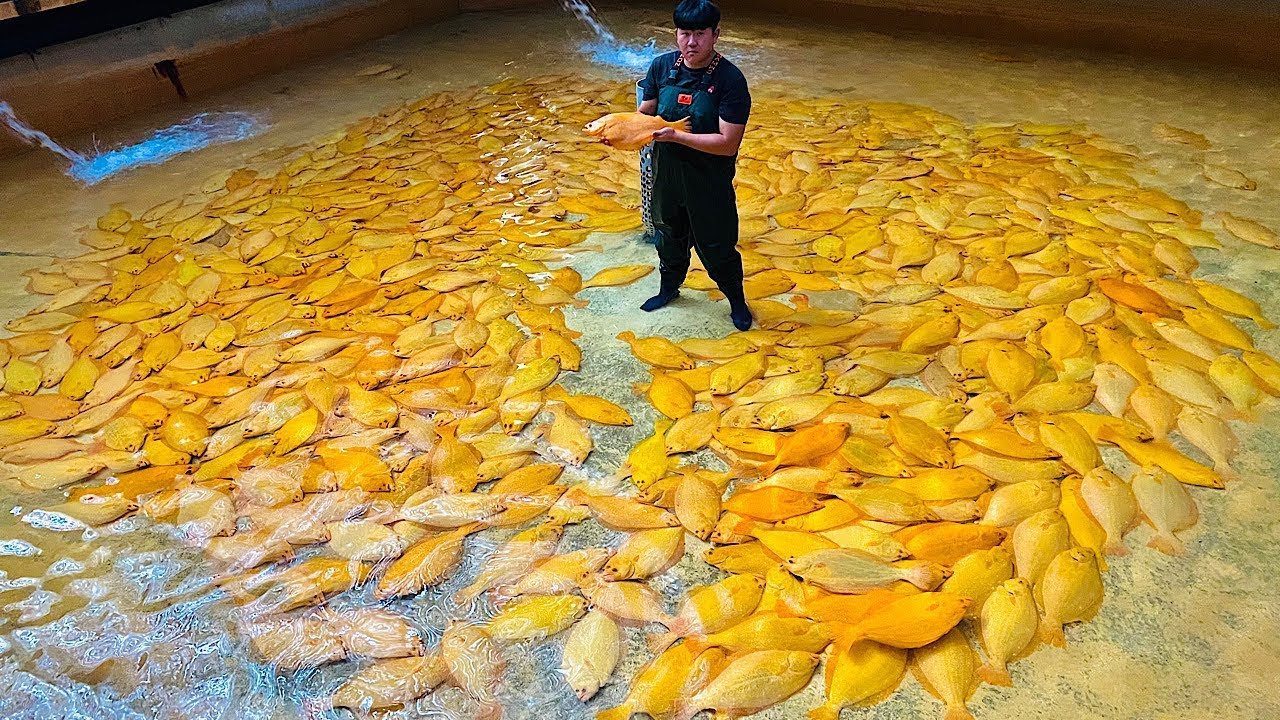


South Korea Produces More Than 1.6 Million Tons of Seaweed Per Year, Leads in Oyster Farming, and Dominates Unique Species with Cutting-Edge Technology in Aquaculture.
South Korea, often remembered for its technology, robotics, and electronics industry, hides another silent giant that few Brazilians know: one of the largest powers in global marine aquaculture. Over the past decades, the country has built one of the most efficient cultivation systems on the planet, combining coastal tradition, ocean engineering, automation, and a productive force that achieves impressive numbers. And all of this is driven by two jewels that sustain the Korean blue economy: seaweed and oysters.
In a relatively small coastal territory, the country produces more than 1.6 million tons of seaweed per year, operates intelligent nurseries with sensors and artificial intelligence, and maintains hubs that rank among the largest in the world in shellfish production. What happens in Korea is not just aquaculture: it is a fusion of technology, tradition, and industrial scale.
The Strength of South Korean Aquaculture: Mega Farms of Seaweed That Feed a Billion-Dollar Market
The biggest secret of Korea is simple yet massive: it is a global superpower in seaweed cultivation.
-
The rise in oil prices in the Middle East is already affecting Brazilian sugar: mills in the Central-South are seeing their margins shrink just as ethanol gains strength.

-
Rain gains strength in April, potentially exceeding 150 mm, placing the North, Northeast, and the coasts of the South and Southeast at the center of the heaviest forecast of the week.

-
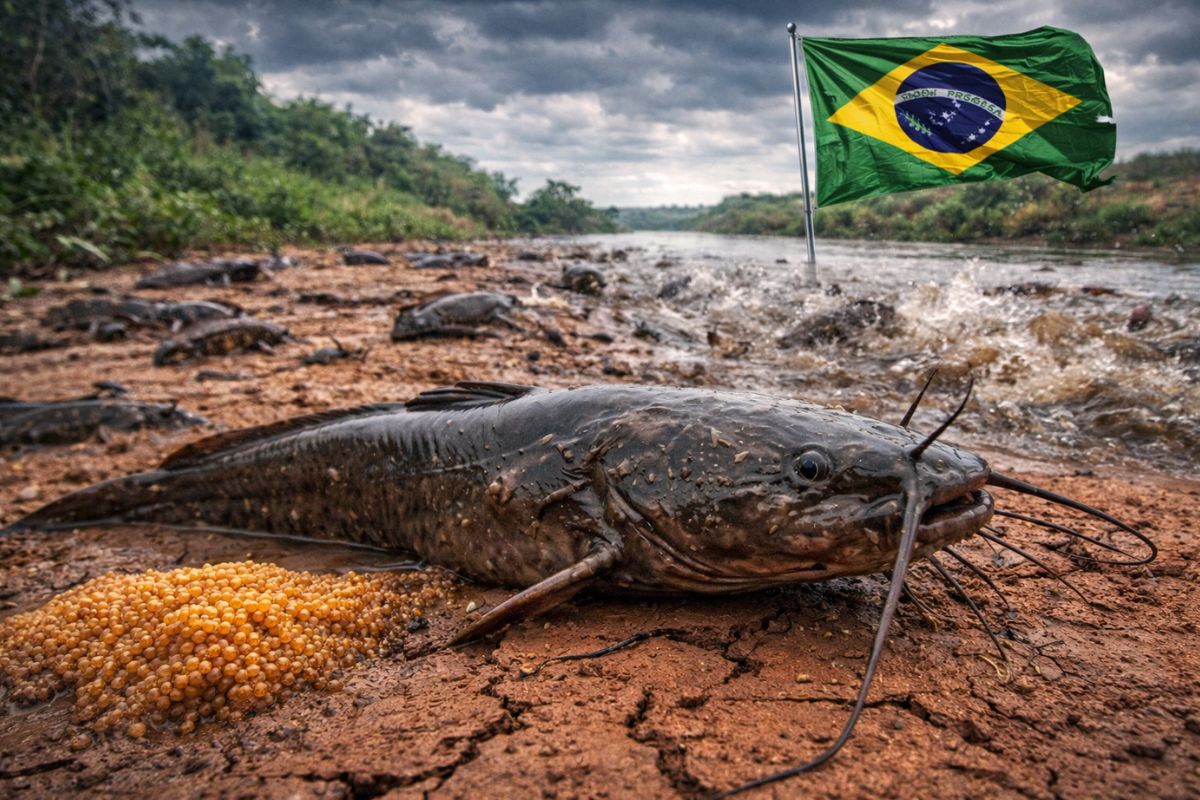
A fish that survives out of water, crawls on land until it finds another river, and whose female lays 80,000 eggs at once is infesting rivers and lakes in Brazil, and no one can stop this invasion.
-
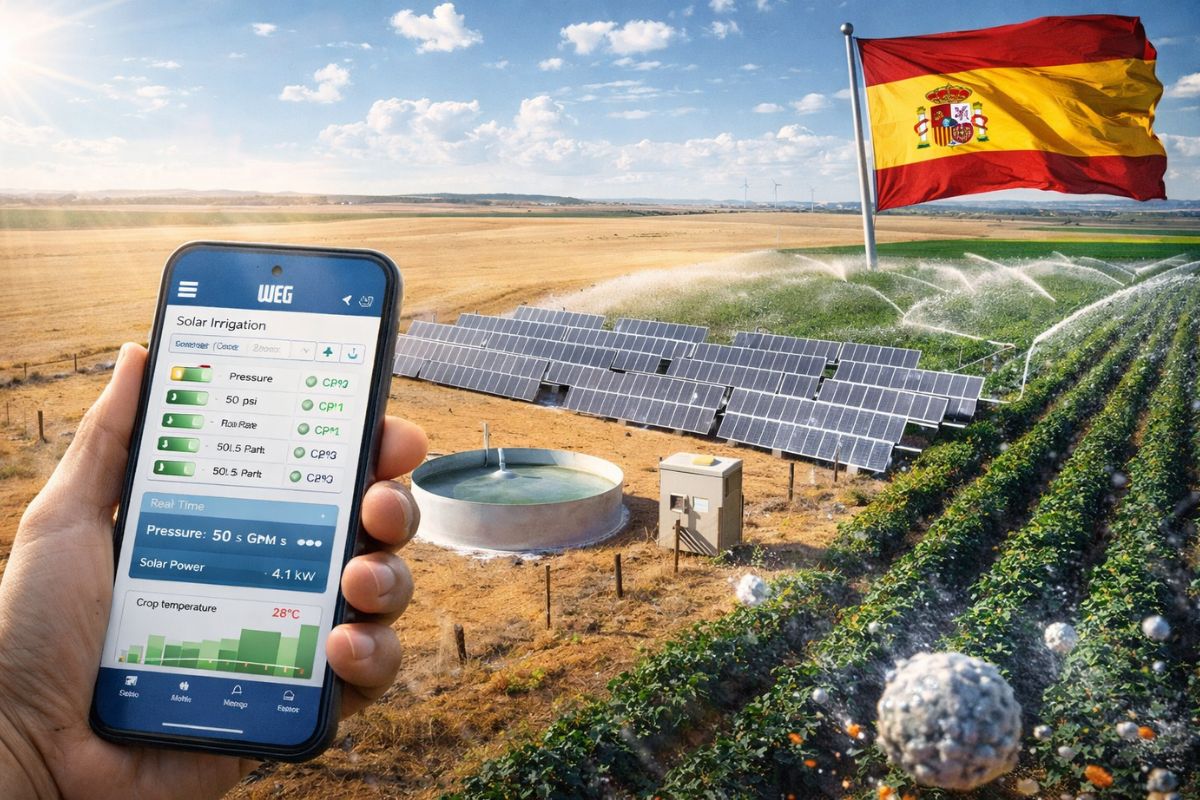
WEG took its technology to Spain to create a solar irrigation system that operates independently without needing an electrical grid, and now farmers control everything remotely via their mobile phones.

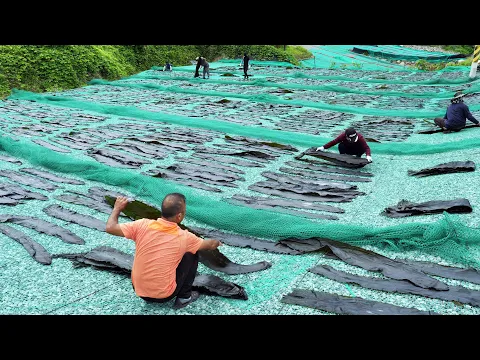

The country’s production exceeds 1.6 million tons annually, according to FAO data, which consistently places Korea among the largest producers on the planet, alongside China and Japan. The seaweed sector alone generates more than US$ 6 billion globally, and Korea dominates strategic segments of this market.
The stars of production are:
- Laminaria (kelp)
- Undaria pinnatifida (wakame)
- Porphyra (nori) – used in sushi
- Sargassum
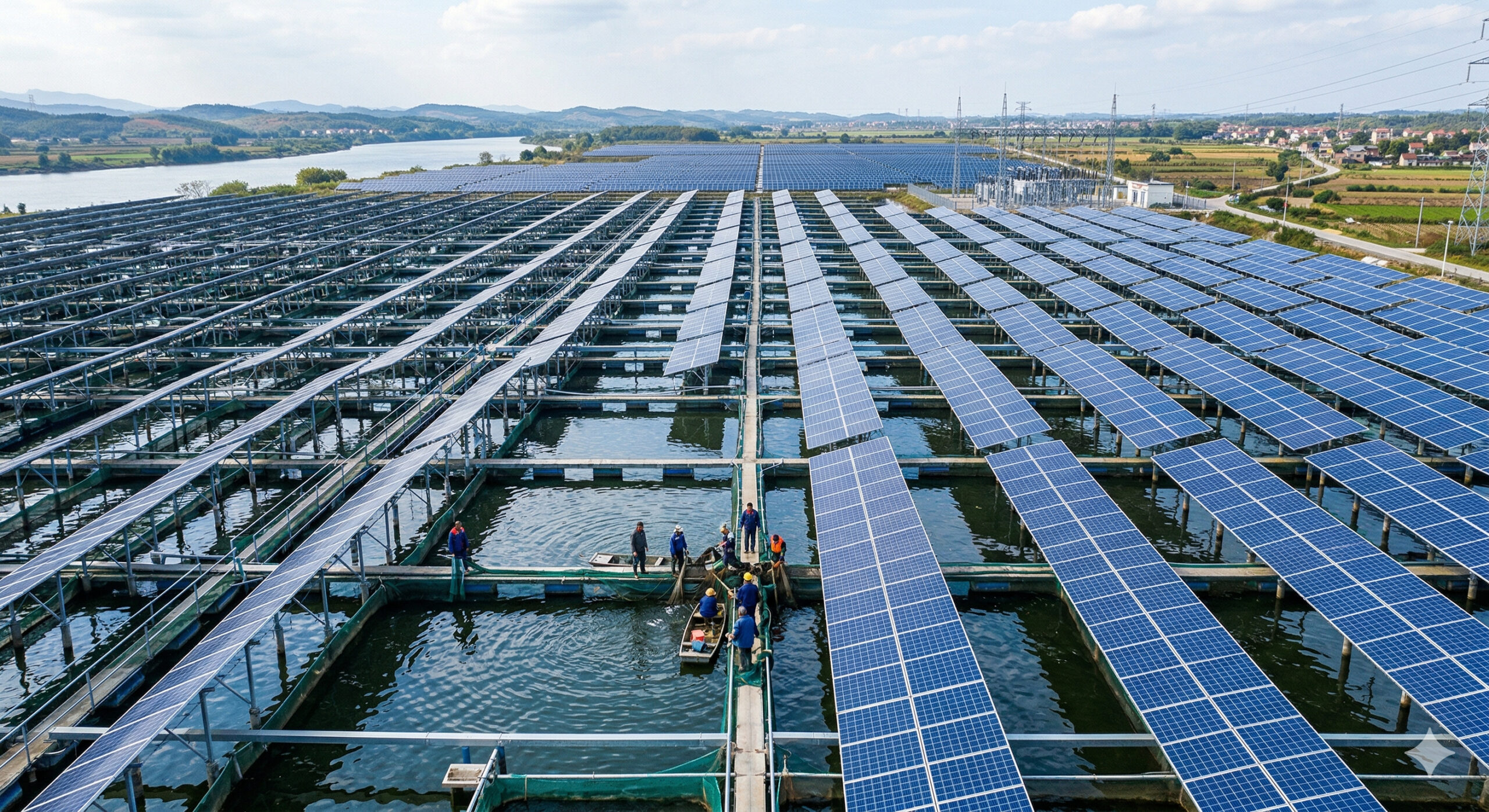
In areas like Wando, Shinan, and Jeonnam, kilometers of marine lines support giant plant panels, growing under the ebb and flow of tides in one of the world’s most efficient systems.
Korean seaweed serves for:
- Food
- Cosmetics
- Fertilizers
- Bioplastics
- Medicines
- Dietary supplements
And, thanks to local technology, Korea has become a global reference in marine cultivation automation, integrating sensors, AI, and remote monitoring to predict harvests, detect diseases, and adjust growth in real time.
Oysters and Shellfish: The Other Arm of South Korea’s Maritime Empire
If seaweed is the base, shellfish are the export jewel. Korea is among the three largest oyster producers in the world, alongside the US and China. The annual production exceeds 230,000 tons, supplying Asian restaurants, international markets, and industries that rely on shellfish protein.
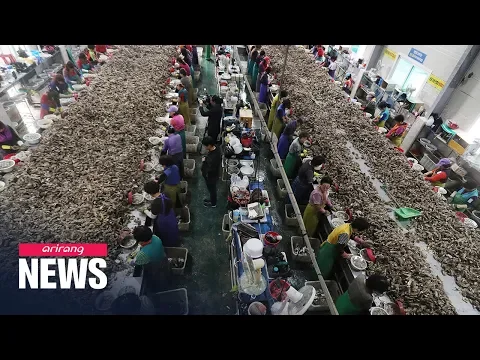
The regions of Tongyeong and Geoje are considered “global capitals of the oyster,” where floating nurseries extend for kilometers, supporting a chain that involves fishermen, industries, exporters, and research centers. This model allows for:
- High production density
- Low environmental impact
- Continuous water quality monitoring
- Fast and standardized processing for export
It is one of the most efficient shellfish systems on the planet.
The Fish That Korea Dominates Alone: The Species in Which the Country Is an Absolute World Leader
Although it does not compete with China, Vietnam, or Indonesia for the largest fish volumes, Korea dominates a highly specialized niche: the olive flounder, known as Korean flounder.
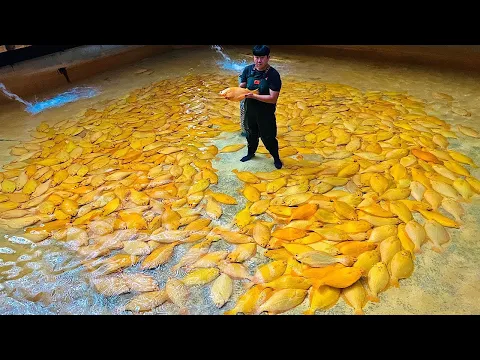
In this species, the country is an absolute world leader, with 40 to 45 thousand tons annually produced in high-density coastal farms. It is a fish valued in premium markets in Asia, especially in Japan and Europe, often sold in high-standard sashimi.
Its production relies on:
- Coastal nurseries with continuous flow
- Marine recirculation systems
- High sanitation standards
- Controlled feeding
- Low mortality rate
It is a classic example of how Korea combines scale, technology, and high-value species.
“Smart Aquaculture”: When Korea Transforms Nurseries into Futuristic Laboratories
The country may not be the largest producer of fish, but it is, without a doubt, one of the most advanced in technology applied to the sea.
Korea has invested billions in:
- Underwater IoT systems
- Salinity, oxygen, and temperature sensors
- Submersible inspection robots
- AI models to predict productivity
- Integrated remote monitoring centers
The Ministry of Oceans and Fisheries (MOF) and the Korea Institute of Ocean Science & Technology (KIOST) operate demonstration centers where fish farms simulate fully automated environments—technology now exported to several Southeast Asian countries. This is why experts call the country the Silicon Valley of marine aquaculture.
Seaweed and Oysters Represent More Than 80% of the Entire Korean Aquaculture and This Is Not a Coincidence
Korea is a mountainous country, with few flat areas and little freshwater available. That is why traditional aquaculture—carp, tilapia, catfish—has not found land to grow like in Vietnam or China.
But the sea offered space. The southern and southwestern coast of the country forms an intricate system of islands, bays, channels, and shallow waters perfect for:
- Floating structures
- Long-lines
- Suspended cultivation
- Semi-closed nurseries
Result: 80% of the country’s production comes from the sea, while only 20% comes from traditional aquaculture. This specialization has transformed the country into a global reference.
The Future: Megaprojects of Offshore Aquaculture and Expansion to Bioproducts
The Korean government has already announced:
- The creation of offshore ocean farms with wind + aquaculture integration
- The expansion of the seaweed bioplastics market
- The development of alternative proteins derived from macroalgae
- Projects for cultivating tropical species in closed systems
- Technology exports to the Emirates, Indonesia, and Vietnam
In other words: Korea wants not only to produce. It wants to lead the technological revolution of global aquaculture.
Why This Issue Goes Viral in Brazil?
Because it brings together:
- Productive gigantism
- Little-known species
- Impressive numbers
- Futuristic technology
- Global comparisons
- Information that generates immediate curiosity
The Brazilian public, especially on engineering, agri, energy, and economy portals, tends to click on content that combines industrial scale + technology + unexplored world.







Seria otimo se pudesse ser replicado no Brasil, mas pense no investimento (caríssimo por causa dos impostos) mão de obra (caríssima pelo mesmo motivo e desqualificada), na venfa com altos impostos e a Vigilância Sanitária. Some a tudo isso a bur cara e os roubos. Da pra desistir.
Aqui no Brasil seria impensável. Tem a Marina, ibama, e vários capetas pra impedir e criar obstáculos.
Incrível está tecnologia seria possível aplicar aqui , maravilha hein?!!