





 English
  Francês
  Alemão
  Italiano
  Japonês
  Norueguês
  Portuguese
  Spanish
  2 min of reading


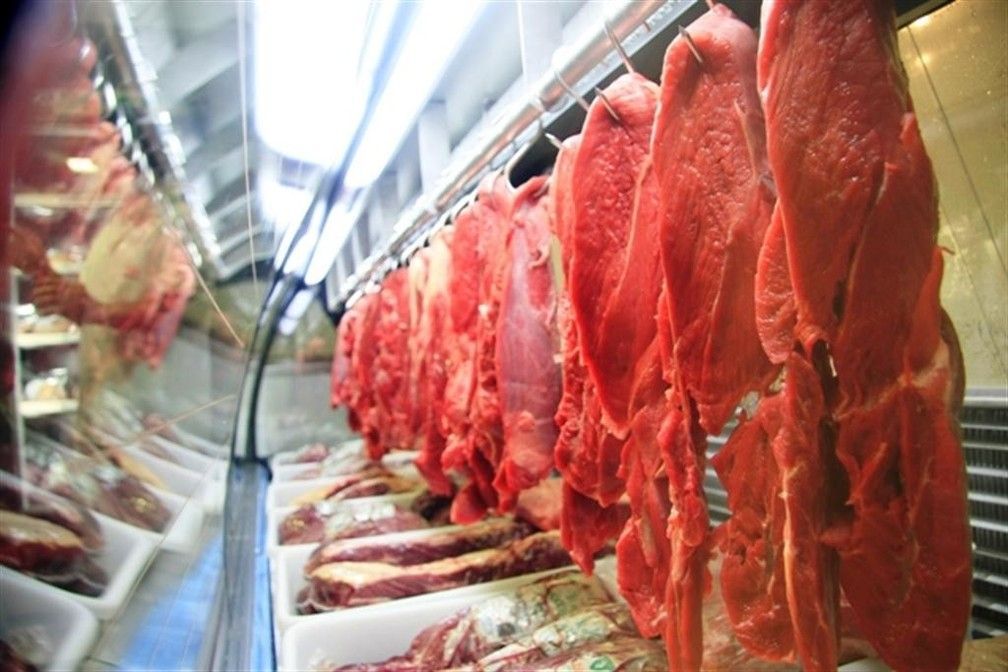
Despite Congestion at Chinese Ports Due to Disease, Brazilian Slaughterhouses Say Meat Exports Are Being Delivered Normally
With the new coronavirus, many events have raised concerns in the economy, not only in Brazil but around the world. Despite this, even with the congestion at Chinese ports due to the disease, Brazilian slaughterhouses report that meat exports and deliveries to the country are being conducted normally.
- Government and Klabin Sign Contract Tomorrow for Exploration of Area for Cellulose Movement in Paraná
- Vale’s Cargo Ship Carrying Minerals to China Is Damaged and May Sink Off the Coast of Maranhão
- Oil Giant Ipiranga Opens Job Vacancies in Rio de Janeiro and São Paulo
ABIEC (Brazilian Association of Meat Exporting Industries) reported that due to congestion at Chinese logistics centers, it has not received any information from its members about beef exports being redirected to ports in other countries. According to ABPA (Brazilian Animal Protein Association), there are delays related to the release of refrigerated products at Chinese ports.
-
Unemployment rises again to 5.8% at the beginning of 2026, raising alarms about the end of temporary positions and its impact on the Brazilian job market.

-
Document organization can cut invisible costs in small businesses, a simple step that prevents waste, rework, and losses in daily operations.

-
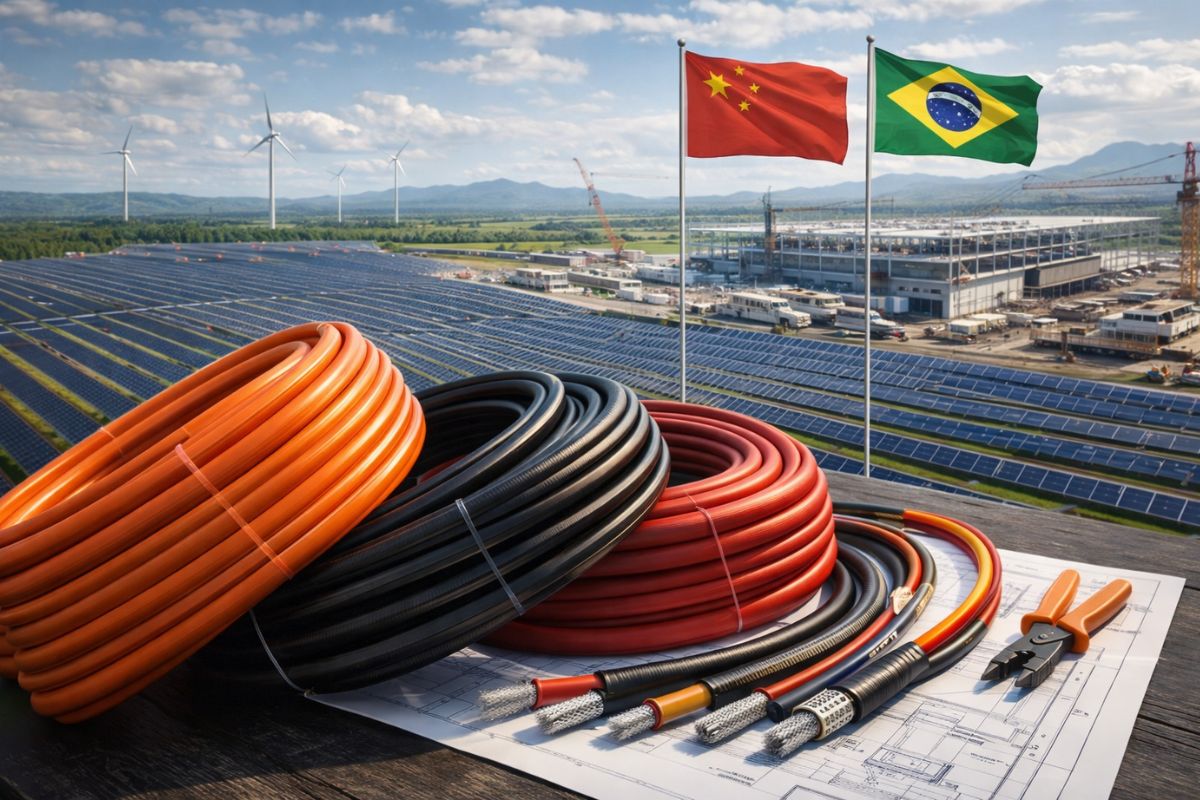
Chinese giant worth nearly R$ 4 billion that manufactures cables for electric cars, solar energy, and robotics wants to open a factory in SC.
-
Many employers do not know, but the law guarantees domestic workers a 25% increase in salary during trips, 50% for overtime, 20% for night shifts, and 17 additional benefits that can lead to labor lawsuits if not paid.

Due to the established epidemic, the country is struggling to return to normal operations, considering that the consequences of the coronavirus mainly affect logistics chains and container transport lines. Maersk, the world’s largest container company, reported that the virus would affect its earnings.
Frozen chicken container exports from the United States to China had to be diverted to ports in other countries. The cause is the lack of space for such containers, which need to be connected to electricity after being unloaded to maintain the temperature and condition of meat and other foods.
BRF, one of the largest Brazilian food producers, stated that “The volumes produced by the company destined for China are being shipped normally,” adding that it is not facing storage problems in Brazil related to Chinese port issues.







Seja o primeiro a reagir!