Portuguese
  Spanish



Despite Congestion at Chinese Ports Due to Disease, Brazilian Slaughterhouses Say Meat Exports Are Being Delivered Normally
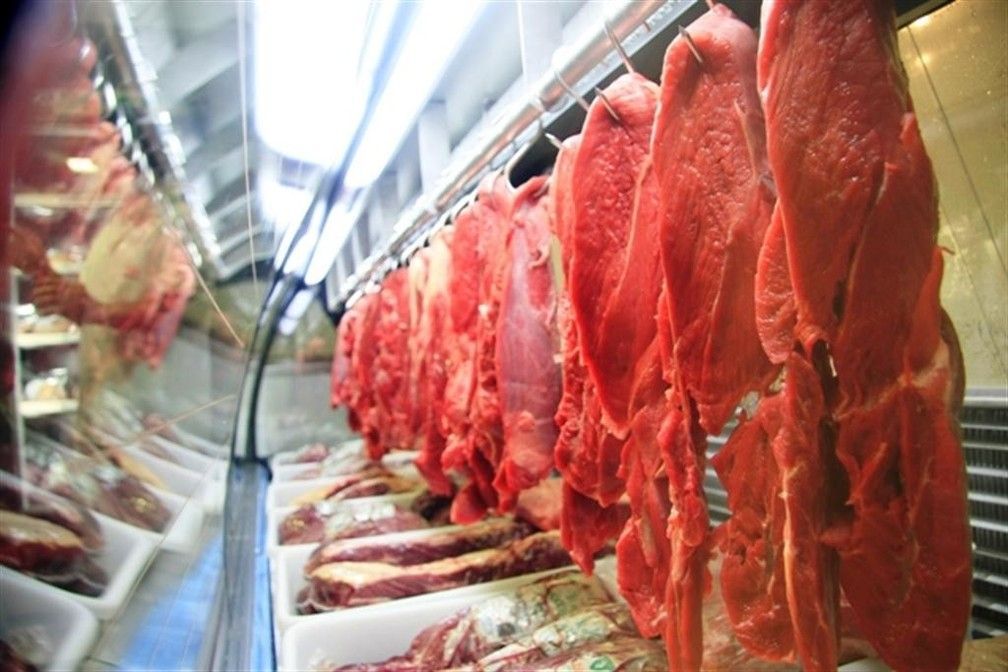
With the new coronavirus, many events have raised concerns in the economy, not only in Brazil but around the world. Despite this, even with the congestion at Chinese ports due to the disease, Brazilian slaughterhouses report that meat exports and deliveries to the country are being conducted normally.
- Government and Klabin Sign Contract Tomorrow for Exploration of Area for Cellulose Movement in Paraná
- Vale’s Cargo Ship Carrying Minerals to China Is Damaged and May Sink Off the Coast of Maranhão
- Oil Giant Ipiranga Opens Job Vacancies in Rio de Janeiro and São Paulo
ABIEC (Brazilian Association of Meat Exporting Industries) reported that due to congestion at Chinese logistics centers, it has not received any information from its members about beef exports being redirected to ports in other countries. According to ABPA (Brazilian Animal Protein Association), there are delays related to the release of refrigerated products at Chinese ports.
-
Brazil to Issue “Panda Bonds” in China, Aiming to Raise Up to 5 Billion Yuan at Lower Interest Rates Than Dollar Debt
-
NATO Faces Internal Tensions as U.S. Pushes for Increased Defense Spending, Targeting 5% of GDP by 2035, with Warnings for Countries Near 2% Level

-
Brazil to Introduce B16 Diesel with Increased Soybean Oil Content for Trucks by 2026
-
Brazil’s July Bolsa Família Payments May Include Extra $150 and $50 for Families with Children, Pregnant Women, and Updated CadÚnico Registration


Due to the established epidemic, the country is struggling to return to normal operations, considering that the consequences of the coronavirus mainly affect logistics chains and container transport lines. Maersk, the world’s largest container company, reported that the virus would affect its earnings.
Frozen chicken container exports from the United States to China had to be diverted to ports in other countries. The cause is the lack of space for such containers, which need to be connected to electricity after being unloaded to maintain the temperature and condition of meat and other foods.
BRF, one of the largest Brazilian food producers, stated that “The volumes produced by the company destined for China are being shipped normally,” adding that it is not facing storage problems in Brazil related to Chinese port issues.