





 Portuguese
  English
  Spanish
  4 min of reading
  0 comments


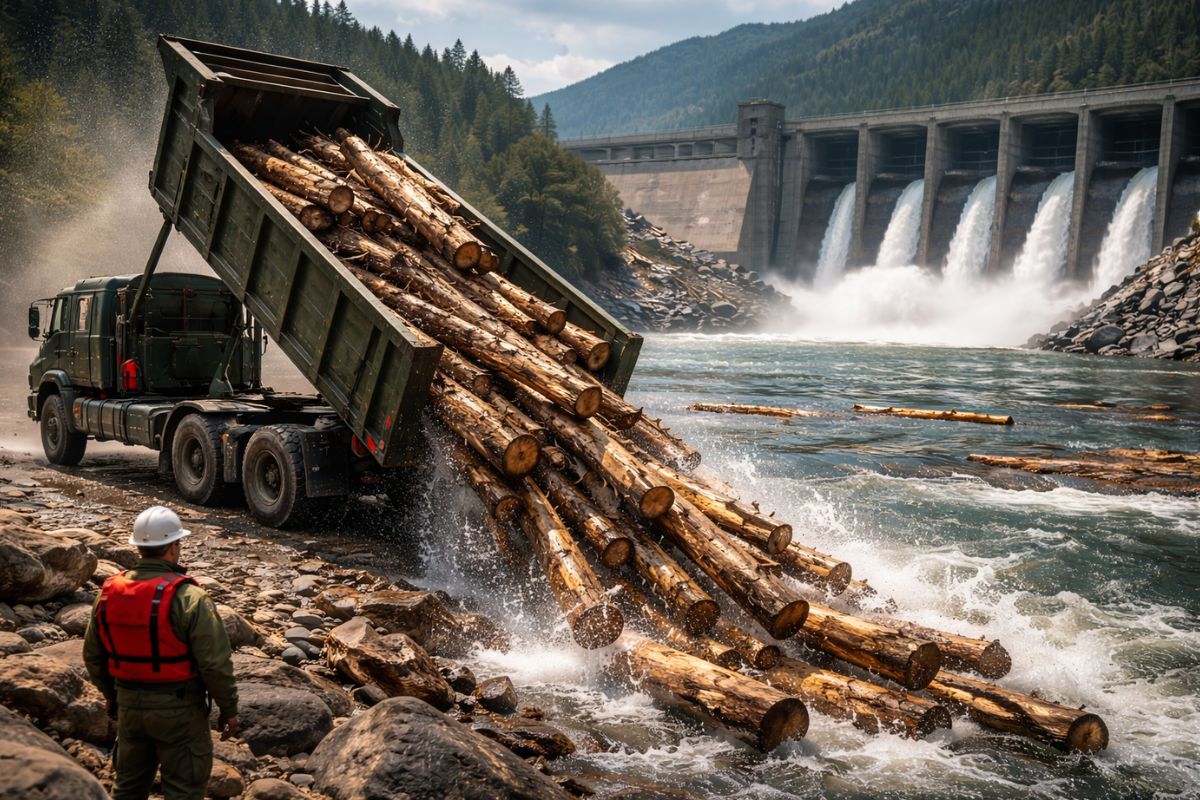
The Engineers From The USA Launched On May 7 The Second Large Wood Structure In The Kootenai River, In Montana, Trying To Replace Logs That The Libby Dam Failed To Send To The Natural System And Return Shelter And Flow
The engineers from the USA Returned To The Kootenai River With An Unusual Response To A Problem Created By The Infrastructure Itself: Dumping Large Logs Downstream Of The Libby Dam To Try And Return Part Of The Physical Complexity Lost Since The Early 1970s To The Watercourse.
The Operation Carried Out On May 7 Marked The Second Load Of Wood From The Project And Reinforced A Bet That Seems Simple, But Carries Broad Implications. Without The Natural Arrival Of Logs From The Reservoir, The River Was Deprived Of Shelter And Flow Diversity.
What The Dam Interrupted In The Kootenai

The Logic Of The Project Is Based On A Direct Observation. Since The Construction Of The Libby Dam In The Early 1970s, No Wood From The Reservoir Has Naturally Reached The River Downstream Of The Structure.
-
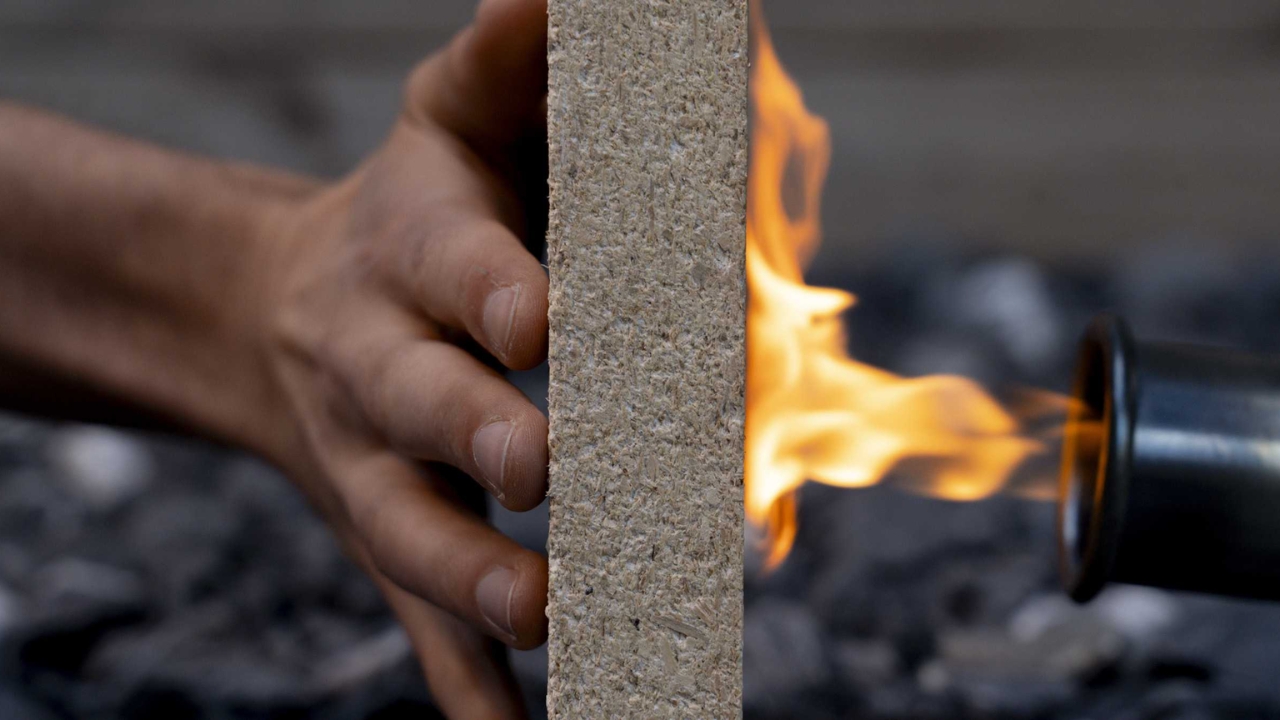
Scientists transform sawdust into fire-resistant panels, stabilize the compound with an enzyme extracted from watermelon seeds, and turn waste into promising material for construction.
-
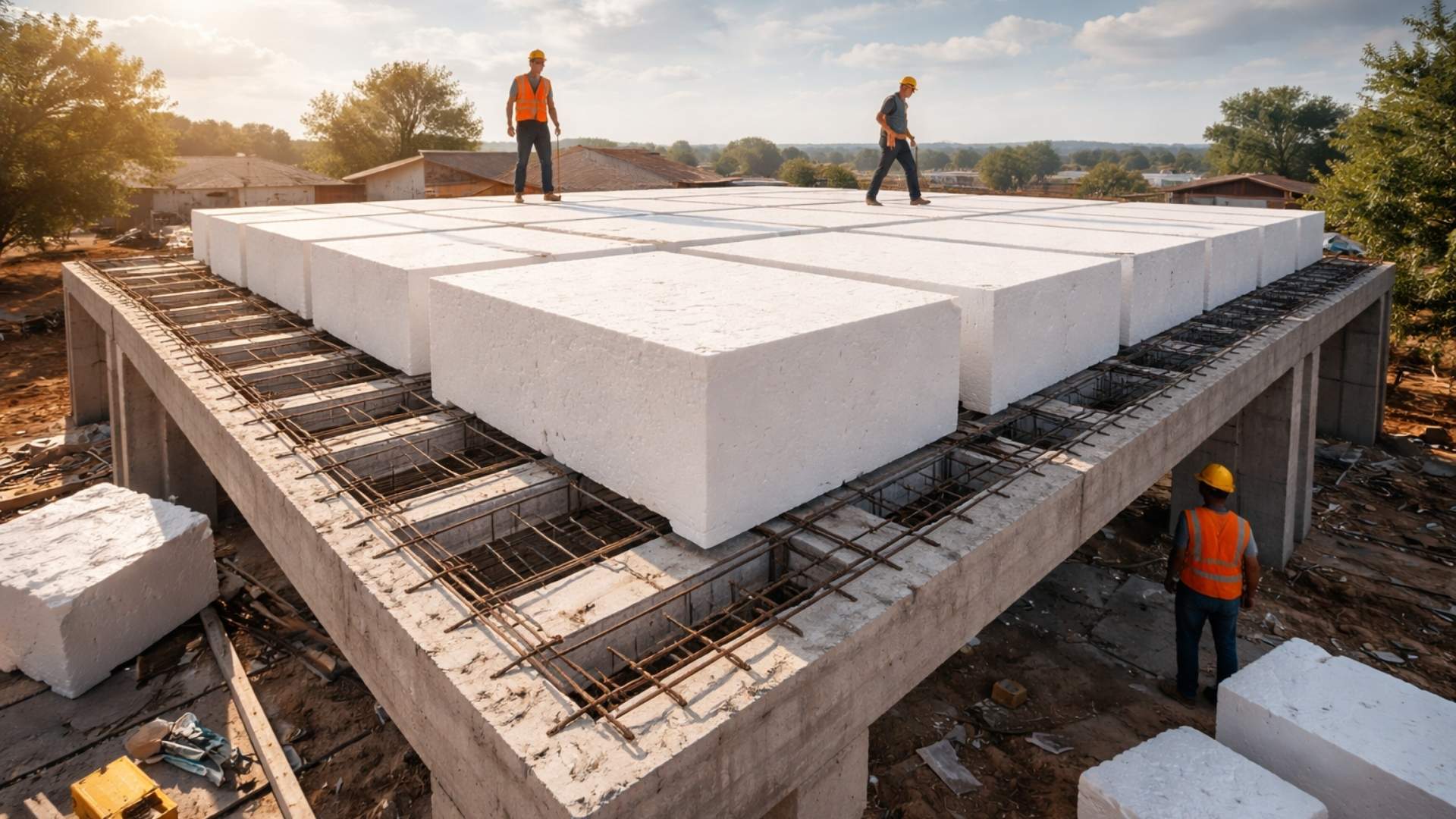
Forget concrete: architects are replacing tons of concrete with giant blocks of expanded polystyrene to build the roofs of houses and reduce structural weight by up to 50%, cut costs, improve thermal insulation, and speed up construction.
-
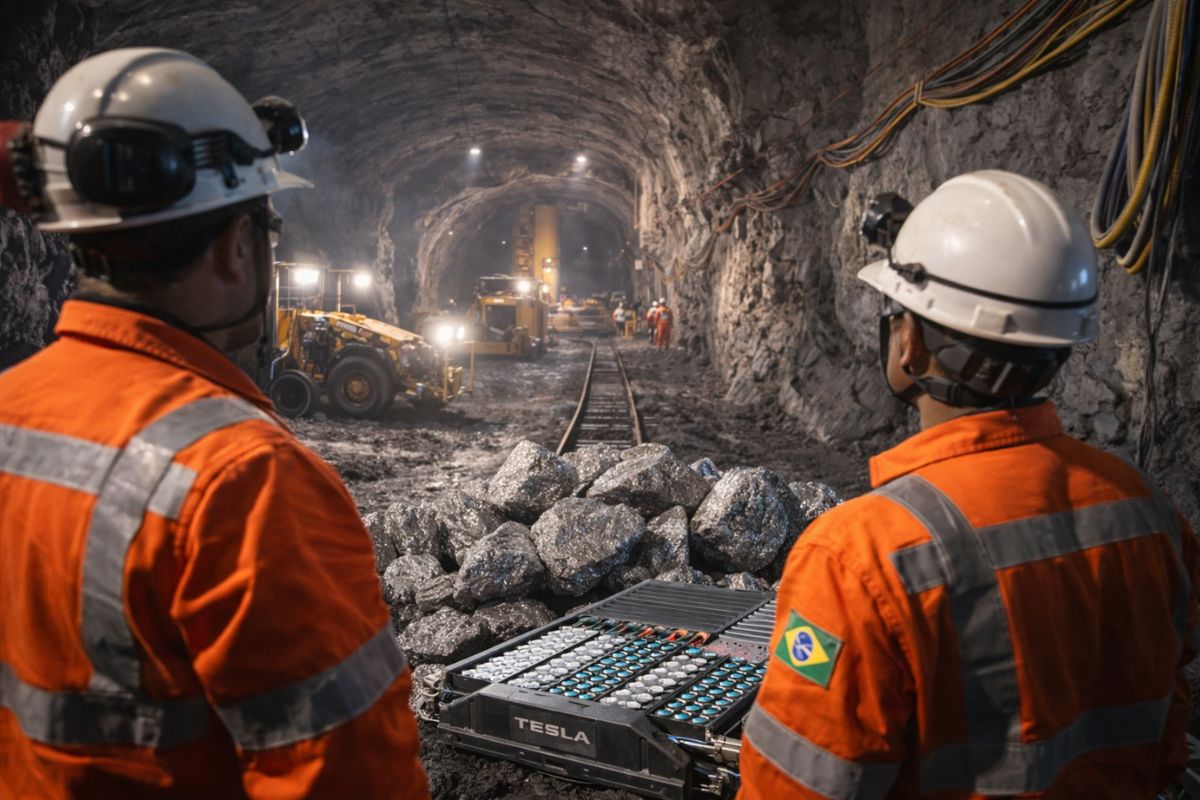
The Brazilian state enters the center of the global race for critical minerals by starting the construction of the largest underground nickel mine in Latin America, a mineral essential for electric car batteries that the entire world is competing for at this moment.
-
New CCR concrete paving technology promises roads up to 3x more durable, less maintenance, and cost reduction in Brazil.


This Blockage Interrupted An Ancient Ecological Process, In Which Large Logs Were Carried By Water, Accumulated At Strategic Points, And Helped Shape The River Environment.
Based On This Understanding, The Goal Became More Than Just Monitoring The Damage And Included A Concrete Attempt To Restore The Ecological Capacity Of The River.
The Choice Of Wood As A Tool Also Draws Attention Because It Avoids Heavier Interventions In The Channel. Instead Of Redesigning The River With Hard Engineering And Large Artificial Structures, The Responsible Parties Decided To Reintroduce An Element That Previously Arrived Through Natural Processes.
The Central Idea Is To Restore Ecological Function With A Method Closer To The River’s Original Behavior.
How The Return Of Logs To The System Works

The Project Is Part Of The Initiative To Supply Large Areas With Wood, Called Wood Is Good, Within The Engineering With Nature Program Of The U.S. Army Corps Of Engineers.
The Operation Consists Of Collecting Wood From The Reservoir And Transporting It Below The Dam, Allowing The Kootenai’s Current To Carry This Material Downriver.
This Detail Is Important Because The Goal Is Not Just To Deposit Logs In A Single Point And End The Work.
The Operation Also Aims To Be Less Invasive And More Cost-Effective, Two Decisive Criteria In Environmental Interventions That Depend On Scale, Maintenance, And Replication.
The Second Release Of Logs Shows That The Proposal Has Not Stopped At The Stage Of A Symbolic Test. There Is Continuity, Observation, And An Intention To Institutionalize The Method.
This Suggests That The Team Is Not Treating The Wood As An Isolated Gesture, But As A Permanent Component Of The River’s Ecological Management.
The Project That Influenced Libby And What It Taught
The Libby Dam Team Did Not Start From Scratch. The Work Was Inspired By The Large Log Feeding Project At The Howard A. Hanson Dam, An Experience That Served As A Practical Reference To Think Similar Initiatives In The Kootenai.
This Precedent Showed That The Planned Reintroduction Of Wood Can Produce Measurable Effects Over Time.
In The Case Of The Green River, Cited As A Model, The Total Number Of Log Accumulations In The Study Area Increased From 81 In 2001 To 174 In 2020.
This Jump Is Relevant Because It Suggests That The Wood Reintroduced Into The System Does Not Remain Static. It Begins To Interact With The Current, The Banks, And Other Elements Of The River, Enhancing The Formation Of Natural Structures.
It Was This Previous Experience That Encouraged The Libby Team To Build A Similar Program.
The Main Lesson Seems Clear: When The Dam Interrupts The Natural Transport Of Logs, Management Can Attempt To Reintroduce This Process In A Controlled Manner.
The Difference Between An Isolated Action And An Environmental Policy Lies There. The Case Of The Green River Provided The U.S. Engineers Not Only With A Technical Example But Also With An Administrative Argument To Advocate That Wood Feeding Can Be Integrated Into The Routine Management Of Dammed Rivers.
The Long-Term Plan And The Model They Want To Export
Zac Corum, Hydraulic Engineer From The Seattle District, Stated That The Long-Term Goal Is To Transform The Libby Dam Into The Home Of A Permanent Program For Managing Large Areas Of Wood For The River’s Feeding.
This Changes The Size Of The Ambition. It Is No Longer Just About Improving A Specific Stretch, But About Consolidating A Lasting Policy Of Ecological Restoration Based On Natural Processes.
The Intention Goes Beyond Montana. Corum Said That The Goal Is To Make The Project A Model For Other Districts Of The Army Corps Of Engineers, For Other Federal Agencies In The United States, And Even For Similar Initiatives In Other Countries.
In Other Words, Libby Wants To Stop Being Just An Intervention Site And Start Functioning As A Showpiece Of Method.
This Ambition Makes Sense Because Dams In Different Regions Of The World Produce Similar Effects On Rivers: They Interrupt Flows, Retain Sediments, Alter Temperatures, And Block The Natural Transport Of Wood.
If The Method Proves Consistent, It Can Become Attractive Precisely For Combining A Low Degree Of Invasiveness With A Strong Ecological Appeal.
Without Continued Ecological Results, The Idea Remains Ingenious; With Results, It Can Become A Replicable Public Policy.









Seja o primeiro a reagir!