





 Português
  Inglês
  Espanhol
  3 min de leitura
  0 comentários


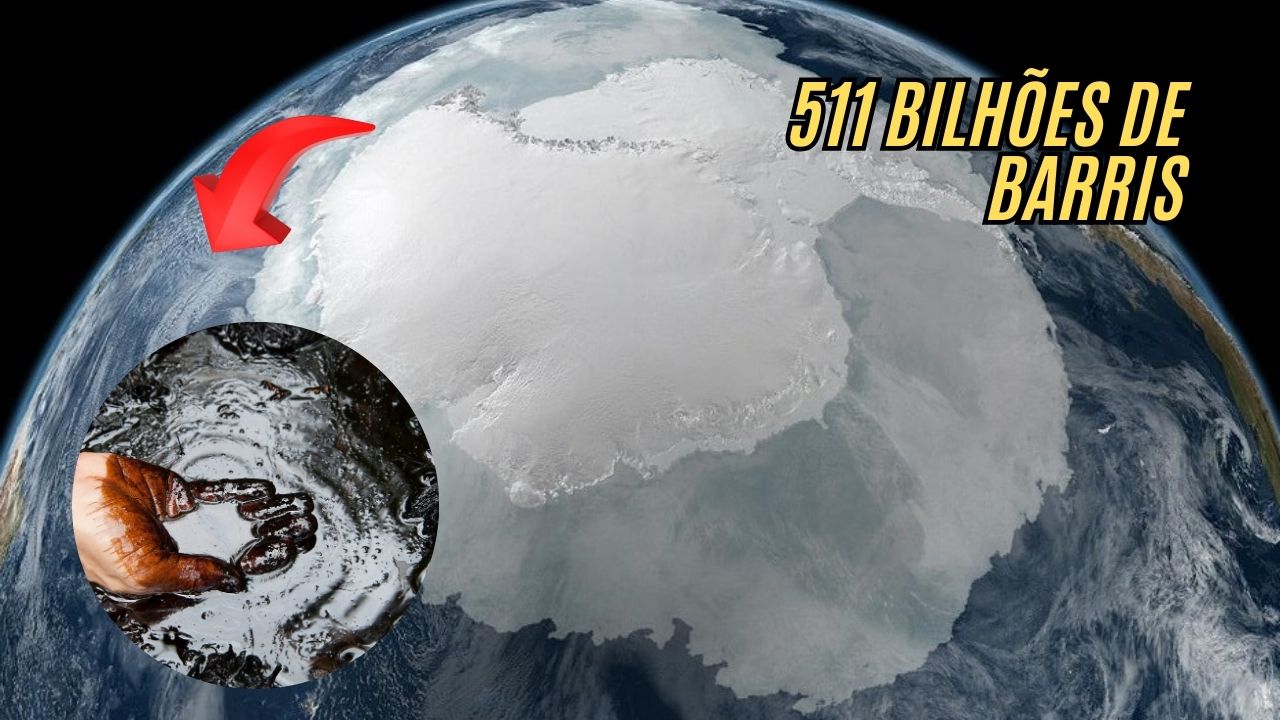
While The World Debates The Future Of Antarctica, Countries Race To Secure Their Presence On The Coldest Continent On The Planet. The Beginning Of A Race For The World’s Largest Oil Reserve
In the geopolitical landscape of 2024, Antarctica has gained unexpected prominence after Russia announced the discovery of the world’s largest oil reserve, estimated at 511 billion barrels, nearly double the proven reserves of Saudi Arabia.
This immeasurable wealth has placed the frozen continent at the center of a global dispute. Although commercial exploitation is prohibited by the Antarctic Treaty, which expires in 2048, the race to build in Antarctica has already begun, with world powers moving to consolidate their influence.
With temperatures reaching -89°C and winds up to 320 km/h, constructing any infrastructure on site is a challenge of titanic proportions. However, the promise of exploring the world’s largest oil reserve is motivating countries like Russia, the United States, China, and even Brazil to strengthen their scientific bases, in a competition that blends science, geopolitics, and economic interests.
-
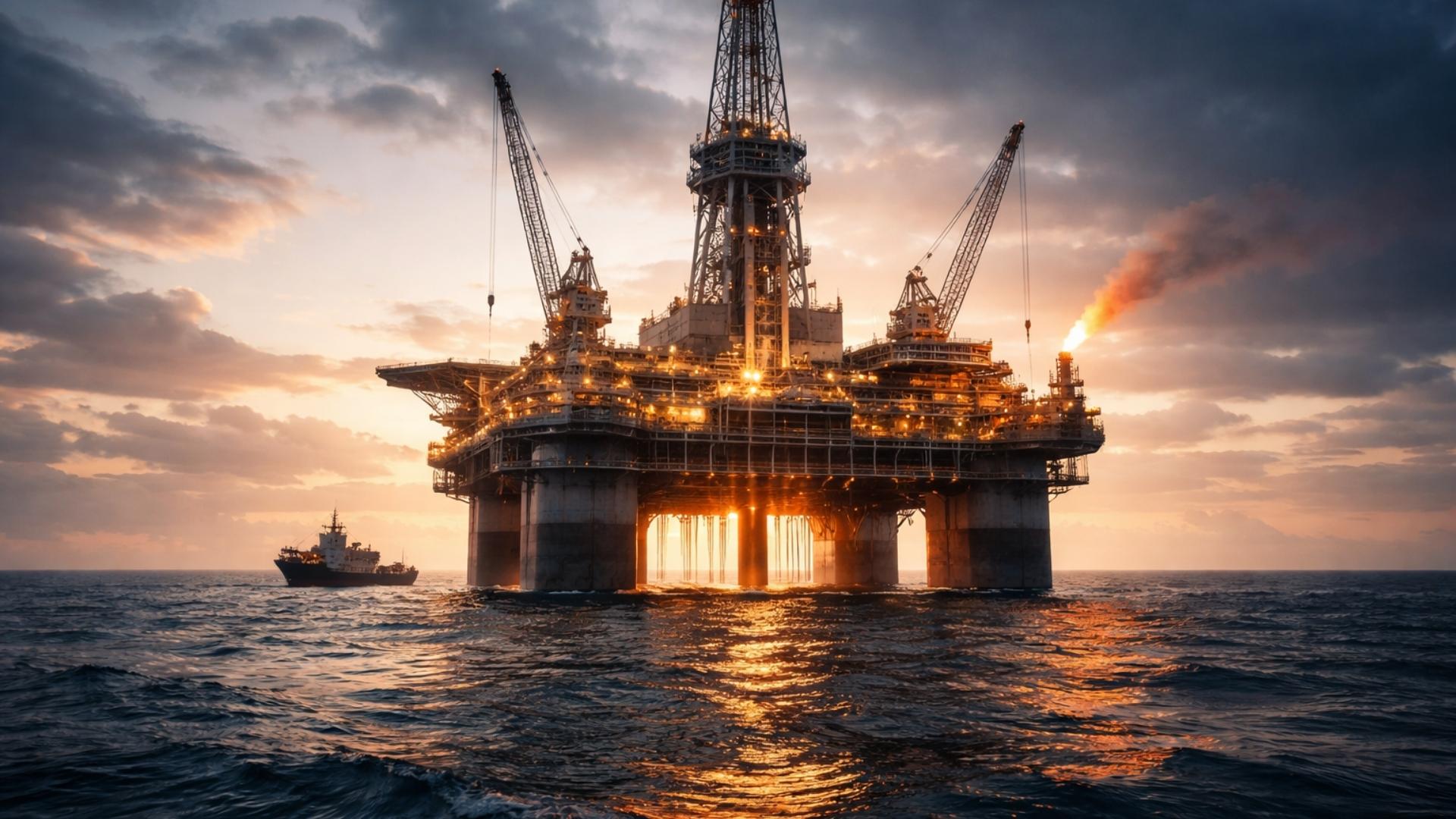
Petrobras surprises the world again by announcing a new discovery in the pre-salt with excellent quality oil.
-
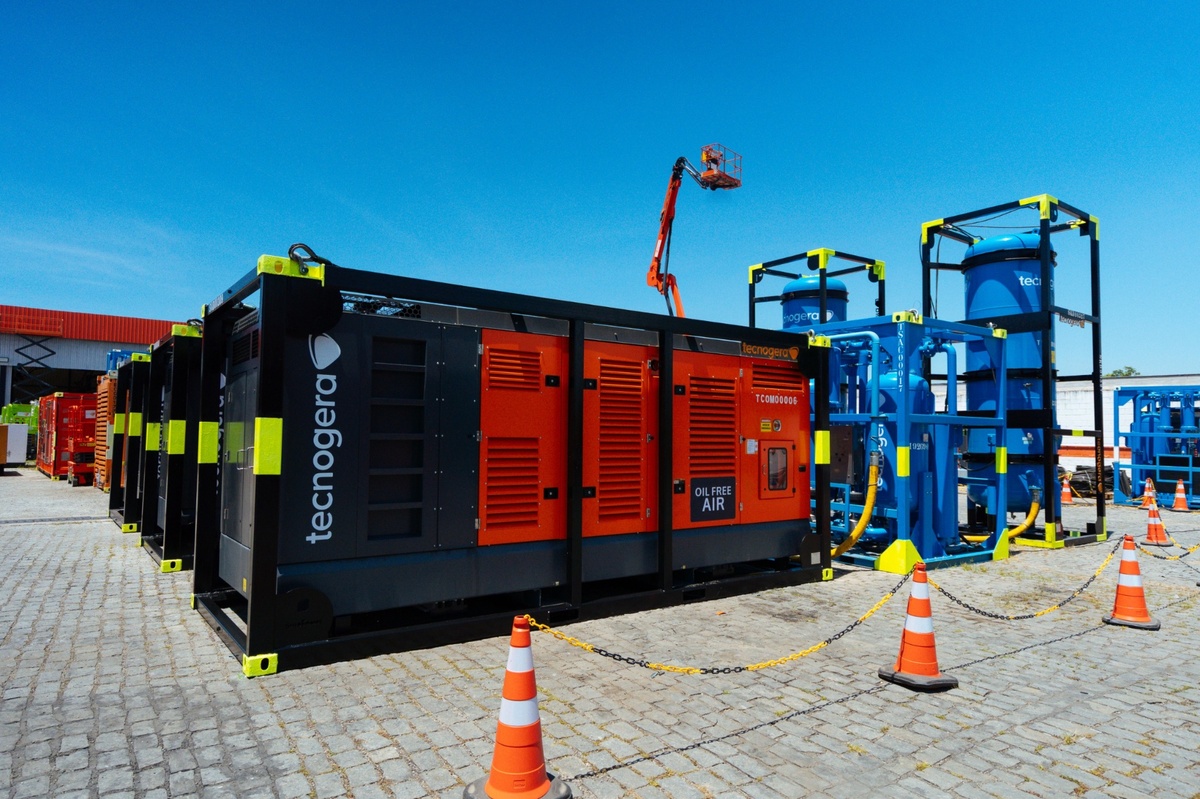
Offshore industrial demand in Macaé skyrockets with the recovery of oil and gas and could grow by up to 396% by 2026 in the Campos Basin.
-
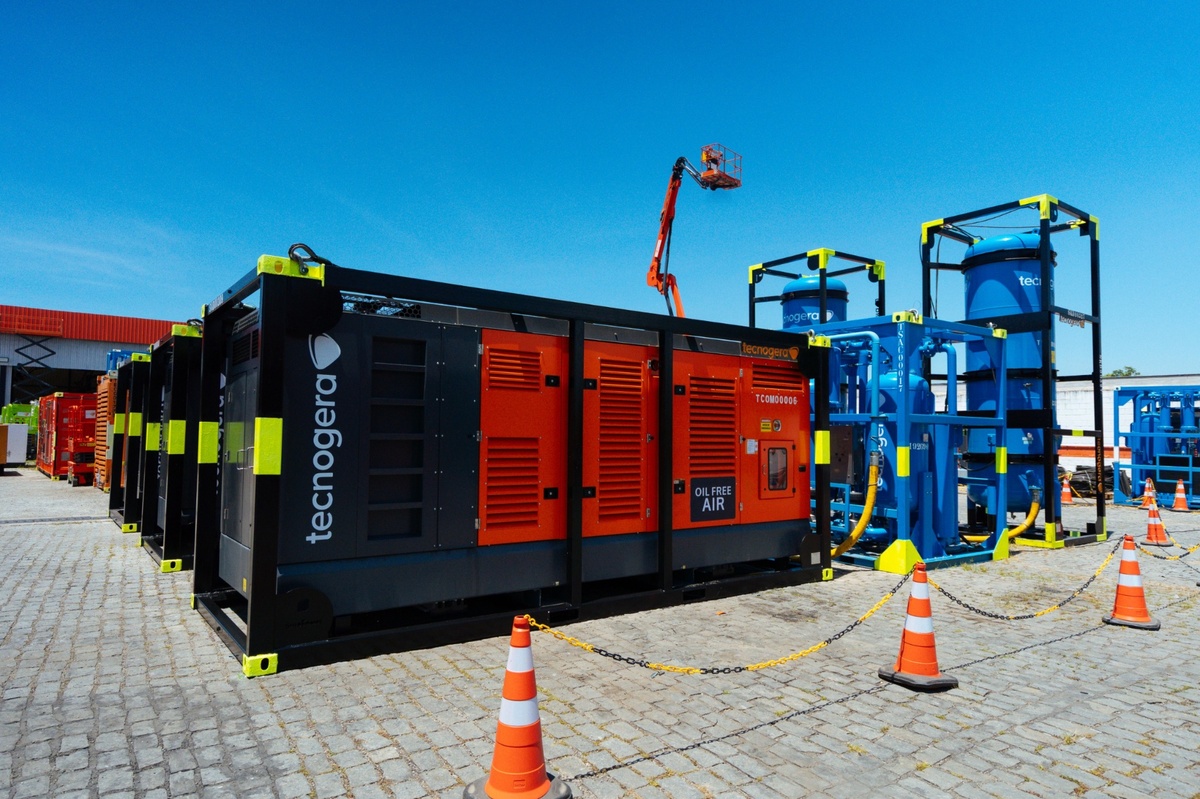
Offshore industrial demand in Macaé surges with the recovery of oil and gas and could grow by up to 396% by 2026 in the Campos Basin.
-
Brazilian giant expands borders in the Southeast: Petrobras confirms new oil discovery in ultra-deep waters in the pre-salt of the Campos Basin.


A History Of Conflicts And Agreements
Since the end of World War II, Antarctica has been the scene of expeditions and theories that mix science and conspiracy. The Antarctic Treaty, signed in 1959 by 12 countries, prohibits any military activity or commercial exploitation on the continent. It transformed the location into a natural laboratory for scientific research and international cooperation.
However, the treaty review deadline in 2048 is approaching, and many experts warn of increasing geopolitical tensions. Nations like Chile and Argentina are reinforcing their claims, while Russia and China are investing in advanced infrastructure, indicating that the battle for the world’s largest oil reserve is already underway, even under legal restrictions.
The Complexity Of Construction In Antarctica
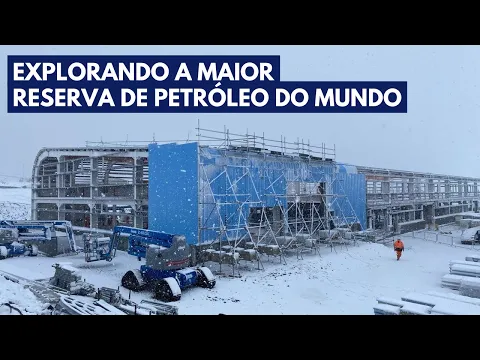
Construction in Antarctica requires an unprecedented logistical and technological operation. Projects like the Discovery Building from the United Kingdom showcase the difficulty of erecting structures that can withstand the extreme environment.
Expected to be completed in 2025, the building cost 372 million dollars and replaces six old constructions, consolidating scientific and operational functions in a single structure.
This example reflects the global effort to create modern bases that not only expand research capacity but also ensure strategic presence. The use of cutting-edge technologies, such as heat recovery systems and triple-glazed insulating windows, is essential to face the severe conditions. The logistics involve transporting materials during the short Antarctic summer, and any delay can be catastrophic.
The Wealth And Risks Of The World’s Largest Oil Reserve

The Russian discovery has brought to light not only the race for oil but also the interest in natural gas and rare minerals, essential for modern technologies. However, exploring the world’s largest oil reserve in Antarctica would have irreversible environmental impacts. Oil spills in such a sensitive area could threaten the global ecosystem, further exacerbating climate change.
Despite this, global geopolitics places economic interests above environmental concerns. Russia, China, and even countries with environmentalist traditions, like Brazil, are expanding their bases on the continent, indicating that exploitation is inevitable if the treaty is not renewed or tightened.
As the dispute intensifies, the balance between science and commercial exploitation becomes increasingly tenuous. Building in Antarctica is a strategic tool that may determine who will have access to the world’s largest oil reserve in the future. Science is advancing, but geopolitical tensions are also rising, showing that Antarctica will be one of the greatest challenges for international cooperation in the coming decades.








Seja o primeiro a reagir!