





 Portuguese
  English
  Spanish
  3 min of reading
  1 comment


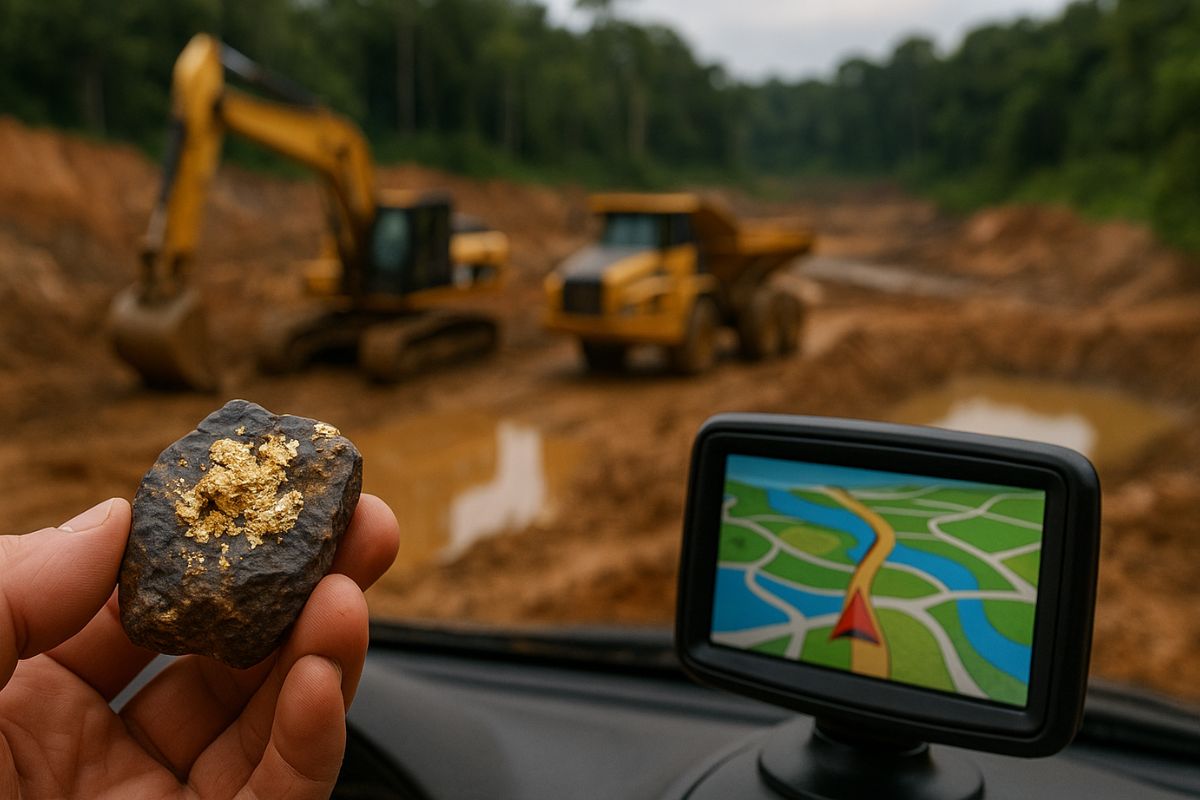


Brazilian Geological Survey Report Highlights 94 Gold Deposits With Exploration Viability and Rekindles Debate About Economic and Environmental Impacts in the Country
The Brazilian government mapped 94 gold deposits with high exploration potential in various regions of the country, especially in the Legal Amazon. This information is included in the report “Mineral Economy of Gold,” published by the Geological Survey of Brazil (SGB), which aims to support future private investments and increase national gold production.
Contrary to what has been reported in some headlines, these are not new discoveries. The report consolidates existing geological and geochemical data, pointing out 94 gold deposits in districts with favorable characteristics for mining — without necessarily representing proven reserves. The focus is on attracting capital and guiding public policies for sustainable mining.
Most Deposits Are in the Northern Region
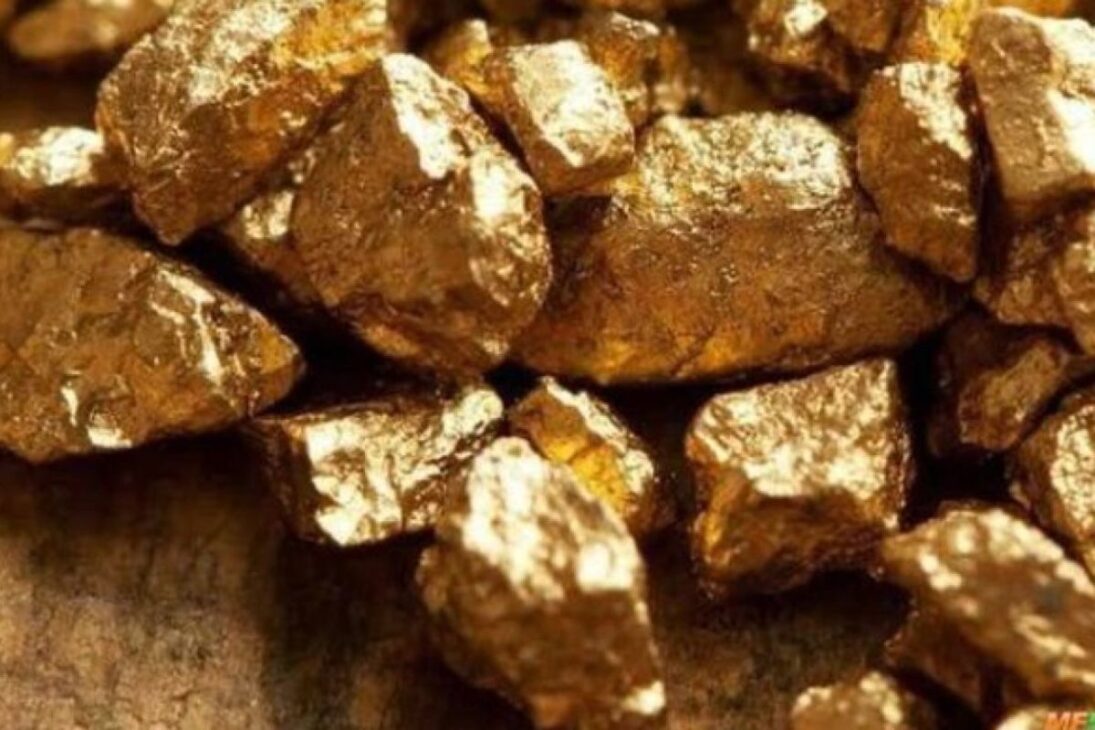
The SGB survey identified 94 gold deposits distributed across 20 Brazilian states, with over 80% concentrated in the Legal Amazon. Pará leads the ranking with 51 mapped areas, followed by Amazonas, Roraima, Rondônia, and Amapá. There are also areas in traditional mining states such as Minas Gerais, Goiás, and Bahia.
-
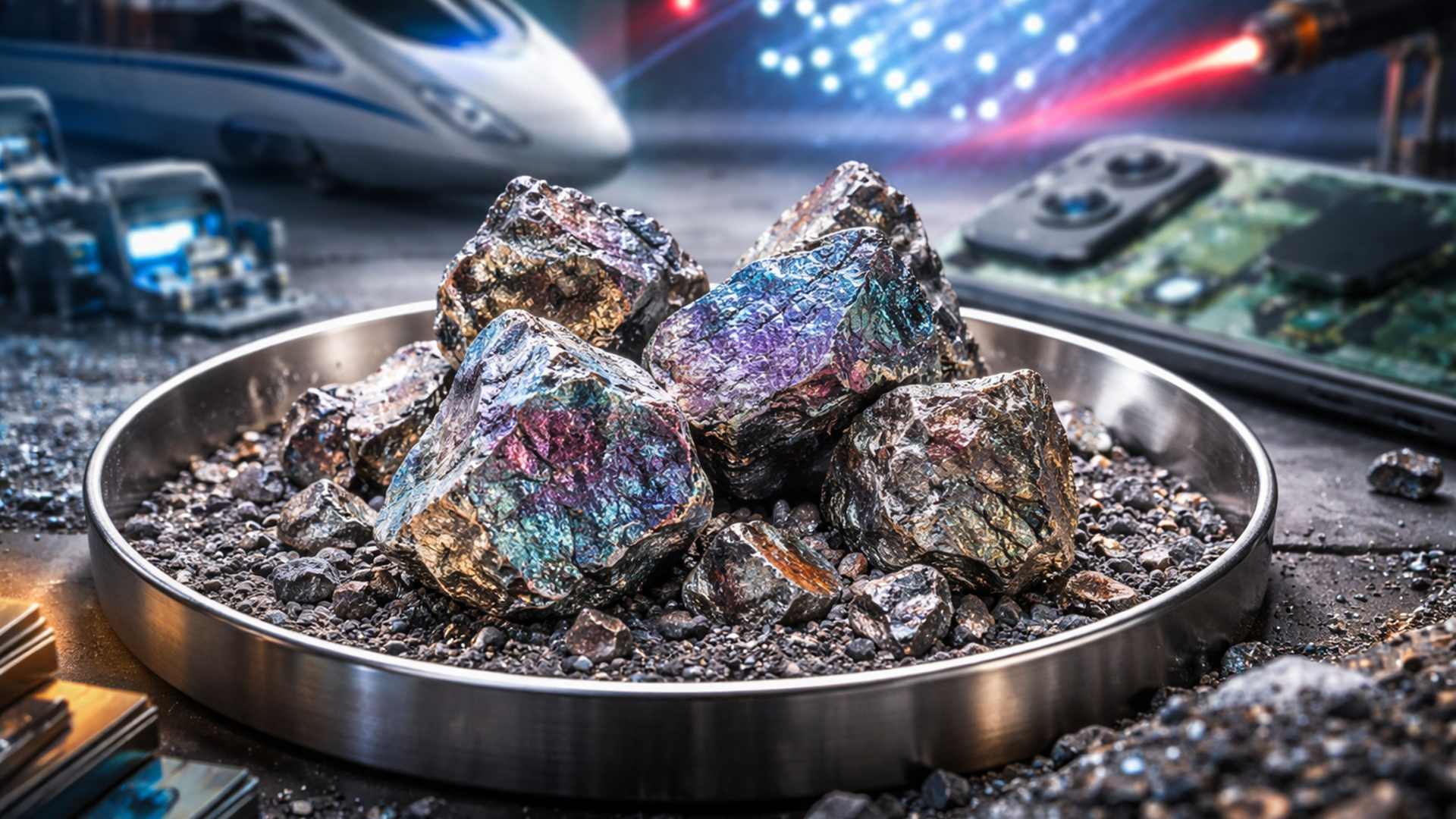
Rare earths are in everything, from cell phones to bullet trains, and what almost no one realizes is why they have become the target of such a delicate global war.
-
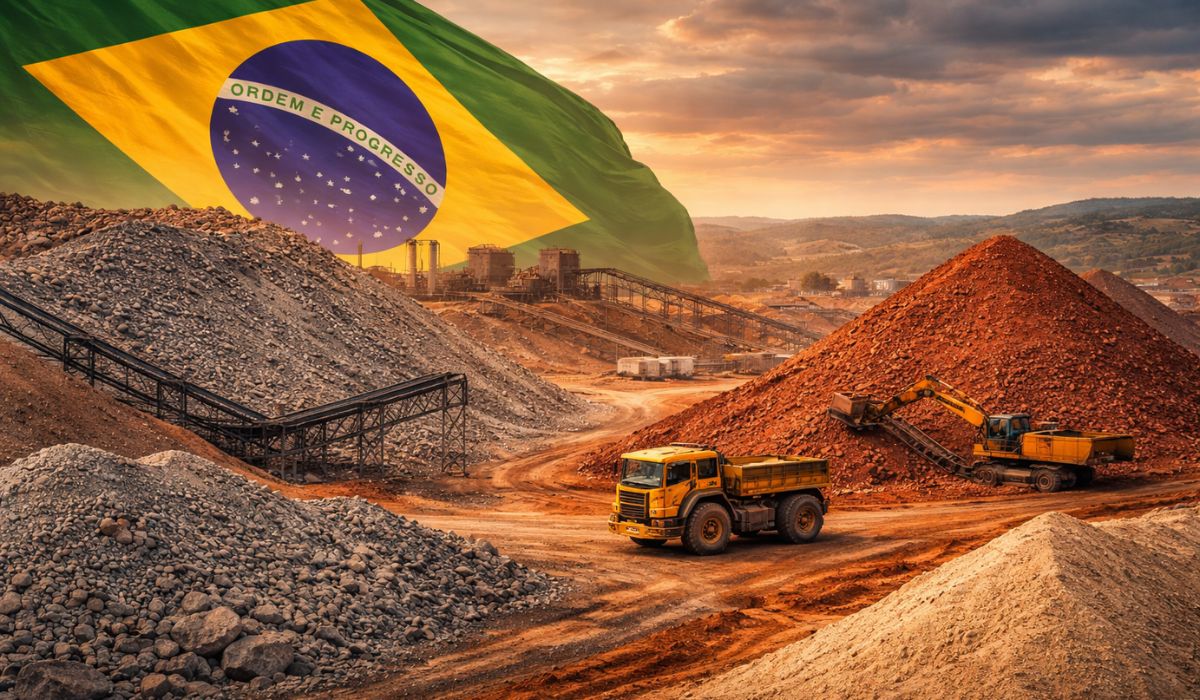
Brazil extracts 26.3 million tons of ore from what was previously treated as waste, transforming residues into wealth, producing over 3 million tons of sand, and demonstrating how national mining is relearning to generate value.
-
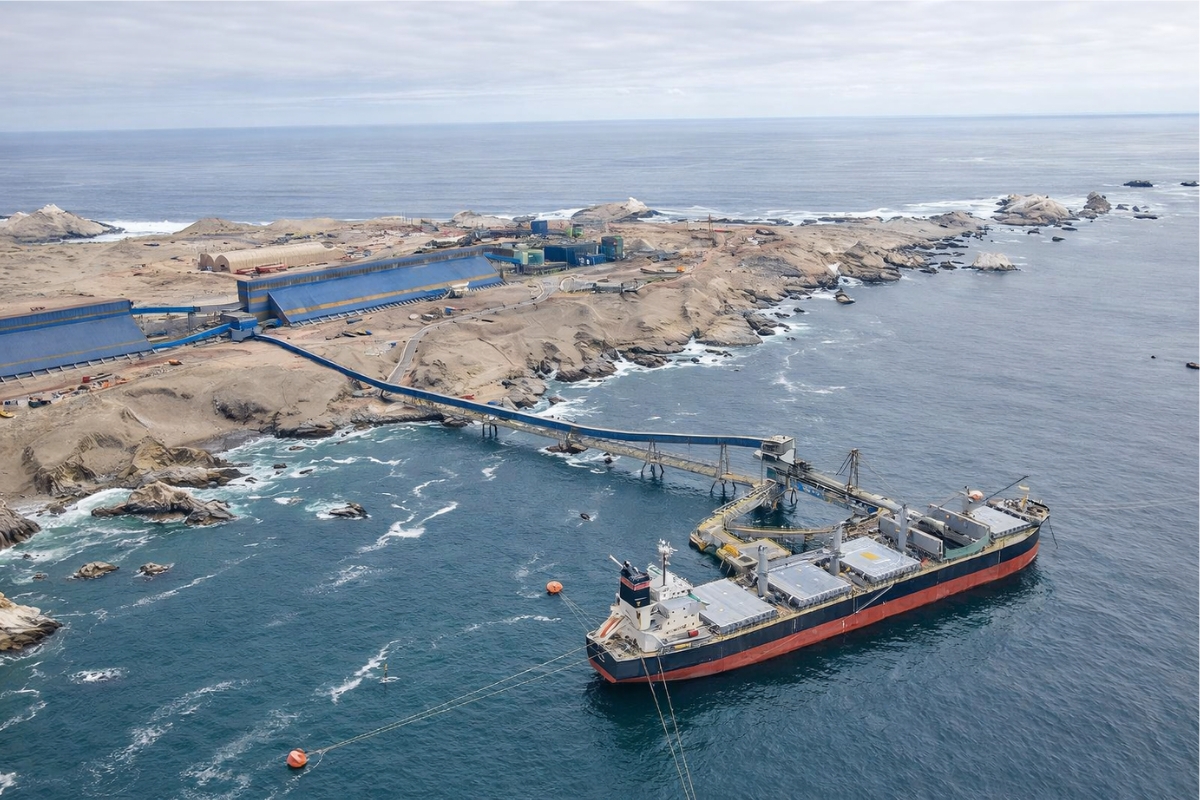
A $3.5 billion megaproject in Latin America pumps desalinated seawater at 1,050 liters per second over 194 km to keep a copper supermine in the Andes operational for another 20 years.
-
A hidden mine in the Andes valued at nearly R$ 1 trillion is starting to attract global attention, containing copper, gold, and silver, and raises an intriguing question: why do Argentina and Chile need to act together to exploit this gigantic wealth?
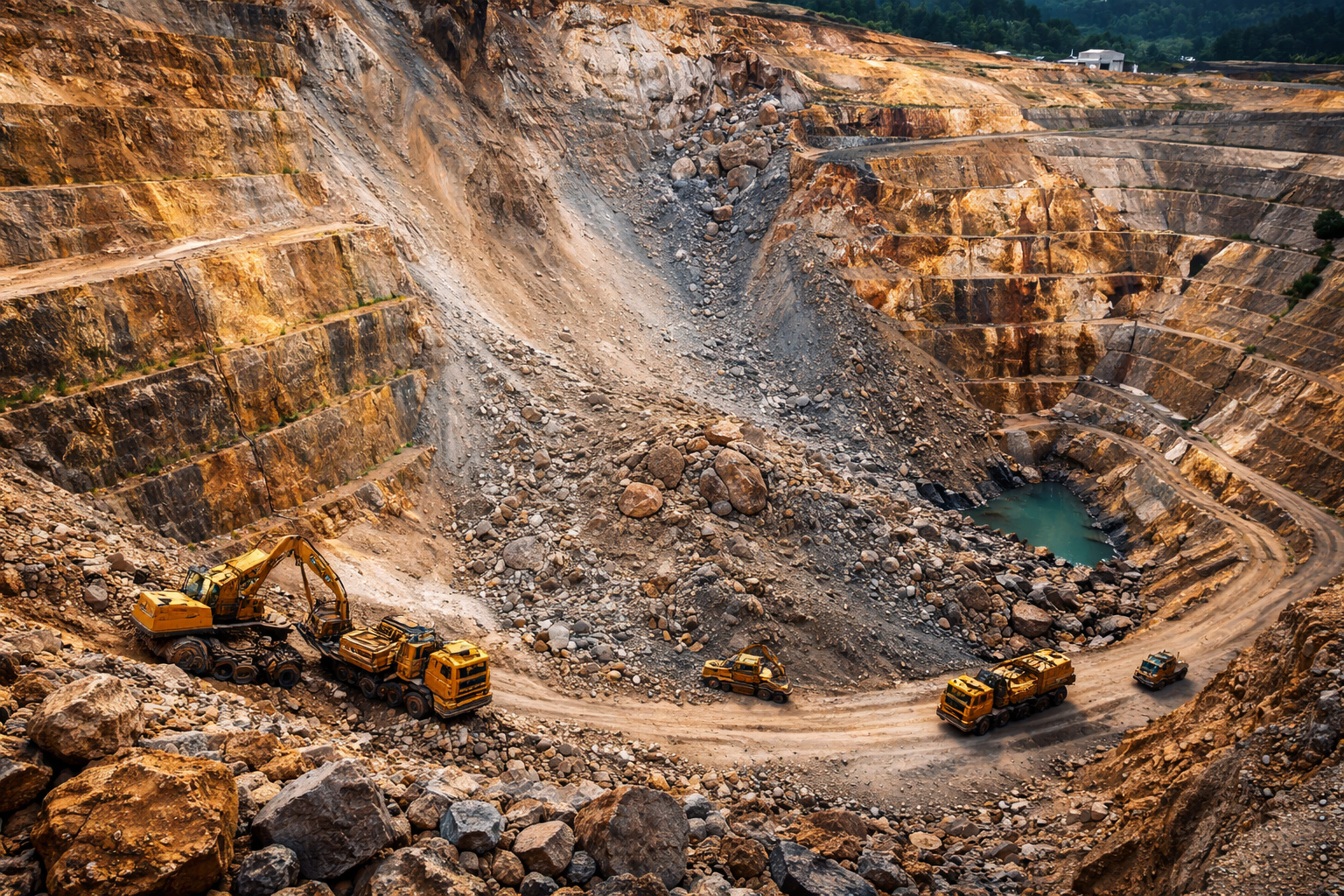

The deposits include primary veins in greenstone belts, alluvial gold, and geological formations associated with the Amazon Craton. Studies suggest that, if explored in a planned manner, these areas could add up to 30 tons annually to national production — an increase of nearly 28% compared to the 107 tons extracted in 2020.
Brazil Is the 7th Largest Gold Producer in the World
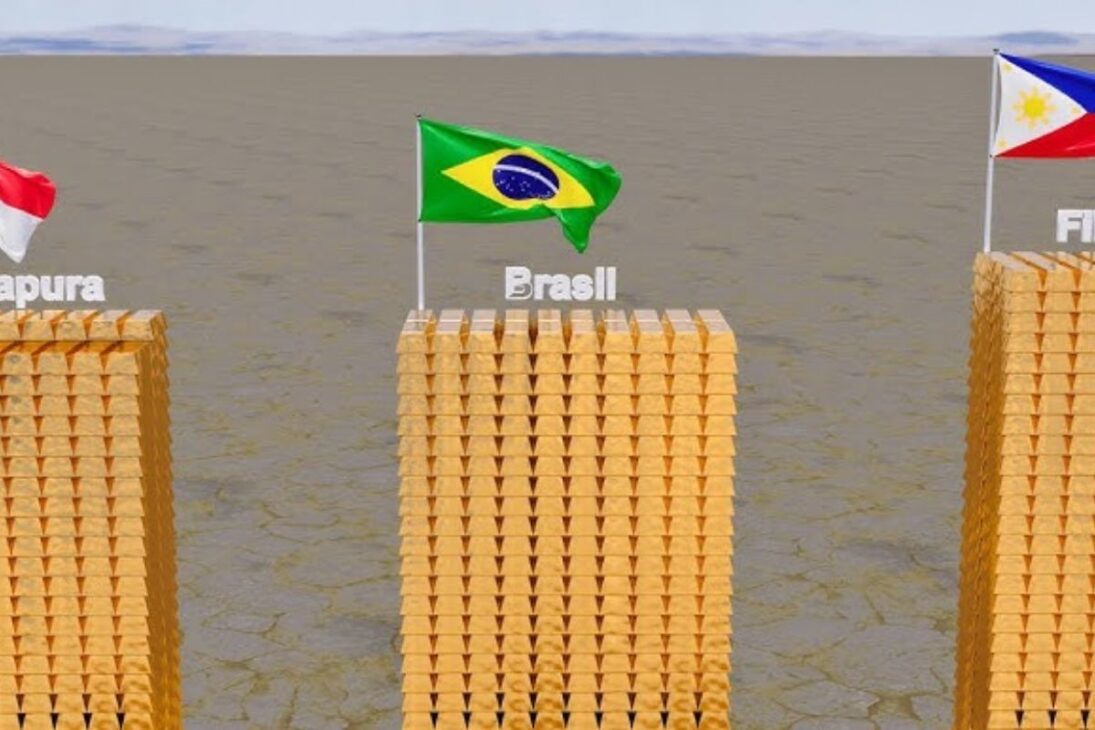
Currently, Brazil ranks 7th in the world for gold production, with 107 tons annually. Minas Gerais leads with 38.5 tons, followed by Pará (34 tons), Mato Grosso (14.6 tons), and Goiás (14 tons). With the mapped 94 gold deposits, the country could rise in the global ranking and generate billions in exports and royalties via CFEM (Financial Compensation for the Exploration of Mineral Resources).
According to the SGB, known reserves total 2,400 tons. If the current production pace is maintained, these reserves would be depleted in just over 20 years. The addition of new areas could extend this timeframe and strengthen Brazil’s trade balance.
Companies Are Already Monitoring Areas for Future Investments
Although there are no ongoing concessions for the 94 gold deposits, the market is already reacting to the report. Companies like Kinross Gold, Equinox Gold, Pan American Silver (formerly Yamana), Serabi Gold, and Aura Minerals are assessing projects in the mapped regions, primarily in Pará and Amapá.
In addition to multinationals, the Brazilian company Nexa Resources has shown interest in assets sold by BHP in 2025. According to the government, some of the areas will be included in future auctions of the Investment Partnership Program (PPI), with bidding expected to start in 2026.
Economic Growth May Come With Environmental Risks
The mapping of the 94 gold deposits represents a significant economic opportunity, especially for Northern Brazil, where unemployment rates are higher. Mining can generate jobs, increase municipal revenue, and boost infrastructure projects.
On the other hand, environmental entities and researchers warn of the risks. Studies from MapBiomas and Greenpeace show that legal or illegal mining areas have already caused deforestation of more than 1.2 million hectares in the Amazon between 2005 and 2023. There is also mercury contamination, conflicts with indigenous people, and an increase in environmental crimes in remote areas.
Gold Production Needs to Be Balanced With Sustainability
Experts advocate for the implementation of three-phase licensing, the use of clean technology, and digital monitoring to prevent growth in production from leading to environmental collapses. Gold is strategic for the Brazilian economy, but its exploitation must respect socio-environmental limits, especially in sensitive biomes like the Amazon.
The SGB report does not authorize any new mines. It merely provides technical data for future decisions to be made based on scientific evidence — and not just on immediate economic interests.
Do you believe Brazil should explore these 94 gold deposits to boost the economy, or do the environmental risks weigh more heavily? Comment and join the discussion.







Sim, sou inteiramente favorável à exploração. Impacto ambiental pode ser mitigado e prevenido.