





 Portuguese
  English
  Spanish
  7 min of reading
  0 comments


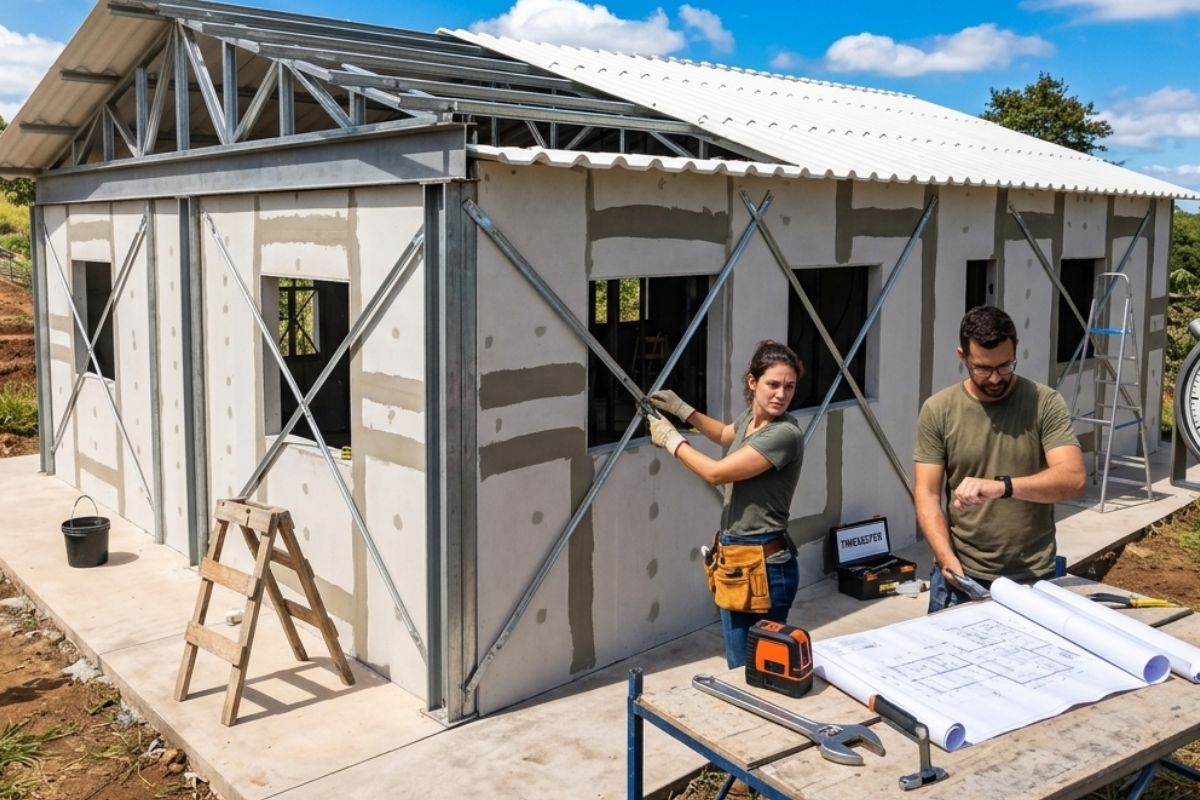
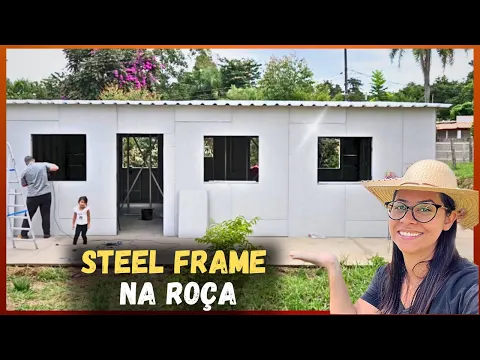
The couple from the YouTube channel Família Elias shows the construction in stages and explains what held up the structure: insulated sandwich panels, a beam over the bathroom, columns in the corners, and X-braces to stop the wall from moving.
The couple from the YouTube channel Família Elias lived their whole lives in the big city, decided to move to the countryside, and face their own construction project in steel frame, with a demanding routine, technical decisions along the way, and a deadline that doesn’t forgive: about 3 months in rental before needing to make the house livable. The construction progresses in stages, and each stage has a clear reason: to protect from heat, gain rigidity, and speed up progress without losing safety.
Throughout the process, the couple from Família Elias shows what works and what is challenging in practice, especially when the construction needs to hurry. Roof first to create shade, reinforcements later to stabilize the structure, window cuts in sequence, and finally, external closure with cement boards and the beginning of finishes.
Why the couple chose steel frame to build faster
Steel frame appears as a dry construction method, lightweight and with quick assembly, but it requires attention to fastening and reinforcement details.
-
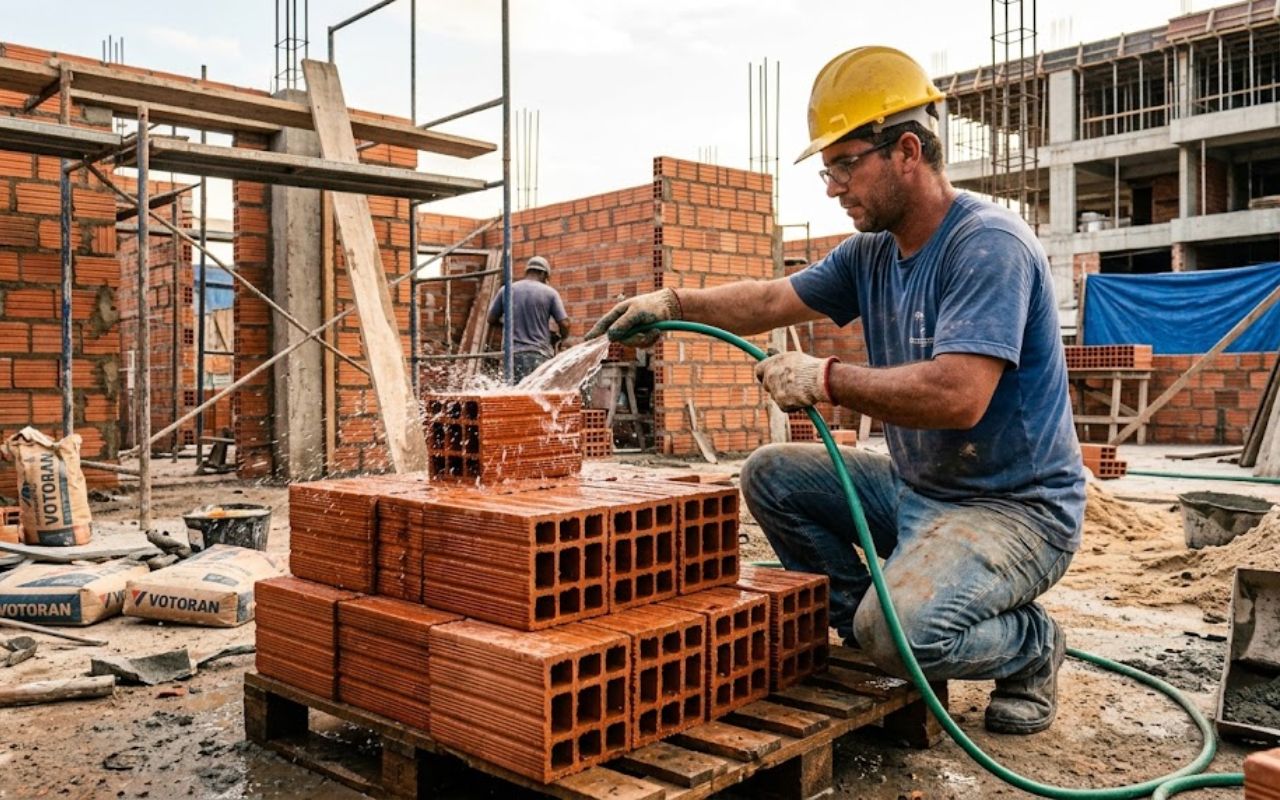
A simple technique of wetting the brick before laying it prevents cracks, improves the adhesion of the mortar, reduces fissures, and ensures stronger walls and more durable constructions.
-
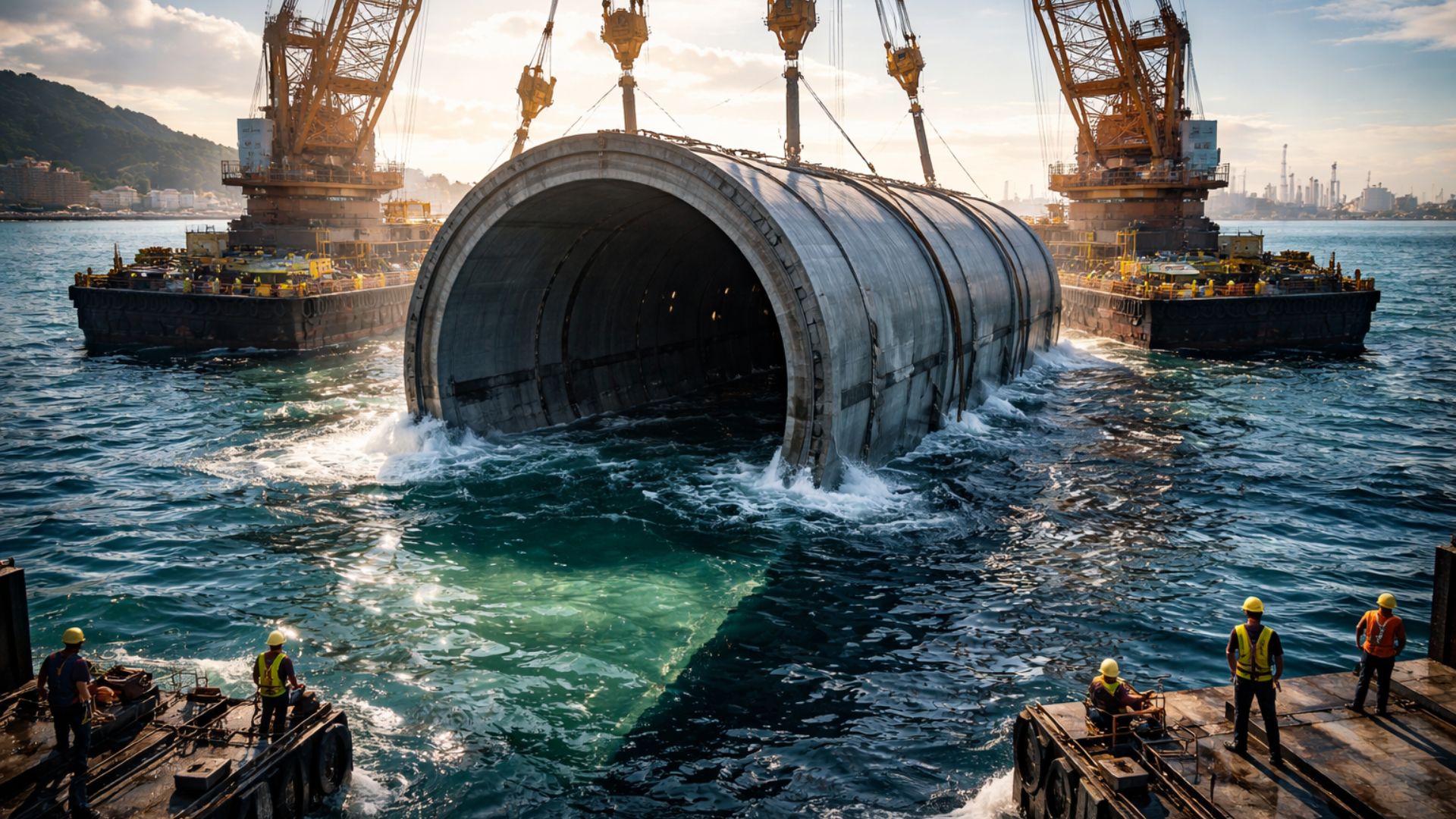
The government opens the vault and deposits R$ 2.6 billion for the construction of Brazil’s first underwater tunnel, with a length of 1.5 km, 870 m under the sea, a total project cost of R$ 6.8 billion, and a 30-year concession.
-
Only 46 meters remain for Brazil and Paraguay to connect via the Bioceanic Route bridge, the project that will link the Atlantic to the Pacific by land and change the logistical map of four countries in South America.

-
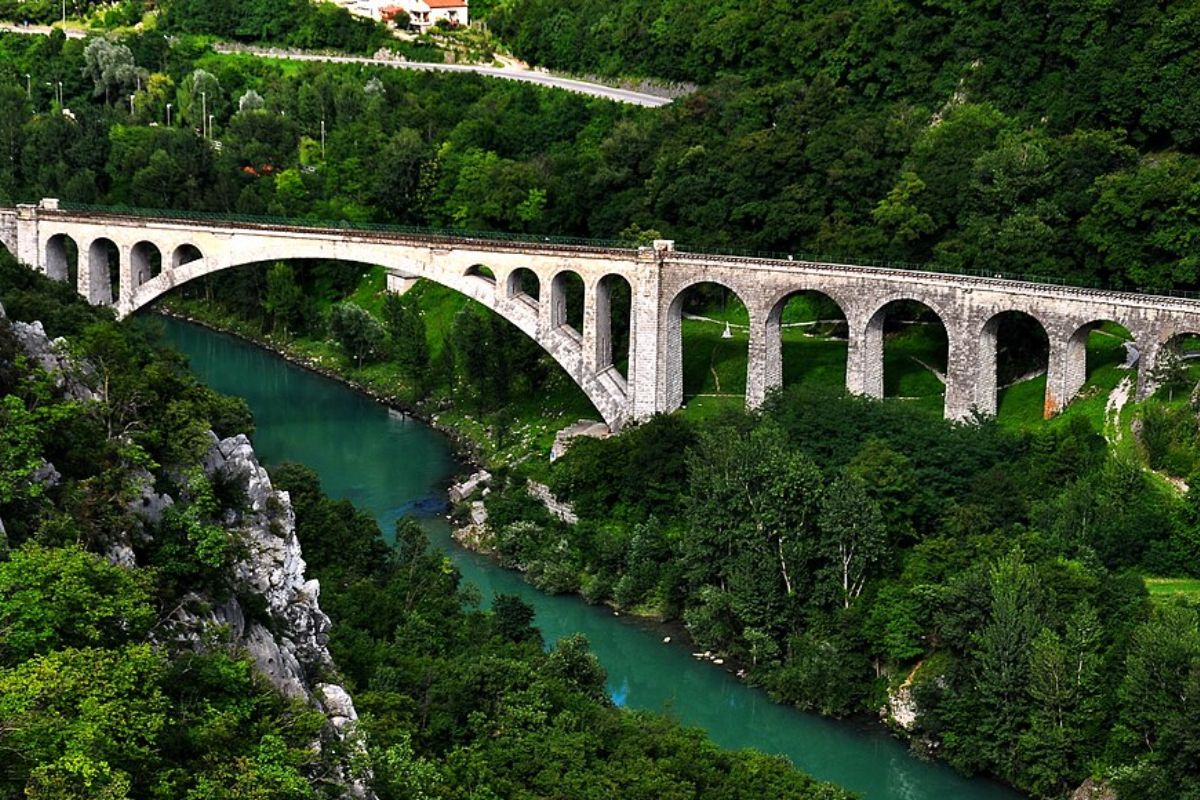
The bridge that holds the largest stone railway arch in the world: built over 100 years ago, destroyed in the war, and rebuilt to continue operating to this day, it still carries trains over the Soča River in Slovenia.
The couple makes it clear that the speed gain only happens when the order of the stages makes sense: raise walls, cover with a roof to relieve the sun, and then go back to reinforce the set with columns, beams, and bracing.
Another important point is the reality of labor. The couple comments that there is a lack of qualified professionals for this type of system, which ends up pushing part of the work onto those who are building, with learning in practice and adjustments as the construction reveals where more rigidity is needed.
Sandwich panel: what it is and why it became the couple’s priority
The roof was a turning point in the routine. The couple opted for sandwich panels, described as galvanized on both sides, with a “filling” of polystyrene in the middle, precisely because it is insulated and helps in a very hot region. They chose the pre-painted version on both sides to facilitate finishing and give the appearance a more “ready” look from early on.
A practical detail that the couple highlights is the custom order: the panel can be requested according to the size of the construction, and they mention that it can be ordered from 1 m up to 12 m. In their house, with a gable roof, the pieces were ordered at about 3 m and a little more.
Another important argument was the slope: the panel needs little fall, about 5% for every meter. The couple cites an approximate drop of 18 cm in the project, which helped save on studs and guides in the central wall.
Beam and columns: how the couple stabilized the roof and eliminated the structure’s wobble

During assembly, a critical point arose: a region of the roof still lacked reinforcement. The couple explains that they needed to create a beam above the bathroom to support the weight from both sides of the roof. They mention a beam “from end to end” about 30 cm wide, designed to distribute the weight on the central wall.
In addition, there came the columns. The couple practically demonstrates the difference: before the column, the structure still wobbled a bit; after the column was installed and bolted, the roof hardly moves when pushed. The message is clear: steel frame depends on bracing and continuity of fastening to gain rigidity.
The couple’s plan includes columns in all four corners and evaluating whether to add more reinforcement points in the center, depending on how the structure behaves once everything is braced.
X-braces: the reinforcement that made the wall stop swaying

After covering and placing the main columns, the couple moves on to a decisive reinforcement: the X-braces. They serve as lateral bracing to prevent the wall from moving with wind or stress.
The explained logic is simple: if the wind comes from one side, one brace holds the force; if it comes from the other, the opposite brace works together, forming a system that stabilizes the whole.
The couple points out an important aspect: the braces were initially loose, not yet tightened. Later, they tighten and lock them, and the difference shows in the test of pushing the wall. With the brace tightened, the structure becomes rigid. Without tightening, you can hear the braces hitting and see movement.
As they did not easily find the proper tensioning piece, the couple improvised a tensioner with steel frame pieces, adding guides and studs to achieve a thickness close to 3 mm, using screws, nuts, and washers to tighten and pull the brace until it was firm. They themselves note: it’s not ideal, but it worked to brace.
Window cuts: standard size, C reinforcement, and laser leveling
With the structure more stable, the couple begins the window cuts. They mention that most openings will be 1.20 m wide by 1 m high, with exceptions for the bathroom windows.
After the cut, the part that prevents fragility comes in: the structural reinforcement. The couple explains that by removing a stud, that point becomes vulnerable, so they create a C structure and add auxiliary studs to redistribute the weight to the adjacent elements. The idea is not to let the load concentrate in one spot.
To keep everything plumb, the couple uses a laser to level and align the guides before screwing, ensuring that the whole set is straight and ready to receive the frames.
Cement board and external closure: where the couple feels the weight of the work

With the roof, bracing, and openings made, the couple starts to cover the outside with cement boards, described as resistant to water, weather, and fire, weighing approximately 50 kg per sheet. They show that the work requires specific tools and screws, and that when a suitable bit is missing in the screwdriver, the process becomes “doubled,” with pre-drilling and then fastening.
Inside, the metal structure remains visible, and the couple is already planning the filling of the walls for thermal and acoustic insulation, mentioning options like fiberglass, rock wool, or PET wool, and the internal closure with drywall later on.
Flashings, gutters, and sealing: the detail that avoids headaches later

After the roof, the couple installs flashings and gutters. They mention purchasing a 50 cm roll, leaving 25 cm for each side, and comment that they preferred the whole piece because they couldn’t find a long piece ready in the desired size.
They also show care with openings to prevent birds from entering, intending to fill later with some sealing material, a type of step that seems small but avoids recurring problems in daily use.
Joint finishing: base coat, tapes, and crack prevention

In the finishing phase, the couple prepares a base coat mixture, described as waterproof and elastic, used to treat joints and surfaces. The process shown is methodical: filling the gaps until it “oozes” a bit to the other side, removing excess, applying tape on larger seams, using PVC corner beads in the corners, and working in layers.
They also mention a future step: applying a larger mesh on the entire wall where necessary to prevent cracking and then proceeding with complete finishing and painting, even if some internal steps are left for after the move, due to the deadline.
The 3-month deadline: why the couple is building livable first
The point that accelerates everything is the deadline. The couple comments that the rented house was agreed upon for about 3 months, and the goal is to move even without everything finished.
The focus is to make the basics safe: installed doors and windows, working electrical and plumbing, and areas without risk for the children. The fine finishing can come with the house already in use.
This approach explains decisions like roofing before complete bracing and external closure afterward. The goal is not immediate perfection; it is to make the house usable safely and continue evolving.
Would you take on a construction project in steel frame with a 3-month deadline, or would you prefer to pay more to have labor and reduce daily stress?








Seja o primeiro a reagir!