





 English
  Francês
  Alemão
  Italiano
  Japonês
  Norueguês
  Portuguese
  Spanish
  2 min of reading


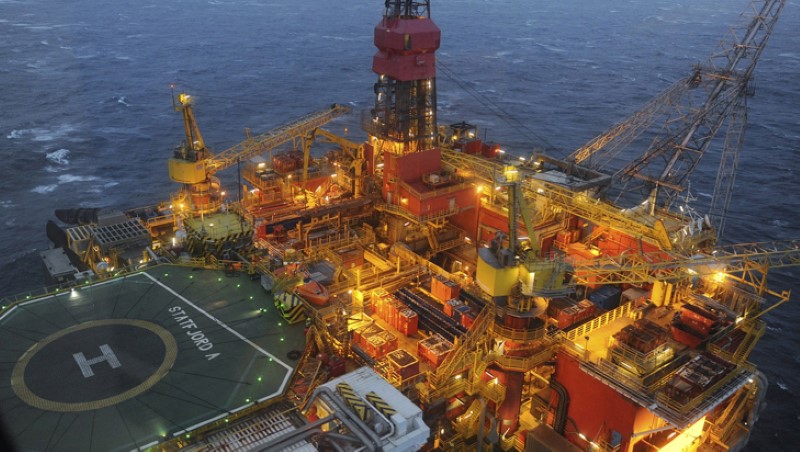
The COVID-19 Crisis Will Impact Global Demand for Offshore Drilling Units and Trigger a New Round of Scrapping, Says Rystad Energy.
The crisis that the COVID-19 pandemic brought to the oil and gas industry put many sectors in financial distress. The restructuring in the offshore industry will slow down demand for the global fleet of offshore drilling units, whose utilization has been suffering since the previous crisis, says the Rystad Energy analysis. The FPSO Bidding for Itapu is Canceled; Petrobras Closes Deal with Shell and Petrogal for the Purchase of FPSO P-71 for US$ 353 Million
Read Also
- Billion-Dollar Investment in São Paulo: Pre-Salt Gas Pipelines Will Be Connected to Baixada Santista by Compass Gás e Energia
- Contractor Providing Services for Petrobras Projects at Comperj Files for Bankruptcy and 200 Workers Are Left at a Loss
- Sotreq, the Official Dealer of Caterpillar Machines and Systems, Calls Recent Graduates for Positions in Its 2021 Trainee Program
An assessment of active platforms in the global offshore vessel fleet reveals that up to 59 out of 213 units are potential candidates for retirement. This includes 22 drillships and 37 semi-submersibles, equivalent to a quarter of the units.
Global demand for floaters, which had just started to recover before the pandemic, is now expected to remain under pressure until 2022. Meanwhile, 25 new floaters are planned for delivery in 2023.
-
Brazilian giant expands borders in the Southeast: Petrobras confirms new oil discovery in ultra-deep waters in the pre-salt of the Campos Basin.

-
Alert in the global energy market: Severe tropical cyclone hits the coast and disrupts gas production at major plants in Australia, threatening global supply.

-
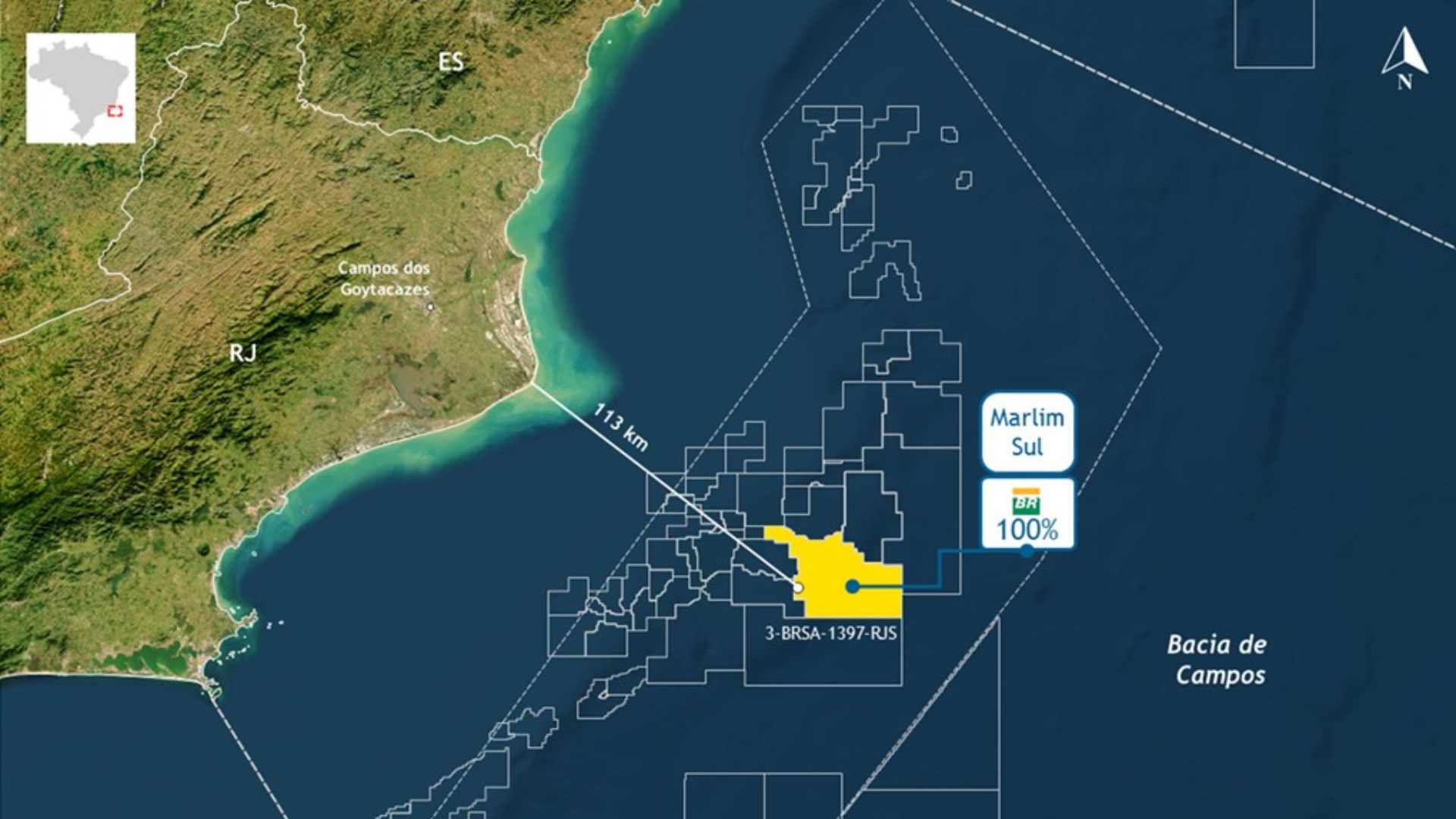
Petrobras finds high-quality oil in the pre-salt at 113 km from RJ and reignites expectations about strategic reserves in the Campos Basin.

-
Ocyan opens registrations for startups focused on innovation in the oil and gas sector and will select projects for Innovation Day with the support of Nexio.

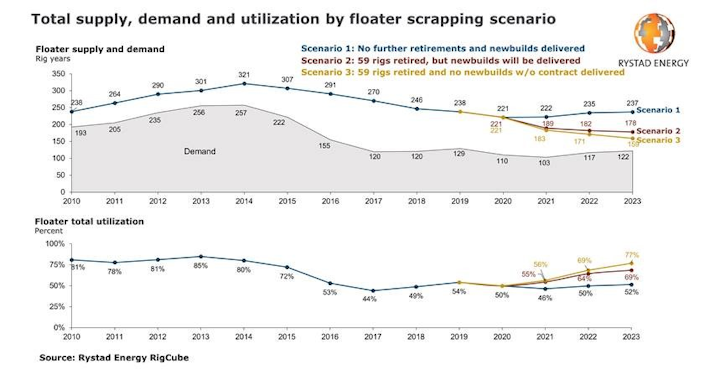
Naturally, weak demand will keep utilization at low levels unless there is a significant increase in oil prices. Rystad Energy has created three scenarios that annualize supply and demand over platform years, showing the range of expected utilization levels based on platform wear and new construction deliveries.
Utilization began to plummet in 2016 and has fluctuated between 45% and 55% since then, with 2020 levels expected to be at 50%. Utilization could reach 77% in 2023 if all 59 floaters identified by Rystad Energy are retired and no new construction is delivered – an optimistic scenario. Utilization will decline as units are retired and no new constructions are delivered.
In the last scenario, which assumes the delivery of new units but not the complete retirement of identified platforms, utilization could drop to 52% depending on how many units are decommissioned.
“Capacity wear could set the stage for a return to utilization and play a key role as the offshore drilling industry seeks to strengthen its finances. After drillers emerge from restructuring, we could see more mergers and acquisitions, which could again result in further turmoil,” said Jo Friedmann, Senior Analyst of Energy Services at Rystad Energy.







Seja o primeiro a reagir!