





 Portuguese
  English
  Spanish
  5 min of reading
  0 comments


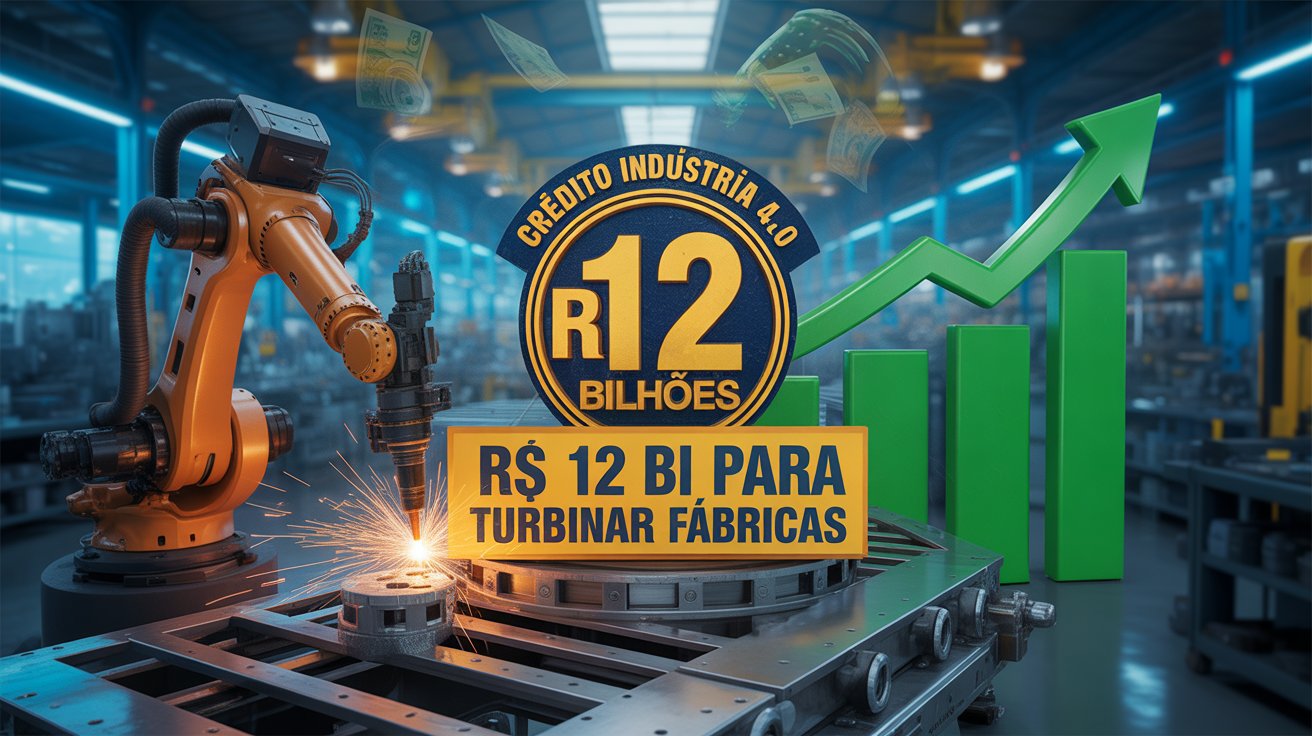
Government Launches Billion-Dollar Credit Line to Renew the Industrial Park, Focusing on Machines and Technologies of Industry 4.0, Reduced Interest Rates and Tax Incentives Promising to Accelerate Investments and Increase Competitiveness in the Sector.
The federal government launched a line of R$ 12 billion to renew the Brazilian manufacturing park with Industry 4.0 technologies.
The program, announced this Monday (25), brings together R$ 10 billion from BNDES and R$ 2 billion from Finep, with interest rates starting at 7.5% per year and the possibility of accelerated depreciation of the acquired assets.
The initiative seeks to raise productivity and competitiveness in the sector.
-
“No one will make us change the Pix,” says Lula after the US report.

-
Lula responds directly to Trump and says that Pix is from Brazil and will not change under pressure from anyone, after a report from the United States pointed out the Brazilian payment system as an American trade barrier.

-
Amazon has just announced a new fee on all deliveries, and your online purchases will become more expensive starting April 17, including for those buying from the United States here in Brazil.

-
He sold his share for R$ 4 thousand, saw the company become a giant worth R$ 19 trillion, and missed the opportunity of a lifetime.


How the New Line Works for Machines 4.0
The Credit Industry 4.0 finances the purchase of machines and equipment that incorporate robotics, artificial intelligence, cloud computing, sensing, and machine-to-machine communication, among other technologies.
At BNDES, the line totals R$ 10 billion aimed at investments in capital goods with technological content.
Finep complements with R$ 2 billion through the Technological Diffusion line, exclusive for companies with industrial plants in the Northern, Northeastern, and Central-Western regions.
Rates, Cost Formation, and Caps
According to the program’s design, the financial cost combines TR (Reference Rate) with market rates.
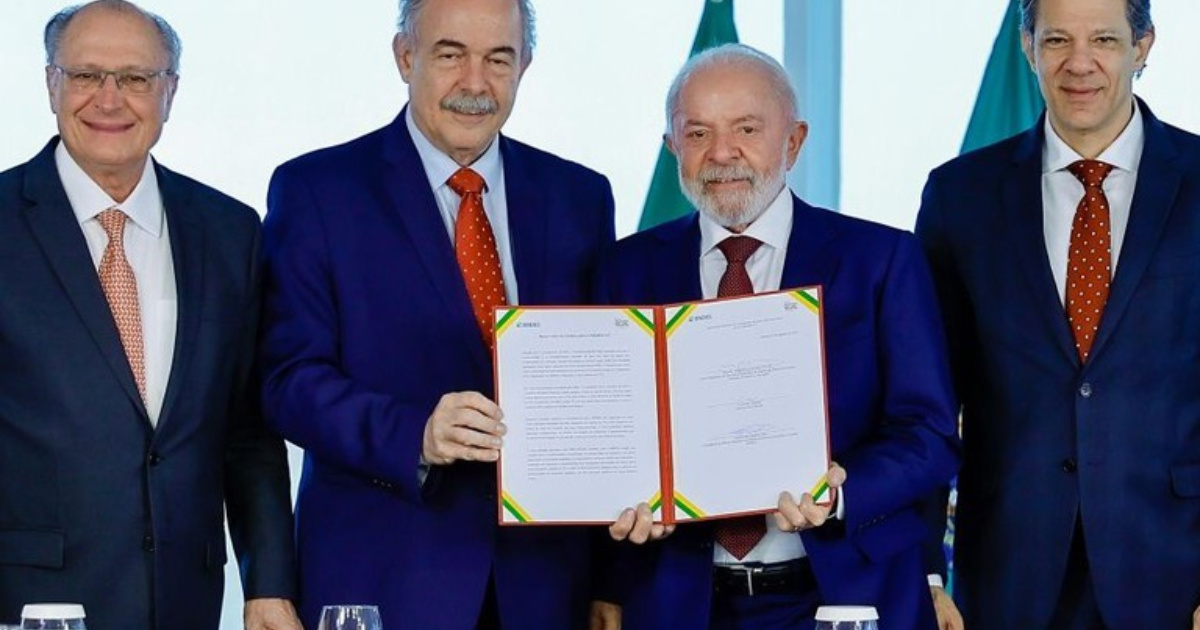
The Vice President and Minister of Development, Industry, Trade, and Services, Geraldo Alckmin, stated that the interest rates are “between 7.5% and 8%, plus the spread,” referring to the additional remuneration of the bank transfers.
At the same time, the government established that the total cost should not exceed 8.5% per year, depending on the composition between TR and market rates.
The mix aims to expand the reach for projects of different sizes, with a special focus on micro, small, and medium enterprises.
Accelerated Depreciation: Fiscal Stimulus for Investment
The package comes “along with accelerated depreciation,” said Alckmin.
In practice, the acquisition of new machines and equipment can be depreciated over two years, instead of much longer usual terms.
According to the minister, “instead of depreciating […] over 15 years, you depreciate in two years,” which reduces the tax owed in the initial years and brings forward the fiscal benefit for those who invest.
The mechanism is provided for in current laws and regulations, applying to new assets acquired during the period defined by the rules.
Regional Allocation and Target Audience
Finep’s participation is aimed at reducing regional asymmetries.
Its R$ 2 billion is exclusively designated for companies with modernization projects in the Northern, Northeastern, and Central-Western regions.
Meanwhile, BNDES will support both indirect operations (through accredited banks) for MPMEs and direct operations for larger projects, focusing on accredited capital goods and manufacturers of 4.0 equipment.
Objective: Productivity, Efficiency, and Exports
The president of BNDES, Aloizio Mercadante, emphasized that the line is “a great stimulus” to productive investment, with a rate considered “extremely competitive” against international standards.
The bank estimates that technological diffusion in machines and equipment can reduce costs, increase energy efficiency, and enhance the exporting capacity of Brazilian companies.
Legal Basis and Guidelines
The measure relies on Resolution No. 5,232, of July 2025, from the National Monetary Council, which expanded the use of FAT resources at TR cost to finance innovation and technological diffusion projects.
The credit is part of the Plan More Production, a branch of the innovation and digitalization axis of the New Industry Brazil industrial policy, which provides financial instruments for the modernization of the industrial park.
Connection with the Post-Tariff Package
The announcement comes just days after the government detailed the Brazil Sovereign Plan, a support package for exporters affected by the 50% tariff imposed by the United States on Brazilian products.
Within this set, BNDES has opened credit lines and guarantees for impacted companies, prioritizing those who registered a drop of over 5% in revenue due to the interruption or reduction of sales in the North American market.
The Industry 4.0 Credit aligns with this agenda by accelerating modernization and diversifying markets.
What Changes for the Industry
With interest rates below market rates and tax incentives for depreciation, the line aims to shorten the machine renewal cycle, which is currently considered long in Brazil.
The expectation of the government and financial institutions is to unblock investments that have been bottlenecked by the cost of capital and technological lag, especially in factories with old machinery.
At the same time, the requirement for technological content in the financeable equipment targets gains in productivity and digitalization of processes.
Next Steps for Companies
Following the announcement, interested companies should plan projects that fit the eligibility rules.
It is necessary to consult accredited intermediary banks and review the tax classification to take advantage of accelerated depreciation, when applicable.
Projects with greater impact on efficiency and replacement of obsolete technologies are likely to gain priority in credit and economic return, especially among MPMEs.
What to Observe When Contracting
Before closing the financing, companies need to compare total effective cost, grace periods and amortization terms, and guarantee conditions.
It is also recommended to check the accreditation of the equipment to be acquired and the compliance of the project with the expected technologies.
In the case of accelerated depreciation, it is essential to meet the eligibility criteria and the acquisition period established for the fiscal benefit.
With cheaper credit, tax incentives, and a focus on advanced technologies, the industry will have the means to renew its park and compete better both domestically and internationally; which segments should move first to take advantage of the window and transform productivity into results?








Seja o primeiro a reagir!