





 Portuguese
  English
  Spanish
 3 min of reading
  0 comments


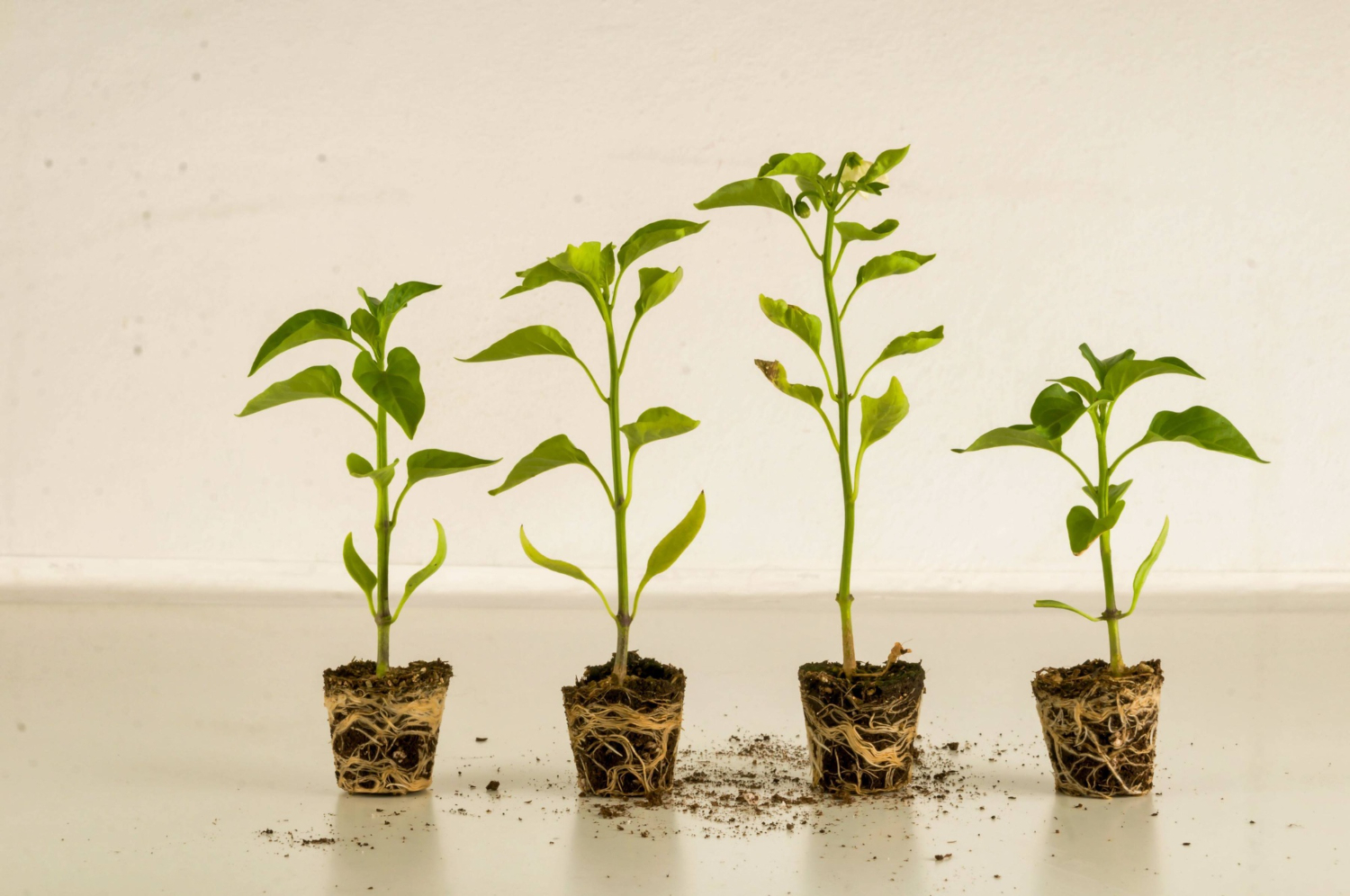
Epagri in Lages Conducts Innovative Studies on Beneficial Soil Bacteria That Strengthen Plant Growth and Boost Sustainable Agricultural Production with Reduced Fertilizer Use
The growth of plants has been transformed by a discovery made in the Serra Catarinense, according to a report published.
At the Epagri Experimental Station in Lages, a team led by agronomist João Frederico Mangrich dos Passos and accompanied by master’s student Albiery Rafaeli de Abreu investigates soil bacteria that may replace part of traditional fertilizers.
The research, developed in Biotechnology and Homeopathy laboratories, seeks to understand how native microorganisms promote the healthy development of agricultural crops, with lower environmental impact and greater productive efficiency.
-
Expedition 501: Scientists drill into the ocean floor and discover a giant reserve of fresh water hidden beneath the sea, extracting nearly 50,000 liters and revealing an invisible system that could reshape the map of water scarcity.

-
Archaeologists find an intact tomb over 2,500 years old, with more than 100 preserved objects, weapons, jewelry, and human remains never touched.

-
Volcanic lava transforms into threads as fine as human hair that travel over 30 kilometers by wind and fall like cutting rain on roofs and backyards in Hawaii and Iceland.

-
NASA issues a warning for the feared Godzilla El Niño that could change the planet’s climate in 2026 with extreme warming of the Pacific capable of causing devastating droughts in some regions and historic floods in others simultaneously.


The results obtained so far indicate significant benefits, especially in forage crops used in regional livestock, such as oats and ryegrass.
Bioprospecting and Beneficial Bacteria: Soil as a Source of Agricultural Innovation
Epagri’s study uses bioprospecting techniques, a process that identifies bacteria naturally present in the soil capable of promoting plant growth by releasing essential nutrients like phosphorus and nitrogen.
Among the best-known examples is rhizobia, a microorganism that helps the development of soybeans without the need for urea.
The goal of the research is to apply this same logic to other crops, enhancing plant self-sufficiency.
According to researcher João Frederico, these bacteria strengthen plant metabolism, making species more resistant to diseases like leaf rust, which frequently affects pastures.
Plant Growth: Sustainable Bioinputs and Reduction of Agrochemical Use in Livestock
In experiments conducted at the Lages Experimental Station laboratories, so-called “good bacteria” undergo enhancement processes that expand their positive effects on plant growth.
This results in vigorous and resilient forage, leading to better quality pastures for the herd.
This technology has a direct impact on the producer’s profitability, reducing expenses with chemical inputs and preserving the environment.
The partial replacement of agrochemicals with bioinputs represents an important advancement toward sustainable agriculture, promoting cleaner and safer production practices.
Moreover, Epagri’s project reinforces the role of public research in creating solutions that unite productivity and ecological responsibility.
Applied Research and Direct Benefits for Producers and Consumers
The initiative developed in Lages highlights the economic and social potential of beneficial soil bacteria.
By optimizing plant growth, the proposed technology can generate high-value products, paving the way for the commercialization of national bioinputs.
According to the researchers, the results indicate double gains: producers achieve greater efficiency and the end consumer has access to healthier food, free from chemical residues.
The integrated effort of Epagri, IFSC, and Udesc demonstrates how applied science in the field can transform agricultural practices and strengthen the regional economy based on innovation, sustainability, and respect for the natural balance.







Seja o primeiro a reagir!