





 Portuguese
  English
  Spanish
  2 min of reading


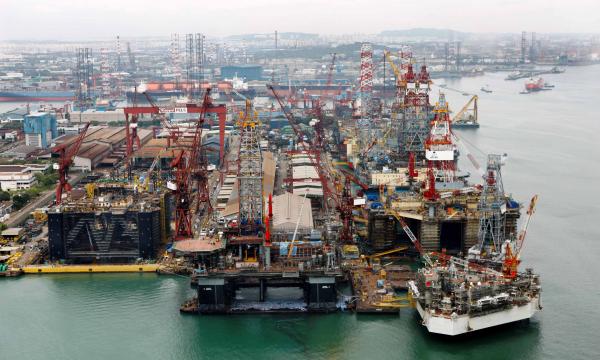
The Drilling Rig Sector Registers a Strong Recovery, With Expectations of Significant Growth Until 2025
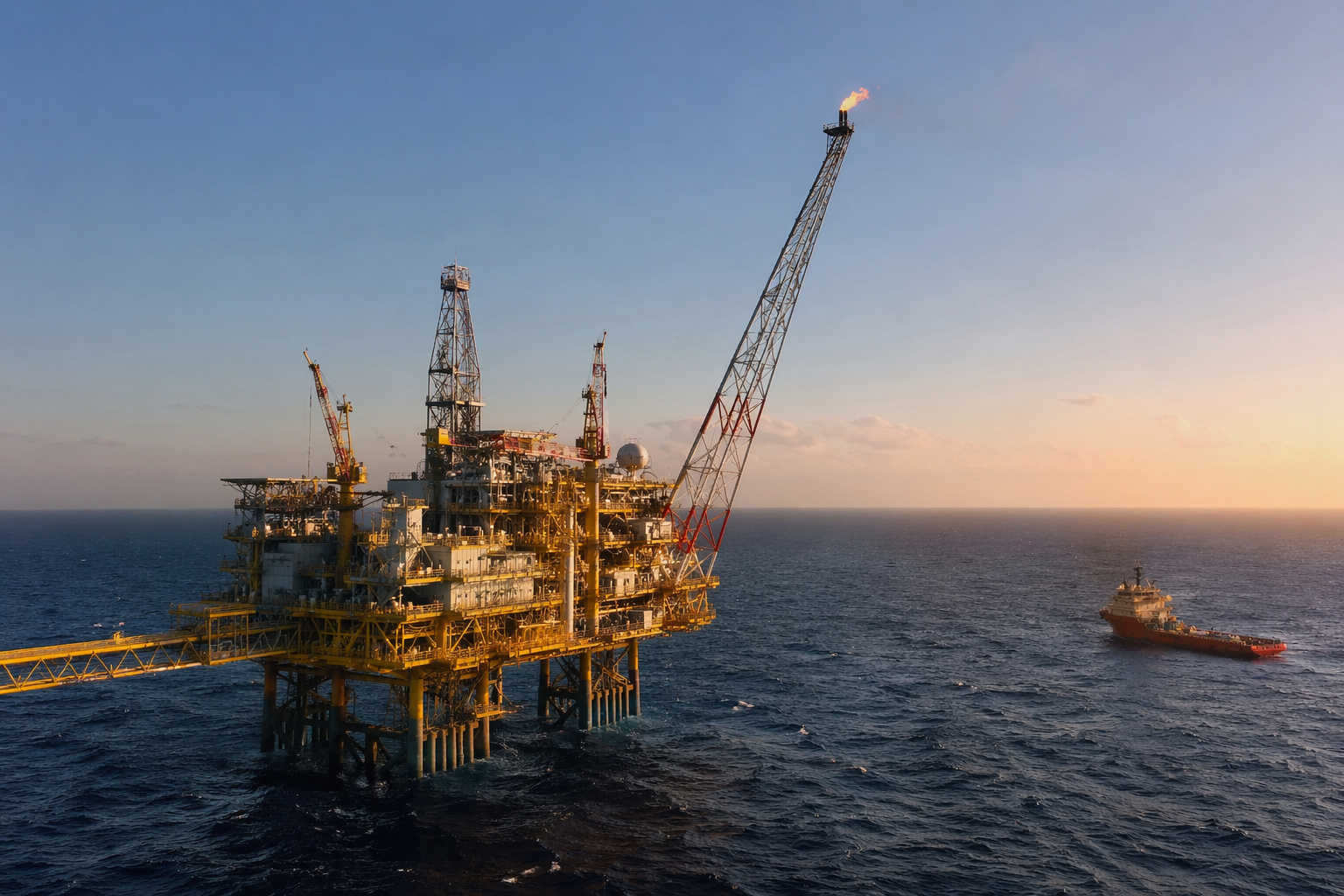
The drilling rig market is showing strong growth, having already recovered its pre-pandemic levels, according to a recent report from Wood Mackenzie, released in Brazil by the portal Petronotícias. The study also suggests that this resurgence will not be short-lived, with the drilling services sector expected to expand beyond 2023, extending over the next two years.
High Demand and Market Heating
The need for drilling rigs is projected to grow another 20% between 2024 and 2025. At the same time, the daily charter rates for these vessels saw an impressive increase of 40% over the past year, a clear indication of the warming of this segment.
According to the Wood Mackenzie report titled “Are We at the Inflection Point of the Deepwater Market?”, the active utilization of rigs rose from a minimum level of 65% in 2018 to over 85% in 2023. The number of contracted ultradeepwater rigs has returned to pre-pandemic levels, and daily rates for the best vessels in this category have doubled over the past two years.
-
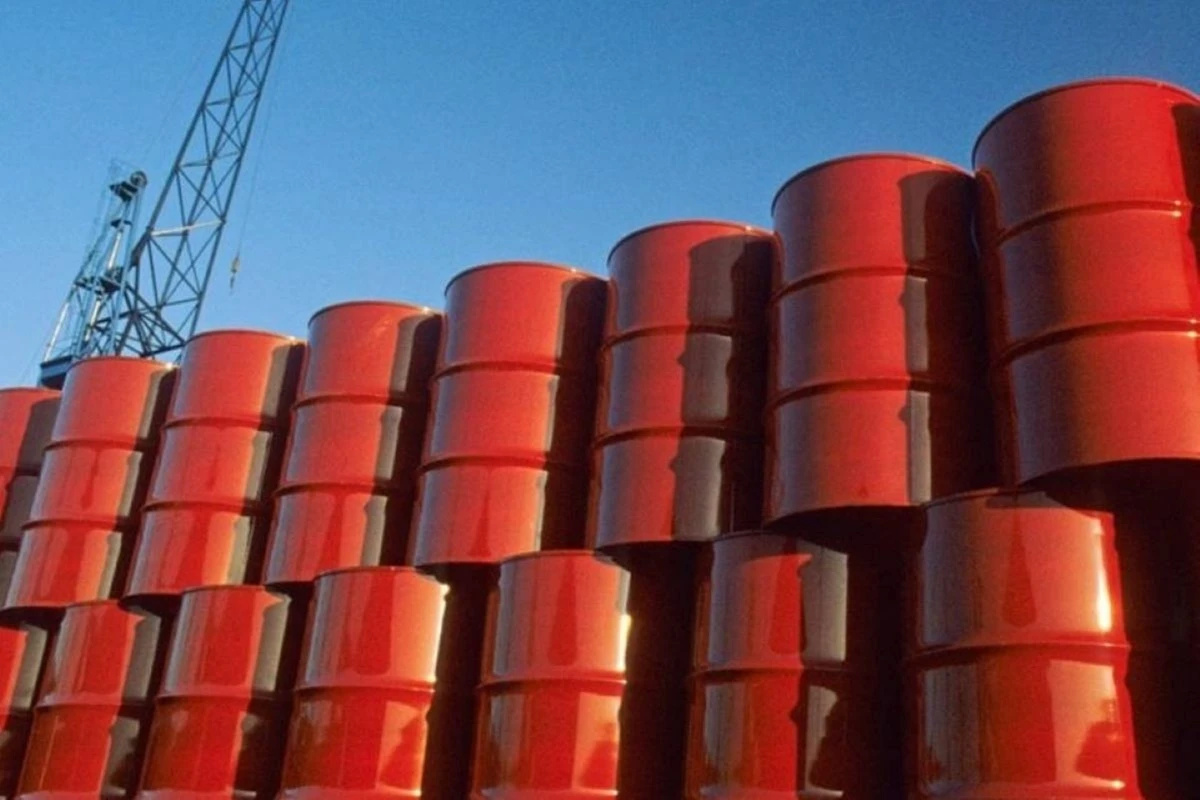
New escalation of tensions and oil crisis in the Middle East forces world powers to accelerate energy transition plans.
-
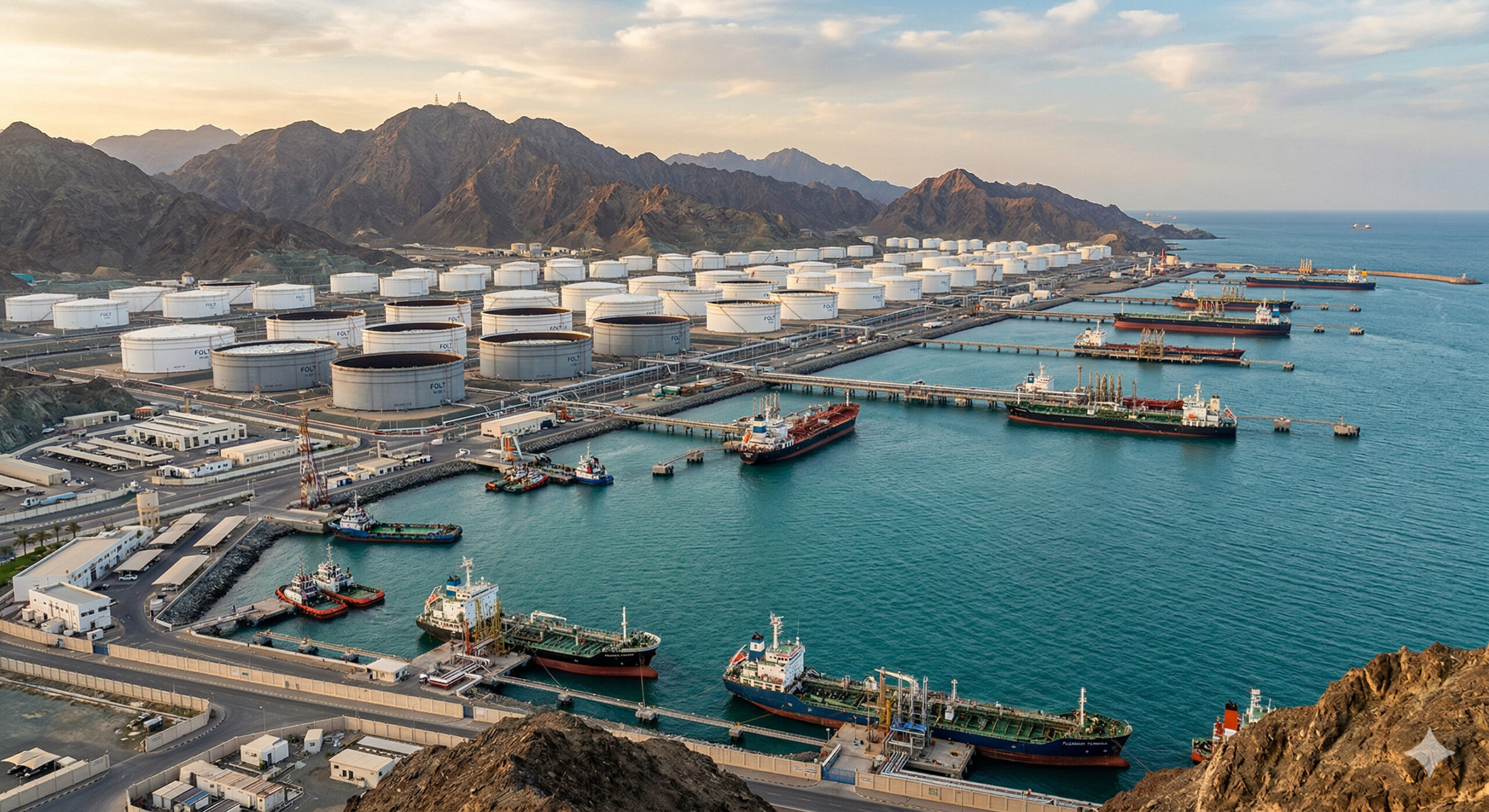
Giant reservoirs with a capacity of 18 million cubic meters have turned Fujairah into one of the largest energy vaults on the planet. This facility, located outside the Strait of Hormuz, stores oil on a colossal scale and has become a silent piece that supports the global flow of fuels.
-
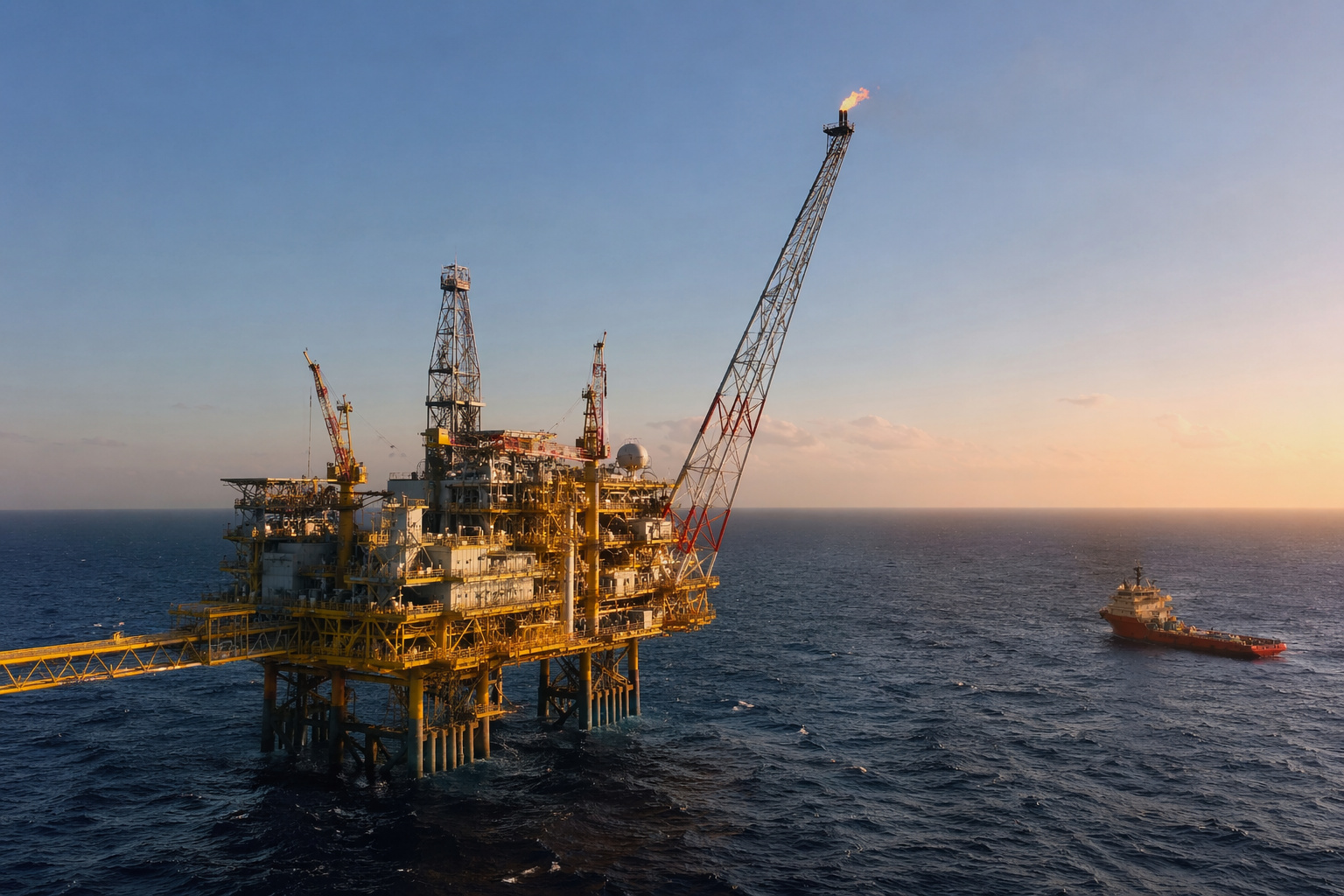
The next exploration auction in the pre-salt will offer 23 blocks in the Campos and Santos basins and may change the interest of oil companies in Brazil.
-
The next exploration auction in the pre-salt will offer 23 blocks in the Campos and Santos basins and could change the interest of oil companies in Brazil.
Deepwater Exploration and Expectations for the Future
Rising oil prices, an emphasis on energy security, and the benefits of emissions in deep water have driven development in this area and even exploration, as expressed by Leslie Cook, an analyst at Wood Mackenzie. The active supply is now more balanced with demand, and cash flows from the platform are positive. The forecast is that demand will continue to grow.
A significant portion of this growth will come from the “Golden Triangle” consisting of Latin America, North America, and Africa, as well as regions of the Mediterranean. Wood Mackenzie estimates that these areas will account for 75% of global demand for floating platforms by 2027.
Recent movements in the market raised daily charter rates by 40% last year. The consultancy anticipates an additional 18% increase for these rates. Before the end of the year, rates of US$ 500,000 per day or more may once again become a reality for highly valued and advantageous ultradeepwater platforms.
“With demand and rates rising, we are approaching the inflection point for new constructions and reactivations,” Cook stated. “We are not there yet, but for new constructions, it’s a matter of time. The need for decarbonization, technological advancements, greater efficiency, and ultimately, fleet replacement will drive a new cycle. If the economics of the platform remain strong and drilling companies perceive that contractual risks are decreasing, this could happen sooner rather than later,” Cook concluded.









Seja o primeiro a reagir!