





 Portuguese
  English
  Spanish
 3 min of reading
  0 comments


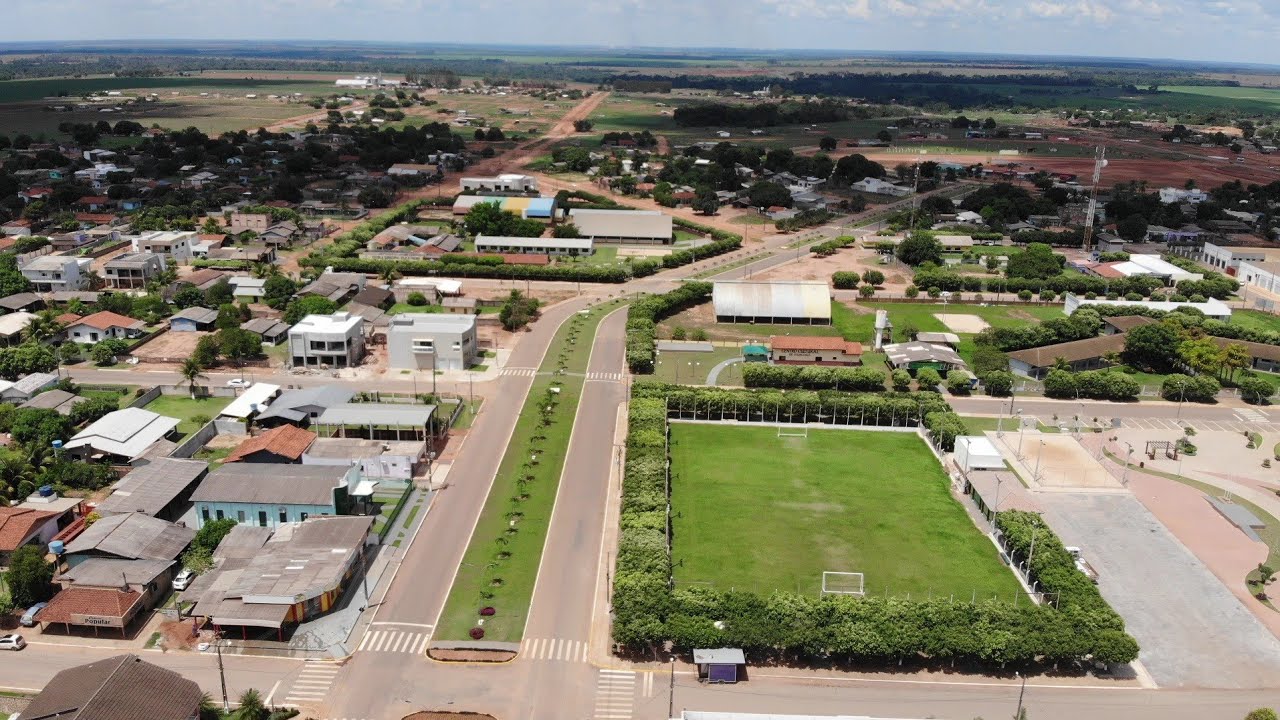
Created in the 1990s, Itanhangá (MT) has about 6 thousand inhabitants, a weak economy, strong dependence on public funds, and persistent structural difficulties.
Itanhangá is located in the state of Mato Grosso, in the Central-West region, in a transition area between the agricultural north of the state and still sparsely populated zones. The municipality was officially emancipated in the 1990s, a period marked by strong territorial fragmentation in Brazil, when hundreds of new municipalities emerged with the promise of faster local development.
With an estimated population of about 6.3 thousand inhabitants, according to IBGE data, Itanhangá was born out of rural colonization projects and subdivisions that aimed at expanding the agricultural frontier of Mato Grosso. The initial expectation was to attract producers, commerce, and services, transforming the municipality into a local hub. However, this never fully materialized.
Weak Economy and Absence of An Industrial Base
Even though it is in a state that leads the national agribusiness, Itanhangá has not managed to competitively integrate into the major production chains of soy, corn, or intensive livestock. Local rural production exists, but it is fragmented, poorly mechanized, and has low added value.
-
“No one will make us change the Pix,” says Lula after the US report.

-
Lula responds directly to Trump and says that Pix is from Brazil and will not change under pressure from anyone, after a report from the United States pointed out the Brazilian payment system as an American trade barrier.

-
Amazon has just announced a new fee on all deliveries, and your online purchases will become more expensive starting April 17, including for those buying from the United States here in Brazil.

-
He sold his share for R$ 4 thousand, saw the company become a giant worth R$ 19 trillion, and missed the opportunity of a lifetime.


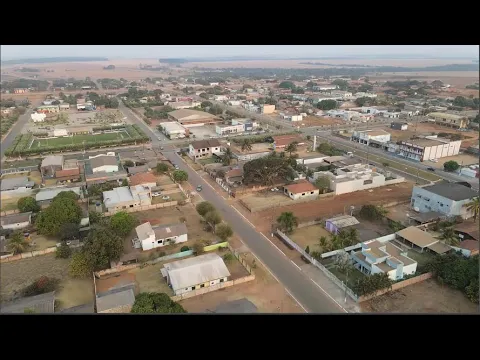

The municipality does not have an industrial park, logistics districts, or agro-industries capable of generating jobs on a large scale. Most of the economy revolves around primary activities, small businesses, and basic services, which are insufficient to support population growth or high average income.
This creates a domino effect: without qualified jobs, young people migrate; without young people, consumption falls; with less consumption, commerce shrinks even further.
Almost Total Dependence on Public Transfers
One of the most sensitive points of Itanhangá’s reality is its structural dependence on government transfers. A large part of the municipal budget comes from sources such as:
- Municipal Participation Fund (FPM)
- State transfers
- Specific agreements for health, education, and infrastructure
Own revenue is limited, a direct reflection of low formal economic activity. This restricts investments in works, urban maintenance, and long-term development policies, constantly leaving the municipal administration on a financial edge.
Limited Urban Infrastructure and Basic Challenges
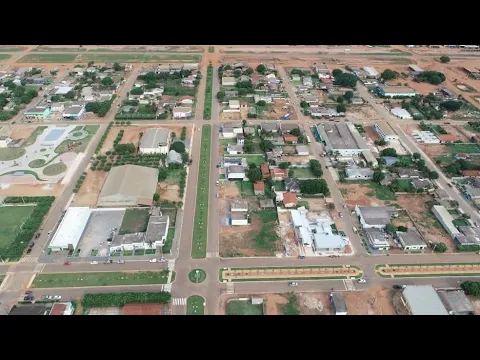
The city faces typical challenges of small and newly created municipalities, but these have persisted for decades. There are limitations in urban paving, sanitation, access to specialized health services, and the availability of technical or higher education.
Road access, while existing, is not sufficient to efficiently integrate Itanhangá into the state’s major logistical corridors. This deters investors and increases the transportation costs of any local production, further reducing economic competitiveness.
Silent Exodus and Aging Population
Without clear work and study opportunities, Itanhangá experiences a silent exodus, especially among young adults. Many leave the municipality in search of jobs in medium-sized cities in Mato Grosso or in other states.
The result is an aging population profile, with less economic dynamism and greater pressure on public services, especially health and social assistance. This process makes any attempt at rejuvenating growth even more challenging.
The Paradox of Becoming a Municipality Without Economic Growth
The case of Itanhangá illustrates a recurring phenomenon in Brazil post-1988 Constitution: the administrative creation of municipalities does not guarantee economic viability on its own. Without strategic location, productive planning, or regional integration, many of these cities have remained trapped in a survival model based solely on the public sector.
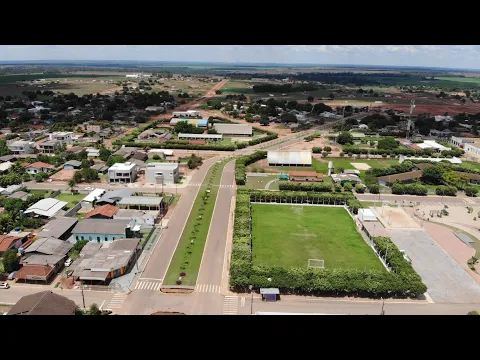
Although Itanhangá is not an isolated case, it has become a clear example of how short-term political decisions can generate structurally fragile municipalities for decades.
Is There a Way Out for Municipalities Like Itanhangá?
Experts in regional development point out that cities with this profile can only change their trajectory when they invest in very specific strategies, such as agro-industrial niches, cooperativism, local-based tourism, or logistics integration with neighboring municipalities.
Without this, the tendency is to maintain the current scenario: stagnant population, tight budget, and permanent dependence on public transfers.
The story of Itanhangá raises an uncomfortable yet necessary question: to what extent has Brazil managed to transform the multiplication of municipalities into real development — and how many cities still survive only because the State sustains their existence?









-

-

-

-

-

-

134 pessoas reagiram a isso.