





 Portuguese
  English
  Spanish
  4 min of reading
  0 comments


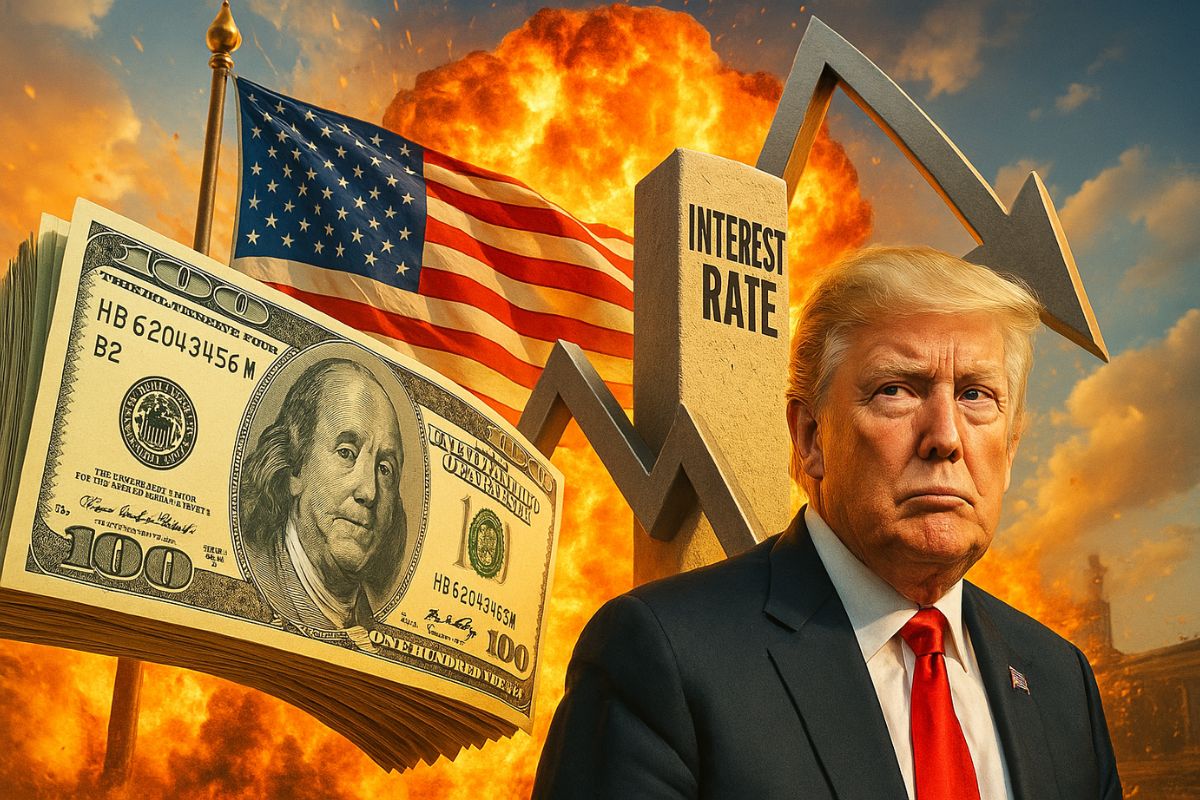
In an Interview with O Globo, Former IMF Chief Kenneth Rogoff Warns That the Combination of U.S. Debt, High Interest Rates, and An Potential Policy Tightening Under Trump Could Trigger Global Volatility, Affect Emerging Markets, and Test Central Banks
The former IMF chief Kenneth Rogoff, a Harvard professor, forecasts a fiscal crisis in the United States in four to five years — a shock fueled by high levels of debt, higher interest rates, and growing spending. In a conversation with O Globo, he emphasizes that the risk is not a repeat of 2008 but a fiscal turbulence capable of radiating more volatile exchange and interest rates throughout the global economy.
According to O Globo, Rogoff details the scenario in his book Our Dollar, Your Problem and states that even with Democrats, the picture wouldn’t change substantially, but tariffs and a more unpredictable style under Trump could worsen the pressures. “The problem will come; maybe in 2027 or 2028”, he summarizes.
Who Is Speaking, What Was Said, and Why It Matters Now
Rogoff was chief economist of the IMF and is a reference in sovereign debt cycles.
-
End of the 6×1 schedule: how the reduction of hours can affect service companies, industry, and agribusiness.

-
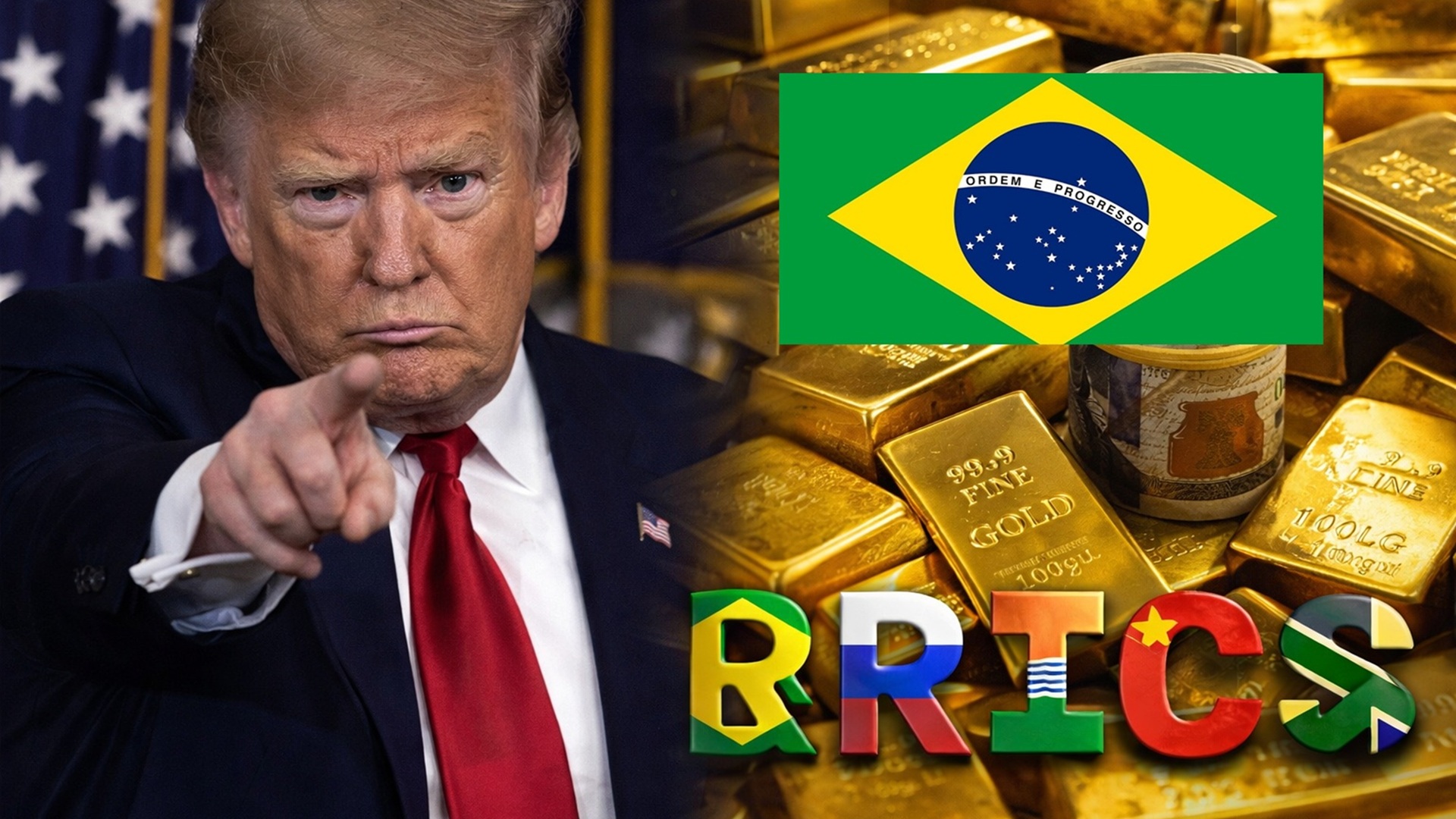
Brazil Ignores Trump’s threats to BRICS, Buys 42 tons of gold and reduces the Dollar’s share by 6.45% in international reserves.
-
Havan buys historic football land in Blumenau for a million-dollar amount protected by a confidentiality clause and is already planning to change even the layout of streets to build a megastore in half-timbered style costing 80 million reais.

-
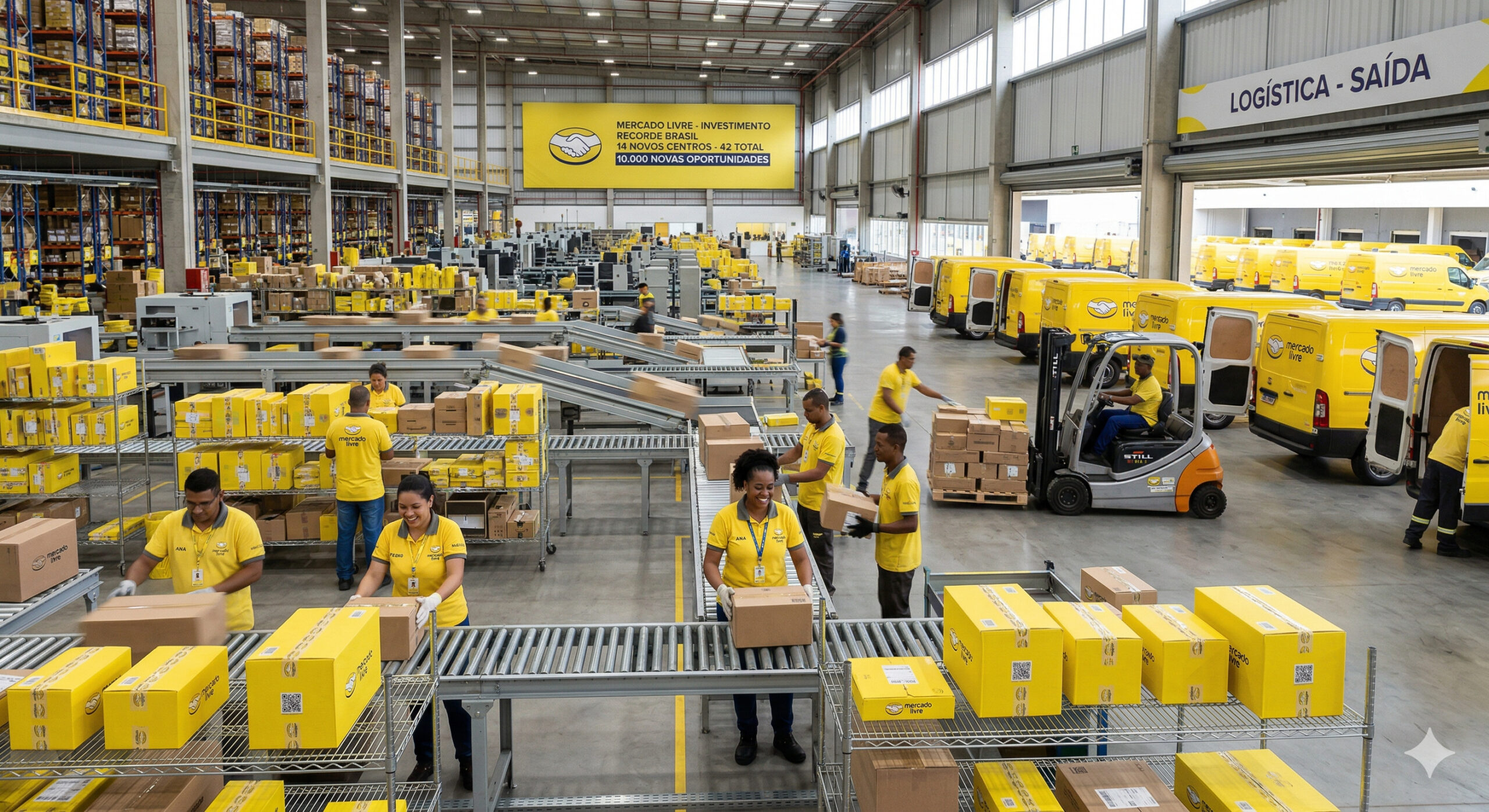
Mercado Livre “opens the vault” and announces a record investment of R$ 57 billion in Brazil in 2026, a value 50% higher than the previous year, with an expansion plan that includes 14 new logistics centers, totaling 42 units in the country and hiring an additional 10,000 employees.

To O Globo, he emphasizes that the current unease is not classical financial, but rather fiscal: persistent deficits with short-term interest rates higher than long-term, higher debt, and political appetite for spending.
“I have never warned this way about the fiscal deficit,” he states.
For the reader, the message is clear: when the country that issues the world’s primary reserve currency flirts with fiscal dominance, the effects spill over.
Emerging markets feel it first through strong/volatile dollar, trade channels, and tight financing — a reading that O Globo highlights by relating the warning to the Brazilian reality.
The Trigger of the Fiscal Crisis According to the Former IMF Chief
Rogoff points to a triad: higher public debt, structurally higher interest rates, and spending pressures (from defense to populist agendas).
When debt service rises, the budget loses space, and interest rates stop taming inflation — a situation known as fiscal dominance.
He also draws attention to growing volatility in exchange rates, interest rates, and growth, even starting from a seemingly stable moment.
“I see a world with more volatility,” he told O Globo, reinforcing that swings could be the fastest contagion channel.
Trump, Tariffs, and the Risk of Interference in the Fed
In the interview with O Globo, Rogoff sees tariffs as one of the factors in an unstable geopolitical landscape, with the potential to undermine productivity and the role of the dollar in the long term.
More sensitive, however, would be any attempt to capture the Federal Reserve to force low interest rates with an eye on the political cycle.
He recalls proposals such as the “One Big Beautiful Bill” and hypotheses of taxing foreign interest — forms of partial default, in Rogoff’s assessment.
“Ask if Trump would be willing to do this? Of course he would,” he told O Globo, not holding back his criticism: interfering in the Fed could boost growth in the short term, but anchor inflation afterwards.
Consequences for Emerging Markets (and for Brazil)
Rogoff acknowledges, according to O Globo, that larger international reserves and deeper local debt markets have made countries like Brazil more resilient.
Still, a fiscal crisis in the U.S. or Europe could hurt growth and repricing risk on a global scale.
For Brazil, three channels weigh in:
(1) volatility of the dollar, which makes financing more expensive and tightens financial conditions;
(2) trade, as tariffs and geopolitical reconfigurations shift flows;
(3) portfolio, with flight to quality pressuring local assets. “Reserves help; immunity, there is none”, is the implicit summary.
Probable Timeline — and the Debate on Interest Rates
Rogoff told O Globo that immediate recession is not the base scenario; the major problems would tend to emerge in 2027–2028.
In the background, the debate about the long-term real interest rate divides economists: some bet back to zero; Rogoff — alongside Larry Summers — sees a higher probability of higher real interest rates for a longer time.
For investors and public managers, the message is one of risk symmetry: you cannot “price” the best of worlds.
Populist policies work for a time, warns the former IMF chief; afterwards, the bill arrives.
Classic Crypto Crisis Ahead?
Besides the fiscal aspects, Rogoff foresees — as he told O Globo — a banking crisis in the crypto world, this time with a greater real effect than in 2022.
Deeper integration between crypto and traditional finance expands contagion channels, especially if regulation is slow. For the reader, this means another front of volatility to monitor.
A More Multipolar Financial System
In the book cited by O Globo, Rogoff projects a more multipolar international system: the dollar would remain dominant, but with less participation.
Euro and, eventually, yuan, would gain ground; crypto would advance in the underground economy. This is a slow adjustment, but consistent with geopolitical fragmentation and tariffs.
The message from the former IMF chief is simple and uncomfortable: high deficits, more expensive interest rates, and unpredictable politics could reprice the world in four to five years.
For countries and investors, the plan A is fiscal discipline and liquidity cushions; plan B is to accept more volatility — and higher risk pricing.
In your view, which variable weighs more in this account: U.S. debt, the risk of interference in the Fed, or the return of generalized tariffs? If you manage budgets, investments, or foreign trade, what practical adjustments would you make in 2025 to navigate a more turbulent 2027–2028 scenario? Share your strategy in the comments — let’s learn from real cases.









-

Uma pessoa reagiu a isso.