





 Portuguese
  English
  Spanish
  3 min of reading



The Automotive Industry Is Second Among Argentina’s Main Export Sectors, With 60% of Vehicles Produced in the Country Destined for Foreign Markets
The union conflict that paralyzed tire production in Argentina is already affecting automobile manufacturers, and the Argentine government hopes to find a quick solution to the crisis, which could cause significant losses for the automotive industry, which is an essential sector for the country.
The Crisis Could Cause Losses of US$ 250 Million to US$ 300 Million in Exports
The Japanese company Toyota suspended operations on Wednesday (28) at its factory located in the city of Zárate, in the province of Buenos Aires, Argentina, due to a shortage of tires. This factory employs 7,500 people and produces cars that are exported to 22 countries, as confirmed by company sources to the Efe Agency.
Last Monday, for the same reason, the American company Ford also decided to halt two production shifts at its terminal in the city of Pacheco, Argentina.
-
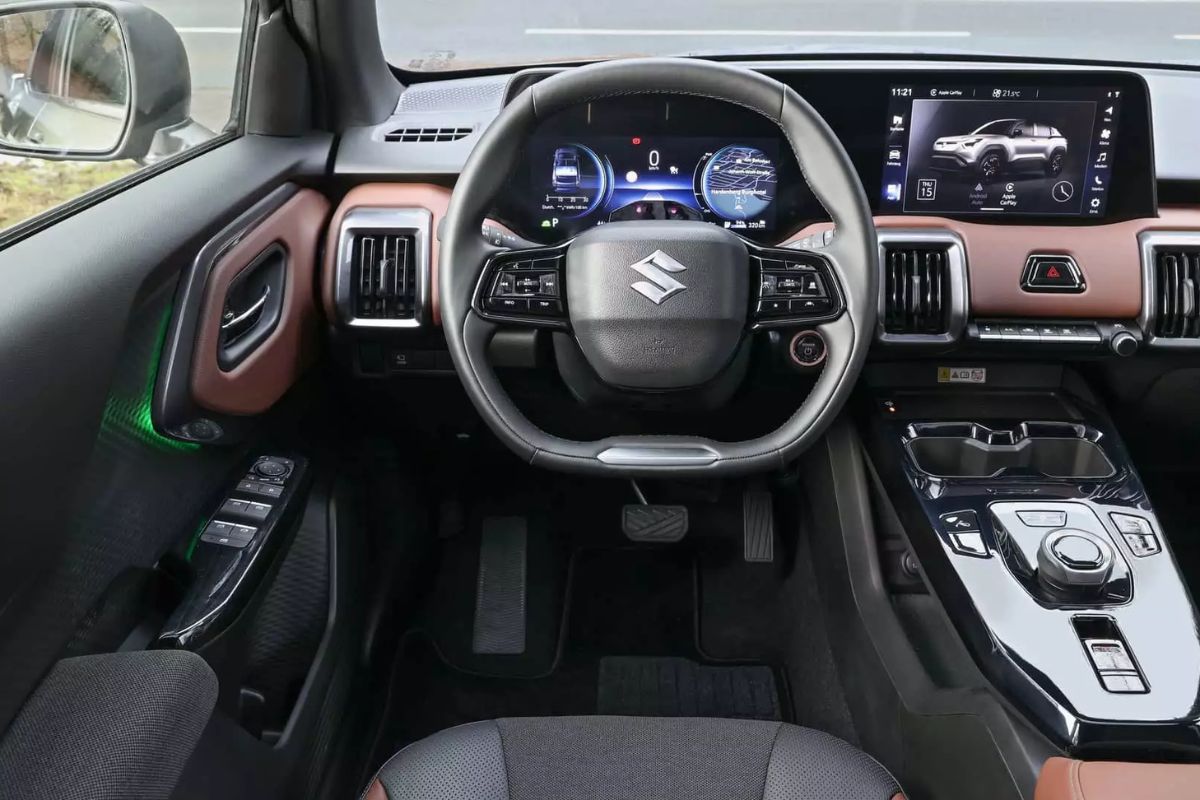
The 2026 electric Vitara arrives in Brazil and proves that Suzuki is not leaving: 4×4 traction, 184 hp, 61 kWh LFP battery, 293 km range, R$ 259,000, and a trunk capacity of 224 L.
-
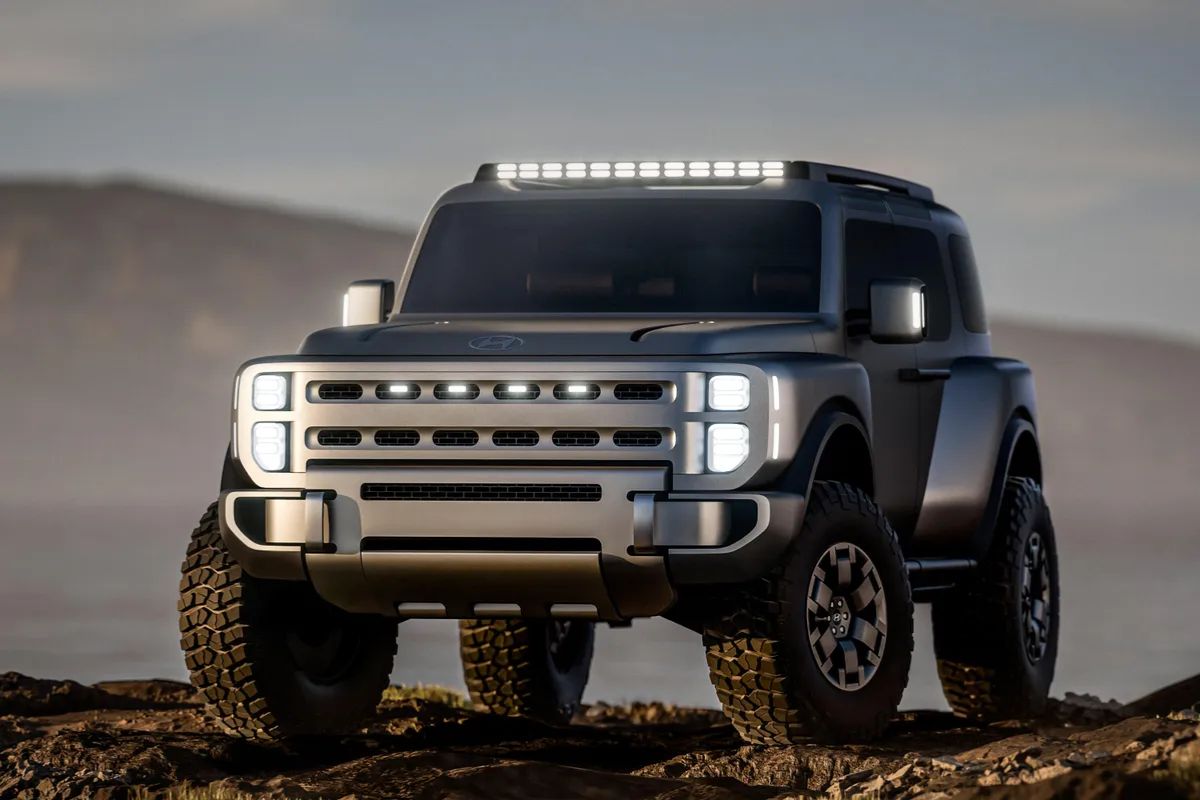
Hyundai has unveiled the Boulder, a square SUV with a body-on-frame design, 37-inch mud tires, and carriage-style doors that seems to be made to take on the Ford Bronco and the Scout Traveller in the United States.
-
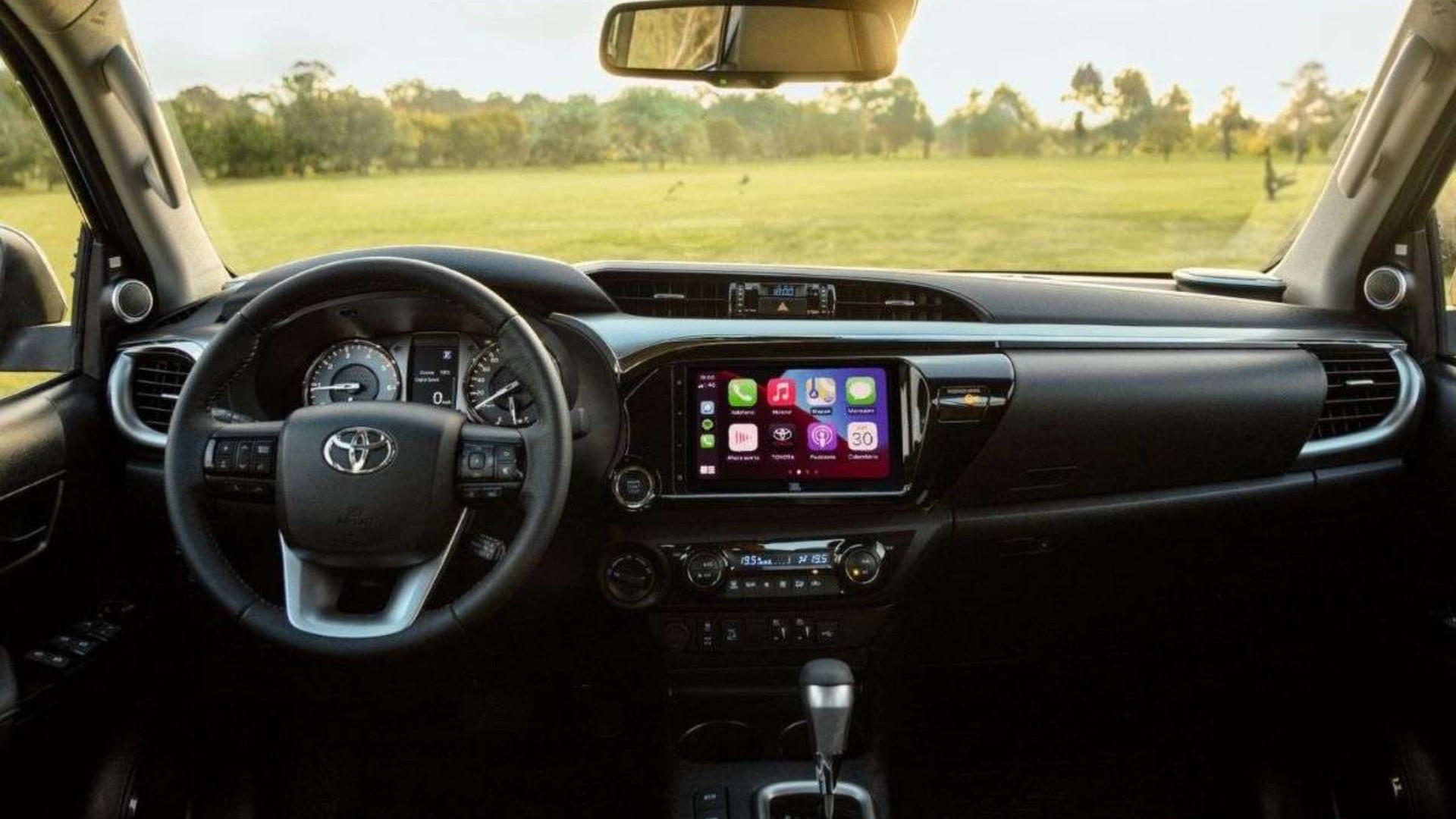
The Toyota Hilux is R$ 75.5 thousand cheaper and bets on the 2.8 turbodiesel engine with up to 204 hp and 50.9 kgfm to catch up with the VW Saveiro, which leads with 4,472 sales.
-
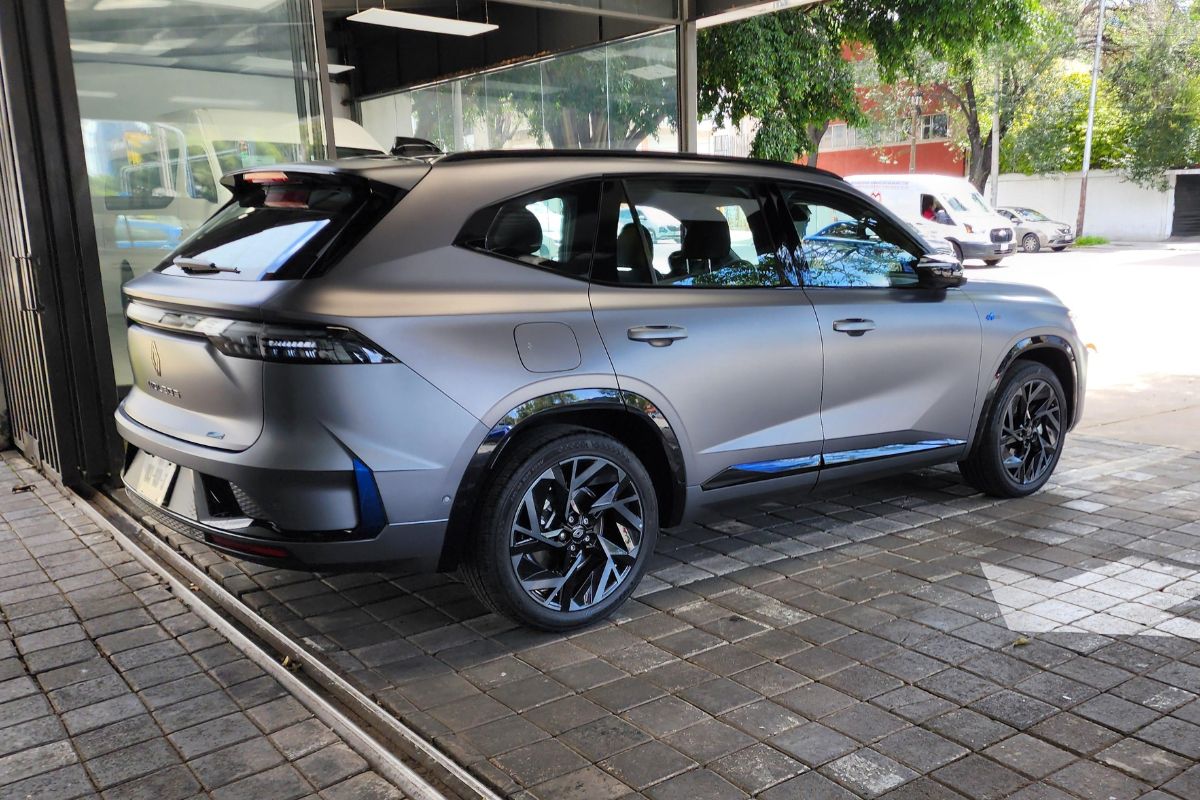
The new Renault Koleos has a screen exclusively for the passenger that is invisible to the driver, heated rear seats, and 29 assistance systems, but its Chinese competitors cost R$ 40,000 less and deliver more power.

The conflict over claims for better salaries in tire factories began in early 2022; however, with the factory blockades last Friday, the crisis escalated and led to the total and indefinite halt of production at the three companies operating in Argentina: the local Fate, the Italian Pirelli, and the Japanese Bridgestone.
A new conciliation hearing took place on Monday (26) at the Ministry of Labor, between representatives of the companies and the Single Tire Workers’ Union (Sutna). However, the hearing failed, and a new conciliation meeting was held on Wednesday (28). The Secretary of Industry, José Ignacio De Mendiguren, said he was hopeful that an agreement could be reached regarding the crisis on Wednesday. Since the start of the impasse, 35 hearings have already been held.
The Secretary reported that if the conflict prolongs, automobile production in Argentina could decrease by 10% to 15%, which would mean losses of between US$ 250 million and US$ 300 million in exports.
The Automotive Industry Leads Argentina’s Industrial Growth
An emergency meeting was held on Tuesday (27) among representatives of the automotive value chain, executives from tire manufacturing companies, leaders of other industry unions, the Minister of Economy, Sergio Massa, De Mendiguren, and the Secretary of Commerce, Matías Tombolini, to analyze the impact of the problem.
The Association of Automobile Manufacturers (Adefa), after the meeting, warned in a statement that last Friday’s decision to block tire factories leaves no option but to stop vehicle production in an industry that has been growing at a rate of 29% in 2022.
Manufacturers also reported that the radicalization of such actions creates uncertainty in export markets due to the possibilities of shortages, in addition to affecting investment plans for development.
After the meeting, De Mendiguren told the press that companies are requesting the lifting of the blockades, at least to allow tires within the factories, and that they do not rule out the possibility of opening tire imports.
The automotive industry is second among Argentina’s main export sectors, ranked only behind agribusiness. 60% of vehicles produced in the country are destined for foreign markets.
In 2022, the automotive sector leads Argentina’s industrial growth, with a production increase of 29.5% in the first eight months of the year. Between 2017 and this year, the automotive terminals operating in Argentina announced investments of US$ 6.26 billion.









Seja o primeiro a reagir!