Portuguese
  Spanish


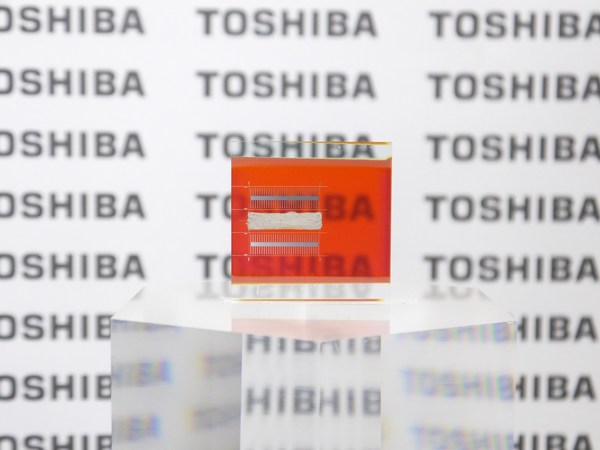

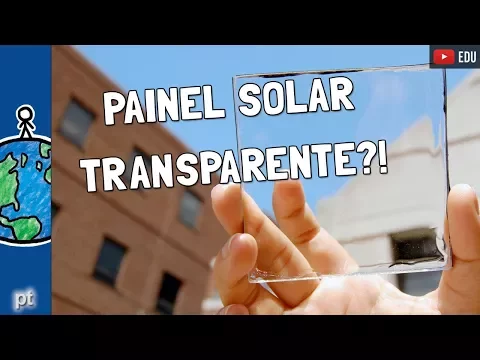
Toshiba, Located in Japan, Announced Through PRNASIA That It Is Developing a “Nearly Transparent” Cell That Will Be Implanted in Solar Panels and Automobiles, Such as Cars and Trains. This Is Not the First Study That Considers the Possibility of a “Colorless” Cell: In the United States, For Example, Other Companies Are Also Looking at This Possibility So That Solar Panels Can Be Added to Apartment Windows, Thus Allowing Conversion to Energy for Domestic Use.
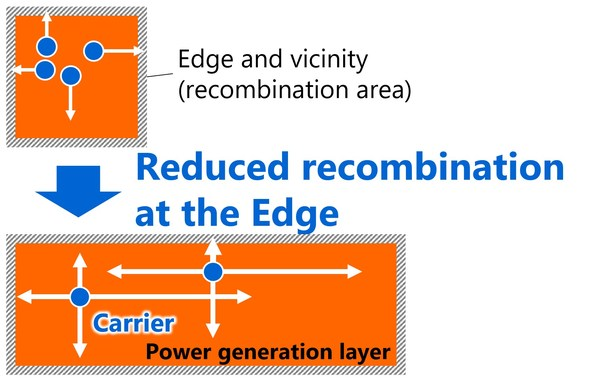
The studies found ways to make the cell more productive than current market versions when added on top of a solar panel. “We found that a larger cell size effectively suppresses the recombination of the photo-carrier,” explains Kazushige Yamamoto, a member of Toshiba’s Corporate Research and Development Center and leader of the research team. “Increasing the energy generation area from the previous 3x3mm2 to 10x3mm2 resulted in a relative reduction in edge recombination of the cell, and the resulting increase in photocurrent pushed the conversion efficiency to 9.5%.”
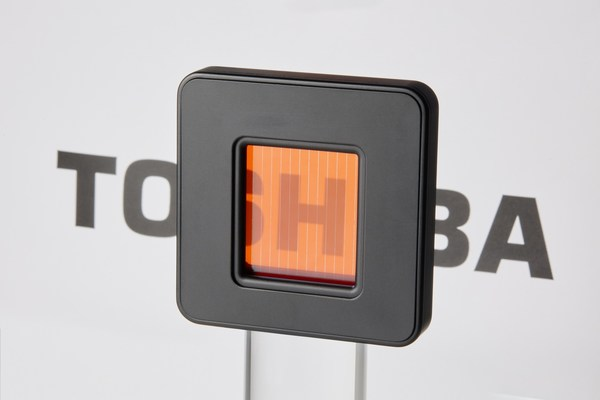
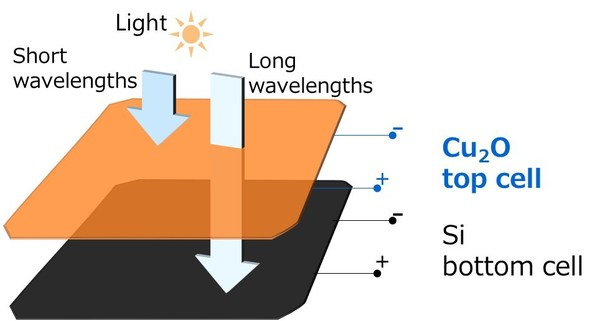
Toshiba estimated that positioning the new Cu2O solar cell over a 25% efficiency silicon cell results in a 28.5% efficiency, significantly exceeding the 26.7%, the highest percentage reported for any standard silicon cell.
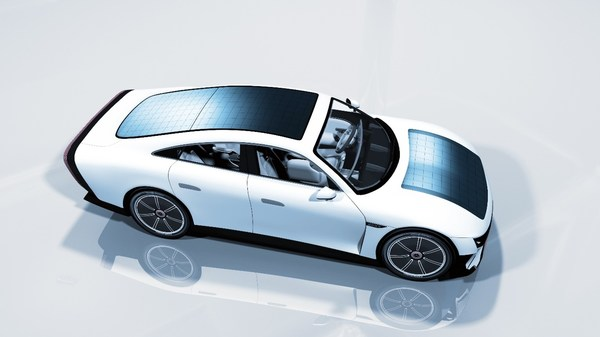
According to the testing criteria set by NEDO, Toshiba found that a single charge allows the Cu2O-Si cell to power an electric vehicle (EV) for 37 km. Furthermore, additional improvements in solar cells are expected towards the theoretical maximum efficiency of 42.3% to extend the range to approximately 55 km.
-
World’s Largest Engie Solar Plant in Brazil Highlights Billion-Dollar Energy Waste Issue: Company Considers Batteries and Bitcoin Mining to Avoid Wasting Production

-
Air Products Cancels $2.9 Billion Clean Hydrogen Megaproject in Louisiana, Shuts Down Arizona Unit, Highlighting High Costs of U.S. Energy Transition
-
Over 60 Tractors Take to the Streets in Lopera as Solar Parks Compete with Olive Groves, Affecting 13,000 to 100,000 Trees According to Conflicting Reports

-
Green Hydrogen Projects in Northeastern Brazil Stalled for 18 Months Awaiting Government Decree, Delaying Billions in Investments


Discovery Will Be Presented at Energy and Solar Panel Conferences
Toshiba will showcase this technological advance at CEATEC 2022, an international hybrid technology exhibition to be held in Japan in October. The project will also be presented at the 33rd International Photovoltaic Science and Engineering Conference (PVSEC-33) at the Nagoya Congress Center in Nagoya, Japan, from November 13 to 17.
Approaching practical use in the fiscal year 2025, Toshiba will collaborate with Toshiba Energy Systems & Solutions Corporation to develop manufacturing technology for cells the same size as conventional silicon solar cells.
The Needs for Discoveries About Solar Panels and New Scientific Advancements
On July 5, Click Oil and Gas shared a Finnish news about the possibility of creating a sand battery. This discovery would be a way to escape the crisis left by the lithium mining market, which had an 11% lower production than expected in the pandemic year, causing prices to soar.
This is just one of the many discoveries about the energy market that scientists are developing even before the year 2022, to escape the crisis left by the war between Russia and Ukraine simultaneously with commodity fluctuations, which caused energy and metal prices to skyrocket.