





 Portuguese
  English
  Spanish
 5 min of reading
  0 comments


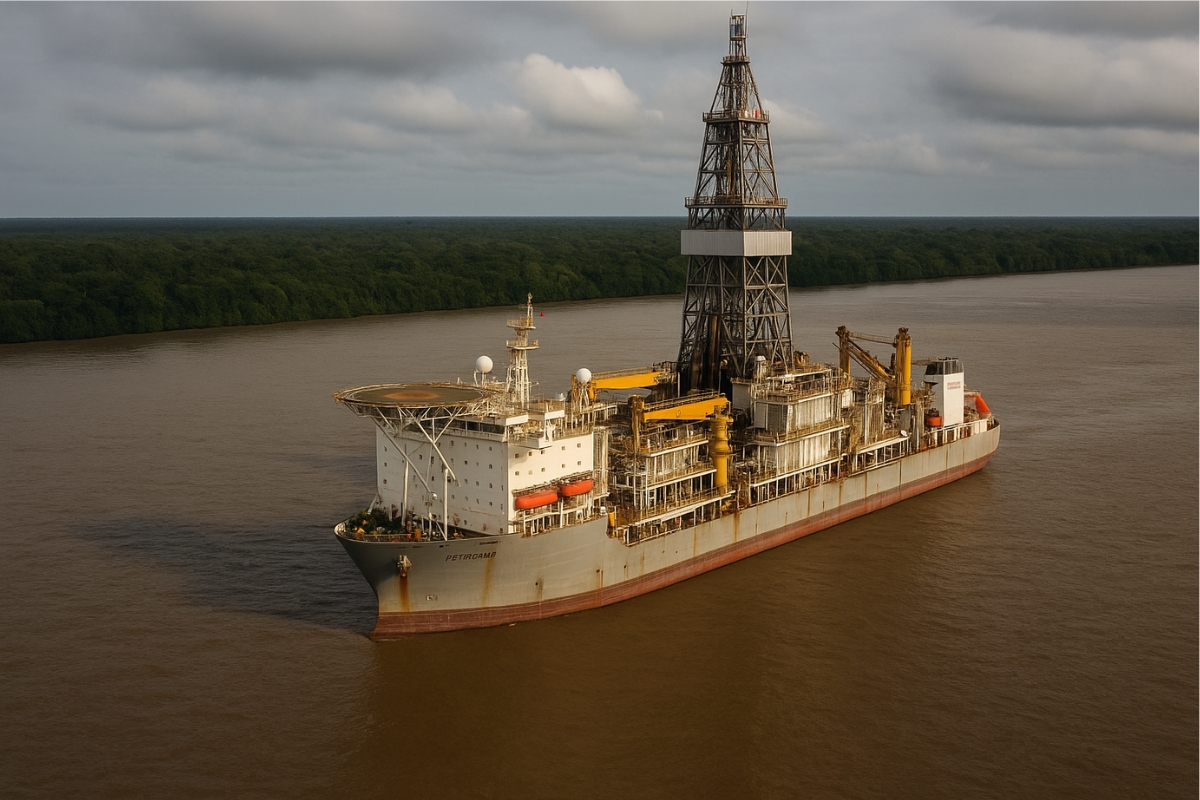
Ibama Requests New Data and Delays Petrobras’ License to Drill in the Mouth of the Amazon Again. The Rig, Costing R$ 4.2 Million Per Day, May Be Replaced If Approval Doesn’t Come By the Deadline, Increasing Losses and Environmental Deadlock
Petrobras faces another deadlock in its attempt to explore oil in the Mouth of the Amazon Basin. The Brazilian Institute of Environment and Renewable Natural Resources (Ibama) demanded new details about emergency plans and marine fauna protection protocols, once again delaying the approval of the drilling license.
Meanwhile, the rig contracted for the project, valued at R$ 4.2 million per day of operation, is nearing the end of its contract and may need to be replaced if approval is not granted by October 21.
The situation reignites the debate over the balance between Brazilian energy urgency and the preservation of one of the planet’s most sensitive regions — the confluence of the Amazon River and the Atlantic, an area of extreme biodiversity and ecological relevance.
-
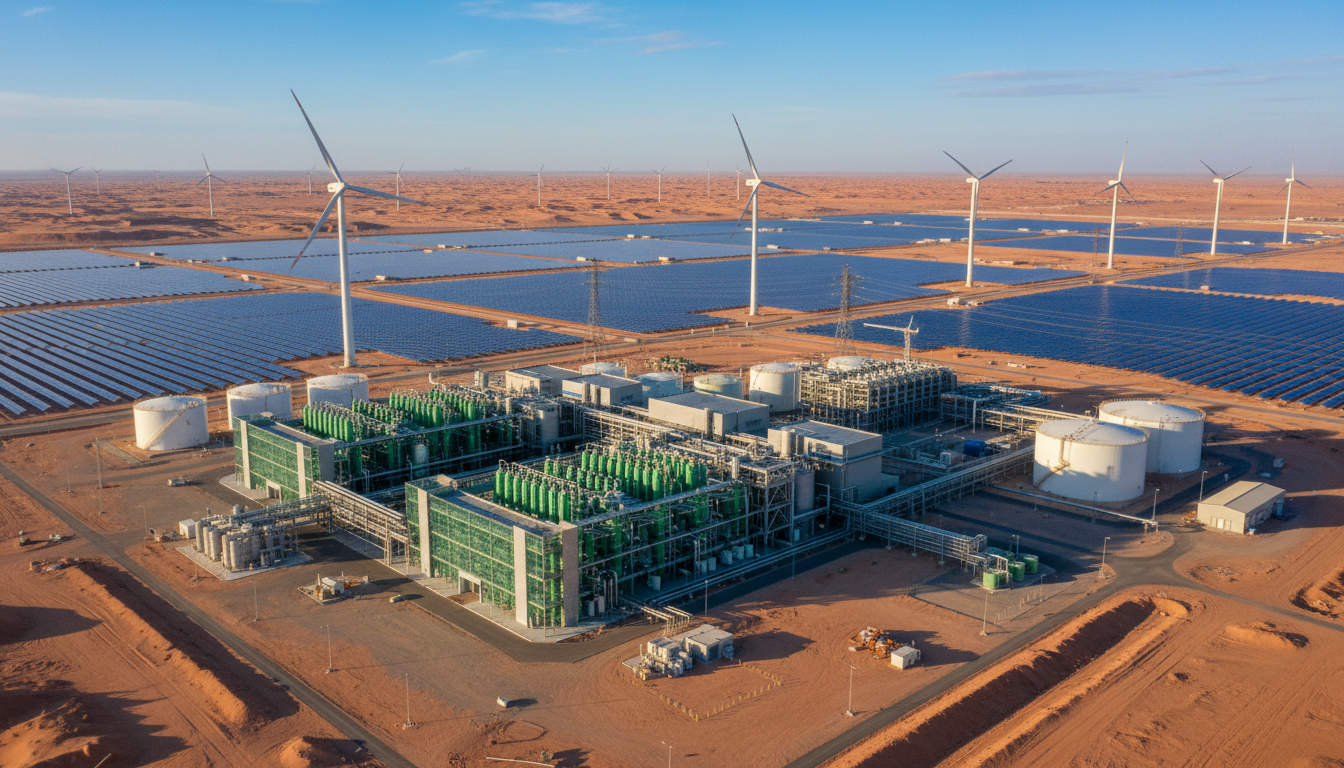
In the Saudi Arabian desert, the world’s largest green hydrogen plant is 80% complete and will use 4 gigawatts of solar and wind energy to produce 600 tons of clean fuel per day when it opens in 2027.
-
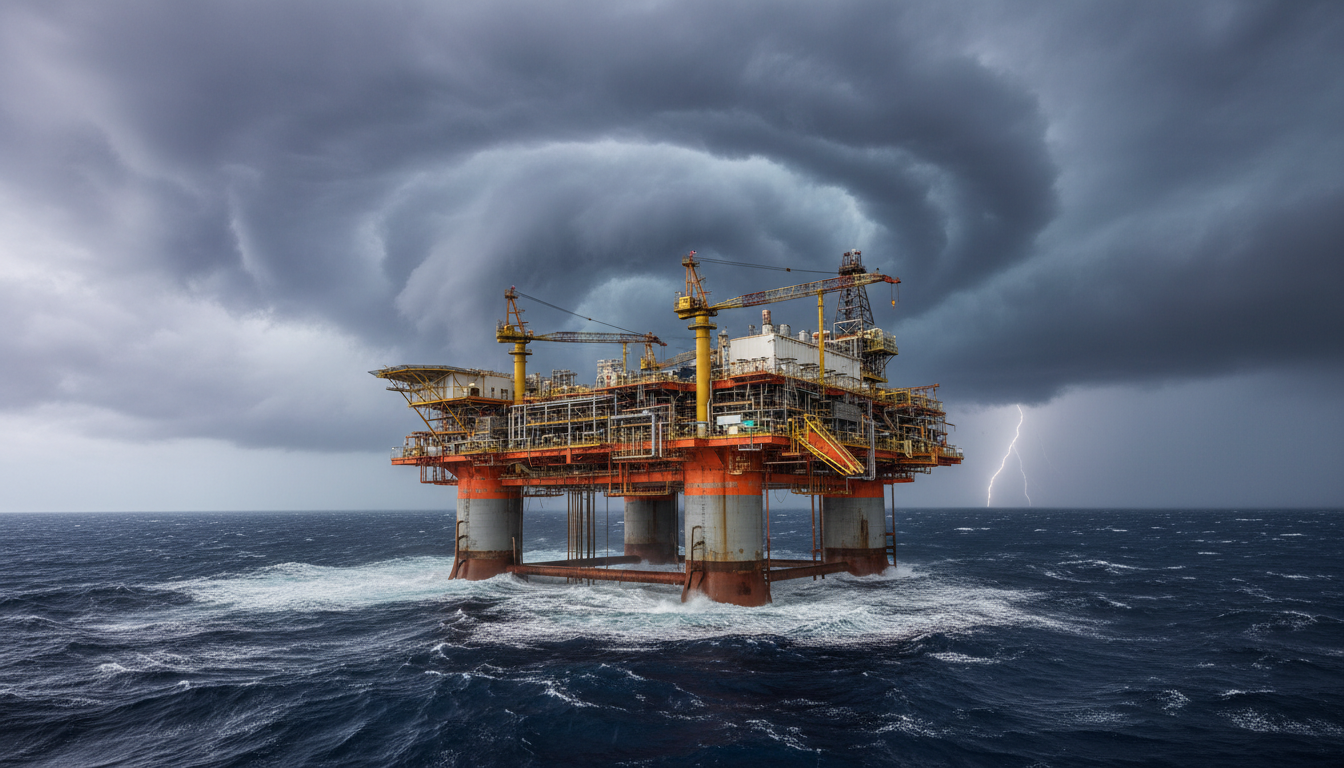
Sixteen years after the largest environmental disaster in oil history, BP has just received approval to open its first new field in the Gulf of Mexico, and the 10 billion barrels are 10 kilometers below sea level.
-
An Italian company has created an underwater drone that lives on the ocean floor for 12 consecutive months without returning to the surface, and the embedded artificial intelligence allows it to inspect and repair oil pipelines on its own.

-
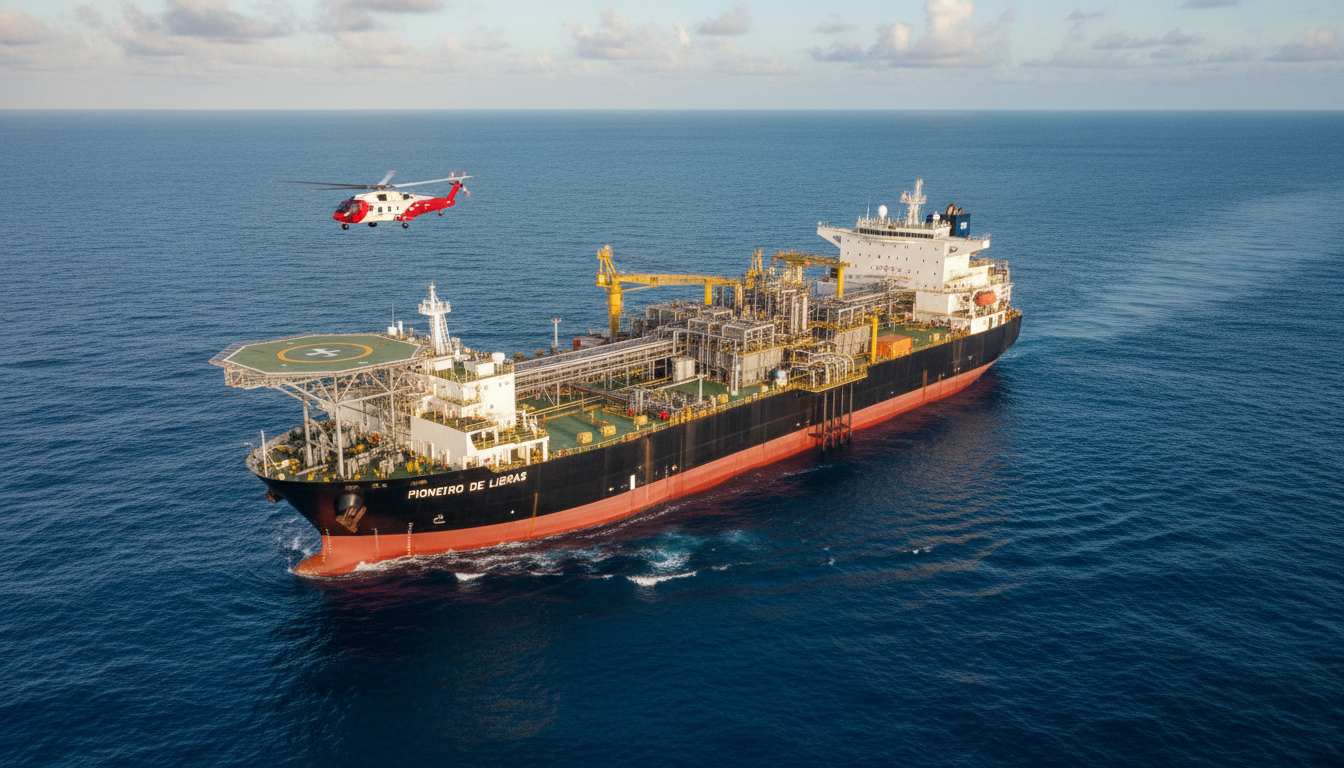
With the war silencing the wells of Iran, Brazil set a record of 5.3 million barrels per day and rose in the global oil ranking without anyone noticing — the pre-salt now accounts for 80% of everything that comes from the seabed.
A Billion-Dollar Project Stalled in Time
The Mouth of the Amazon is considered one of the last unexplored frontiers for oil in Brazil. Block FZA-M-59, located about 175 kilometers off the coast of Amapá, was acquired by Petrobras in 2013 and has since been waiting for authorization to begin drilling.
Studies indicate that the potential of the Brazilian equatorial margin could rival the rich deposits discovered in Guyana, which would place the country among the largest producers in the Atlantic.
Petrobras has heavily invested in the necessary infrastructure to meet environmental requirements: it built a veterinary center in Oiapoque for the rescue and treatment of marine animals, installed monitoring equipment, and trained rapid response teams.
Even so, Ibama found some aspects of the contingency plans insufficient and requested new simulations and additional data.
In a recent report, the agency stated that there are still “technical uncertainties and operational gaps” in the individual emergency plans presented by the state-owned company. The decision frustrated Petrobras’ expectations, which had hoped to obtain the license by early October to take advantage of the operational window for the rig.
The Cost of Every Day Stalled
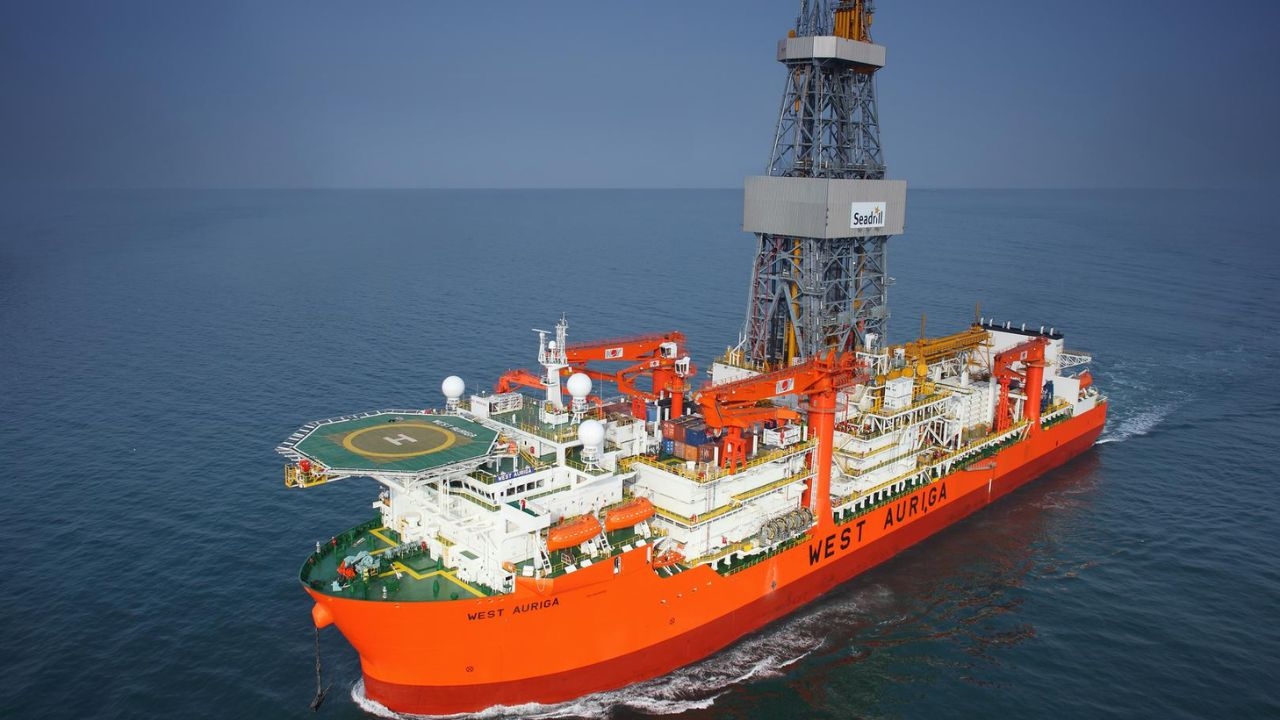
The delay comes at a high price. The rig “West Auriga,” contracted by the company, has been anchored for months off the coast of Maranhão awaiting authorization. Each day of waiting costs approximately R$ 4.2 million, totaling over R$ 180 million in accumulated losses solely for equipment rental and maintenance.
The president of Petrobras stated that the contract for the rig expires on October 21 and that if licensing is not completed by then, a new vessel will need to be sought, which may restart the entire environmental analysis process from scratch.
According to the state-owned company, this is a type of rig “rare in the world,” and finding a compatible replacement may take months and further increase costs.
In addition to direct financial losses, there is a risk of impacts on production schedules and investor confidence, who view the situation as a test of Brazil’s regulatory capacity to reconcile energy exploration and environmental preservation.
Environmental Pressure and Growing Opposition
Exploration in the Mouth of the Amazon has faced criticism from environmentalists and researchers since the project’s inception.
The main argument is that any potential oil spill in the region could trigger an environmental disaster of significant proportions, affecting mangroves, reefs, and riparian communities.
Opinion polls show that 61% of Brazilians oppose oil drilling on the Amazon coast, according to a recent survey by Reuters.
The fear is that the country will repeat mistakes made in other exploration frontiers, such as the Gulf of Mexico, where operational failures resulted in environmental disasters and billion-dollar losses.
On the other hand, the federal government and parts of the energy sector argue that the project is strategic to ensure energy security and create new development poles in the North of the country.
President Luiz Inácio Lula da Silva even stated that Ibama should “be satisfied” with the tests conducted by Petrobras, which drew reactions from agency technicians and environmental organizations.
The Brazilian Dilemma: Energy or Preservation?
The case of the Mouth of the Amazon highlights the dilemma Brazil faces between expanding its oil production — essential for maintaining exports and tax revenues — and leading the green energy transition promised in international forums.
Experts warn that delays in licensing also have ramifications in the geopolitical landscape. While Guyana and Suriname make rapid advancements with their light oil discoveries, Brazil risks losing prominence in the equatorial margin, one of the most coveted areas for global majors.
At the same time, the country is trying to consolidate an image of environmental leadership and host of the upcoming COP30 in Belém, which increases the sensitivity of any decision related to the Amazon.
And Now?
Petrobras and Ibama have a new meeting scheduled for October 16, when the state-owned company is expected to present the requested clarifications.
If the report is favorable, the license may be issued later this month. If there is no technical consensus by the rig’s expiration date, the project may face another indefinite delay.
For experts, the episode makes it clear that the lack of planning and sluggish communication between the company and environmental agencies can be very costly. And the country needs to urgently define an energy policy that aligns with its climate and economic ambitions.









-

-

2 pessoas reagiram a isso.