





 Portuguese
  English
  Spanish
  3 min of reading
  0 comments


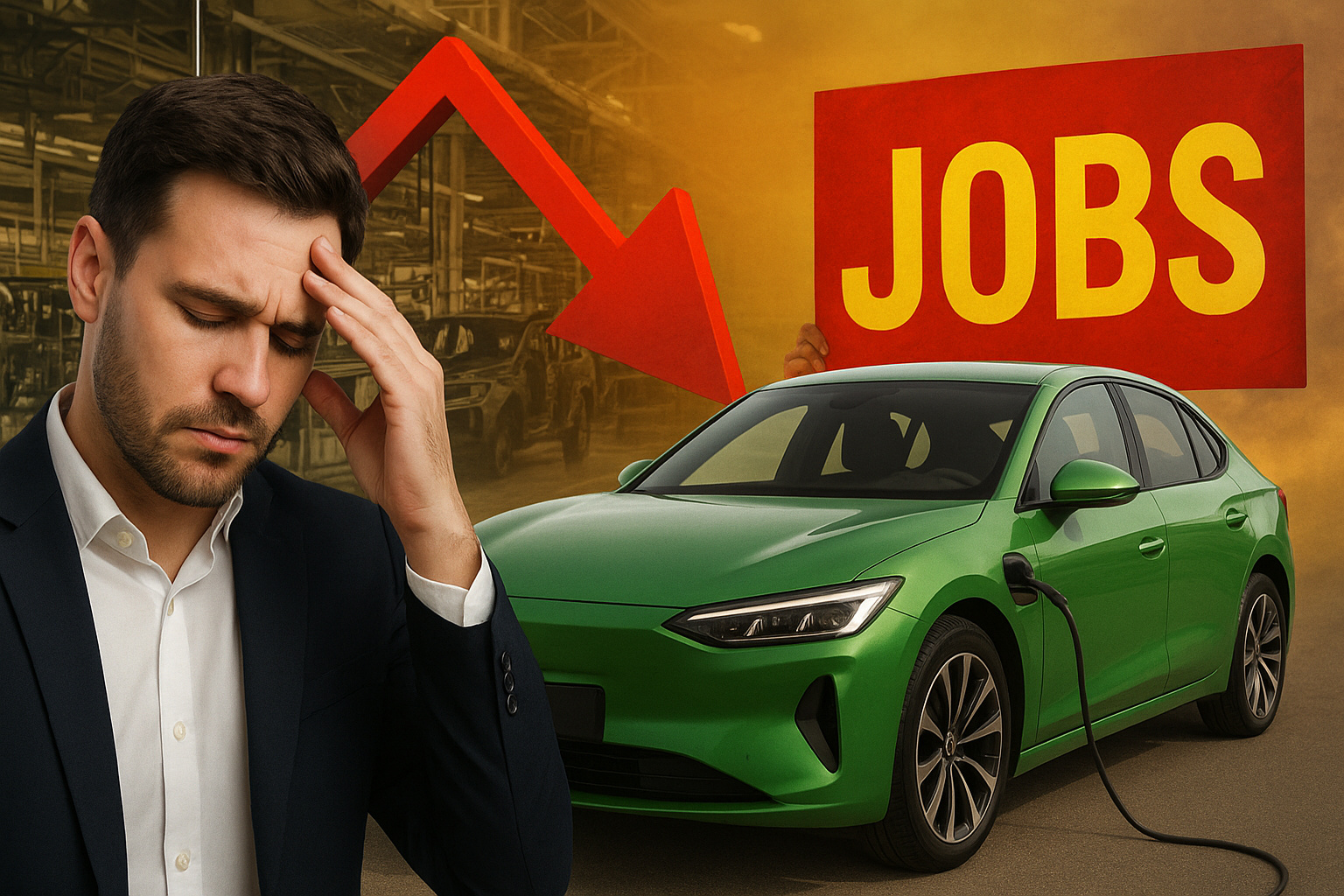
Job Cuts And Falling Sales Reveal Crisis In The Automotive Industry And Batteries In Europe And China.
Crisis In The Automotive Industry Worsens With Cuts And Decline Of Electric Vehicles
The automotive industry is experiencing a global crisis. The transition to electric cars, once celebrated, now causes job cuts and a retraction abroad.
Job losses are spreading across Europe and Asia. Vehicle and battery manufacturers face declining sales and economic uncertainties.
This transformation, which seemed inevitable, has become a challenge. Automakers are racing to balance technological innovation and financial survival.
-
A fine of R$ 115 thousand puts Goodyear at the center of an environmental case in Americana after oil and grease appeared in a stream and the company was forced to act quickly.

-
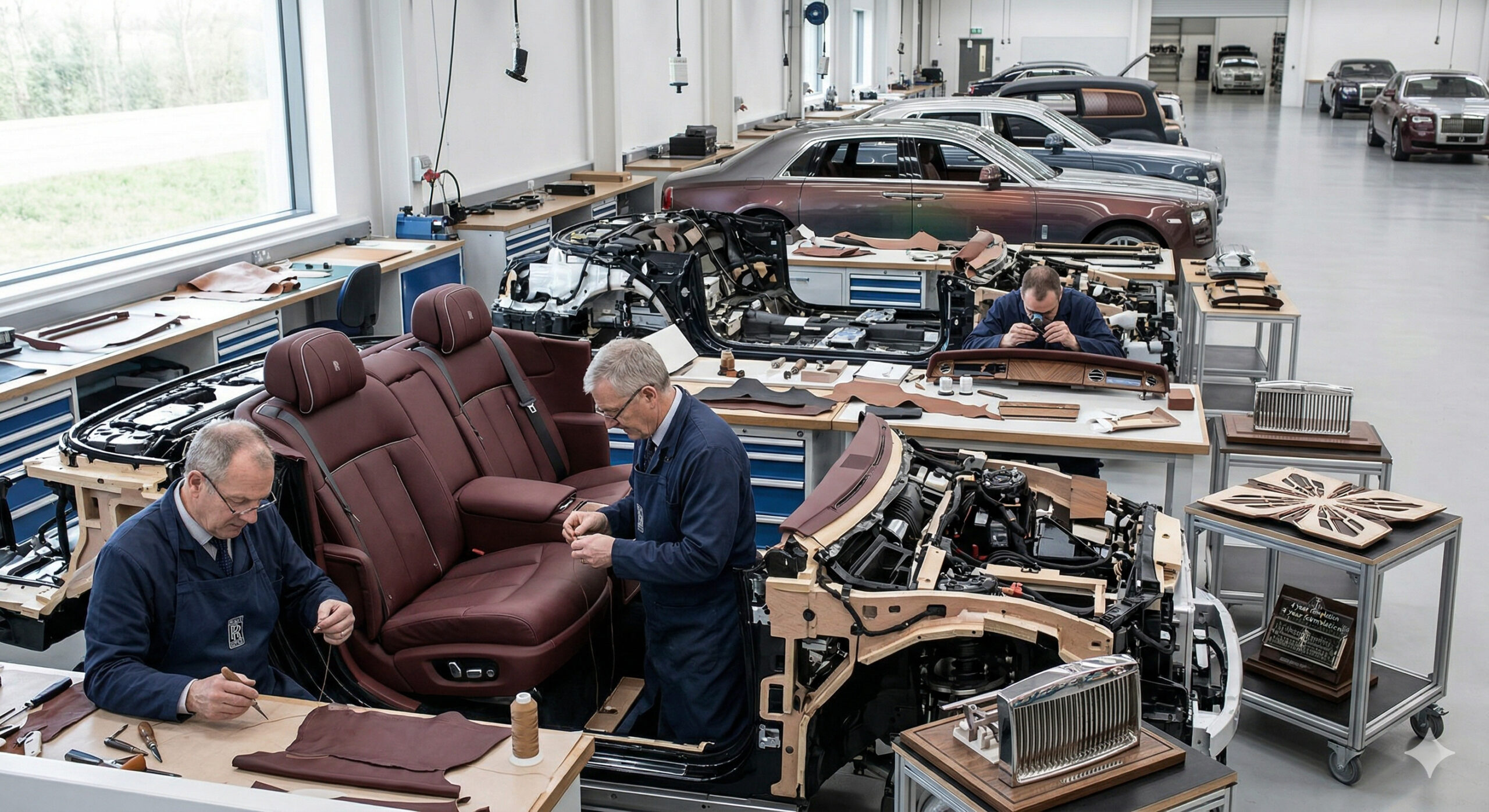
While much of the industry rushes to automate production, Rolls-Royce takes over 600 hours to hand-build each car in Goodwood and still accepts orders so complex that they can take up to four years to be completed.
-
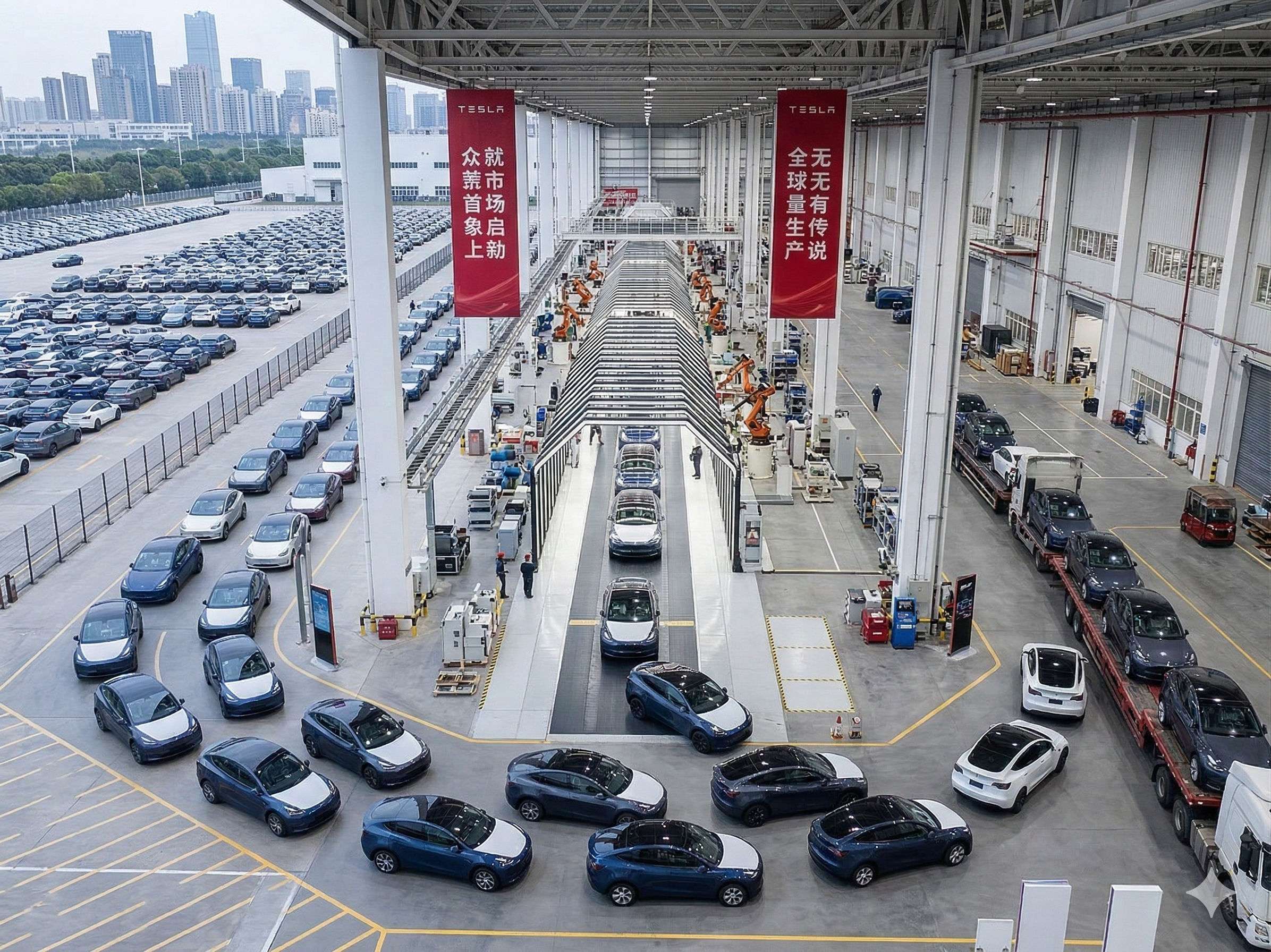
Smaller than the Model Y, lighter, with a single motor and designed to cost less than the current Model 3, Tesla’s new compact electric SUV is born in China and could seal the automaker’s return to the race for mass-market electric vehicles.
-
Kawasaki took the technology from its most brutal racing bikes, squeezed it into a 400cc 4-cylinder engine that revs to 15,000 RPM, and created the ZX-4R, a machine that shouldn’t exist in this displacement but is making experienced riders rethink everything they thought they knew about mid-range motorcycles.

European Automakers Face Cuts And Shutdowns
In Germany, the situation is concerning. Ford cut 1,000 jobs. Volkswagen and Audi suspended assembly lines.
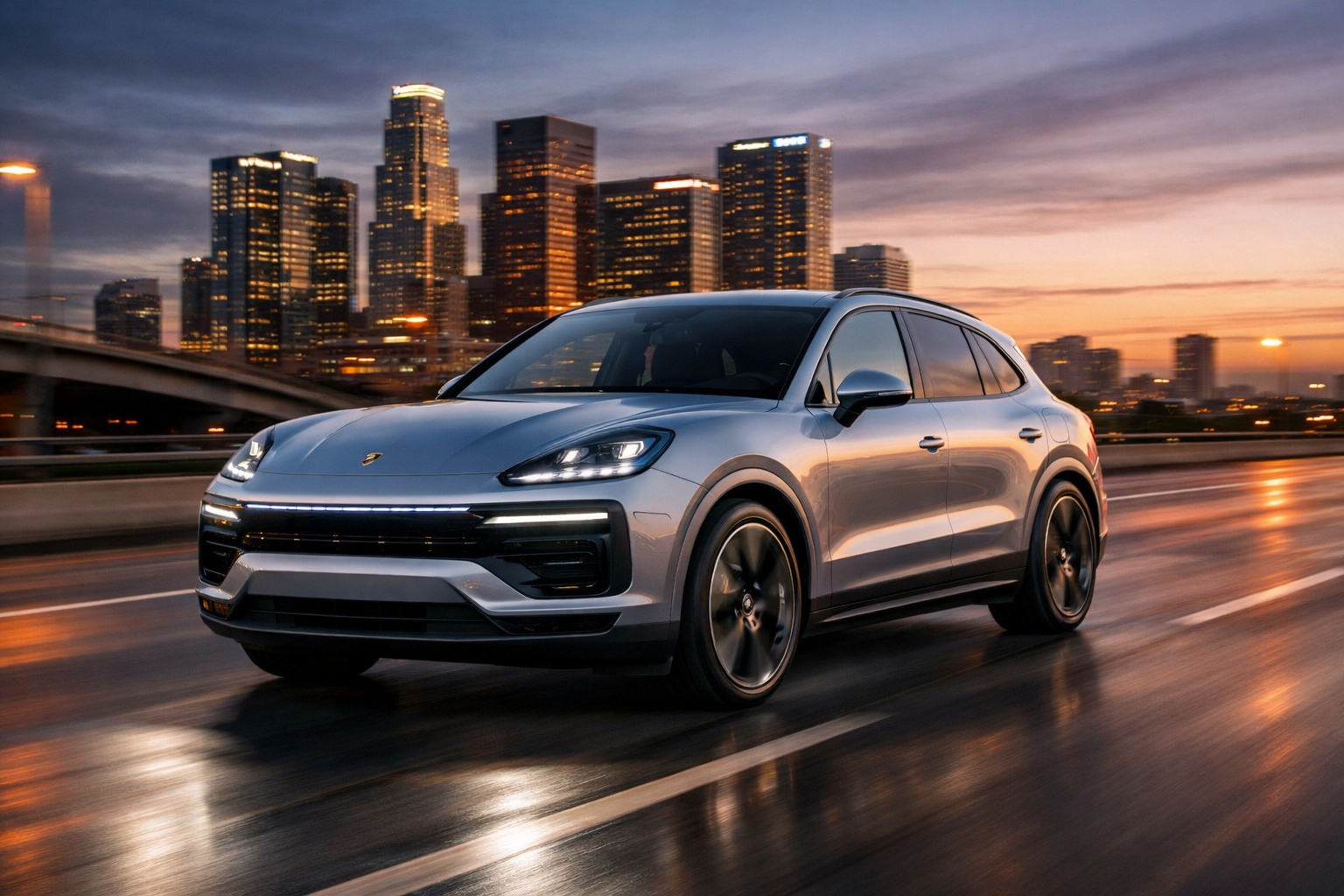
Meanwhile, Porsche, affected by the drop in sales, decided to maintain hybrid and combustion versions in new SUVs. The shift shows caution amid instability.
Bosch, the world’s largest auto parts manufacturer, announced 13,000 layoffs by 2030. Continental, Schaeffler, and ZF also foresee over 7,000 cuts.
The impact extends. Smaller companies, such as Fram and Trico, have applied for bankruptcy protection. The crisis is advancing throughout the production chain.
Battery Factory In Hungary Exposes Sector Fragility
CATL, the Chinese battery giant, is going through a tough phase. Based in Debrecen, Hungary, it promised to create up to 9,000 jobs.
However, only 800 workers have been hired. Additionally, local residents are protesting. They fear the high water consumption and chemical pollution from the factory.
The case reveals the contradiction of electrification. Despite the sustainable rhetoric, the environmental and social impact is increasing in various regions.
China Also Feels The Effects Of The Price War
Even China hasn’t escaped the crisis. The competition for low prices among electric car manufacturers threatens small businesses.
According to CNN, many could go bankrupt. He Xiaopeng, founder of Xpeng, stated:
“The elimination phase in China’s automotive industry will continue for another five years. Probably only five major brands will remain.”
The statement reflects a consolidating market. The pursuit of competitiveness leads to cuts, mergers, and increasingly smaller margins.
Italy Tries To Contain The Crisis With Million-Euro Subsidies
On the other hand, Italy is trying to reverse the situation. The government announced 600 million euros in incentives for electric cars until 2026.
The 11,000-euro bonus aims to encourage the replacement of old and polluting vehicles. However, the program has severe restrictions.
Only families with an income below 2,500 euros per month can participate. Additionally, the benefit is only valid in cities with more than 50,000 inhabitants.
Brands like Leapmotor and Dacia have taken advantage. They reduced the prices of models T03 and Spring to below 5,000 euros—an amount similar to that of a premium bicycle.
Even so, experts fear that the plan will fail. The income limit and restricted coverage may prevent full utilization of the resources.
New Models Try To Recover Public Interest
Despite the uncertainties, the automotive industry continues to innovate. Jaecoo, linked to Chery, launched the hybrid SUV Jaecoo 7.
The model combines turbo and electric engines, delivering up to 339 hp. Additionally, it promises a range of up to 1,200 km in urban use.
Foton has introduced the Tunland V7 and V9 pickups, featuring a semi-hybrid system and an eight-speed automatic transmission.
While the V7 prioritizes robustness, the V9 focuses on urban comfort and technology. Both aim to show that electric vehicles still have a place in the market.
Electric Future Still Distant And Uncertain
Electrification is advancing, but it faces barriers. High costs, low demand, and job cuts indicate a slower pace.
Thus, governments and companies are trying to adjust their strategies. While some bet on incentives, others reduce investments.
The future of the automotive industry will depend on balance. It will be necessary to combine sustainability, innovation, and social stability to keep electric cars viable.







Seja o primeiro a reagir!