





 Portuguese
  English
  Spanish
 4 min of reading
  0 comments


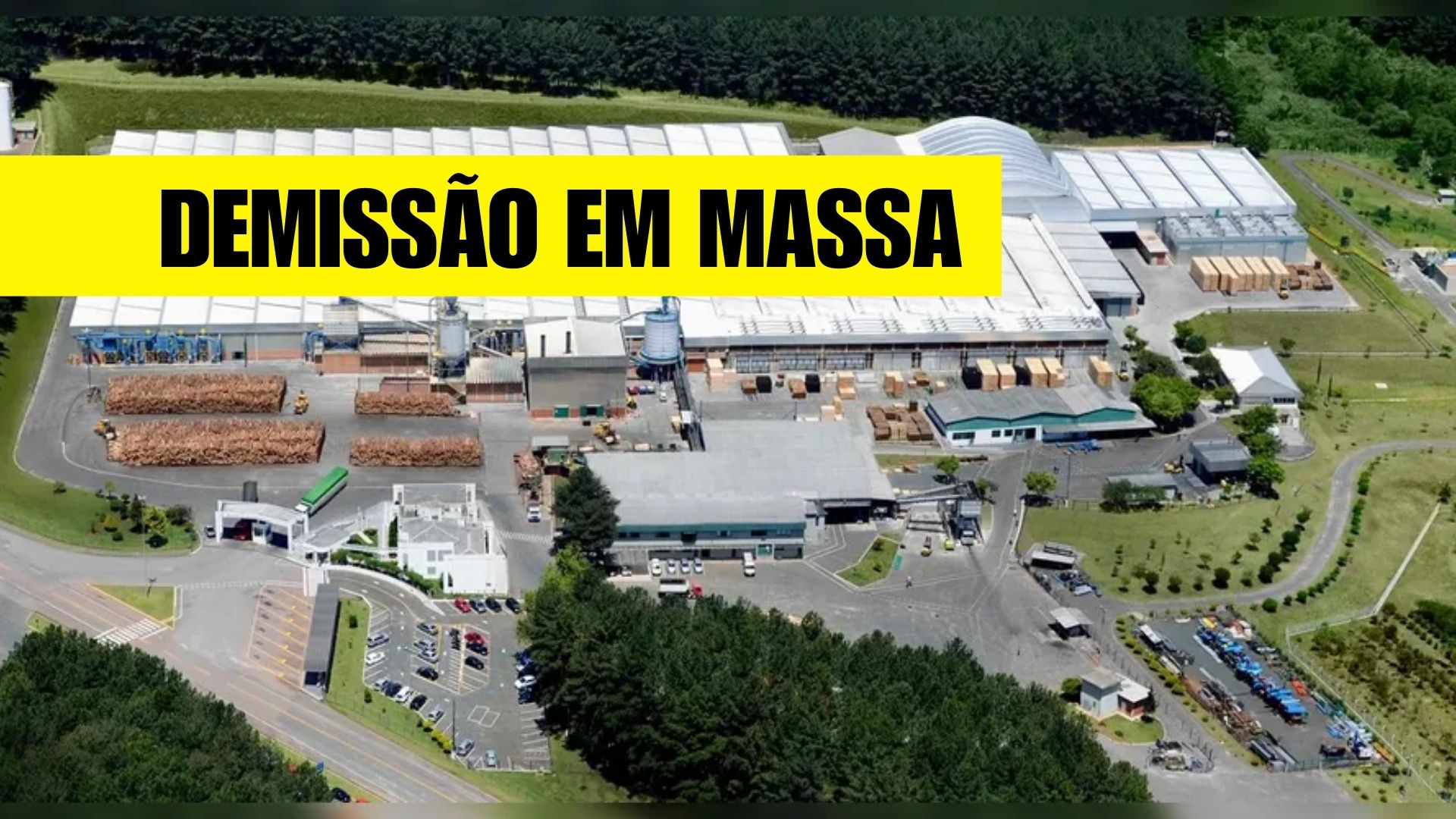
BrasPine Announces Cuts and Layoff in Two Cities in Paraná After US Tariff, Directly Impacting Workers and Wood Sector Production. The Measure Hits Hundreds of Families and Exposes Dependence on Brazilian Exports.
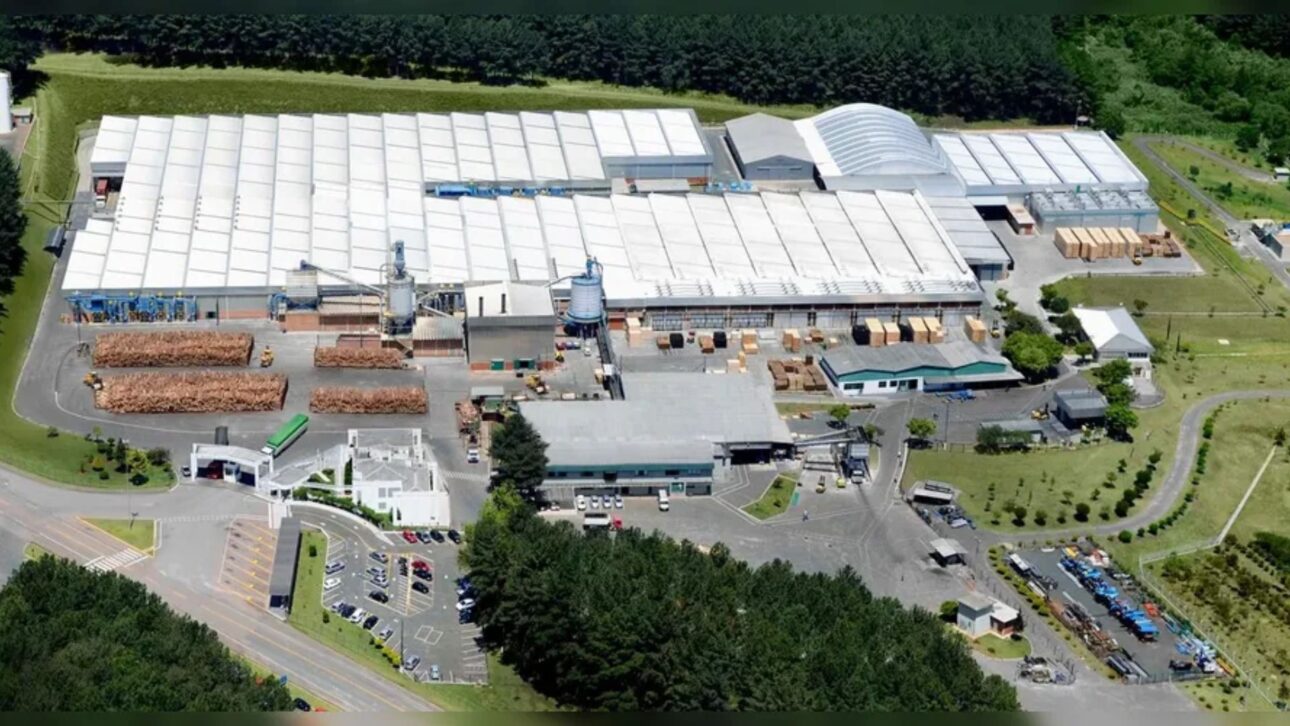
BrasPine, wood products industry with units in Jaguariaíva and Telêmaco Borba, in Campos Gerais of Paraná, confirmed the dismissal of about 400 employees this Wednesday (03).
According to the company, the decision is directly related to the 50% tariff imposed by the United States on imports of Brazilian products, the company’s main consumer market.
Layoffs and Layoff in the Paraná Units
According to a statement sent by BrasPine, the job cuts occurred at both plants.
-
He sold his share for R$ 4 thousand, saw the company become a giant worth R$ 19 trillion, and missed the opportunity of a lifetime.

-
Elon Musk’s Starship megafrocket puts $8 billion at risk, raises alarms in the market, and could affect technology, mining, and space internet startups in the coming years.

-
Airfare prices may rise with increasing fuel costs, and the government is considering urgent measures to avoid a direct impact on the wallets of Brazilians.
-
Chocolate prices soar nearly 15% and become a luxury item for Easter 2026, with increases surpassing inflation and changes in Brazilian consumption habits.


Additionally, approximately 1,100 workers will enter into layoff, with a temporary suspension of the contract and participation in qualification courses.
The company reported that employment links and benefits will be maintained during the training period.
In Jaguariaíva, the company stated that it will continue to operate in two shifts, although with reduced capacity.
What BrasPine Says
In the statement, the management attributed the measure to the abrupt decline in orders following the US tariff.
The company stated that, “due to the trade tariffs imposed by the United States and the lack of progress in sector negotiations, we are facing a significant decline in demand, with direct impact on the viability of operations.”
The text also mentions the need to “preserve financial sustainability and future recovery capacity,” which is why combined actions were adopted: layoffs, layoff with professional qualification for about 1,100 employees, and partial maintenance of production.
50% Tariff and Effect on Brazilian Exports
The 50% tariff on a significant portion of Brazilian exports to the United States came into effect on August 6, 2025, following a presidential decree signed on July 9.
The increase raised the general rate applied to Brazilian products and, according to the sector, reduced the competitiveness of industrialized wood items in the US market.
BrasPine had the US as its primary sales destination, which left the company more exposed to changes in the scenario.
Collective Vacations Already Indicated Production Reduction
The operational adjustment movement began before the layoffs.
In July, the company announced collective vacations for a significant portion of the workforce.
The first phase affected about 700 workers and, days later, the reach was expanded to 1,500 of the 2,500 direct employees distributed between the units of Jaguariaíva and Telêmaco Borba.
At the time, BrasPine reported that the goal was to align production with demand and wait for a definition on the external commercial environment.
Local Impact and Response from Public Authority
The news of the layoffs resonated in Jaguariaíva, a municipality with just over 35,000 inhabitants according to the 2022 Census by IBGE.
The industry is part of the forest chain that sustains direct and indirect jobs in the region.
Local authorities recognized the immediate economic impact and stated that they are monitoring the situation, while the company said it is maintaining dialogue with government agencies and sector entities to seek alternatives.
Support for Workers and Reemployment
In the same statement, BrasPine declared commitment to transparency and respect for people, offering extension of benefits and support for professional reemployment.
The training planned in the layoff aims, according to the company, to prepare employees for the resumption of operations when market conditions allow.
No deadlines for the end of the program or for new evaluations of the situation have been disclosed.
How the Tariff Changed the Daily Life of the Factory
The imposition of the tariff increased the cost of Brazilian products in the United States, putting pressure on margins and reducing competitiveness against competitors from countries that continue to be subject to lower rates.
In practice, contracts were revised or canceled by foreign buyers, which led to rescheduling shifts, collective vacations, and, ultimately, layoffs of some employees.
The company claims to continuously monitor the international market and wait for any commercial negotiations that could alleviate exporting costs.
Perspectives and Next Steps
Without immediate changes in the external environment, the company’s guidance is to maintain containment measures and training for workers in layoff, preserving the possibility of resumption.
The company did not present production estimates or promise to reverse situations, limiting itself to stating that it will continue to “monitor the market and maintain open dialogue” with authorities and sector representatives.
Context of the Forest Sector
The Paraná-based forest chain is highly dependent on international orders, especially from the US construction and retail sectors.
In times of tariff increases or slowdown in these markets, the effect is usually quick on local factories.
In addition to BrasPine, other industries in the sector have adopted collective vacations, reduced shifts, or temporary suspensions of lines in recent months, reinforcing that this is a sector movement and not an isolated case.
Transparency and Limits of Information
BrasPine did not detail the distribution of layoffs by unit and did not inform the duration of the layoff.
It also has not disclosed, so far, new stages of measures beyond those already communicated.
As long as there is no resumption of orders, the scenario remains conditioned to the evolution of commercial negotiations and any tariff adjustments that may restore the competitiveness of Brazilian exports.
In light of a scenario affecting jobs, income, and revenue in medium-sized cities in the interior, what should be the priority now: negotiating the reversal of the tariff, expanding support for reemployment of the dismissed, or accelerating market diversification to reduce dependence on a single destination?





-

-

-

-

12 pessoas reagiram a isso.