





 Portuguese
  English
  Spanish
  6 min of reading
  0 comments


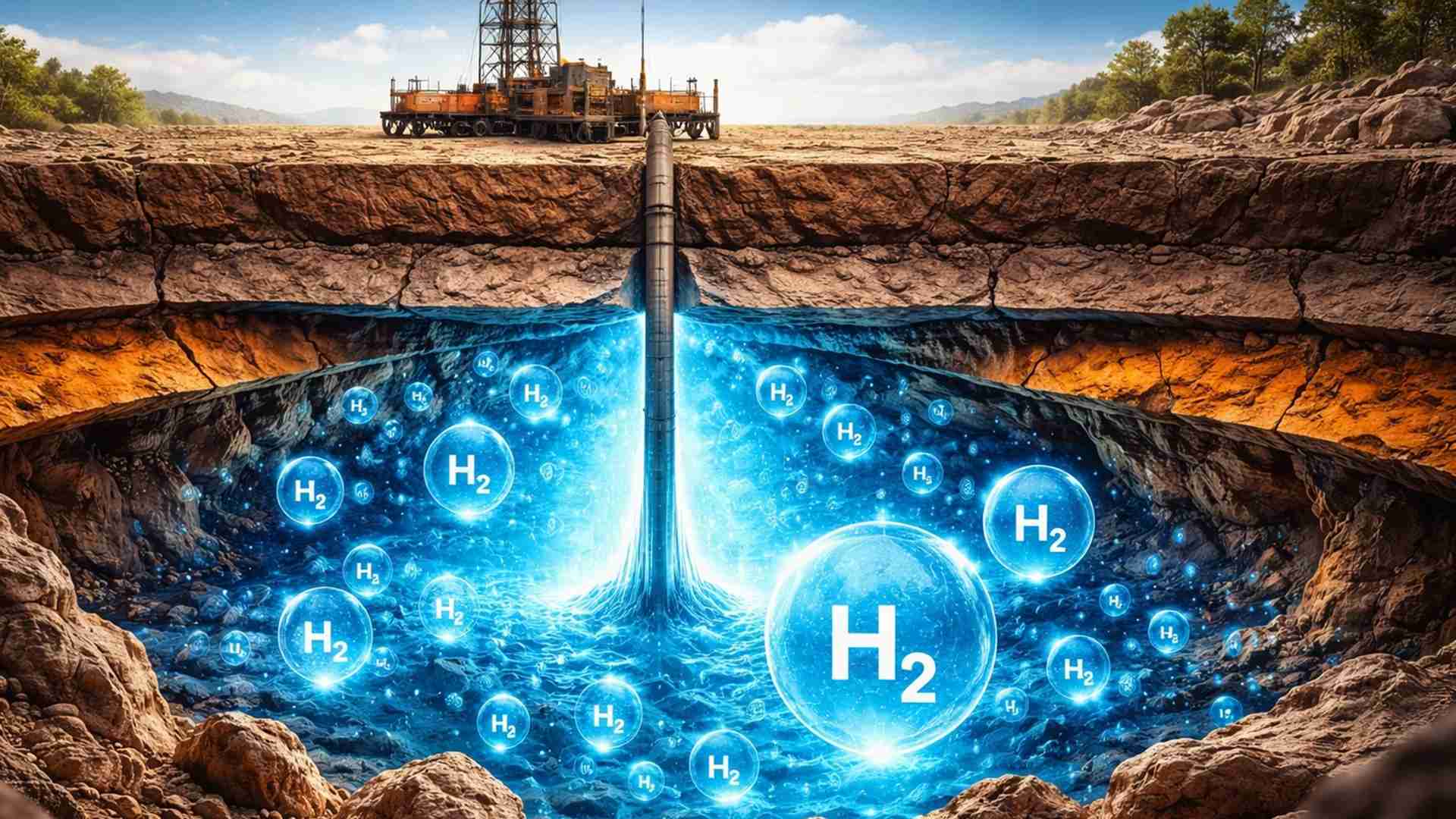
Recent Studies Indicate That The Continental Crust May Contain Trillions Of Tons Of Natural Hydrogen Accumulated Over Up To 1 Billion Years, Volume Capable Of Supplying Global Energy Demand For Tens Of Thousands Of Years And Altering The Current Logic Of Hydrogen Production
A set of recent studies indicates that the Earth’s continental crust may store enough natural hydrogen to supply current society for tens of thousands of years, altering scientific paradigms and opening a new frontier for energy exploration with the potential to reduce emissions associated with industrial hydrogen production.
In 1987, a worker lit a cigarette next to a newly drilled water well near the village of Bourakebougou in Mali. The action caused an explosion within the well, triggered by flammable hydrogen that had accumulated underground and had not been identified until then.
The well was sealed and temporarily abandoned after the incident. In 2011, the company Petroma, later renamed Hydroma, removed the sealing cement to assess the possibility of extracting the gas for commercial purposes.
-
A robot with a silicone face and 26 facial motors learns to move its lips accurately by observing its own reflection like a child, then analyzes hours of videos on YouTube to reproduce how humans speak and sing, now articulating words in several languages, has already recorded a music album generated by AI, and is beginning to cross the uncanny valley that causes people to reject almost human robots.

-
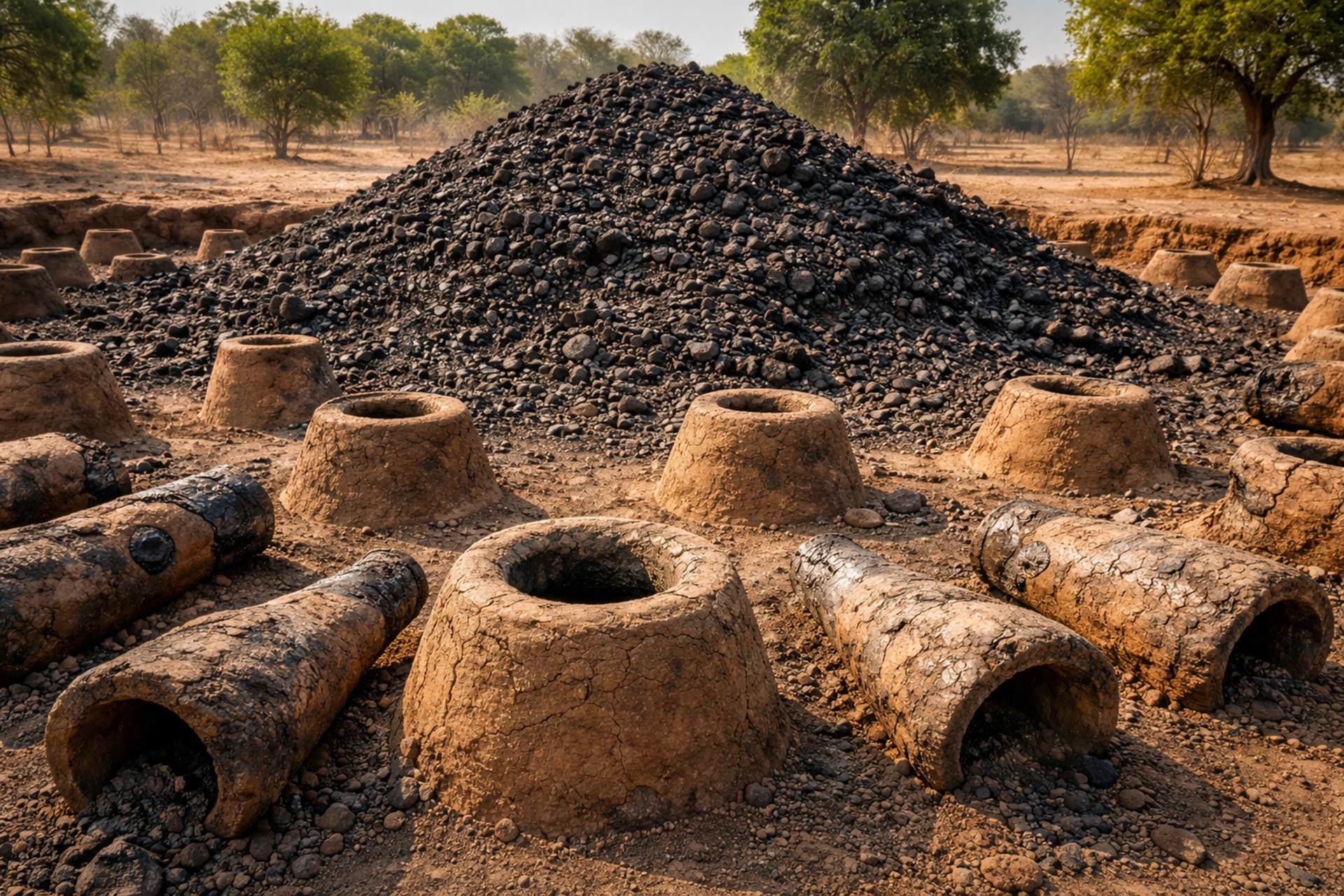
Iron foundry in Senegal reveals a pile of 100 tons of slag, 35 furnace bases, and a rare technique that has remained stable for centuries.
-
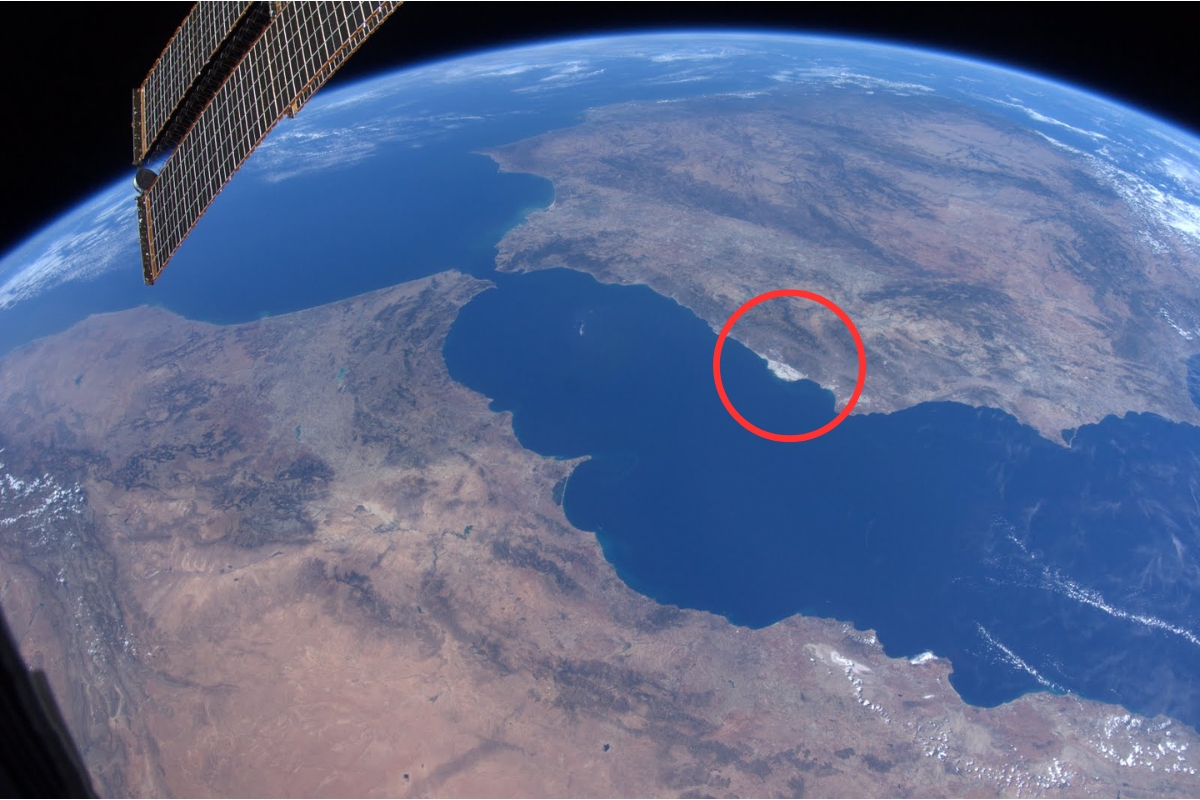
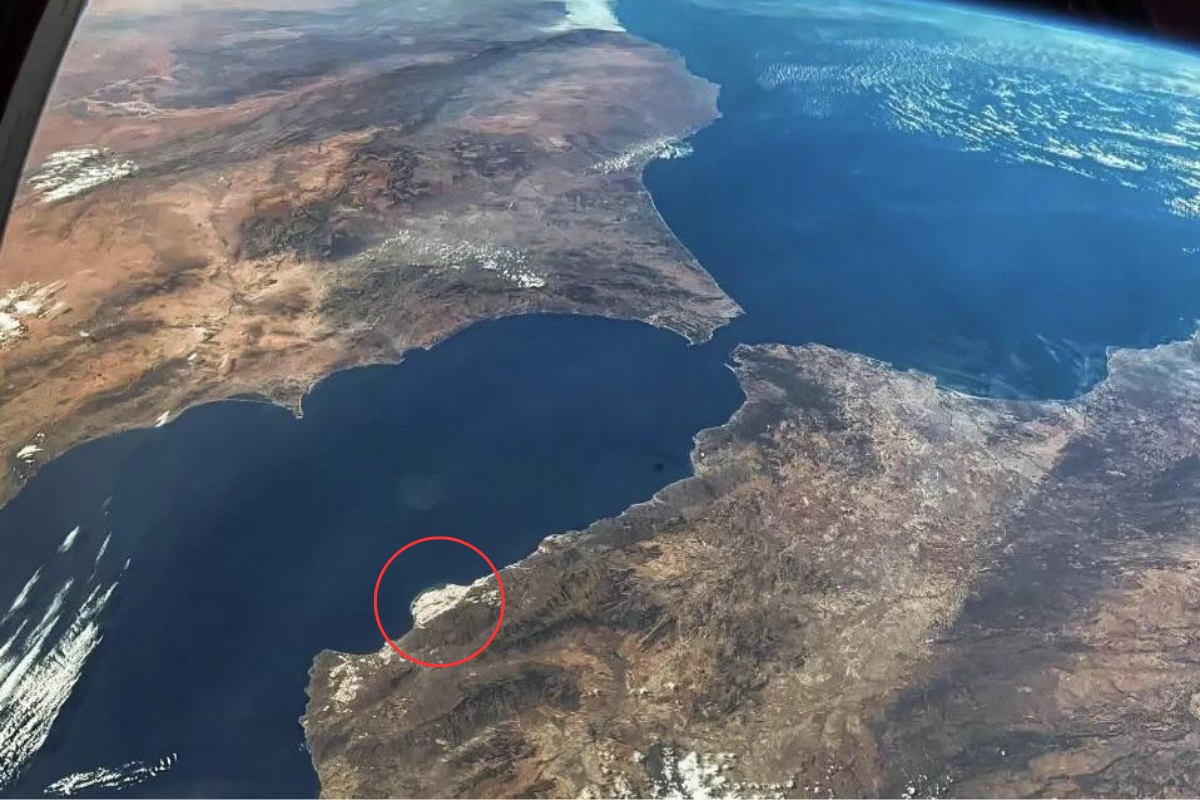
The only man-made structure in the world that can be clearly seen from space is not the pyramids of Egypt nor the Great Wall of China.
-
An analysis by NASA highlighted that the Great Wall of China and the Pyramids of Egypt are not visible to the naked eye from the International Space Station, and only one man-made structure is visible in this way.

The following year, the company developed the well for electricity generation intended for the village of Bourakebougou. Since then, the community has relied on locally extracted natural hydrogen for its energy supply.
The Bourakebougou well remains the first and only productive natural hydrogen well in operation in the world. The discovery demonstrated that hydrogen can indeed accumulate in economically viable underground reservoirs.
Mixed with oxygen in fuel cells, hydrogen can generate electricity without direct emissions of greenhouse gases, producing only heat and water as byproducts of the energy process.
This feature makes hydrogen a clean energy source. Global demand for the gas is expected to quintuple by 2050, driven by applications in microelectronics, heavy industry, and energy supply for vehicles and buildings.
For decades, scientists believed that hydrogen did not accumulate in the Earth’s crust. Being the lightest and highly reactive molecule, it was assumed that it would quickly escape to the atmosphere.
The discovery in Mali, along with other more recent observations, altered this understanding. Researchers concluded that traditionally explored locations for oil and gas are not ideal for finding natural hydrogen.
Scientific And Industrial Paradigm Shift
Hydrogen is not only a source of energy, but also an essential input for fertilizer production, oil refining, and rocket fueling. Currently, almost all industrial hydrogen is produced from natural gas.
This process involves heating the gas with steam, forming a mixture of hydrogen and carbon monoxide. The method produces what is called “gray” hydrogen and releases about 1 billion tons of carbon dioxide per year.
This volume corresponds to approximately 2.4% of annual global greenhouse gas emissions. In theory, renewable sources could generate “green” hydrogen, while “blue” hydrogen incorporates carbon capture.
In practice, these methods represent only a small fraction of global production. “Hydrogen is a clean energy source, but how you obtain it is crucial,” said Chris Ballentine, a geochemistry professor at the University of Oxford, to Live Science.
The identification of large volumes of natural hydrogen underground could significantly reduce the carbon footprint associated with the industry. Emissions would be restricted to the stages of gas extraction.
Giant Reservoirs Still Unknown
The discovery in Bourakebougou triggered a global search for natural hydrogen reserves, also called “golden” hydrogen. Before starting costly explorations, geologists need to estimate the volume available underground.
A recent review led by Ballentine indicates that the continental crust has produced enough hydrogen in the past 1 billion years to meet current energy demand for approximately 170,000 years.
Although much of this hydrogen has escaped to the atmosphere, the number demonstrates that natural gas generation in the Earth’s crust is significant and ongoing over geological time.
Other estimates suggest even larger volumes. Ophiolites, fragments of oceanic crust pushed onto the continental crust, could produce hydrogen in quantities comparable to those of the continental crust.
In 2024, Geoffrey Ellis, a geochemist at the U.S. Geological Survey, estimated that the planet contains around 6.2 trillion tons of hydrogen.
This volume is equivalent to approximately 26 times the amount of oil known to be underground. The exact location of these reserves remains largely unknown, according to the researchers involved.
Much of the hydrogen may be at excessive depths or in remote areas, making extraction unfeasible. Other reservoirs may be too small to justify commercial investments.
Still, scientists highlight that only 2% of this total hydrogen could replace current fossil fuels for about 200 years, if it were technically accessible.
“The potential that exists down there is very, very large,” said Ellis. He emphasized that natural hydrogen already has built-in geological storage, unlike hydrogen produced industrially.
The Geological Ingredients Of Natural Hydrogen
In January 2025, Ellis and his colleagues published a map indicating where hydrogen reservoirs may exist in the 48 contiguous states of the United States.
The study used gravity data and magnetic signals to estimate the composition of rocks throughout the Earth’s crust and identify possible pathways for hydrogen migration underground.
According to Ellis, it was the first attempt to systematically map the probability of finding natural hydrogen on a continental scale. The prospectivity ranges from 0 to 1, based on six geological criteria.
The first two requirements are the presence of abundant groundwater and rocks capable of producing hydrogen. The need for water limits gas production to the upper 16 kilometers of the crust.
“Natural hydrogen is produced when iron-rich rocks react with water,” explained Oliver Warr, an assistant professor at the University of Ottawa, to Live Science.
Basalt and gabbro are among the iron-rich rocks that facilitate these hydration reactions. Heat from the Earth’s mantle warms the water, accelerating hydrogen production.
Other sources include rocks rich in uranium and thorium, such as granites. The radioactive decay of these elements releases alpha particles, capable of splitting water molecules into oxygen and hydrogen through radiolysis.
The third criterion requires high temperatures, between 250 and 300 degrees Celsius, a condition that ensures rapid chemical reaction rates, according to Ellis.
Fourth, there must be reservoir rocks capable of retaining hydrogen after its production and migration. Porous sandstones are the most common examples.
The fifth requirement is the presence of an impermeable seal, such as shale or salt, that prevents the gas from escaping to the atmosphere. This seal needs to be present at the time of hydrogen generation.
Finally, microbial activity must be minimal. Microorganisms consume hydrogen, reducing the possibility of significant gas accumulation in underground reservoirs.
Current Exploration And Future Prospects
These six conditions occur on all continents, according to Ballentine. Currently, hydrogen companies focus exploratory drilling on the Mid-Continent Rift in North America.
The region, formed about 1 billion years ago, is rich in iron-containing rocks. Investigations are also ongoing in Oman, where extensive ophiolites are present.
Geologists from the University of Colorado are conducting a pilot project in Oman to test the viability of “stimulated” hydrogen production, as explained by Ellis.
This method involves injecting water into the Earth’s crust to initiate hydration or radiolysis reactions, mimicking or intensifying natural hydrogen generation processes.
A year ago, the industry expressed skepticism about the feasibility of this approach. According to Ellis, there has been a significant recent shift in perception, with greater interest in practical testing.
If it becomes possible to extract natural hydrogen on a large scale, the gas could reduce emissions in energy-intensive sectors like mining and fertilizer production.
Mines, where the crust is drilled deeper, often show hydrogen concentrations. The gas could power the mining operations themselves, Warr stated.
In the fertilizer industry, replacing hydrogen derived from hydrocarbons with natural hydrogen could lead to rapid and significant reductions in emissions associated with the sector.
Ballentine emphasized that natural hydrogen will not solve the climate crisis on its own, but can mitigate some of the risks when combined with other energy strategies.
Researchers are also evaluating the costs involved. In remote areas, even large gas fields may not be economically viable due to transportation expenses to consumer markets.
“There is a balance to be found,” said Ballentine. Still, optimism prevails among the experts involved in current research.
“I think more than a dozen wells have already been drilled in the United States,” said Ellis. “They found a lot of hydrogen,” he concluded, summarizing the new landscape that is beginning to take shape.





-

-

-

-

-

19 pessoas reagiram a isso.