





 Portuguese
  English
  Spanish
  5 min of reading
  1 comment


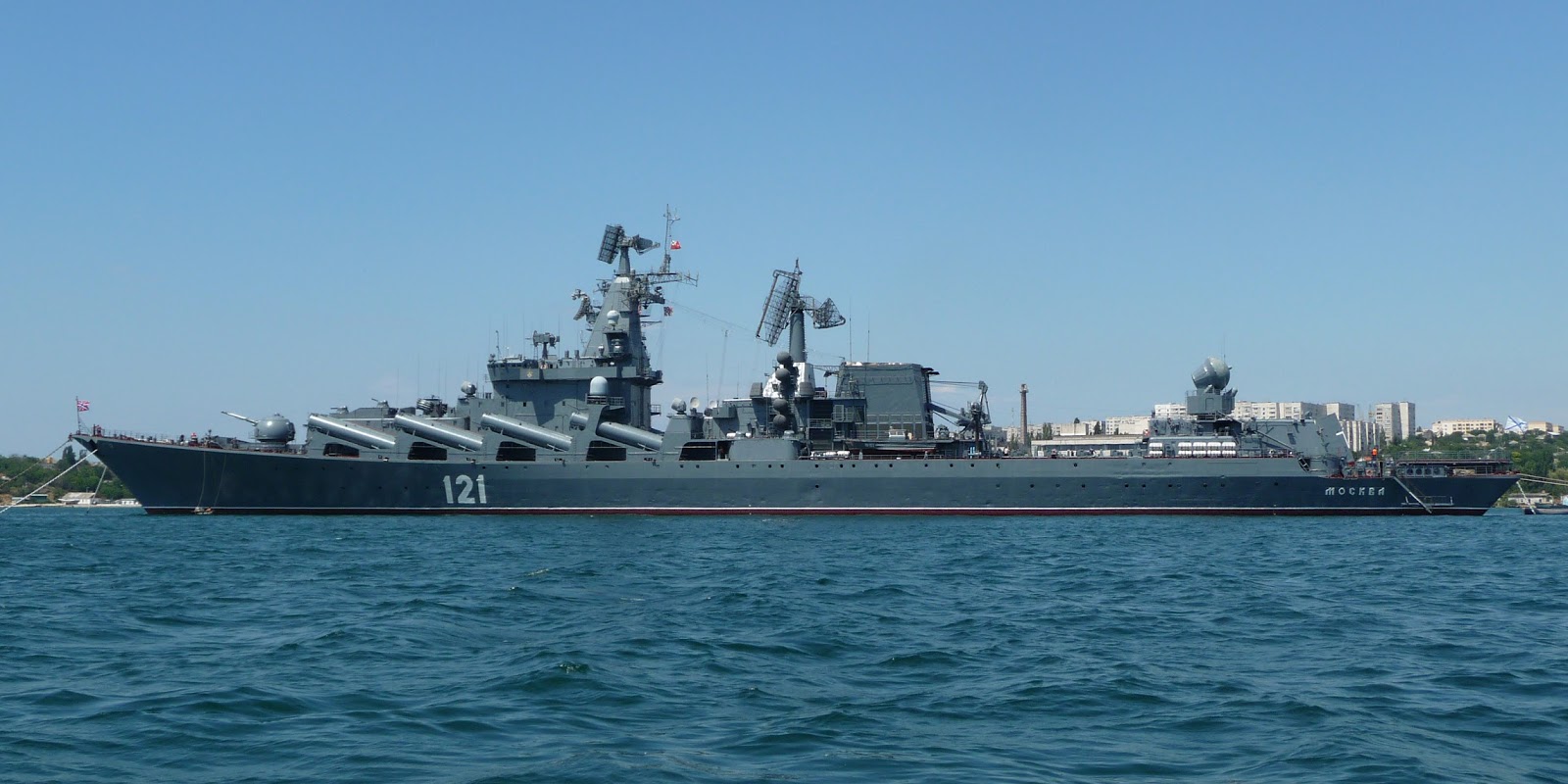


With 16 P-1000 Vulkan Missiles and Over 11,000 Tons, the Russian Slava-Class Cruisers Were Designed to Destroy Aircraft Carriers and Remain Among the Most Heavily Armed Warships on the Planet.
During the Cold War, the Soviet Union developed a series of warships specifically designed to face the greatest symbol of U.S. naval power: aircraft carrier groups. Among these projects emerged a class of cruisers that would become one of the most recognized in Soviet naval history — the Slava-Class Cruisers. With a displacement exceeding 11,000 tons, heavy armament, and a set of advanced sensors for the time, these ships were designed to act as attack platforms capable of neutralizing large enemy fleets, especially aircraft carriers.
The most striking element of the design is on the deck: 16 enormous anti-ship missiles mounted in inclined launchers, capable of hitting targets hundreds of kilometers away. This setup turned the Slava cruisers into one of the Soviet Navy’s primary surface weapons.
Origin of the Slava Class and the Context of the Cold War
The development of the Slava-Class cruisers began in the 1970s, at a time when naval rivalry between the United States and the Soviet Union was at its peak. The Soviet naval strategy sought to neutralize American dominance in the oceans. U.S. aircraft carriers represented the primary tool for global military power projection.
-
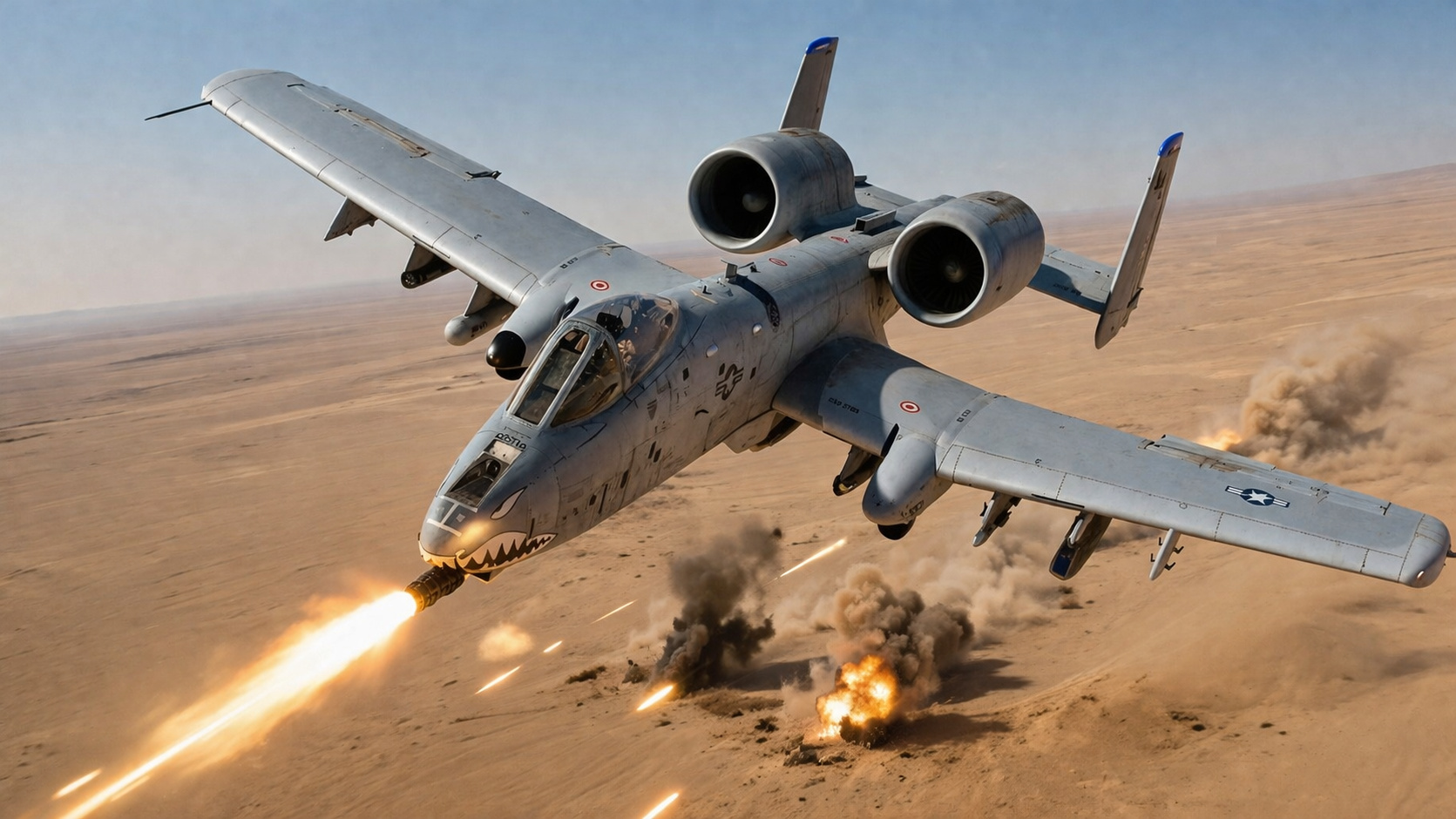
Few people know, but “mega burst” attacks from the A-10 in the Middle East are intriguing analysts and even experienced former pilots of the U.S. Air Force.
-
Manufactured in Brazil and exported to Saudi Arabia and Malaysia, the ASTROS system is renamed as Fogos in 2026, gaining AI, cruise missiles with a range of 300 km, and air defense costing R$ 3.4 billion, transforming a launcher from the 1980s into the most ambitious multidomain platform in Latin America.
-
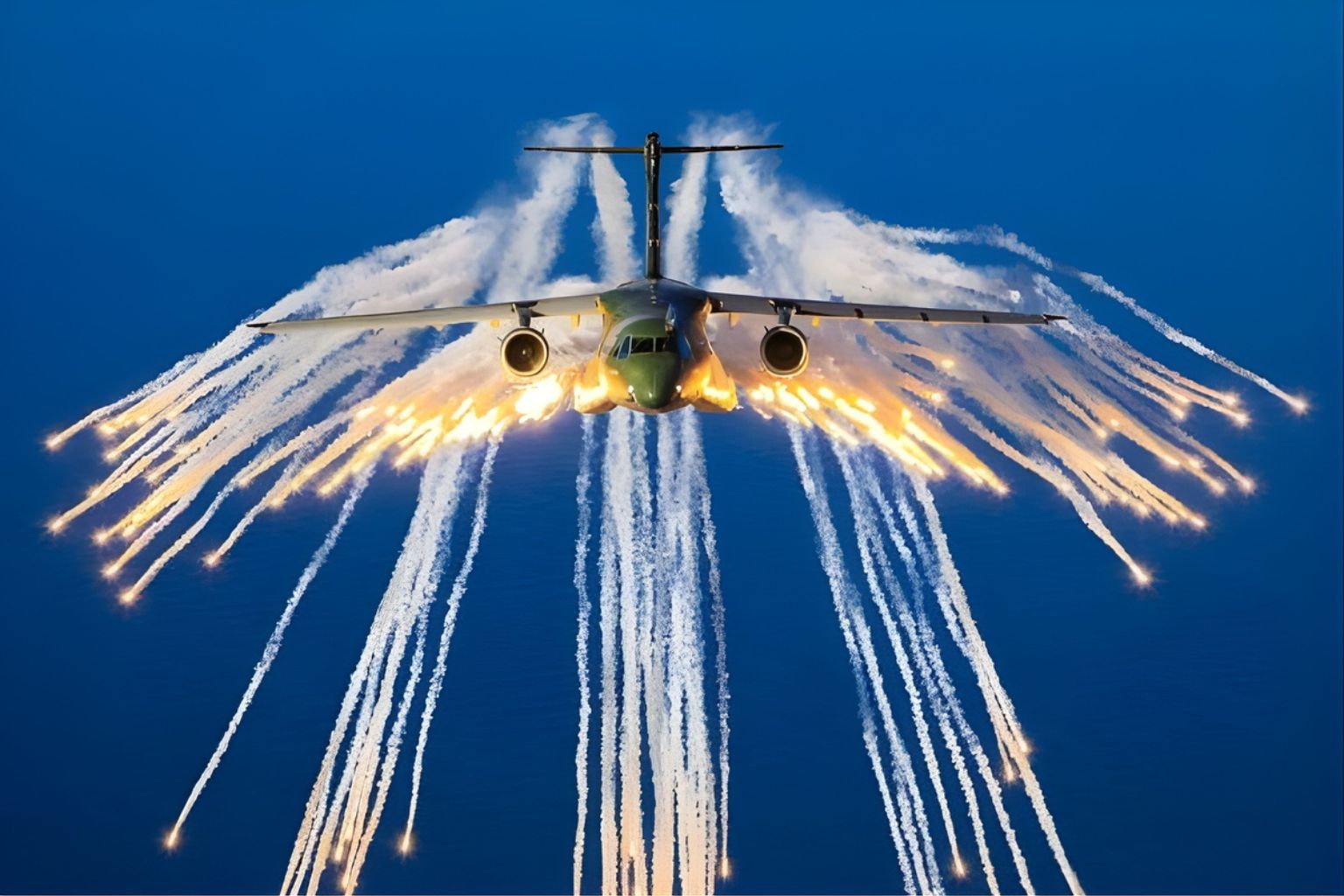
The largest military aircraft ever produced in Brazil, the KC-390 Millennium can carry up to 26 tons, refuel fighter jets in flight, and has already been exported to Europe and Asia, placing the country in the select group that designs and sells large military aircraft worldwide.
-
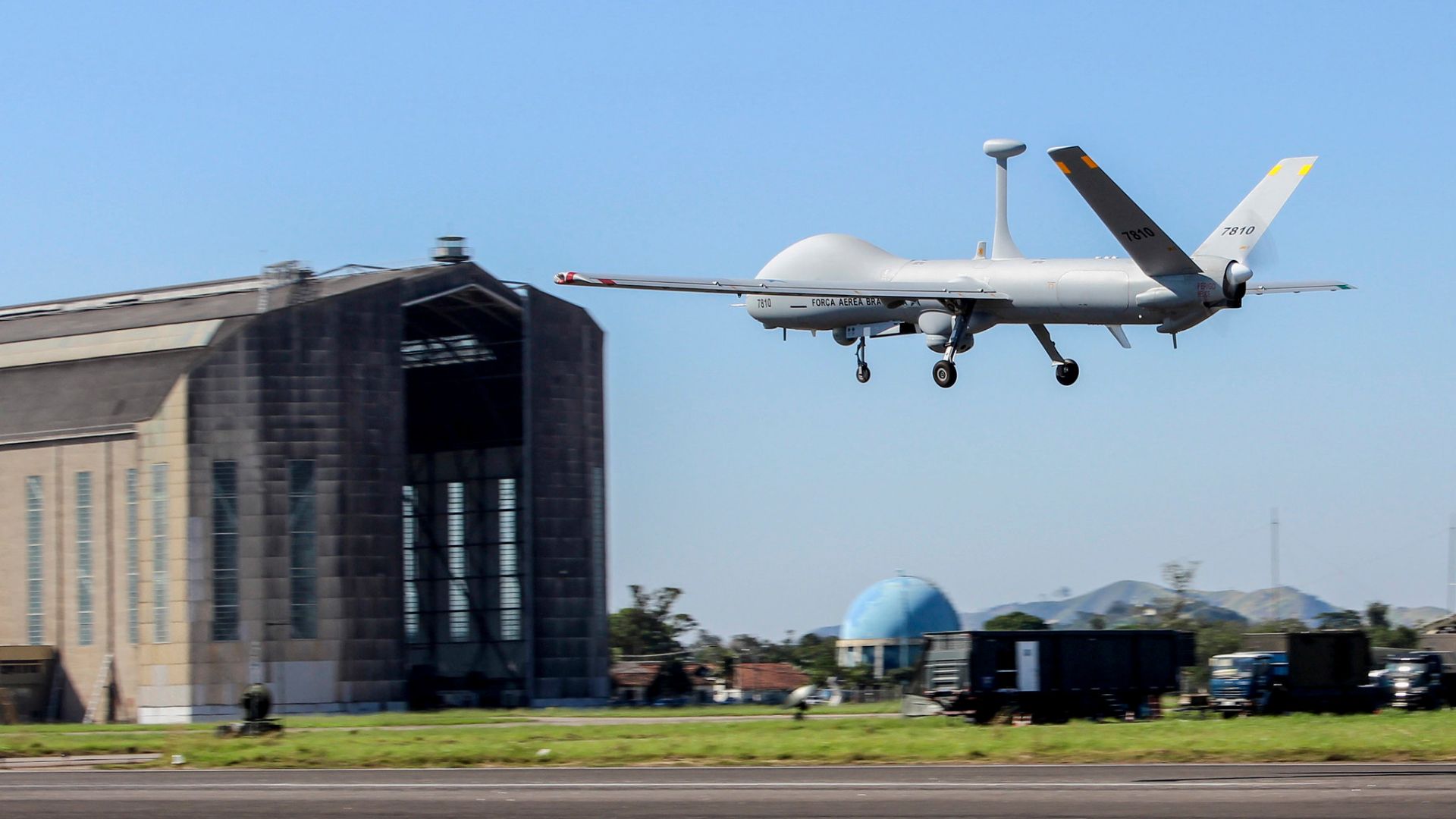
FAB loses Hermes 900 drone during multinational exercise in Mato Grosso do Sul and is left with only one active aircraft, raising concerns about operational fragility and strategic response capability.

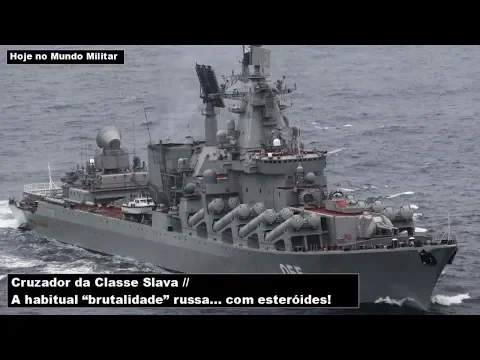

To counter this threat, Soviet engineers developed ships capable of launching long-range anti-ship missiles, specifically designed to target large vessels like aircraft carriers. Thus emerged the project known as Project 1164 Atlant, which gave rise to the Slava-Class cruisers.
The first ship of the class was the Slava, launched in 1979 and later renamed Moskva after the collapse of the Soviet Union. The project prioritized offensive power, speed, and the ability to operate in large naval theaters.
Dimensions and General Characteristics of the Cruiser
The Slava-Class cruisers have dimensions that place them among the largest surface combat ships in the Russian Navy. Their main characteristics include:
- an approximate displacement of 11,500 tons
- length of about 186 meters
- approximate width of 20 meters
- maximum speed close to 32 knots (about 60 km/h)
These dimensions allowed them to carry a considerable arsenal of weapons and electronic systems. The ship also has a crew of approximately 480 personnel, including officers, sailors, and combat system operators.
The combination of size, speed, and armament transformed the Slava into one of the most powerful cruisers of its time.
The 16 P-1000 Vulkan Missiles: The Ship’s Main Weapon
The most iconic element of the cruiser is its anti-ship missile system. Each Slava-class ship carries 16 P-1000 Vulkan missiles, installed in large inclined tubes on the deck.
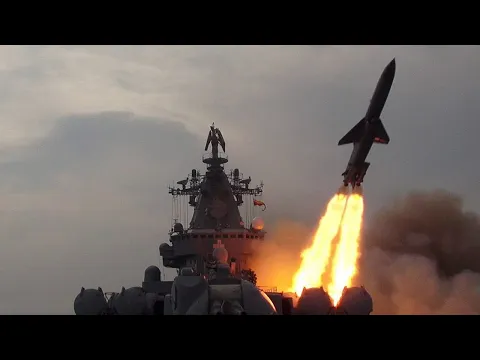
These missiles are designed to strike large vessels at long distances. Among their main features are:
- estimated range exceeding 500 km
- supersonic speed
- conventional or nuclear warheads
- capability to attack large surface ships
The P-1000 Vulkan is an evolution of earlier Soviet models, such as the P-500 Bazalt. This armament was specifically designed to target aircraft carrier groups protected by naval defense systems.
Aerial Defense System and Ship Protection
In addition to heavy offensive armament, the Slava cruisers also possess a robust aerial defense system. The main system used is the S-300F Fort, the naval version of the famous S-300 anti-aircraft missile system.
This system allows for intercepting enemy aircraft and missiles at great distances. Other defensive armaments include:
- close-in defense automatic guns
- short-range anti-missile systems
- torpedoes and anti-submarine weapons
These systems were designed to protect the cruiser against aerial and submarine attacks. The goal was to enable the ship to survive in intense combat environments.
Sensors and Radar Systems
The Slava-class cruisers were also equipped with a range of radars and sensors aimed at detecting threats and controlling weaponry. Among the onboard systems are:
- long-range air search radars
- fire control radars
- electronic warfare systems
These systems allow the ship to identify targets at great distances and coordinate attacks with its anti-ship missiles. During the Cold War, these sensors represented one of the most advanced naval technologies available in the Soviet Union. They allowed the cruiser to act as a command center in naval operations.
How Many Slava-Class Ships Were Built
In total, four Slava-class cruisers were built by the Soviet Union. The ships were:
- Moskva (formerly Slava)
- Marshal Ustinov
- Varyag
- Ukraina (never completed)
After the end of the Soviet Union, three of these ships remained operational in the Russian Navy. The Moskva served as the flagship of the Black Sea Fleet for decades. The Varyag operates in the Pacific Fleet and the Marshal Ustinov in the Northern Fleet.
The Strategic Role of These Cruisers
For decades, the Slava cruisers were considered strategic platforms for both the Soviet and later Russian Navy.
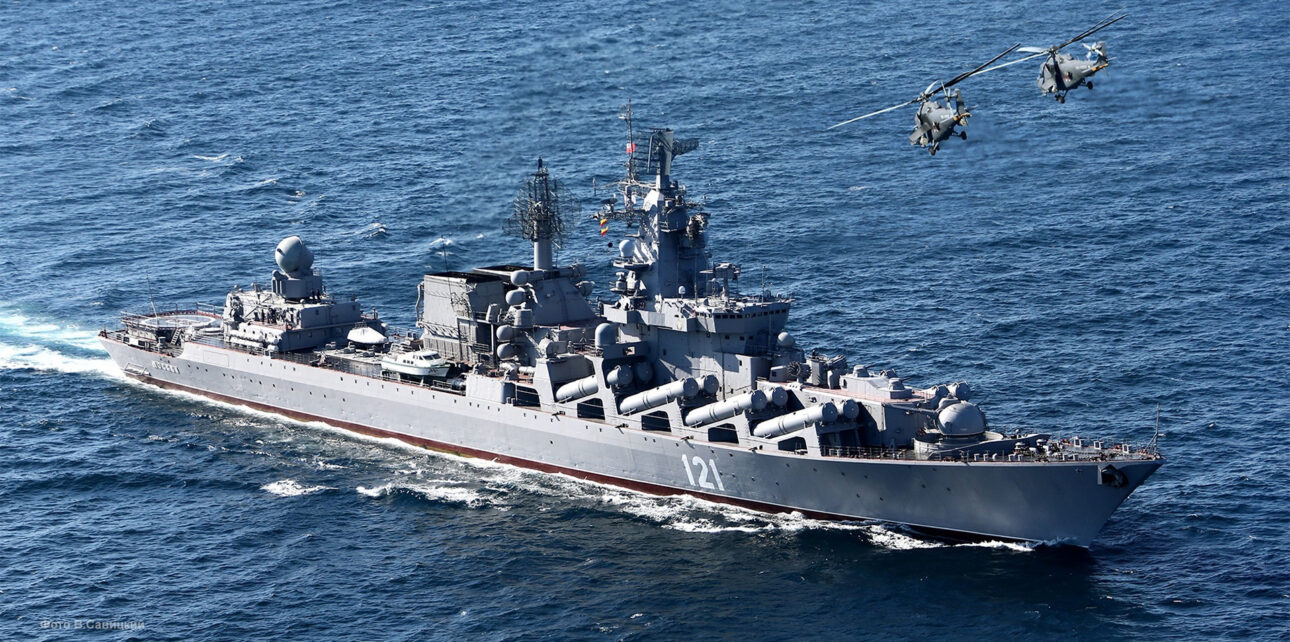
Their primary role was to lead battle groups and provide strike capability against large enemy ships. The presence of long-range missiles allowed the cruiser to represent a significant threat to opposing naval forces.
Moreover, the ship could act as a command platform in maritime operations. This combination of roles transformed the Slava class into one of the pillars of Soviet naval strategy.
The Recent Fate of the Slava Class
With the advancement of naval technologies and the emergence of new combat systems, many Cold War ships have gradually been replaced.
Still, some Slava-class cruisers continued operating for decades after the fall of the Soviet Union. The most well-known case occurred in 2022, when the cruiser Moskva, flagship of the Black Sea Fleet, was lost during the conflict between Russia and Ukraine.
Nonetheless, other ships of the class remain in operation. These cruisers continue to be some of the largest and most heavily armed surface vessels of the Russian Navy.
A Naval Project That Marked the Cold War
The Slava-Class cruisers represent an important stage in Soviet naval engineering. Designed to confront the power of American aircraft carriers, these ships were equipped with heavy armaments and advanced combat systems for their time.
With more than 11,000 tons, high speed, and an arsenal capable of hitting targets hundreds of kilometers away, they became one of the symbols of the naval strategy of the Soviet Union.
Even decades after their launch, the Slava cruisers are still remembered as some of the most powerfully armed warships ever built during the Cold War.









E mesmo assim, os Estados Unidos liquidaram a União Soviética, **** tem que ser extintos