





 Portuguese
  English
  Spanish
  4 min of reading
  2 comments


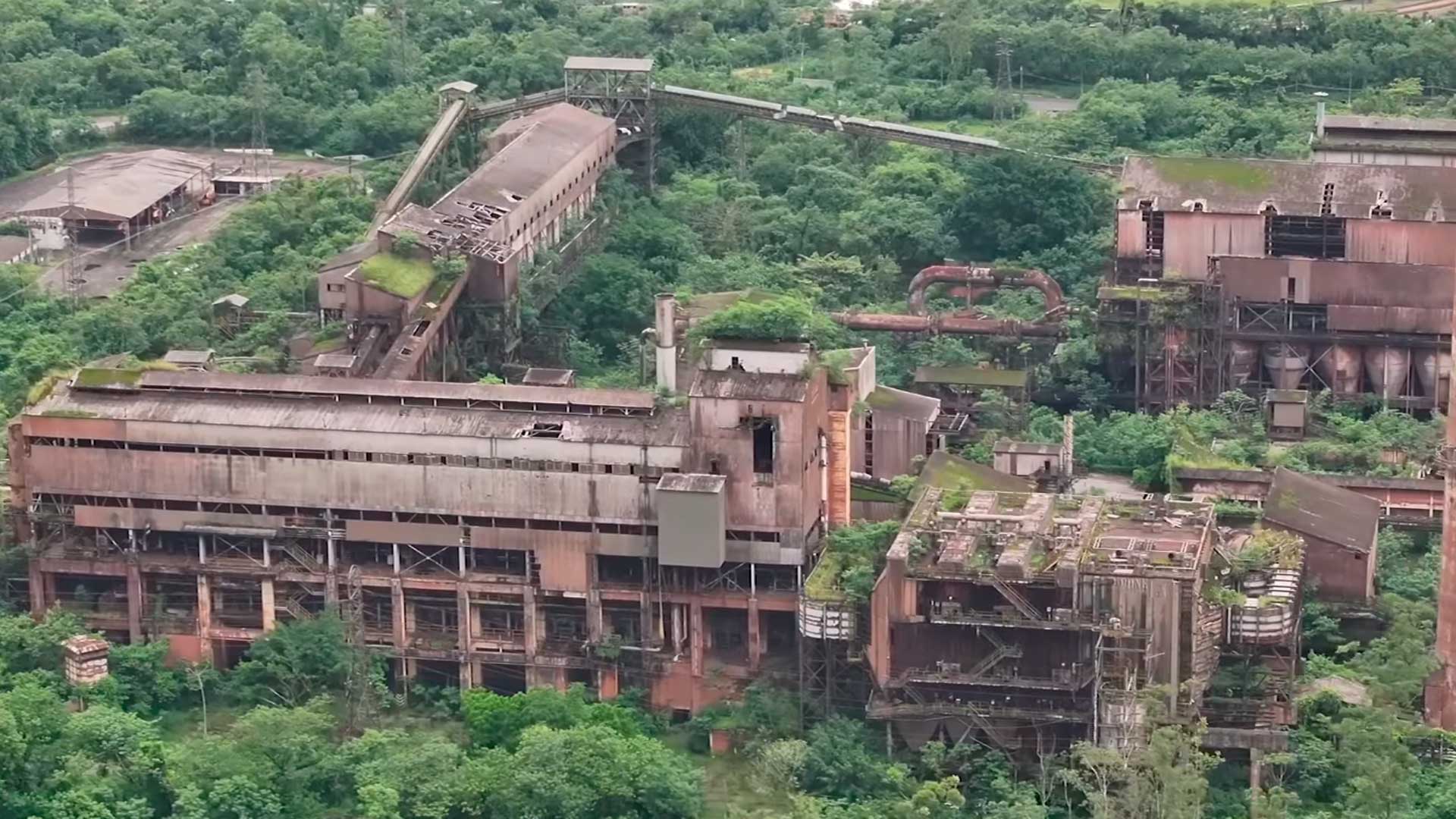


Recent Images Of The Industrial Area Show Idled Units And Degraded Structures In Cubatão, While Authorities Discuss Measures To Avoid The Loss Of Competitiveness Of The São Paulo Petrochemical Pole
The petrochemical pole of Cubatão, in the Baixada Santista, faces a moment of transformation and economic concern after the closure or idling of some industrial plants that for decades helped sustain the region’s economy.
Recent records from the industrial area show seemingly abandoned industrial complexes, rusting equipment, and facilities overrun by vegetation, a striking contrast to the past of intense productive activity.
Although the pole still maintains operational companies and significant logistical movement, the closure of industrial units has reignited the debate about the competitiveness of the Brazilian chemical industry, production costs, and the impact of imports.
-
At 73.8 meters tall, the world’s tallest teapot-shaped building has 15 floors, ensures stability, and impresses with an internal space of 28,000 cubic meters.

-
Ambev has planted over 3 million trees and restored an area equivalent to the coastline from São Paulo to Natal, and the result after 15 years of silent investment has finally appeared for all of Brazil to see.

-
A new AI collar technology for cattle eliminates physical fences, creates virtual barriers, monitors animals 24/7, and detects changes in behavior and health.

-
For a few weeks each year, an entire country blooms with billions of tulips, creating a mosaic of colors visible from the sky, while a single garden gathers more than 7 million flowers and attracts visitors from around the world to one of the most impressive shows in Europe.

Local authorities, entrepreneurs, and workers are discussing possible solutions to prevent Cubatão from permanently losing part of its importance in the national industrial sector.
Industrial Pole Of Cubatão Is In A Delicate Moment After Factory Closures And Reduction Of Petrochemical Activity
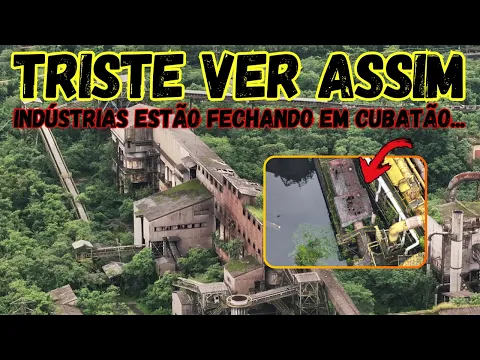

The industrial pole of Cubatão was for decades one of the most important industrial complexes in Brazil, bringing together chemical, petrochemical, steel, and fertilizer companies. The region once employed thousands of workers and played a central role in São Paulo’s industrial development.
In recent years, however, some industrial units have ceased operations or reduced output. A recent example was the idling of the styrene and toluene plant of Unigel, announced in January, after nearly 70 years of operation in the city.
According to the company, the decision occurred in a context of global decline in the chemical industry and excessive international supply of petrochemical products, which has been pressuring the competitiveness of factories established in Brazil since 2023.
Besides Unigel, another relevant company in the sector, Yara Brasil, has also interrupted part of its production in the city in recent years, increasing concern about the local deindustrialization process.
These movements represent more than the closure of an isolated factory. For experts and local authorities, they reflect structural difficulties faced by the national industry, including high production costs and international competition.
Massive Infrastructure Remains While Part Of The Facilities Loses Industrial Activity
Even with some units idled, the industrial complex of Cubatão still possesses a massive infrastructure built over decades, including industrial tanks, pipelines, logistics yards, railways, and port access.
In various areas of the pole, it is possible to find structures that, in some cases, remain unused after the cessation of operations. The presence of empty warehouses, deteriorated equipment, and abandoned administrative buildings highlights the change in the industrial pace of the region.
At the same time, other parts of the complex continue to operate vigorously. Logistics yards, for example, still receive trucks and containers for the export and transportation of chemical and petrochemical products.
This coexistence between active facilities and abandoned structures shows that the pole has not disappeared but is undergoing a phase of restructuring.
City Hall And Government Discuss Measures To Recover Competitiveness Of Local Industry
In light of factory closures and the loss of industrial jobs, the city hall of Cubatão and leaders from the Baixada Santista have begun discussions with state and federal governments in search of solutions to reverse the situation.
The mayor of Cubatão, César Nascimento, stated that the weakening of the industrial pole is not only a local problem but a risk for the entire Brazilian industrial chain.
Among the proposals discussed are measures to stimulate the industry, review tariff policies, and create new economic incentive mechanisms. One of the ideas presented by the state government is the implementation of a Export Processing Zone (ZPE), which would allow tax benefits for export-oriented companies.
Another initiative under discussion is the so-called Project 50 km, which seeks to strengthen regional production chains by encouraging suppliers and industrial companies to set up near the large factories in the region.
Authorities expect these measures to attract new investments and recover part of the industrial activity lost in recent years.
Industrial History Of Cubatão Helps To Explain The Economic Impact Of Factory Closures
Cubatão built its economic identity around heavy industry. The city has been the stage for large industrial projects since the mid-20th century and once housed gigantic complexes linked to petrochemicals, steelmaking, and fertilizers.
The industrial pole was responsible for generating thousands of direct and indirect jobs, boosting the growth of the Baixada Santista and contributing to the development of the Brazilian industry.
According to representatives of the chemical sector in the region, the number of workers linked to the pole was once over 12,000 jobs, but today it is significantly smaller.
This scenario fuels the debate about the future of the national industry and what public policies can ensure that strategic industrial structures continue operating in the country.
The discussion also involves global factors, such as changes in production chains, increased international competition, and technological transformations in the chemical and petrochemical sectors.
What do you think is happening with the Brazilian industry? Lack of competitiveness, excess imports, or inadequate economic policies? Share your opinion in the comments and participate in the debate about the future of the industrial pole of Cubatão and the industry in Brazil.








Trabalhei terceirizado 2019- 2021 na unigel em Cubatão e sao jose dos Campo e já nesta época, somente a planta da Bahia recebia investimento. Inclusive muita coisa desativado, e enferrujado.
Trabalhei durante anos no Polo industrial de Cubatão, tudo começou ruir com a venda da Cosipa para Usiminas, para não fazer concorrência com sua unidade em Minas Gerais, ela fechou as unidades de alto forno, com isso centenas de funcionários foram mandados embora, então começou puxar a corda e empreiteiras, fornecedores, outras fabricas que usavam produtos fornecido por esse setor, aconteceu uma quebradeira geral e a corda esticou mais, cada empresa atingida aumenrava o numero de desempregados, afetou a cidade, depois disso foi ladeira abaixo e os anos dourados e produtivos da região acabaram, assim começou.