





 Portuguese
  English
  Spanish
  4 min of reading
  6 comments


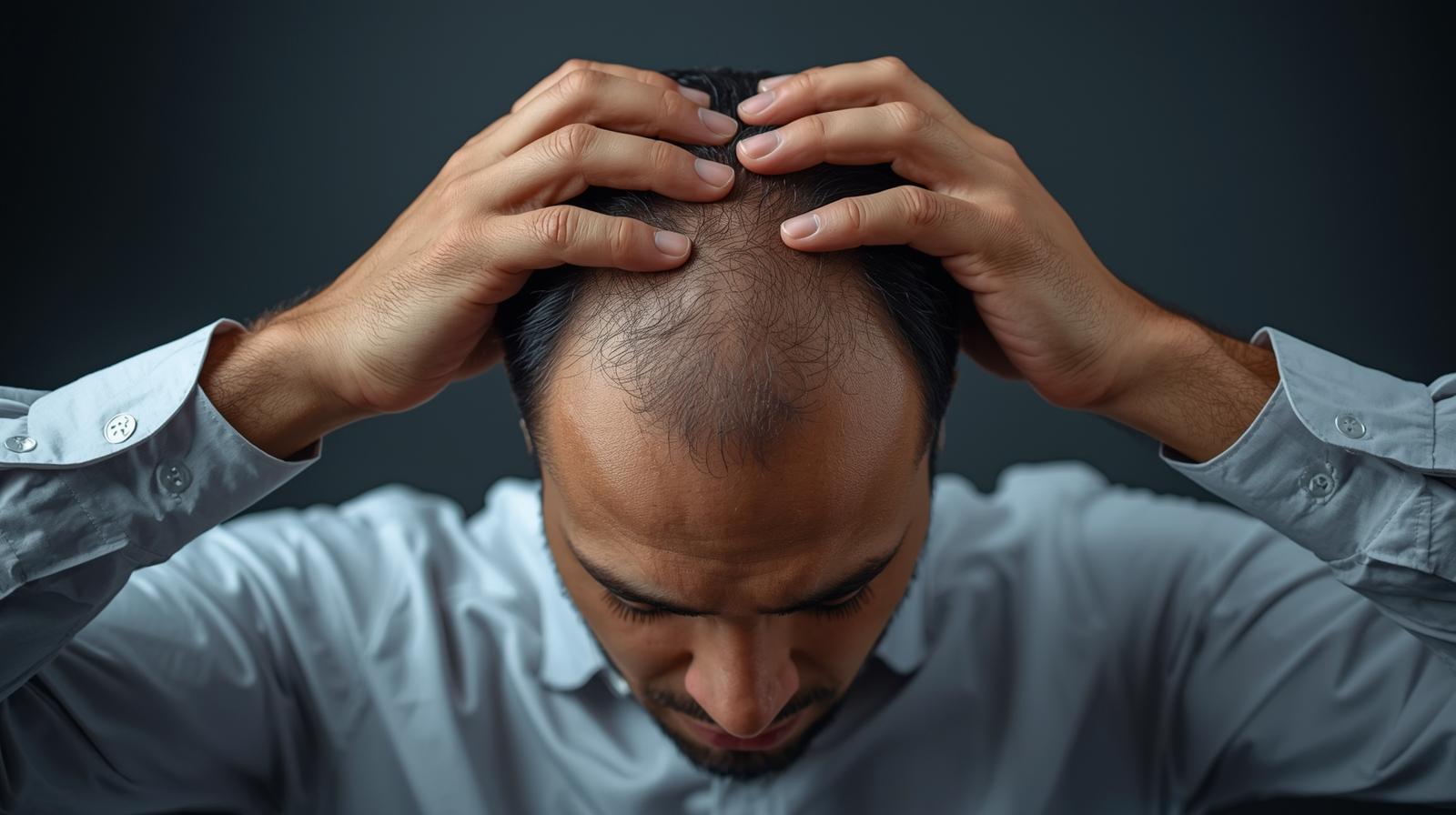


Taiwan Researchers Announce Possible Cure For Baldness After Tests Show Hair Grew Back In Just 20 Days, Opening The Way For A New Hair Treatment.
In November 2025, a group of researchers from National Taiwan University (NTU) released results that reignited the global debate about the possibility of a future “cure for baldness.” The team, led by scientists specialized in cellular biology and tissue regeneration, presented an experimental biotechnological serum capable of stimulating the growth of new hair — with visible results in about 20 days in laboratory tests.
The research gained international prominence in outlets such as ScienceAlert, Focus Taiwan, NDTV, and biomedical vehicles, mainly because the study, published in the scientific journal Cell Metabolism, identified a biological mechanism still little explored in current hair treatments: the role of subcutaneous fat cells (adipocytes) in activating the stem cells of hair follicles.
Although it is still far from being a definitive cure and is limited to animal testing, the advancement brought a promising new line of investigation, with the potential to transform the treatment of androgenetic baldness — the most common type worldwide.
-
Technology developed to protect military communications in the 1940s scrambled voices and today gives rise to the robotic sound that dominates current music.

-
If you look at the sky this Wednesday, you will see the Pink Moon shining at its peak at 10:11 PM, but before you get disappointed, know that the name has nothing to do with the color and instead refers to flowers that bloom at this time in the United States.

-
Discovery at USP reveals how Brazilian arnica can revolutionize the production of silver nanoparticles with less environmental impact.

-
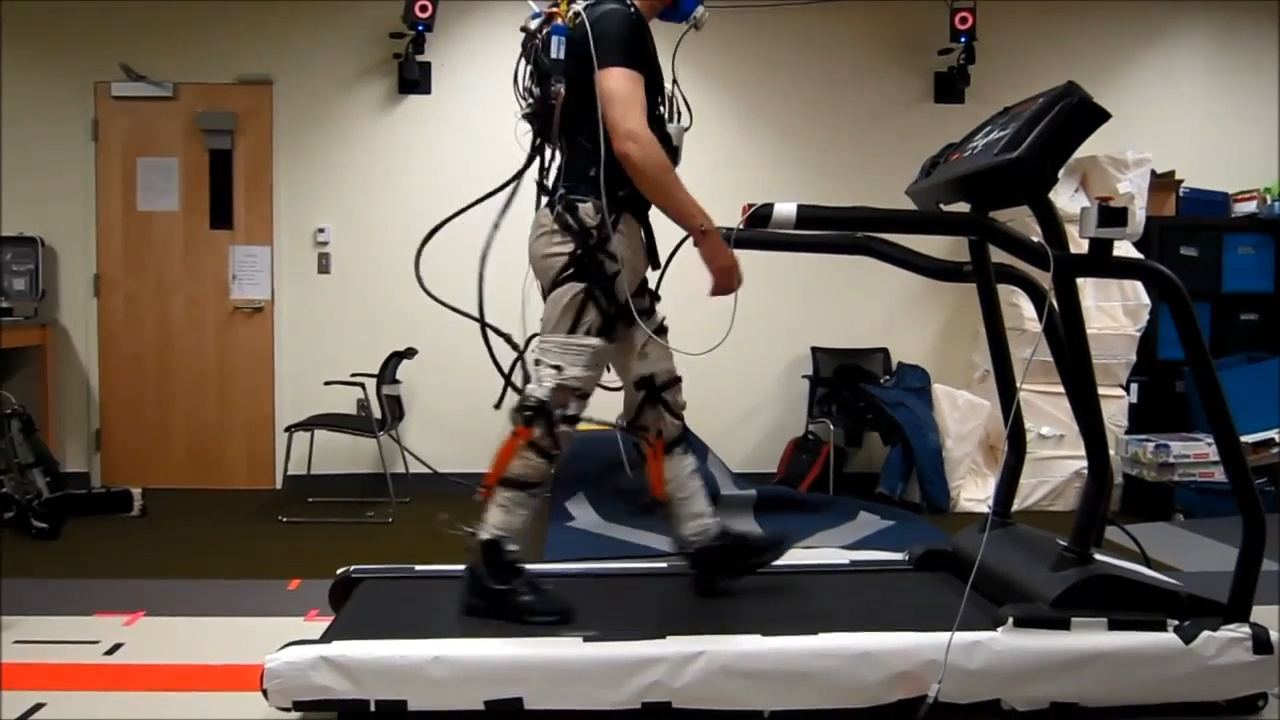
Harvard scientists have created a tissue exoskeleton that does not look like an exoskeleton, with no rigid parts and reduced weight, using flexible cables and miniaturized motors to assist the ankle and hip, reducing the effort of walking by up to 23% in controlled tests.

How The Serum That Made Hair Grow Back Works
The central point of the discovery lies in how the fat cells just beneath the skin influence the hair regeneration process. In experiments, scientists isolated and combined specific fatty acids released by these adipocytes. When applied in a concentrated manner, they:
- activated inactive hair stem cells;
- stimulated the anagen phase (growth phase);
- increased hair density in treated areas;
- accelerated the regeneration process of the follicle.
The team then created a topical serum combining these compounds in an ideal ratio. When applied daily to the skin of mice with induced hair loss, the product generated:
- visible growth starting from day 10;
- significant coverage between day 15 and day 20;
- hair density greater than that of animals in the control group.
The effect drew attention because it occurred without hormonal interference, unlike traditional medications such as minoxidil and finasteride. This means that the technology could, in the future, benefit people who do not respond well to conventional treatments.
Why The Study Generated So Much Interest Abroad
The international interest stemmed from three main reasons:
Completely New Approach
Most current treatments focus on:
- increasing blood circulation;
- blocking hormones related to baldness;
- stimulating the follicle superficially.
The Taiwan study attacks the root of the problem: reactivating dormant hair stem cells, something considered one of the greatest challenges in trichology.
Speed Of Results
Growth in 20 days is considered fast in biological terms. For comparison:
- Minoxidil can take 2 to 4 months to show results.
- Finasteride requires 3 to 6 months.
This explains the media impact.
Publication In High-Level Scientific Journal
Cell Metabolism is one of the leading journals in the world in the fields of cellular biology and metabolism, a requirement that reinforces the credibility of the research.
And In Humans? What Is The Next Step?
Despite the initial enthusiasm, the researchers themselves urge caution. So far, the serum:
- has not been tested in humans;
- has not had Phase I clinical studies;
- has not undergone dermatological toxicity analyses in large groups.
According to interviews released in Focus Taiwan, the NTU team is already working on the step of formulating a safe product for human skin, which includes:
- stabilization of the compound;
- irritation testing;
- dosing standardization;
- absorption and efficacy studies.
The expectation is that research with volunteers could begin in up to two years, provided the technology advances without impediments.
Why This Discovery May Change The Treatment Of Baldness In The Future
Even in its early stage, the study generated expectations because it opens a new scientific path. The researchers demonstrated that:
- inactive follicles can be reactivated without hormonal stimuli;
- fatty acids from adipose tissue play a crucial role in the hair cycle;
- rapid growth can be induced through bioactive compounds derived from the body itself;
- the process may be less invasive than current therapies such as hair transplant or microneedling.
If the results are confirmed in humans, the global market for baldness treatments — valued at over US$ 8 billion annually — could undergo a profound change.
Caution Is Still Necessary
International experts remind us that:
- many treatments work well in animals but not in humans;
- the human scalp is more complex than that of mice;
- hormonal, genetic, and hereditary factors vary from person to person;
- there is no definitive cure for baldness at this time.
Still, the advancement has been considered by scientists as one of the most promising discoveries of the last decade in the field of hair regeneration.
Beginning Of A New Phase In Hair Science
The possible “cure for baldness” still depends on years of research, clinical trials, and international validation. But the announcement from the researchers in Taiwan marks a turning point: for the first time, a team has managed to create a compound capable of quickly activating hair stem cells using natural molecules produced by the body itself.
If the results are reproduced in humans, dermatology may be on the brink of entering a new era — one in which hair can regrow with greater speed, safety, and precision than any current treatment.









Copiou e colou do ChatGPT, excelente!
Já vi esse filme antes dezenas de vezes de sessenta anos para cá. Lembram da “Loção Pindorama” e outras mais que vieram vindo depois? Certa vez ainda jovem, fui a um médico cientista especialista em SP no Ipiranga, que em sua sala de espera as quatro paredes do chão ao teto estavam forradas por diplomas de várias partes do mundo nessa especialidade. Me senti curado! Quando fui recebido, pânico total, o doutor éra totalmente calvo, mas arrisquei, tomei várias injeções super doídas em várias partes do
couro cabeludo,por 3 meses, etc, etc. Meus cabelos continuaram caindo até me tornar o que a natureza quis, mais um semi-calvo. Torço para que dê certo e e não seja mais um engana esperançosos.
Queria fazer parte desse tratamento….
Será que eles não estão pegando as pessoas que querem participar…