





 Portuguese
  English
  Spanish
  4 min of reading
  0 comments


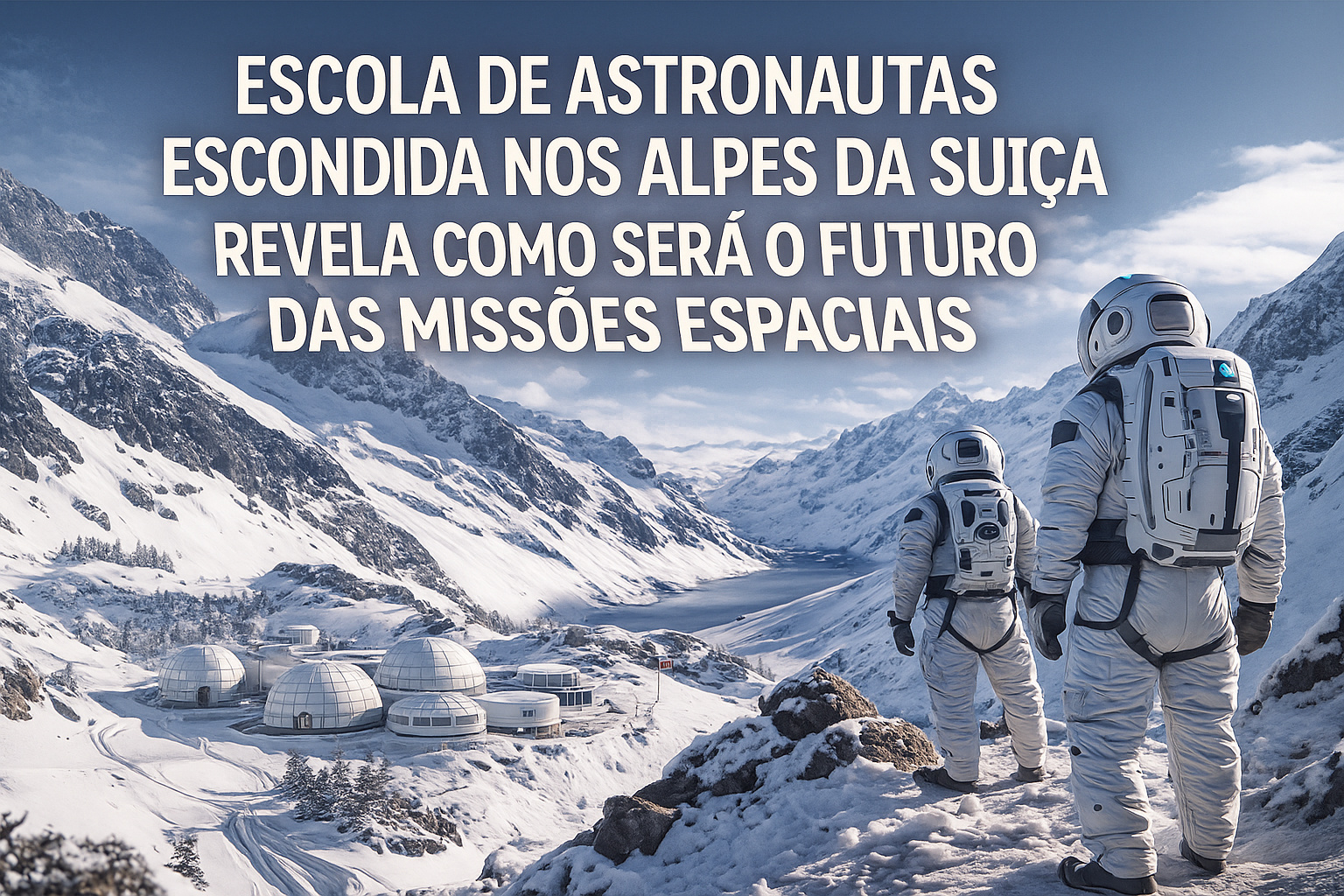
Explore The Mysterious Astronaut School In Switzerland Where Students Simulate Lunar Missions And Do Science For The Future.
What seemed like just an old military fortress in Switzerland has recently transformed into one of the most fascinating environments for those wanting to understand what the future of space missions will be like.
Nine international students spent more than two weeks isolated under a mountain to live an experience that precisely mimics the challenges of the Moon.
They are part of the Asclepios, a global student initiative that simulates real astronaut training and attracts youth passionate about science and space exploration.
-
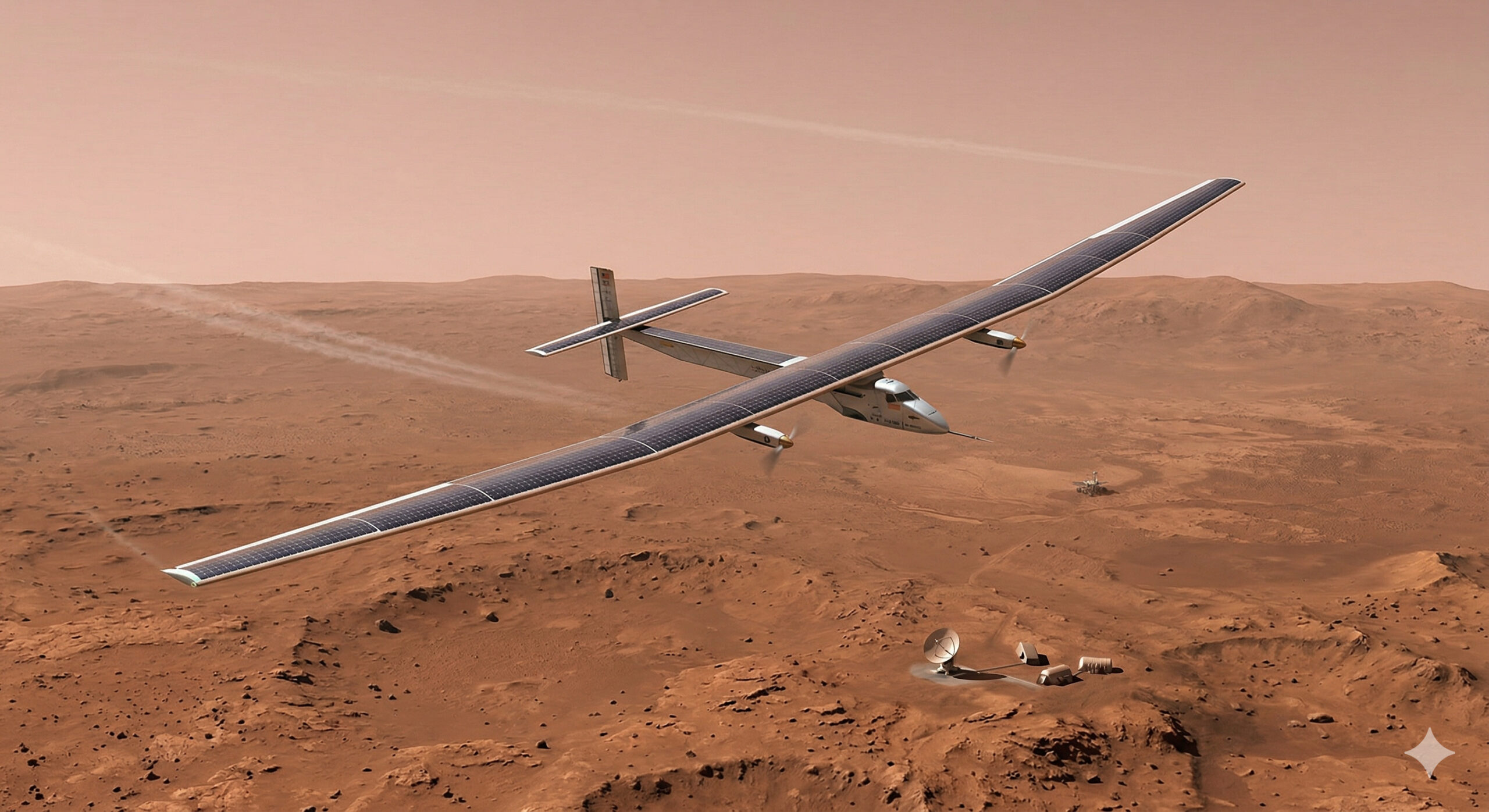
An engineer designs a solar plane to fly on Mars at an altitude of 1,000 meters and a speed of 300 km/h, covering 16,000 kilometers in a Martian year, 900 times the distance traveled by the Ingenuity helicopter in three years on the planet before experiencing a rotor failure, and NASA is already funding the feasibility study.
-
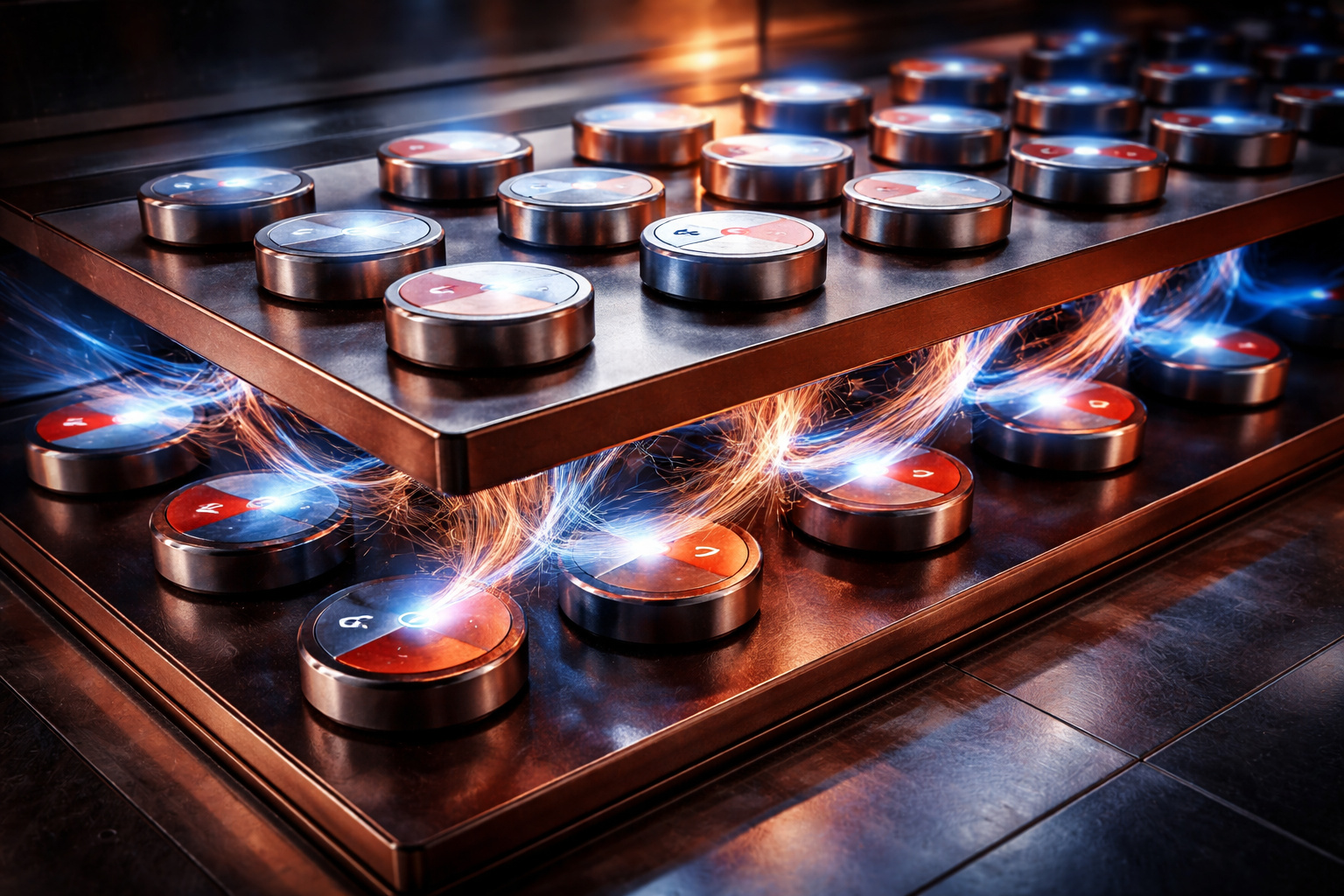
A new phenomenon of contactless magnetic friction intrigues scientists and questions a theory that has been valid since the 17th century.
-
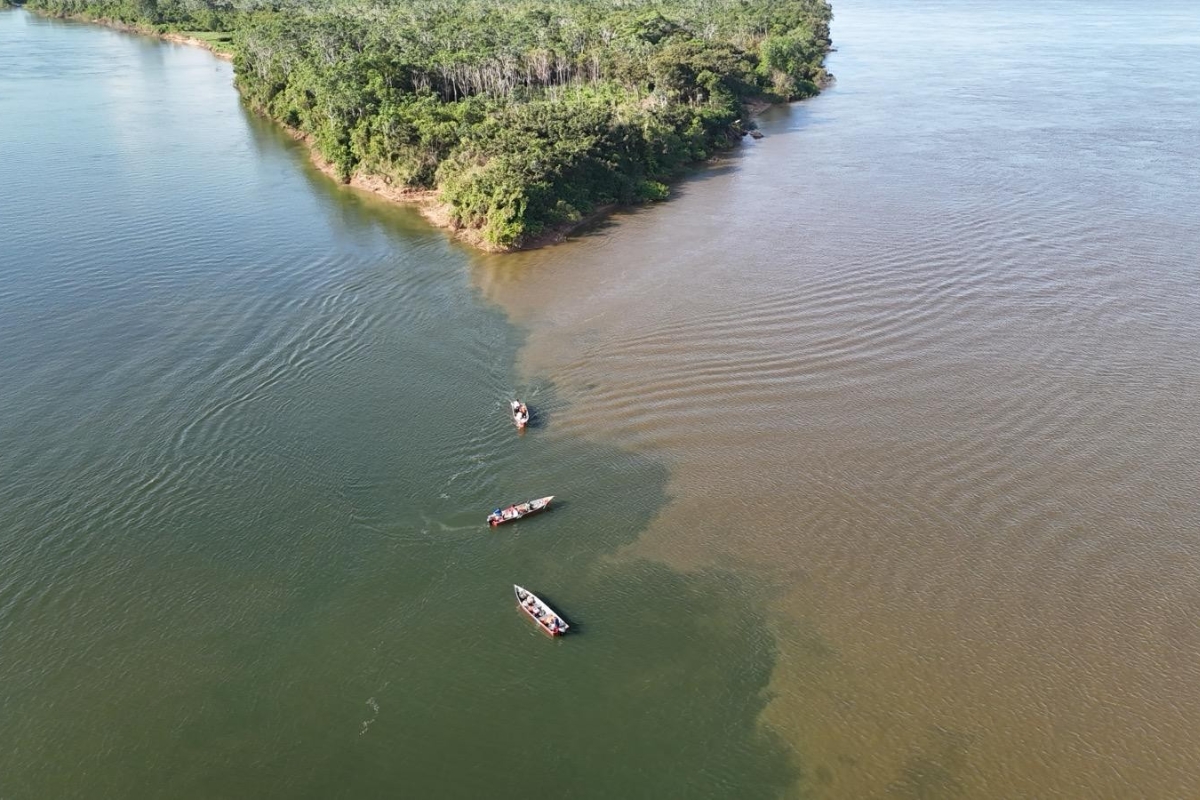
An impressive phenomenon in Northern Brazil causes rivers of different colors to flow side by side, revealing secrets about sediments, currents, and biodiversity.
-
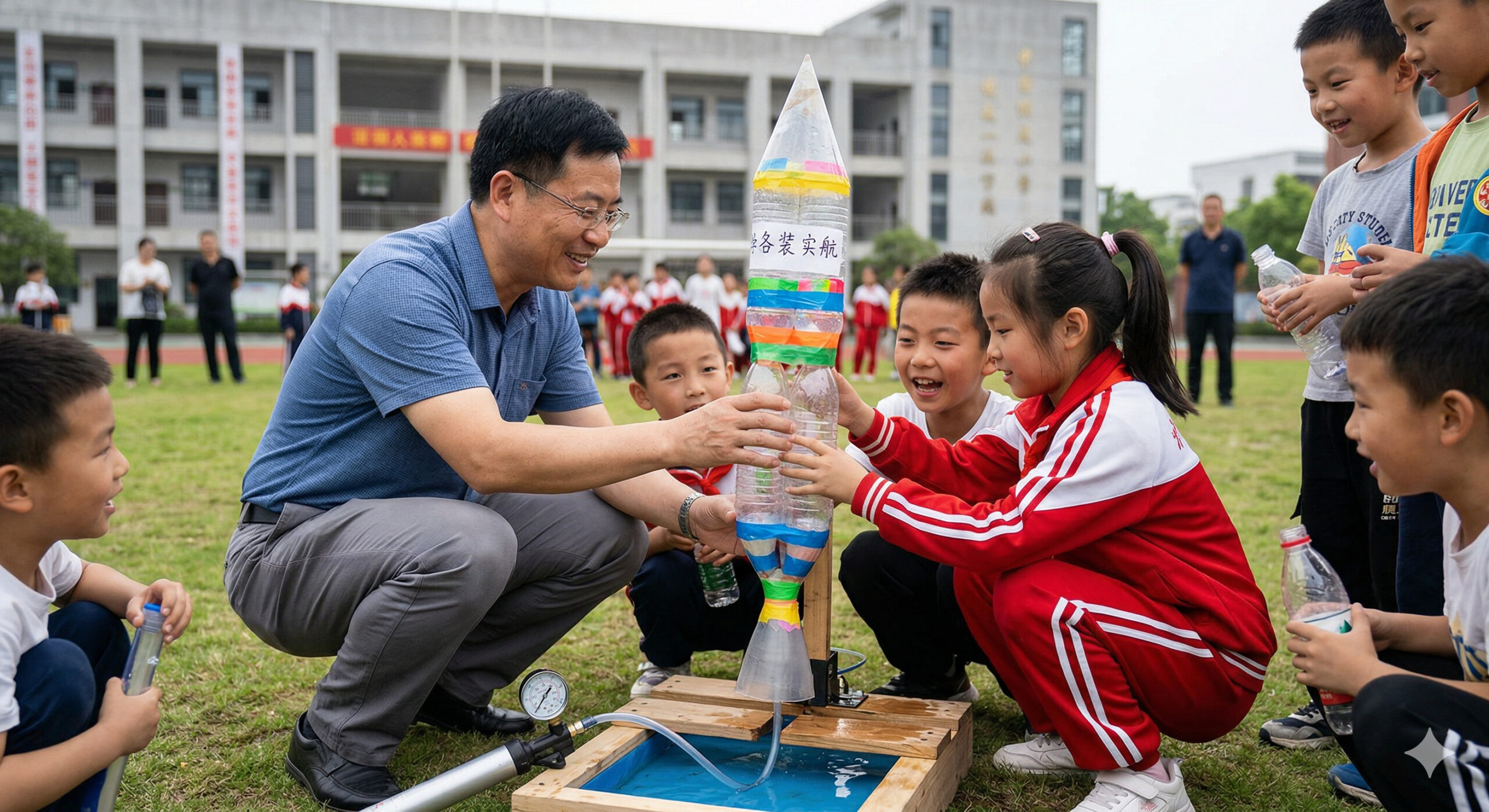
While many schools are still struggling with the basics, a teacher in China went viral for having elementary school students build a two-stage rocket using plastic bottles, water, and pressurized air in a science class that caught the attention of the entire world.

The most recent mission took place between July and August in Sasso San Gottardo, an underground structure with 3.5 km of cold and narrow tunnels that maintains a constant temperature of 6 °C.
The site was chosen because it realistically replicates lunar caves — the so-called lava tubes — where future human bases may be installed.
Asclepios Mission: The Science Behind The Astronaut School Hidden In Switzerland
The astronaut school created by the Asclepios project works differently from any other scientific training in the world. It is entirely run by students and offers the experience for free, something rare in the space sector.
According to Katie Mulry, an American aerospace engineering student and one of the program leaders, the idea is to broaden access to space science:
“We hope this inspires people and creates opportunities for students to enter the space sector in any position of their interest, becoming tomorrow’s space professionals.”
Thus, the mission serves as a real gateway to the future of space careers.
A Young, International Crew Driven By The Future
Among the participants in this edition is the Brazilian Mateus de Magalhães, 27 years old, who serves as the mission captain. He coordinates the crew, makes critical decisions, and maintains the organization of the “lunar base.”
For Magalhães, participating in the simulation is an essential step:
“There are other simulations of the Moon and Mars, but most are paid, and the cost is very high.”
The free nature of the initiative makes it a unique opportunity — and a true scientific curiosity.
Living Like An Astronaut: Diapers, Long Nights, And Full-Time Science
During the 16 days of isolation, the aspiring astronauts face situations that go far beyond imagination. The “rocket” of the simulated trip is just a small room with folding beds and no bathroom — so they need to use diapers during the “journey to the Moon.”
After arriving at the simulated lunar base, they follow an intense routine:
Eating real dehydrated food;
Daily scientific experiments;
Simulated extravehicular activities;
Night hikes in the mountains, avoiding any exposure to sunlight.
This extreme setting helps investigate the limits of the human body and tests technologies applicable to the future of space exploration.
Applied Science: The Experiment Studying Sleep In Space
The main experiment of this edition is called Kronoespazio, led by researcher Maria Comas Soberats.
In this context, the team assesses how the total absence of natural light alters the circadian rhythm, mood, and sleep, allowing, in fact, to better understand the impact of these extreme conditions on human performance.
“It’s inspiring to see how a student initiative like Asclepios can engage researchers from different countries in collaboration,” Comas says.
Moreover, initial results have already begun to be analyzed and indicate that the findings could influence both real space missions and the routine of workers on Earth who face long hours in extreme environments.
Future: How The Astronaut School Can Transform The Planet
Lauren Victoria Paulson, the mission’s chief engineer, highlights how these findings can transform life on Earth. In addition, she explains that:
“When we design for space, we can adapt these technologies and craft projects for people living in extreme cold environments, deserts, and areas with very little water.”
Thus, the astronaut school hidden in the Alps does not only train future astronauts — it truly develops solutions that can benefit all of humanity.
Therefore, the goal is clear: to understand how the body, mind, and technology react to extreme conditions, paving the way for the next generation of astronauts.








-

Uma pessoa reagiu a isso.