





 Portuguese
  English
  Spanish
  4 min of reading
  0 comments


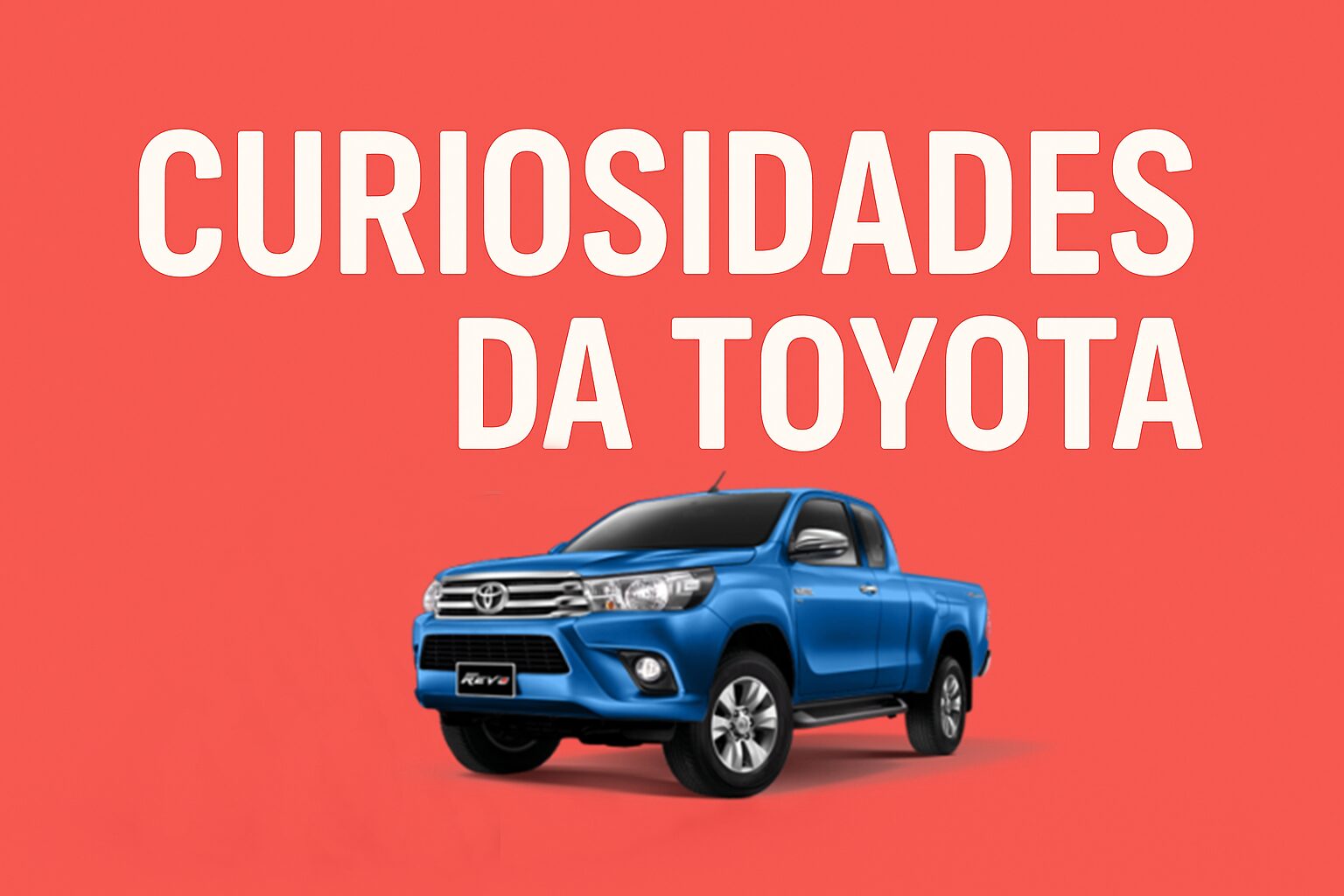
From Textile Industry Origins to Hybrid Cars That Changed the Industry, Discover Astonishing Facts That Help Explain Toyota’s Global Success.
Few automotive brands in the world have the same recognition and influence as Toyota.
With a solid presence in 170 countries and a status symbolizing durability, efficiency, and innovation, the Japanese automaker did not achieve this position by chance.
The history of Toyota is marked by bold decisions, impressive numbers, and a deep connection with markets from all continents — especially Africa.
-
The car stored for 38 years: when opening the barn door, what appears is breathtaking and looks like a scene from a movie!

-
Fiat works miracles in the Brazilian market, lowers the price of its 0 km hatch to R$ 69,990, reestablishes the model as the cheapest car in the country, and reignites the battle against Kwid and C3.

-
Chevette with cooking gas: How the gas cylinder ends up being used in cars clandestinely and why this makeshift solution can result in leaks, explosions, damaged engines, and seized vehicles.

-
Fiat launches the new 2027 Toro hybrid with 48V, 176 hp, an electric motor of 15.5 hp, a 0.85 kWh battery, up to 7% fuel savings, 8% fewer emissions, and possible exemption from IPVA.


From Weaving to Cars: The Beginning of Everything
Toyota’s origins date back to an industry that had nothing to do with automotive. The original founder of the company was Sakichi Toyoda, creator of Toyoda Loom Works, dedicated to manufacturing looms.
It was his son, Kiichiro Toyoda, who decided to change the family’s business direction and enter automobile manufacturing.
The Toyota Motor Corporation was officially founded in 1937. Initially, it used the name Toyoda, with a “D,” both in English and Japanese.
However, with plans for international expansion, there arose a need for a more universal brand. After an internal competition, the name “Toyota” was chosen.
Besides sounding better in various languages, it was also associated with the lucky number eight in Japanese culture. Click here to read the history of Toyota.
Significant Presence in Africa
One of the regions where Toyota has gained absolute dominance is the African continent. In South Africa, for example, the company reached a 24.4% market share in new vehicle sales in April 2025, highlighting models like the Hilux, Corolla Cross, and Fortuner.
African consumers’ preference is linked to the reputation for robustness of Toyota vehicles, ease of maintenance, and trust in Japanese engineering.
For many, the simple fact that the car is manufactured in Japan is already enough reason to decide to buy.
Corolla: An Absolute Champion
The Toyota Corolla is one of the most recognized automobiles worldwide. Launched in 1966, the model stood out for its reliability, cost-effectiveness, and simple maintenance, which helped solidify its global popularity.
Over the decades, the Corolla has gone through various generations and evolutions, keeping up with market changes and consumer demands.
The Toyota Corolla remains one of the best-selling cars in the world in 2025. According to the latest report from automotive consultancy Focus2Move, the model led global sales in the first four months of the year, with 244,751 units sold between January and April.
The survey considered data from 162 countries and includes all available versions of the Corolla in the market, such as hatchback and wagon, popular in various regions outside Brazil.
Cars That Last for Decades
Another point that reinforces Toyota’s reputation is the durability of its vehicles. Estimates show that 80% of the cars sold by the brand 20 years ago are still on the road.
It is common to see older models, often with hundreds of thousands of kilometers driven, operating without major problems.
This durability gives the brand another important advantage: resale value. The brand’s vehicles have an excellent resale value.
Green Brand Number 1
The commitment to sustainability is also one of Toyota’s pillars. The company was ranked as the Global Green Brand number 1 by consultancy Interbrand. This recognition underscores Toyota’s importance in developing clean technologies and pursuing a more sustainable future in the automotive sector.
The automaker’s pioneering work in hybrid cars began with the Toyota Prius. Since then, the brand has continued to invest in alternatives to fossil fuel usage.
Leadership in Innovation
Toyota not only keeps up with industry innovations — it leads them. The company holds the record for over 1,000 patents registered globally, related to new technologies for the automotive sector.
This focus on innovation is also fueled by a massive investment in Research and Development.
The Japanese automaker allocates more than $9 billion per year to develop new concepts, ideas, and technological solutions.
In 2016, for example, Toyota became the first manufacturer in the world to sell a hydrogen fuel cell vehicle commercially. The model, called Mirai, had an initial production of 700 units. This project was the result of over 20 years of the company’s research and development in fuel cell technology.
Toyota Around the World
Today, Toyota is present in over 170 countries. Its influence is so great that the brand has been considered more recognized than Coca-Cola in some regions. Almost every family that owns a car has had, has, or knows someone who has a Toyota.
The global expansion of Toyota reflects an efficient strategy of adapting to different markets while maintaining the quality and reliability of its models as its main calling card.
Toyota’s journey is marked by innovation, consistency, and a strong global presence.
From producing looms in Japan to leading in green technologies and presence in markets such as Africa, Europe, and Latin America, the brand has built a legacy that goes beyond the automotive industry.
Toyota’s commitment to quality, sustainability, and innovation is evident in every step taken by the company.
The preference for its models in countries with adverse conditions, such as many regions in Africa, reinforces the image of a manufacturer that delivers what it promises: reliable, durable vehicles with excellent cost-effectiveness.
As the world transforms, Toyota continues to follow this movement. And, as data shows, it does so with leadership, responsibility, and great efficiency.
The brand’s story goes on, and all indications are that there are many successful chapters ahead.








Seja o primeiro a reagir!