





 Portuguese
  English
  Spanish
  6 min of reading
  0 comments


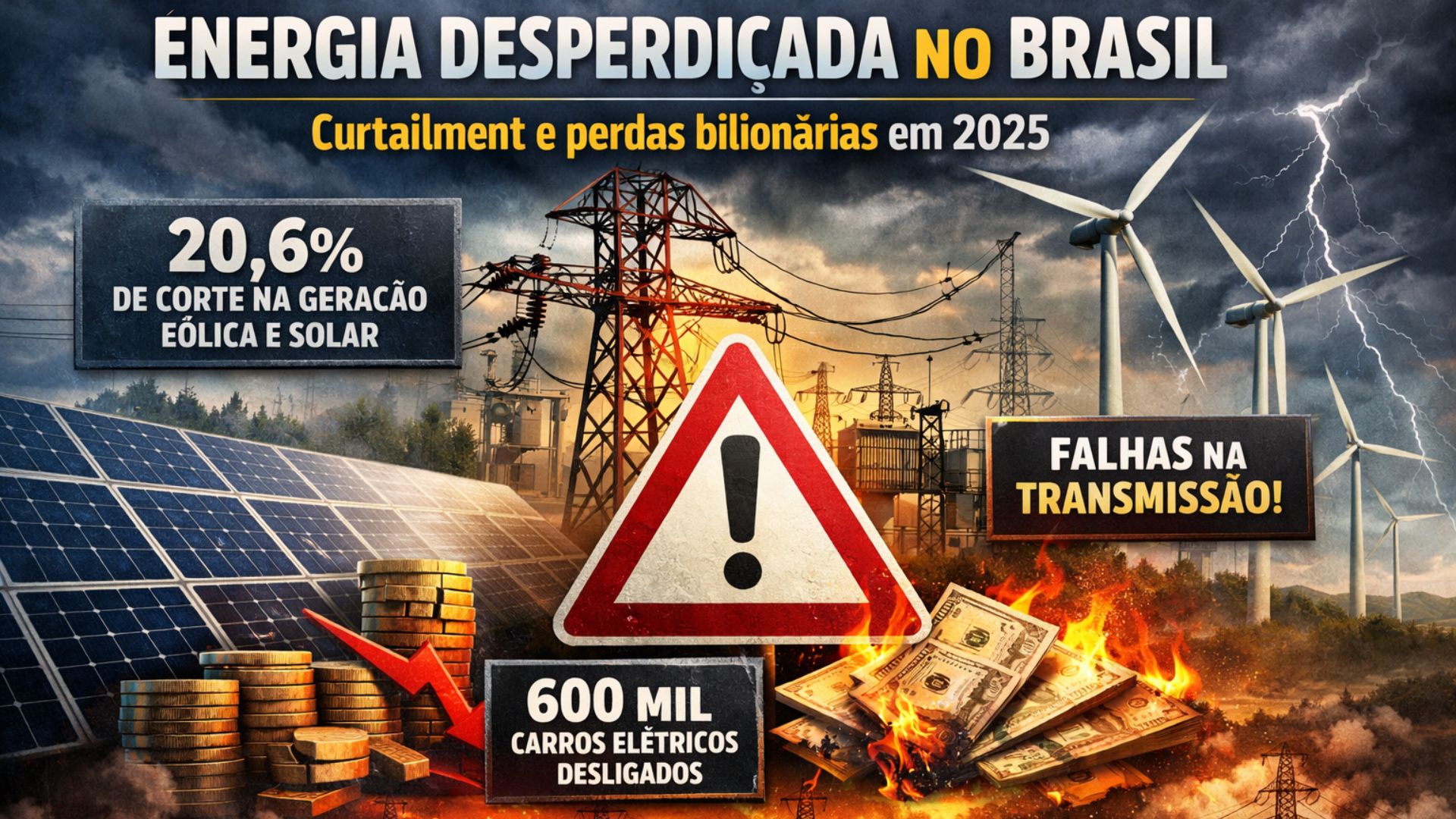
The Advancement of Curtailment in Brazil Sparks Alarm in the Electric Sector: Cuts to Solar and Wind Energy Reach 20.6% in 2025, Increasing Energy Waste and Pressuring Investments, Transmission, and the Energy Transition.
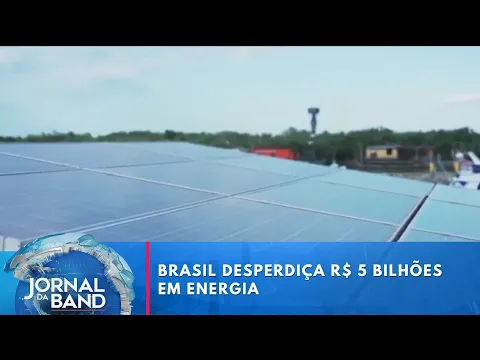
The Curtailment in Brazil reached 20.6% of the total capacity of solar and wind energy plants integrated into the National Interconnected System (SIN) in 2025. According to a report published by the site Além da Energia, from Engie, on February 19, this percentage represents more than double the figure recorded the previous year, when cuts amounted to 9.3%. In 2023, the level was 3.6%, and in 2022, only 0.5%. In this article, we will detail everything about Curtailment and its impacts on the clean energy market.
What Do ONS Data Reveal for Renewable Energy?
The escalation of cuts indicates that waste of renewable energy is no longer sporadic and has become a structural problem. The phenomenon occurs precisely at a moment when Brazil is often pointed out as a protagonist of the energy transition, thanks to the strong expansion of clean sources.
According to data released by the press based on information from the National Electric System Operator (ONS), the volume of energy cut in 2025 would be sufficient to power about 600,000 electric cars for a year. The amount could also meet the annual demand of 40 large data centers.
-
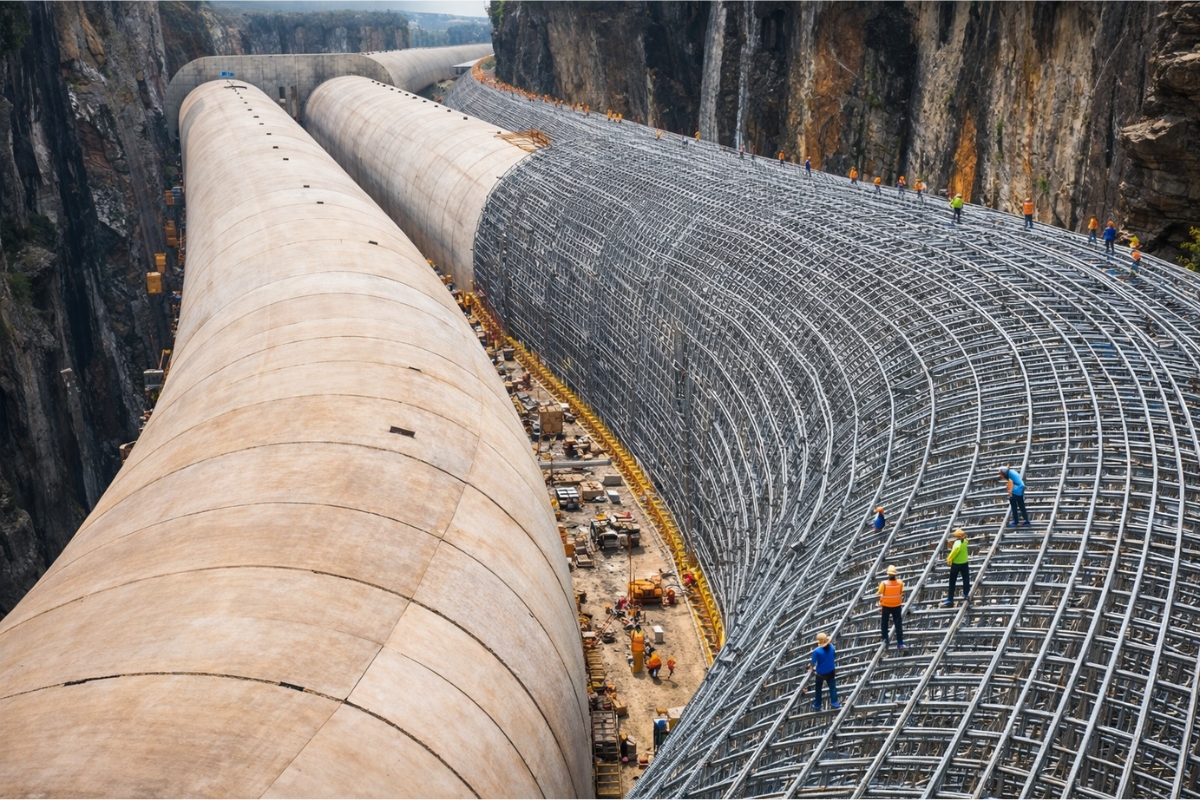
Switzerland invested over $2.3 billion and bet on water, altitude, and solid rock to create a battery in the Alps capable of powering more than 1 million homes.
-
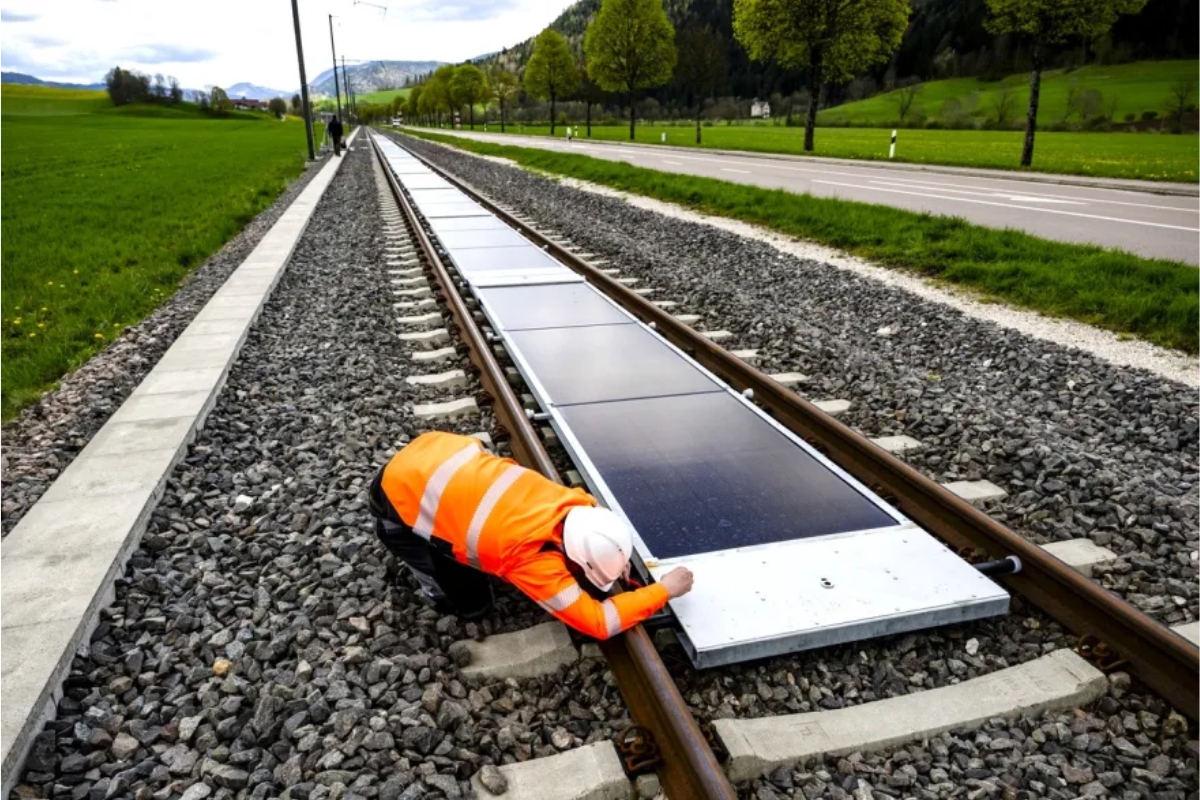
In Switzerland, tracks that previously only accommodated trains are beginning to generate electricity with removable solar panels installed on active railways, paving the way to transform the railway network into a new front for clean energy.
-
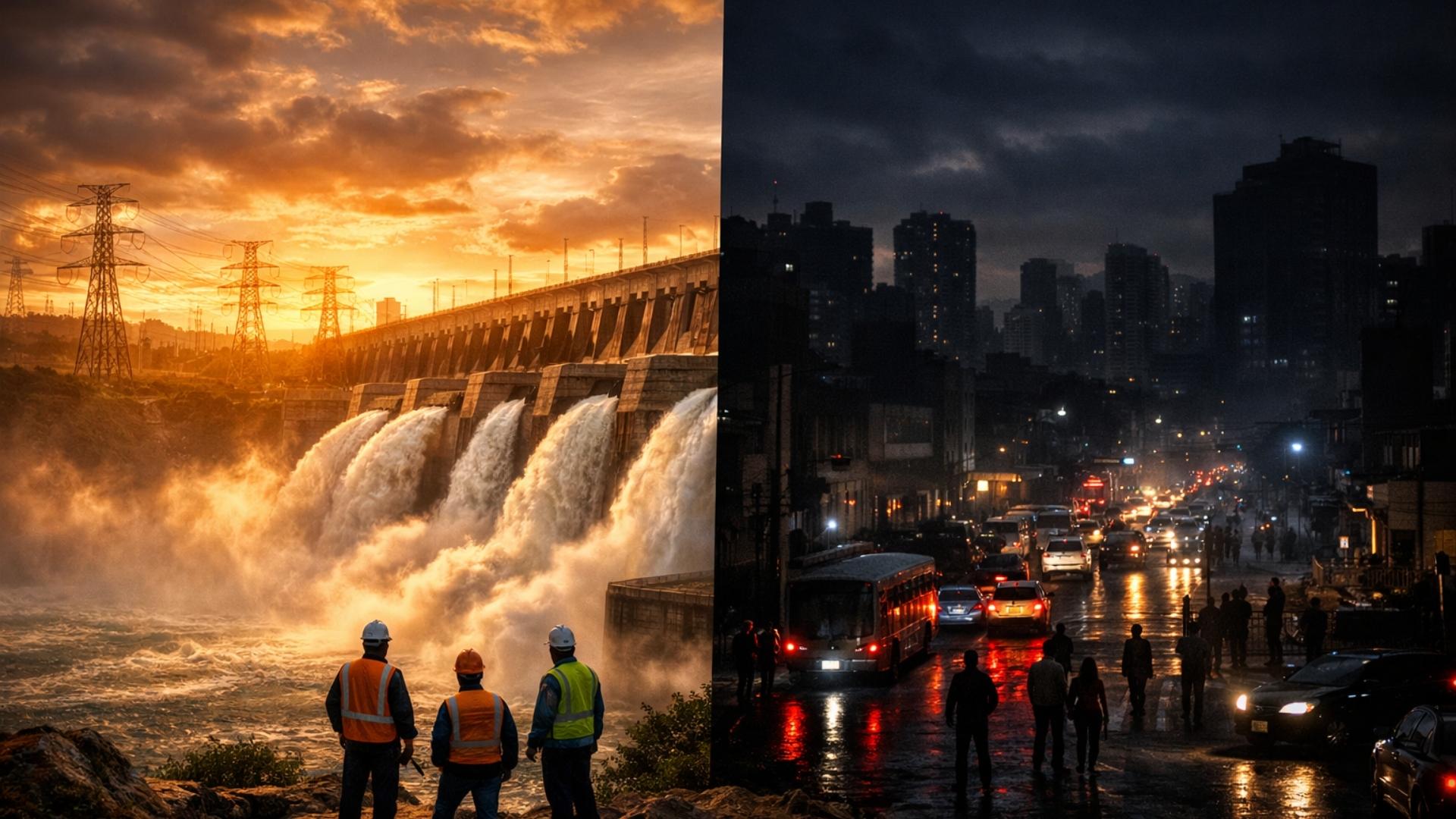
Brazil raises alarm to avoid blackout: the country may need 3 Itaipus and is already wasting up to 5,135 MW of energy on days of excess solar.
-
Renewable energy advances over protected areas in Brazil, and a survey by the Energy Transition Observatory reveals silent impacts that challenge environmental conservation and pressure sensitive traditional territories.


In another relevant comparison, the total energy associated with Curtailment in 2025 was equivalent to ten months of production from the Belo Monte Hydroelectric Plant, the second largest in the country, surpassed only by Itaipu. These numbers reveal the magnitude of the challenge and reinforce the need for adjustments in planning within the electric sector.
Accelerated Growth of Solar and Wind Energy Pressures the Grid and Expands Curtailment
The advancement of solar and wind energy in Brazil has been significant in recent years. The decrease in equipment costs, the contracting auctions, and environmental goals have driven new projects at an accelerated pace.
However, the expansion of generation has not been accompanied at the same speed by the expansion of transmission infrastructure. The result is a system that, at certain times, produces more than it can transport or consume.
Curtailment arises, in this context, as a technical instrument to preserve the balance of the SIN. When supply exceeds demand, the operator determines a temporary reduction in generation to avoid overload, instability, and the risk of blackouts.
Although it is a legitimate safety mechanism, the growth to 20.6% in 2025 highlights that the problem has ceased to be sporadic. The continuous increase from 0.5% in 2022 to 3.6% in 2023, 9.3% the following year, and now 20.6% indicates a trend that concerns investors and specialists.
Oversupply Accounts for 54% of Cuts and Intensifies Waste of Clean Energy
The mapping by the ONS indicates that 54% of the Curtailment in 2025 was driven by energy oversupply, classified as “energy reason.” This means that, at certain times of the day, especially during peak solar hours, the system received more energy than national consumption required. This scenario creates a paradox. The country expands its renewable matrix, strengthens the energy transition, but faces increasing waste of energy.
In addition to oversupply, 33% of the cuts were attributed to system reliability. In this case, operational restrictions are necessary to ensure electrical safety, such as limitations on transmission lines and technical stability requirements. The remaining 13% occurred due to external unavailability, including limitations imposed by factors such as extreme weather conditions.
The set of these data demonstrates that Curtailment is not the result of a single factor, but a combination of accelerated generation expansion, bottlenecks in transmission, and operational challenges.

Distributed Generation and the New Challenge for the Energy Transition
Another relevant element is the growth of distributed generation (DG). Unlike large solar and wind energy plants, which are dispatched and controlled by the ONS, DG is not under direct command by the operator.
It is estimated that distributed generation has already reached 42 gigawatts of installed capacity. This volume represents an increasingly significant portion of the electric matrix and could reach almost one-third of the total Brazilian capacity by 2029 if the pace of expansion is maintained.
The energy injected by distributed systems, such as rooftop solar panels, is absorbed by the local grid. When added to centralized generation, it can exacerbate oversupply in certain regions.
As a consequence, larger plants are often the first to experience Curtailment, as they are the only ones effectively dispatched by the operator. If current conditions persist, the share of oversupply in the total cuts, which was 54% in 2025, could reach 96% of Curtailment in three years. This scenario increases the risk of waste of energy and adds additional pressure to the planning of the Brazilian energy transition.
Curtailment, Economic Losses, and Impacts on Investments in Solar and Wind Energy
The increase in Curtailment brings direct consequences to the business environment. Solar and wind energy plants that cease to generate also stop earning, even when part of the energy is contracted. The unpredictability of the cuts can affect the cash flow of projects and elevate the perceived risk for funders. In a capital-intensive sector, any additional uncertainty impacts financing costs.
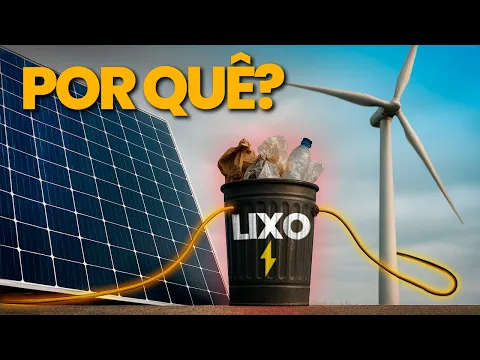
Moreover, waste of clean energy represents economic inefficiency. Abundant natural resources, such as sun and wind, are not fully utilized. This reduces Brazil’s competitiveness potential in sectors that rely on abundant renewable energy, such as green hydrogen production and data centers. In a global decarbonization context, maintaining high levels of Curtailment could compromise the country’s credibility as an investment hub in the energy transition.
Transmission Bottlenecks and Structural Limitations of the National Interconnected System
A large part of the new solar and wind energy plants is located in regions with high potential, such as the Northeast. However, the main consumer centers are in other areas of the country.
Transmission infrastructure does not always keep pace with the expansion of generation. Congested lines and operational restrictions increase the need for Curtailment to maintain system stability.
The SIN was historically structured with a strong predominance of hydropower. The accelerated insertion of variable sources demands technological adaptations, reinforcement of substations, and new interconnections. Without these investments, waste of energy is likely to grow, even if the country continues to expand its renewable installed capacity.
Technical Paths to Reduce Energy Waste and Strengthen the Energy Transition
Experts point out that reducing Curtailment involves a combination of solutions. Expanding transmission is essential to increase the outflow capacity of solar and wind energy.
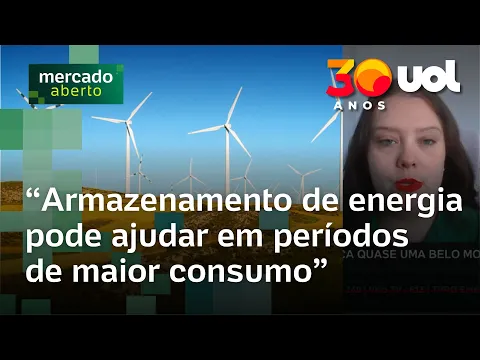
Energy storage is also gaining importance. Battery systems and other technologies can absorb excess production and release it during peak demand times, thereby reducing waste of energy.
Another alternative is to encourage flexibility in consumption. Differentiated tariffs and demand response programs can incentivize consumers to use more energy during peak renewable generation hours.
The digital modernization of the electric grid, with greater data integration and automation, also helps optimize system operation and mitigate the growth of Curtailment.
The Balance Between System Security and Economic Efficiency
It is important to recognize that Curtailment is not, by definition, an operational error. It plays an essential role in preserving the stability of the SIN. Without this mechanism, the risk of blackouts could increase during periods of oversupply.
The challenge lies in the level reached. When cuts reach 20.6% of the capacity of solar and wind energy plants, the issue is no longer just technical and begins to have strategic implications. The advancement of waste of energy amid renewable expansion demands coordinated responses from the government, regulators, operators, and investors.
What the Advancement of Curtailment Reveals About the Future of the Brazilian Electrical Matrix
The growth of Curtailment in 2025 signals that the expansion of solar and wind energy needs to be accompanied by systemic planning. The Brazilian energy transition relies not only on installing more renewable capacity but also on efficiently integrating this production.
The numbers indicate an accelerating trajectory of cuts: 0.5% in 2022, 3.6% in 2023, 9.3% the following year, and 20.6% now. If nothing is done, the share of oversupply could reach 96% of the total in three years.
Brazil has clear competitive advantages in renewable sources. However, transforming this potential into sustainable leadership requires robust infrastructure, storage, technological innovation, and adequate regulation.
Reducing Curtailment means decreasing waste of energy, increasing economic efficiency, and consolidating the country’s position as a protagonist in the global energy transition.







-

Uma pessoa reagiu a isso.