Portuguese
  Spanish


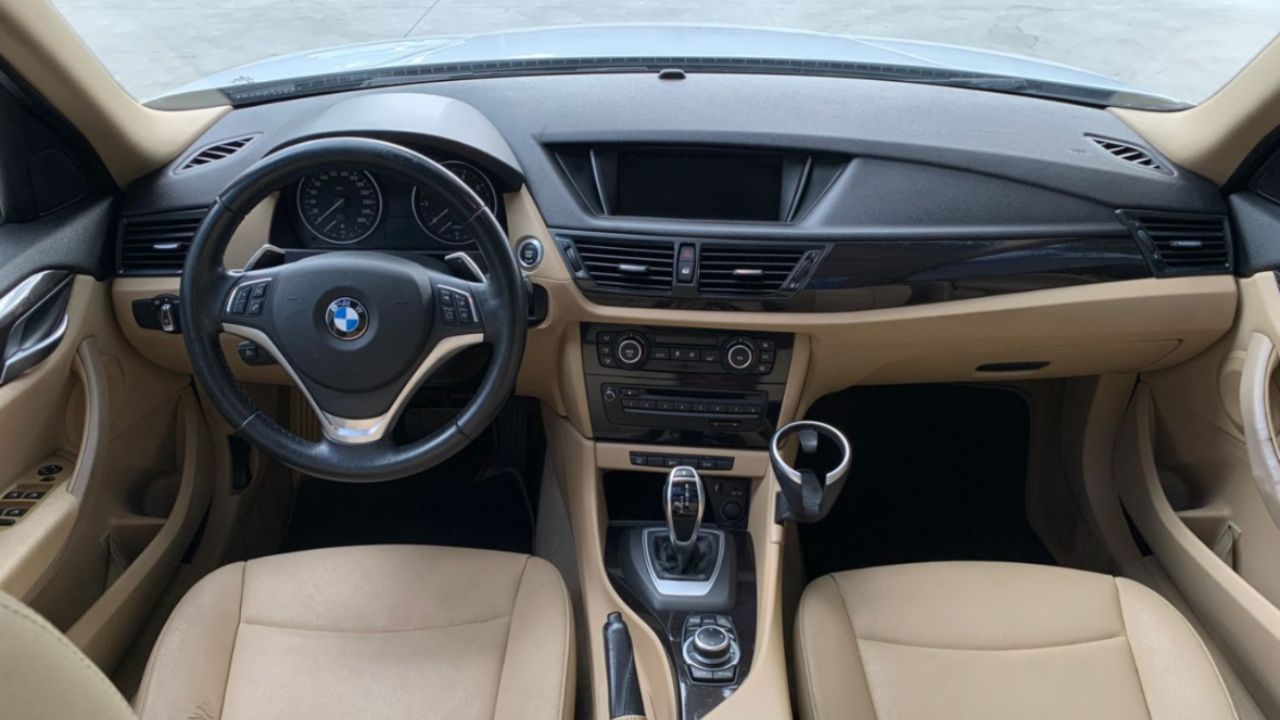


Accessible German Engineering: For R$ 85,000, Model Delivers Rear Wheel Drive and 184 HP, But Hides a Maintenance Cost That Requires Capital Reserve.
The used vehicle market in Brazil has shown depreciation phenomena that create unique opportunities for consumers willing to accept a higher risk profile. One of the most prominent examples is the BMW X1 sDrive20i (E84 generation), 2014 model. Priced at around R$ 85,000, this luxury SUV reaches a nominal price level comparable to that of budget new cars, offering a set of engineering and performance significantly superior.
This accessibility, however, is a double-edged sword. While the buyer gains the prestige of the Bavarian brand, 8-speed automatic transmission and 2.0 TwinPower Turbo engine with 184 horsepower, the transaction does not remove the ownership cost of a premium vehicle. The purchase of the 2014 X1 is the gateway to luxury, but it requires the owner to be prepared for a high Total Cost of Ownership (TCO), especially concerning corrective maintenance.
How Much Does BMW Prestige Cost? The Market Price Reality
The thesis of accessible luxury is validated by the analysis of official and market prices. According to the FIPE Table, the official average price for the BMW X1 2.0 sDrive20i (Auto) 2014 is R$ 80,285. Actual sales listings confirm that the model is traded in a range close to R$ 85,000 (like R$ 84,900 or R$ 85,900), according to research on portals like iCarros, Mercado Livre, and Webmotors.
-
Toyota Corolla Hybrid Achieves 17.5 km/l in City with Self-Charging System and Regenerative Braking, Offering a Spacious and Quiet Ride Without Needing a Plug

-
Land Rover Issues Recall for Airbag Connector Fault Affecting 250,857 Vehicles in the US, Alerting Drivers in Brazil for Official Notice

-
Brazilian Electric Motorcycle Once Promised 180 km Range and Affordable Price, Now Faces Uncertain Future Amid Delays and Manufacturer’s Bankruptcy
-
Chery Stockman 2026 Unveiled: Larger Than Toyota Hilux, Featuring Unique Plug-In Hybrid Diesel Engine, 3.5 Ton Towing Capacity, and 1,000 kg Payload to Challenge Traditional Off-Road Trucks


The disparity is a crucial factor: models with very high mileage (between 127,000 km and 170,000 km) can be found in the lower price range, but this initial savings is, in fact, a direct indication of the increased risk of corrective maintenance. The buyer seeking an example with a proven history and low mileage will pay a price closer to the ceiling, demonstrating that the market prices the quality of the maintenance history of the luxury SUV.
Performance and Engineering: Where the BMW X1 Outperforms New Cars
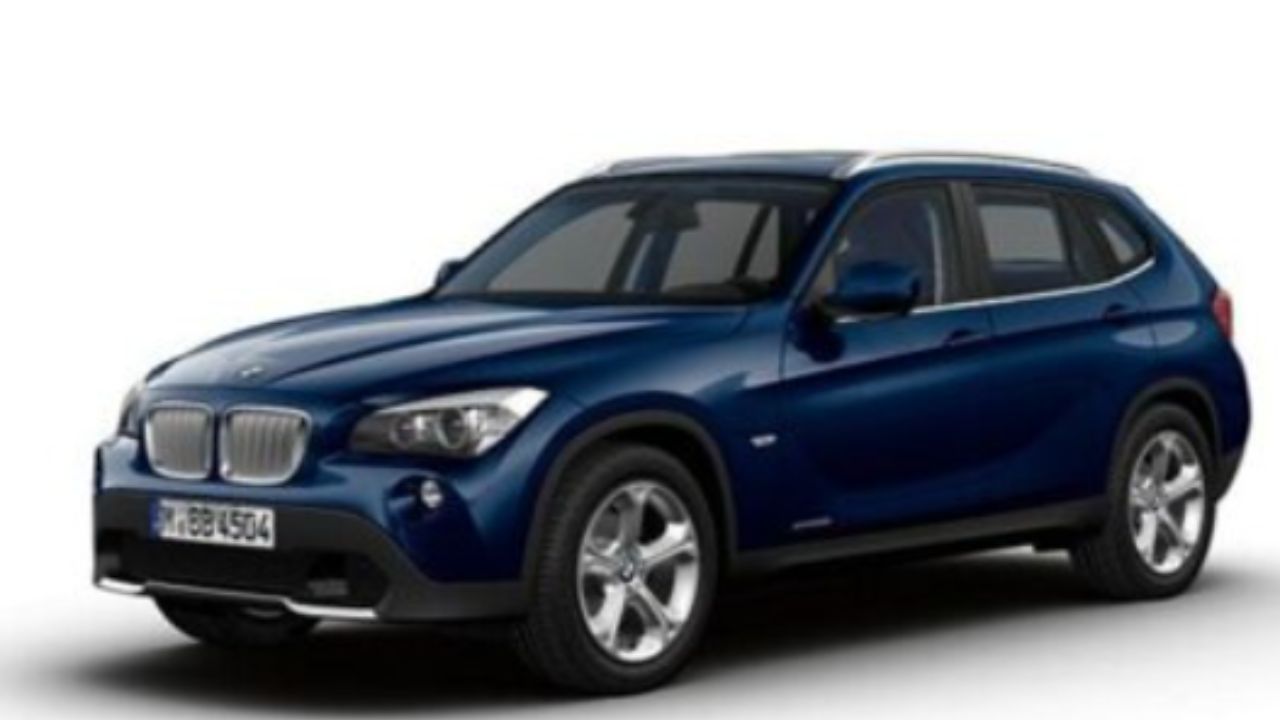
The major differentiator of the 2014 X1, which underpins its emotional selling strength, is performance. While entry-level new vehicles, like the Citroën C3 Live 1.0 (starting at R$ 73,990) or the VW Polo Track 1.0 (R$ 92,660), deliver a maximum of 75 hp to 84 hp, the BMW X1 sDrive20i 2014 offers 184 horsepower and a robust torque of 27.5 kgf.m, as detailed in the iCarros technical sheet and validated by sources such as KBB Brazil.
This power allows the luxury SUV to accelerate from 0 to 100 km/h in just 7.4 seconds. The 2.0-liter BMW TwinPower Turbo engine is mated to a ZF 8-speed automatic transmission, considered a standard of excellence in the industry. This technological combination represents a leap in quality and driving pleasure when compared to transmissions and engines of entry-level cars.
The Differentiator of Rear Wheel Drive and Classic BMW DNA
One engineering point that makes the 2014 BMW X1 particularly attractive in the used market is its drive configuration. The sDrive20i (E84) model utilizes Rear Wheel Drive (RWD), a characteristic that validates the promise of sporty and classic driving that the brand stands for, according to the iCarros technical sheet.
This configuration is a legacy of the E90 platform (Series 3) and gives the vehicle distinctive weight distribution and driving dynamics. It is crucial to note that this model is significantly different from subsequent generations (F48, starting in 2016), which migrated to front wheel drive. Therefore, the 2014 X1 offers a “pure” BMW driving experience that is not present in newer entry-level versions. Furthermore, the vehicle is equipped with a complete safety package, including front, side, and head airbags, and advanced stability control systems (DSC and DTC), reflecting the high premium standard of active and passive safety.
Premium Finish and the Caveat of Outdated Technology


The promise of “premium finish” is upheld in the structural and tactile quality of the interior of the luxury SUV. The materials, acoustic insulation, and build precision are inherently superior to those found in compact vehicles of the same price range. Although the 2014 dashboard design reflects the aesthetics of the time, the upholstery (whether in genuine or synthetic leather) and aesthetic appeal reinforce the luxury differential.
However, the onboard technology requires a caveat. The infotainment system (iDrive) belongs to an older generation. The 2014 X1 lacks cutting-edge digital interfaces found in newer generations, such as Apple CarPlay or Android Auto from the factory. The luxury, in this context, lies in the underlying engineering and quality of components, not in digital technology, which will inevitably become outdated.
Maximum Alert: The Hidden Cost and Chronic Risk of the N20 Engine
The acquisition of the luxury SUV at the price of a budget car has its price in maintenance. The analysis of the Total Cost of Ownership (TCO) reveals onerous fixed costs: the Vehicle Property Tax (IPVA) can vary from R$ 1,606 (rate of 2.0% in RJ, based on the FIPE of R$ 80,285) to R$ 3,211 (rate of 4.0% in MG/SP). Added to insurance, which can range between R$ 4,000 and R$ 5,000, the annual fixed cost can easily exceed R$ 7,200.
The most critical risk, however, lies in the N20 engine (2.0 TwinPower Turbo). This engine is internationally recognized for the predictive failure of the timing chain, which can lead to catastrophic damage. Although the parts kit (Timing Chain) costs between R$ 1,082 and R$ 1,419, according to research on Mercado Livre, the actual cost of the total service, which requires highly specialized labor for the complex disassembly of components, can range from R$ 8,000 to R$ 15,000, according to the analytical report.
The Golden Rule for the Buyer
The 2014 BMW X1 sDrive20i on the E84 platform offers an enticing balance of performance (184 hp and RWD) and status of luxury SUV for a low acquisition price. However, it is fundamental for the buyer to understand that the low initial price is, in fact, the entry cost for a premium maintenance profile.
The ideal profile for purchase is that of a consumer who:
- Values classic BMW RWD engineering.
- Has access to specialized independent workshops.
- Has an immediate and dedicated capital reserve, estimated between R$ 15,000 and R$ 20,000 (about 20% to 25% of the purchase price), to cover the preventive maintenance of the N20 timing chain or unexpected suspension/transmission failures.
Essentially, the real value comparison is: R$ 85,000 purchase price + R$ 15,000 maintenance reserve (total of R$ 100,000) for a used and powerful BMW, versus R$ 90,000 for a new VW Polo with factory warranty.
Does the savings on purchasing a luxury SUV used justify the high risk and maintenance cost? Do you prioritize the performance and status of the BMW or the warranty and low TCO of a new car? Please share your opinion in the comments, we want to hear from those who live this reality in the premium used market!