





 Portuguese
  English
  Spanish
  7 min of reading
  0 comments


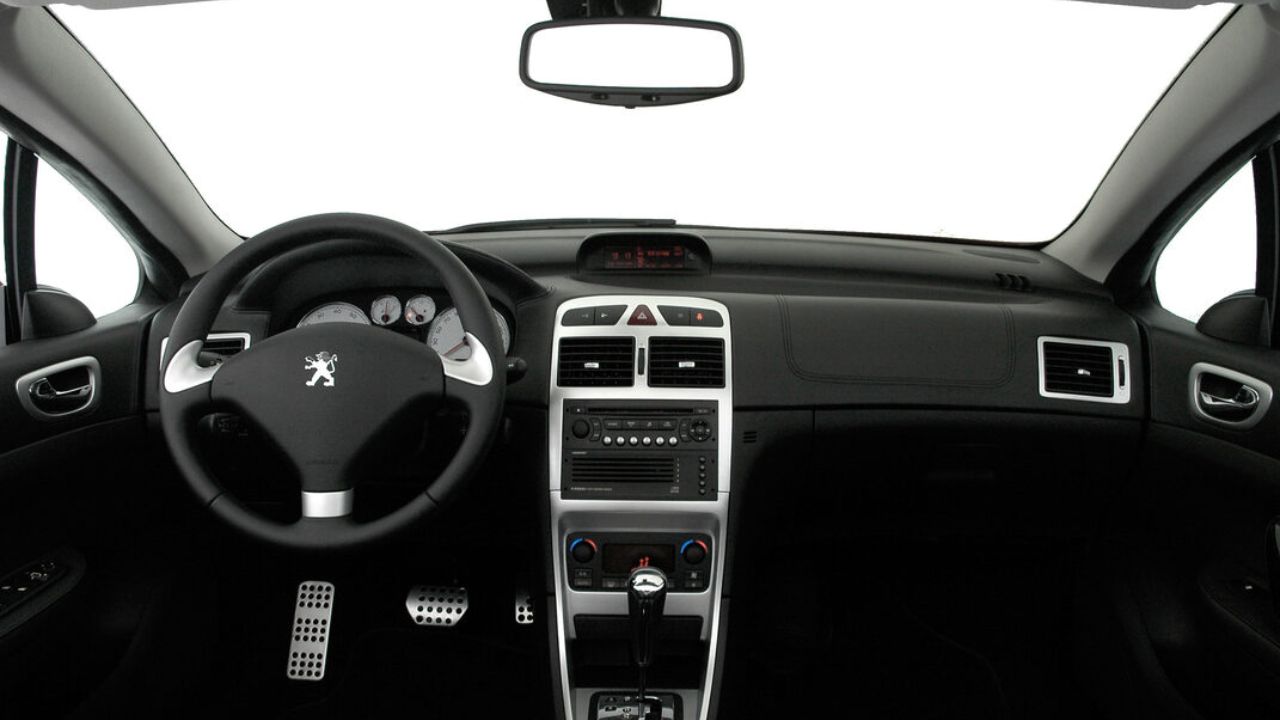
The Peugeot Model Offers a Rigid Roof, 143 hp and Usable Trunk, But Requires Extra Attention in Maintenance and Chronic Problems.
The promise of a rigid-roof convertible with an attractive design for less than R$ 50,000 defines the Peugeot 307 CC in the used car market. Equipped with a 2.0 engine with 143 hp and a functional trunk, it embodies the dream of an accessible coupe-cabriolet, a car that offers style and the experience of open-air driving without the prohibitive cost of the category.
Launched in Brazil in 2004, the Peugeot model became an icon. However, it carries a critical duality: the realization of an aesthetic dream against a potential mechanical nightmare. Behind the elegant design, there is a solid reputation for chronic problems that can turn the low acquisition cost into a spiral of expenses, requiring a thorough analysis before purchase.
The Dual Personality: Design and Onboard Life Analysis
The greatest virtue of the Peugeot 307 CC is undoubtedly its design, crafted by the Pininfarina studio. It fluidly transitions between its two natures: as a coupe, it displays an arched roofline and balanced proportions; as a convertible, it reveals classic elegance. Its dimensions, with 4,357 mm in length and 1,759 mm in width, according to data from the Olho no Carro portal, provide the 307 CC with substantial presence, reinforcing its image as a niche vehicle.
-
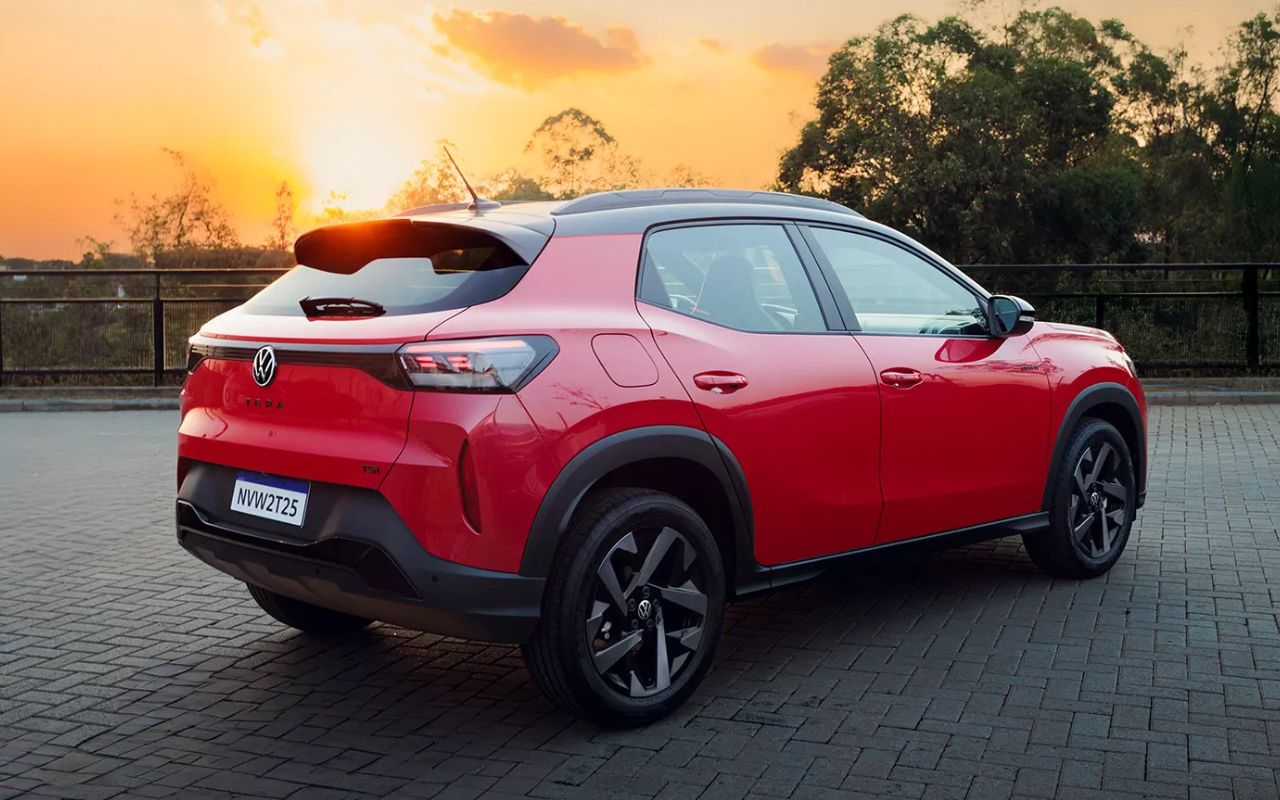
It surpassed the T-Cross, Creta, and Tracker: with nearly 8,000 units sold, the Volkswagen Tera was the best-selling SUV in March 2026.
-
Honda performs miracles in fuel consumption with a hatch that marks 13.2 km/l in the city and 15 km/l on the highway, leaving Polo, HB20, 208, and Onix behind and becoming a reference among compact cars without resorting to turbo or hybrid systems.

-
Six diseases that seem common but can prevent the renewal of the driver’s license for the elderly throughout Brazil and surprise experienced drivers — could any of them affect you without showing clear signs?

-
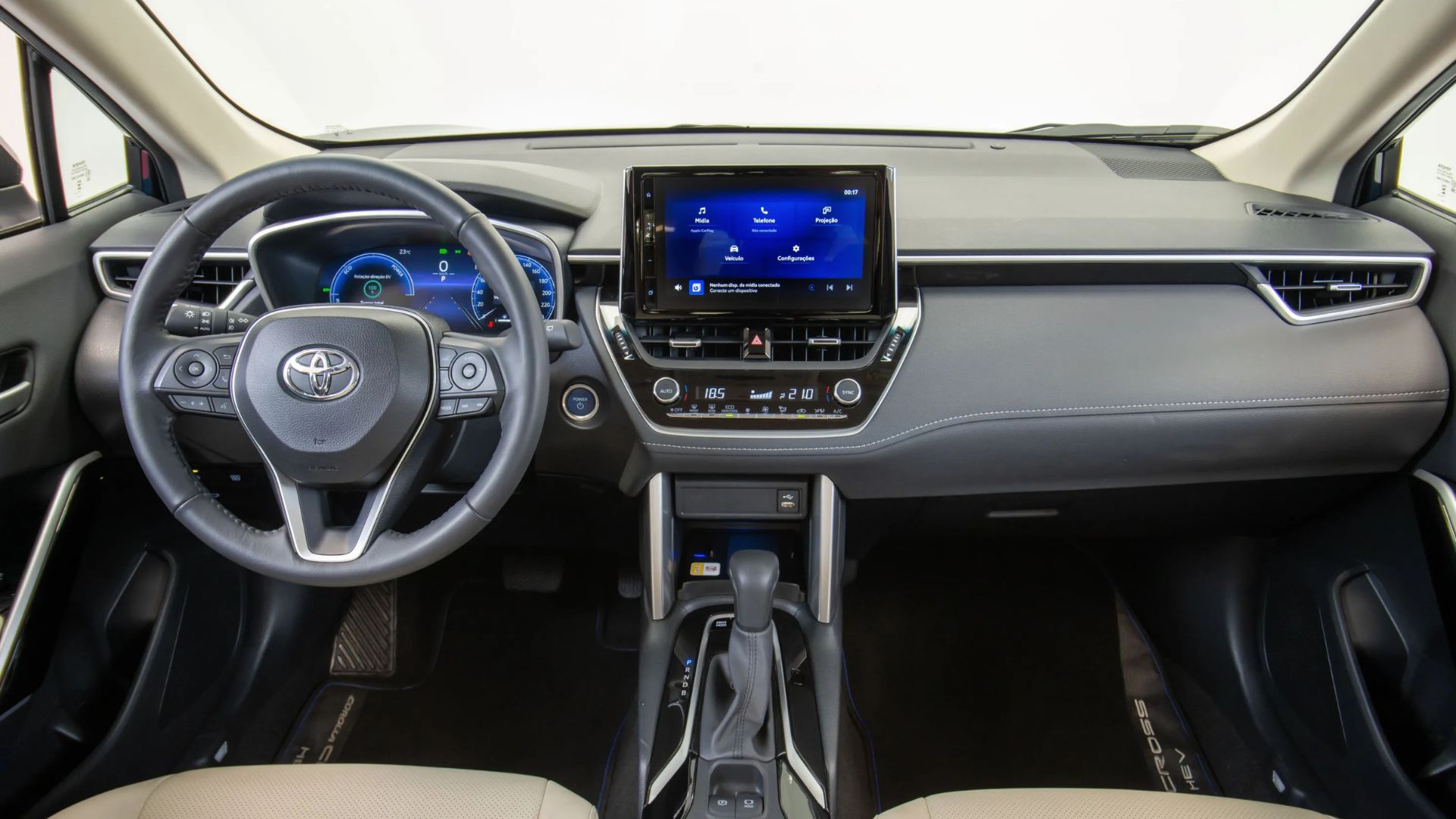
With 122 hp, fuel consumption of up to 17.7 km/l, and a trunk capacity of 440 liters, this hybrid SUV impresses even though it costs up to R$ 47,000 more than the Yaris — meet the Toyota Corolla Cross.

This lasting aesthetic appeal is a key factor for its attractiveness. The car does not look “cheap,” and it is this perception of value that continues to attract buyers, despite the mechanical risks that keep its acquisition price low. The centerpiece of the experience is its retractable rigid roof. In approximately 25 seconds, a complex electro-hydraulic ballet transforms the vehicle, democratizing a technology previously restricted to luxury brands.
The Cabin and the Magic of the Roof
Inside, the 307 CC features a high-quality finish for its time, often with leather seats. The list of standard equipment, validated by the Olho no Carro portal, was generous, including dual-zone digital air conditioning, cruise control, rain and light sensors, and power-folding mirrors.
The seating configuration is “2+2,” but in practice, the rear space is extremely limited, more suitable for children or as an extension of the trunk. The magic of the roof, however, is also the first point of caution. The mechanism consists of multiple sensors and hydraulic motors that require perfect synchronization. Any failure can immobilize the system, resulting in repairs that require highly specialized labor and high costs.
The Heart of the Lion: Performance and Driving Dynamics

The engine that equips most of the Peugeot 307 CC in Brazil is the 2.0 16v gasoline engine (EW10). This engine delivers a maximum power of 143 hp at 6,000 rpm and a maximum torque of 20 kgfm at 4,000 rpm, according to the technical specifications from Olho no Carro. The performance figures are appropriate for the proposal: acceleration from 0 to 100 km/h is achieved in about 10.7 seconds, with a top speed of 206 km/h, according to the same source.
This engine results in a robust driving experience, with a focus on comfort and cruising, not track performance. It is important to note that the 307 CC is a heavy car, with a curb weight hovering around 1,488 kg. This extra weight is a result of the roof mechanism and structural reinforcements. This mass influences dynamics, requiring a suspension (McPherson in the front and twist beam in the rear) calibrated for comfort.
The Transmission Dilemma: AL4 vs. Manual
The choice of transmission is a strategic decision. The overwhelming majority of units come with the 4-speed automatic transmission, the notorious AL4. When functional, it offers smooth shifting. The problem is its documented history of chronic issues, such as jerks and complete failures, which, as detailed by the technical site Auto-Doc.pt, often arise after 80,000 km.
In contrast, there is a version with a 5-speed manual transmission, listed in the database of Carros na Web, but extremely rare in the market. This configuration not only provides a more engaging driving experience but, crucially, eliminates the main focus of problems and expenses of the mechanical set. Finding a manual 307 CC is the ideal scenario for those seeking peace of mind.
The Reality of Coexistence: Costs and Practicality in Daily Life
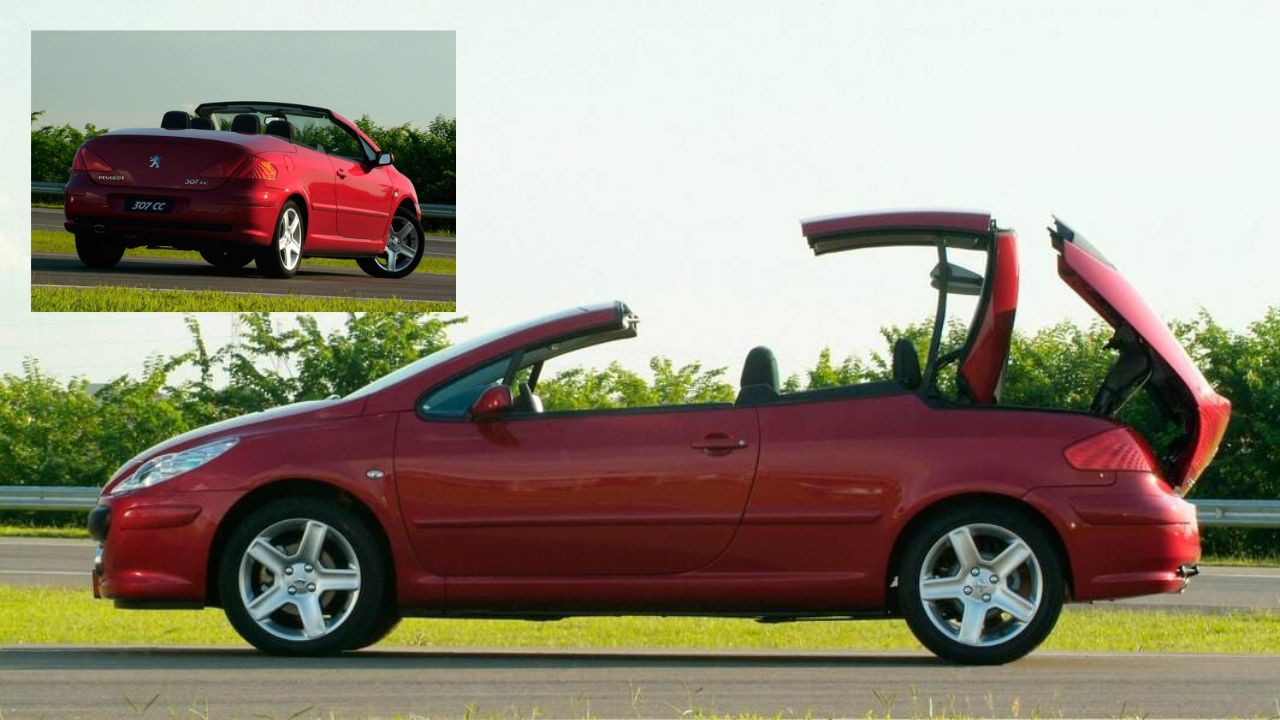
The claim that the Peugeot 307 CC has a “usable trunk” is true, but with caveats. With the roof up (coupe mode), the space is generous, reaching 350 liters, a volume comparable to that of compact hatches. However, when the roof is retracted, it reduces the usable capacity to about 204 liters, according to data from Olho no Carro. This remaining space limits practicality for long trips.
The 2.0 engine is also not an example of efficiency. The consumption figures, according to Olho no Carro, indicate an average of 8 km/l in urban cycle and 12 km/l in highway cycle. With a 60-liter tank, the real urban range should stay below 500 km, requiring frequent visits to the gas station.
The Price of the Dream in the Used Market
The premise of finding a 307 CC for less than R$ 50,000 is realistic, especially for models from the early years (2004-2005). Data from the FIPE Table and listings on specialized portals show this price range. However, this value usually corresponds to vehicles that may require more mechanical or aesthetic attention.
This low acquisition cost is not a coincidence, but a direct reflection of its potential high maintenance costs. The market has “priced” the risk of ownership. This means that the purchase price should be seen as an “entry fee.” A prudent buyer should set aside a significant additional budget (ideally 20-30% of the value) for an initial inspection and unforeseen repairs.
Survival Guide: Maintenance and Chronic Attention Points
This is the crucial chapter for any aspiring owner of a Peugeot 307 CC. Knowing the chronic problems is the best way to avoid a disastrous purchase. The list of recurring defects is extensive:
Automatic Transmission (AL4): The main villain. It exhibits jerks, delays in engaging gears, and total failure. Preventive maintenance, with fluid changes and solenoids, is essential but often neglected.
Suspension: Based on reports from owners on the Carros na Web portal, the suspension is considered fragile for Brazilian conditions. There is a need for frequent replacements of pivots, bushings, links, and shock absorbers.
Electrical Problems: Failures are common. The central locking system may stop working, and the control unit (BSI) is sensitive to electrical “gremlins,” according to analysis from Auto-Doc.pt.
Air Conditioning: The system failure is common, according to Auto-Doc.pt, usually occurring after 60,000-80,000 km, caused by compressor defects or leaks.
Other Defects: The list continues with the peeling of the headliner, a chronic defect reported by owners on Carros na Web, frequent bulb burnouts, and recurring alerts from the anti-pollution system.
In light of such a list, preventive maintenance is not an option but a necessity. The viability of owning a 307 CC is linked to the existence of an accessible specialized PSA (Peugeot-Citroën) workshop for the owner. The complexity of the car requires diagnostic tools that generic workshops do not have. If such support is not available in the buyer’s area, the acquisition becomes exponentially riskier.
The World of Convertibles: Context and Market Alternatives
To understand the place of the 307 CC, it is helpful to compare it with its siblings. The Peugeot 206 CC was the pioneer, being smaller, lighter, and even cheaper. However, it offers less power (1.6 engine with 110 hp), a significantly tighter interior, and a trunk of only 175 liters. The Peugeot 308 CC is the successor, more modern, refined, and in many versions, equipped with the superior 1.6 THP (turbo) engine. However, its price positions it well above the R$ 50,000 range.
In the same price range (R$ 50,000-60,000), the market offers other options for those seeking sportiness or open skies. Classic national convertibles, such as the Ford Escort XR3, offer nostalgic appeal, but with a canvas roof and lacking modern comforts. Meanwhile, “hot hatches” like the Fiat Punto T-Jet or Renault Sandero R.S. offer superior performance and greater mechanical robustness, but forgo the charm and exclusivity of the rigid-roof convertible.
Rational Passion or Risky Bet?
The 307 CC is not a car recommended for daily transport, nor for those on a tight budget. The ideal owner is an enthusiast, who likely has a second car and is attracted to the design. It is someone patient enough to find a good example, who understands the importance of preventive maintenance, and who has already located a specialized workshop.
The purchase can indeed be rewarding. However, the recommendation is strictly conditional: to tirelessly search for a well-maintained example (giving absolute preference to the extremely rare manual version), subject it to a detailed pre-purchase inspection at a specialized PSA workshop, and be financially prepared for the costs. Otherwise, the line separating the dream from the financial nightmare is dangerously thin.
Would you dare to face the maintenance of a Peugeot 307 CC in exchange for this design and the experience of a convertible? Or do you think the financial risk simply does not justify the dream? Leave your honest opinion in the comments!








-

-

10 pessoas reagiram a isso.