





 Portuguese
  English
  Spanish
 6 min of reading
  6 comments


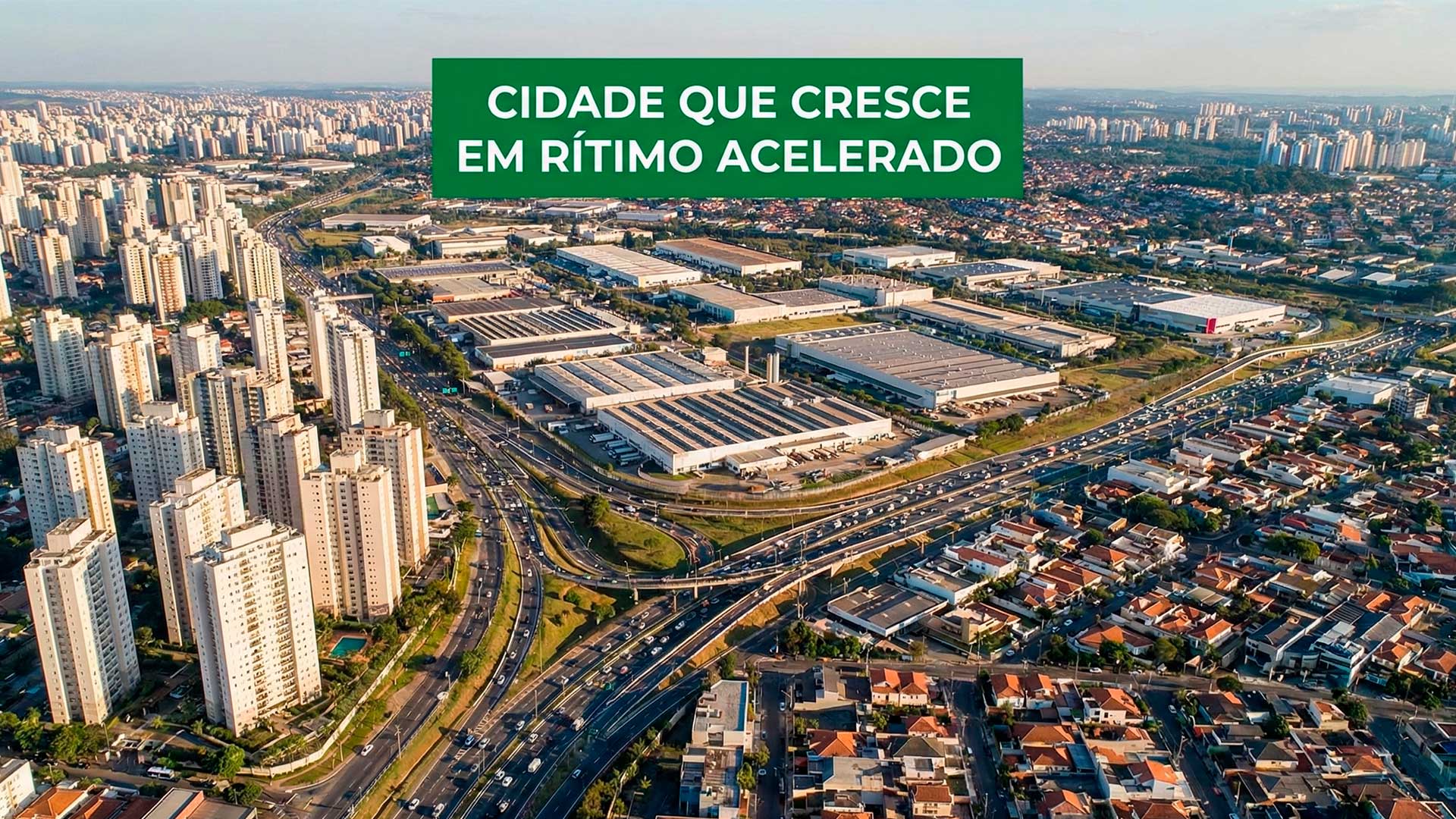


Sorocaba Combines Diversified Industrial Park, Logistics Near the Capital, and Quality of Life, According to IBGE Data and Recent Local Indicators of Urban Development.
Sorocaba is consolidating, in 2025, an image of a big city with a country rhythm. With 762,172 inhabitants according to IBGE estimates, the municipality is increasing its economic weight and attracting those seeking work, mobility, and access to services without relying on the capital.
In practice, the city positions itself as a hub for jobs and consumption for the region. The strength is not only in factories but also in the growth of the service sector, higher education, and health care, which drives the demand for qualified labor.
This movement gains momentum with the proximity to São Paulo and the road connections. Investors and logistics companies continue to view Sorocaba as a support point for distribution, production, and service to markets in the state and the country.
-
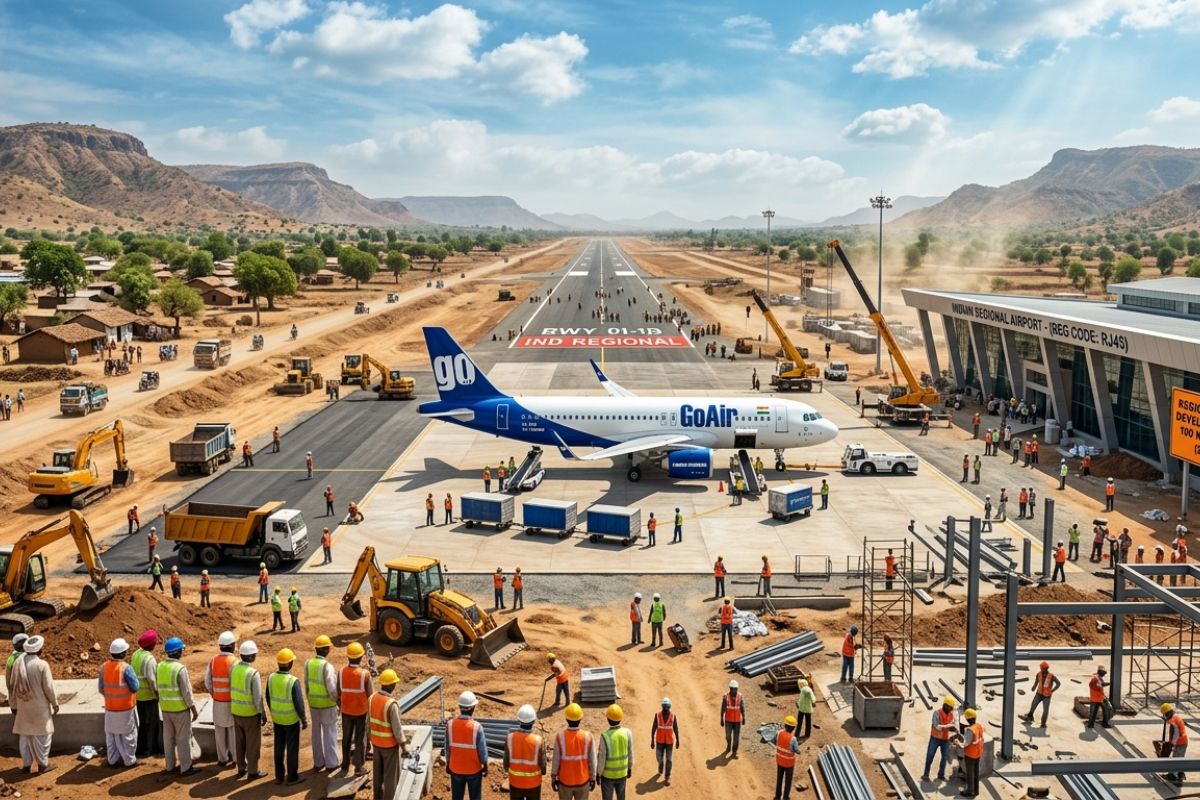
India announces a plan of $3.06 billion to bring aviation to forgotten regions: 100 new airports, $1.07 billion in subsidies, and regional routes guaranteed for 10 years, from 2026 to 2036, away from the centers.
-
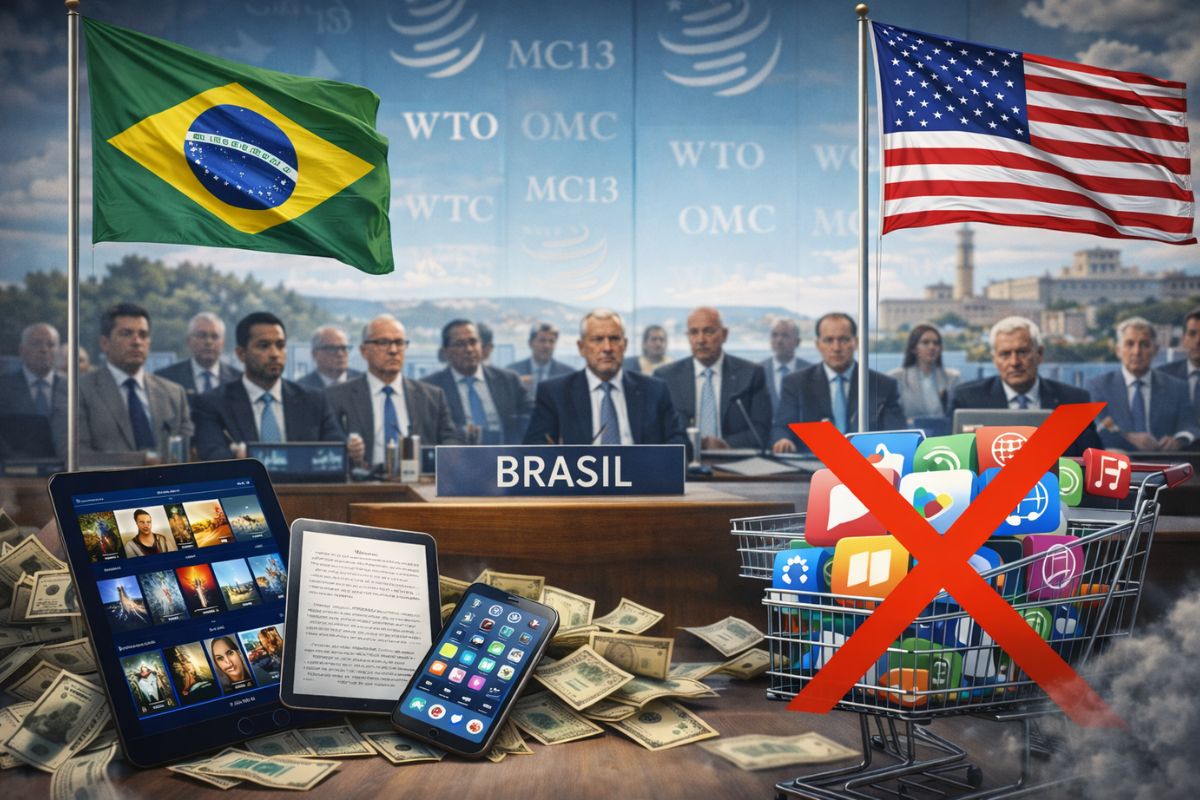
Brazil blocked a proposal from the United States at the WTO that would make the exemption from tariffs on digital products like streaming and ebooks permanent, favoring American tech giants at the expense of developing countries.
-
IPTU exemption for seniors in 2026: see how to secure the benefit.

-
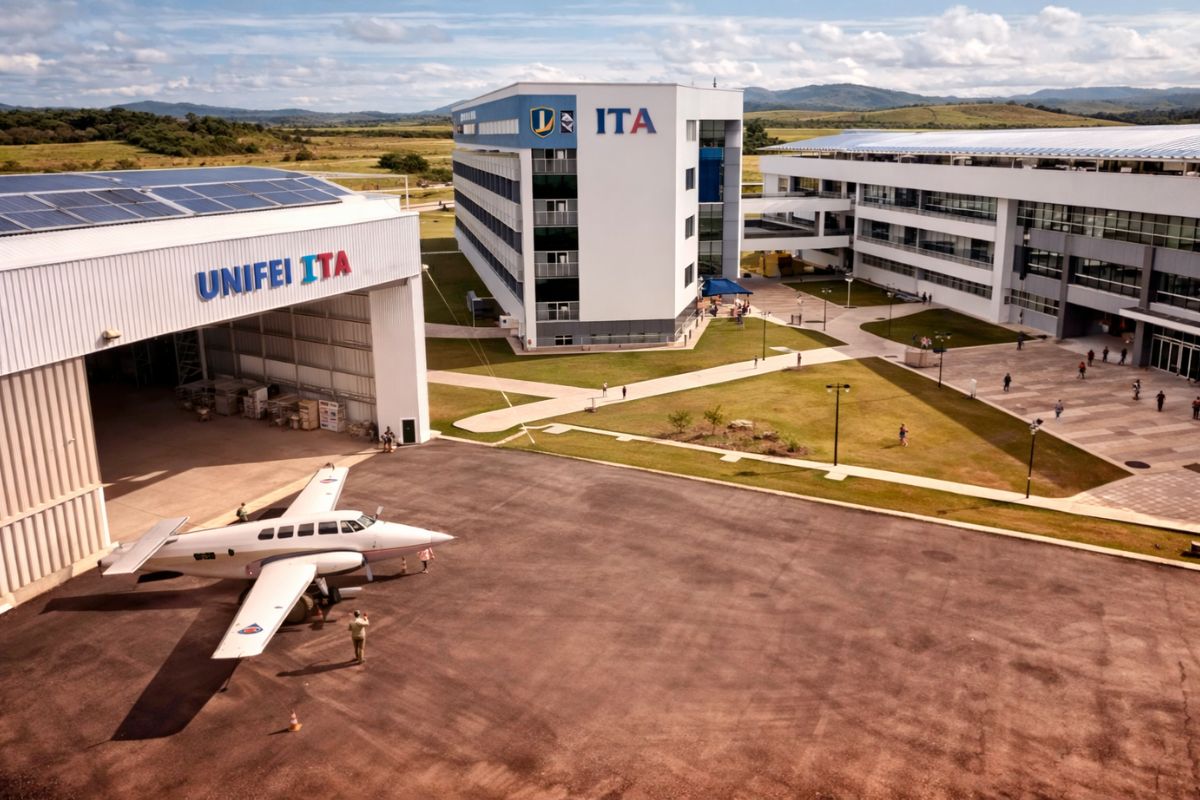
The institute that trained the greatest aerospace engineers in Brazil has just opened its first campus outside São Paulo after 75 years: ITA Ceará will have R$ 445 million, new courses in energy and systems, and classes are expected to start in 2027.
At the same time, the growth ignites typical debates of expanding cities. Real estate appreciation, traffic pressure, and inequality between neighborhoods come into play and challenge urban planning.
Population and Metropolitan Region Enhance Sorocaba’s Prominence in the Interior of São Paulo
Sorocaba ranks among the largest cities in the interior of São Paulo, and recent numbers help explain why. The IBGE’s indicator panel also shows municipal revenues in the billions and a per capita GDP of R$ 64,046.61 in the most recent data available, signaling economic relevance in the state.


Another turning point was the institutionalization of the Sorocaba Metropolitan Region, created by state law on May 8, 2014. The measure placed Sorocaba at the center of a formal arrangement with neighboring municipalities to address issues such as mobility, development, and services of common interest.
Within the metropolitan structure, the Sorocaba Metropolitan Agency acts as the operational arm linked to the state government. In practice, the existence of this arrangement tends to increase regional coordination, which is important as the city grows and starts “pulling” daily commuting for work and study.
Geography and Logistics Explain Why Companies Choose Sorocaba as an Operational Base
Location remains one of the most cited advantages by those observing regional development. Sorocaba is less than 100 km from the capital and is close to road axes connecting the interior, Greater São Paulo, and other regions, which reduces costs and improves delivery timelines.
The official tourism characterization of the municipality notes an altitude of 601 meters, an element associated with thermal variations and a comfort that many residents highlight when compared to hotter areas. In local documents and technical analyses, there is also a reference to the tropical altitude climate, featuring a wetter summer dynamic and a drier winter.
This combination helps attract distribution centers and operations that need supply regularity. In 2025, regional analyses also began to emphasize that infrastructure and access to highways continue to weigh heavily in investment decisions, especially in logistics and industry.
There is also a predictable collateral effect. The more the city becomes a passageway and destination for goods and people, the greater the pressure for roadworks, urban maintenance, and transportation integration, which amplifies the responsibility of public management.
Automotive Industry and Innovation Renew the Profile of Manchester Paulista
Sorocaba historically carries the label of Manchester Paulista, linked to its industrial past. Today, the narrative is updated with the presence of modern segments, particularly the automotive chain and technology companies that orbit the industrial ecosystem.
One of the symbols is the Toyota unit in Sorocaba, cited by the automaker as a factory focused on quality and sustainability that integrates the production strategy in Brazil. In recent news from the automotive sector, the plant also appears as an assembly location for important models for the national market, reinforcing the industrial weight of the municipality.
The second pillar is the Sorocaba Technology Park, which presents itself as an environment focused on innovation and connection with companies, programs, and technological development initiatives. In practice, this type of structure helps bring together industry, startups, and professional training, a sensitive point in markets competing for talent.
This dynamic often boosts job openings in engineering, IT, industrial maintenance, logistics, quality, and management. For those seeking reemployment, the highlight is that Sorocaba does not depend on a single sector, reducing the risk when one segment slows down.
Nevertheless, modern industrialization also comes at a price. More operations mean more commutes, a need for housing near employment hubs, and pressure for public services, especially during peak hours.
Service Sector Grows and Transforms Sorocaba into a Regional Hub for Consumption and Jobs
The advancement of commerce and services is a central part of the “pole city effect.” With each growth cycle, Sorocaba tends to attract residents from neighboring municipalities for shopping, leisure, education, and medical care, expanding the local economic turnover.
Higher education helps sustain this machinery. Institutions like UFSCar in Sorocaba Campus and traditional community universities strengthen the supply of courses and research, feeding the market with professionals and applied projects.
This scenario creates opportunities but also increases competition. With more people seeking qualified jobs, companies raise their demands, and workers need to invest more in training, certifications, and practical experience to stand out.
Bicycle Lanes, Parks, and Green Areas Become Differentiators in Quality of Life in Sorocaba
Besides employment, Sorocaba tries to sell quality of life with visible urban policies for residents. The city hall has already announced a network with 128 km of bike lanes, frequently cited as one of the elements of sustainable mobility in the municipality.
The city also invests in parks as spaces for community interaction and leisure. Parque das Águas and Jardim Botânico Irmãos Villas Bôas appear in official tourism materials as attractions with facilities for walking, environmental education, and events.
Another point mentioned by residents is the Quinzinho de Barros Municipal Zoo, associated with educational activities and conservation. In public perception, this type of facility reinforces the idea of an organized city with accessible leisure options.
Even with progress, the discussion continues. Part of the population demands better integration between bike lanes, public transport, and road corridors so that active mobility is not restricted to specific sections or more valued regions.
Valued Neighborhoods Expose the Competition for Housing and Urban Growth Challenges
Real estate appreciation is often the most immediate thermometer of urban “boom.” Areas like Campolim have gained fame for concentrating commerce, offices, and gastronomy, while traditional neighborhoods like Santa Rosália preserve a more residential and urban memory profile.
This movement has two clear sides. For owners and investors, expansion can mean property gain and more nearby services, in addition to a sense of a more complete and “self-sufficient” city.
For those renting or trying to buy their first home, the effect can be the opposite. Price per square meter, longer commutes, and changes in neighborhood profiles become recurring themes, and the pressure for housing and infrastructure tends to grow with the city.
In the end, Sorocaba becomes a portrait of a Brazilian dilemma. Growing and attracting companies improves income and opportunities but requires planning to avoid increasing inequalities and urban bottlenecks.
Sorocaba is becoming an example of a balanced city or just repeating the problems of capitals in an interior version? Do you think the growth is creating opportunities or making life more expensive for those who already live there? Leave your comment and share what has changed in your routine.







Infelizmente Sorocaba não investiu em urbanismo e desenvolvimento do tráfego urbano, sistema de transporte é ineficiente e caro, o sistema de saúde pública incapaz de absorver a demanda .
Acho tão contraditório essentipi reportagem, fazem críticas a capital pelo trânsito, custo alto e vendem outra cidade como solução e essa cidade passará a crescer descontrolada e terá os mesmos problemas que a capital, isso acontece com Uberlândia e Ribeirão Preto.
Matéria paga. Não acreditem em nada disso, Sorocaba hoje está uma verdadeira Diadema, sem estrutura nenhuma, trânsito péssimo, violência e custo de vida crescentes.