





 Portuguese
  English
  Spanish
  4 min of reading
  0 comments



The Increasing Digitalization of the Oil Sector Exposes New Vulnerabilities and Requires a Robust Cybersecurity Strategy to Protect Remote Workers and Critical Operations
The oil and gas sector is undergoing rapid digitalization, with the use of smart sensors, remote monitoring, and digital platforms that integrate operations and processes. In this context, ensuring mobile device security through VPNs is crucial to protect remote access and maintain the integrity of operational data.
The tension between innovation and vulnerability is clear. When employees carry out critical activities, such as accessing SCADA systems, checking control panels, or updating dashboards, using public hotspots, 4G networks, or home connections, they are exposed to high-risk circumstances. Additionally, sophisticated phishing attacks target oil sector professionals, using social engineering based on publicly available data.
Ransomware, phishing, and data leaks are not new phenomena, but they gain scale and complexity when they affect essential supply chains, such as that of oil. Moreover, a recent survey in Brazil showed that the country is still below the global average in cybersecurity, highlighting deficiencies in the ability to detect fraudulent links and online fraud. In this context, it is imperative that companies in the sector reconsider their security approach, particularly regarding remote work and mobility.
-
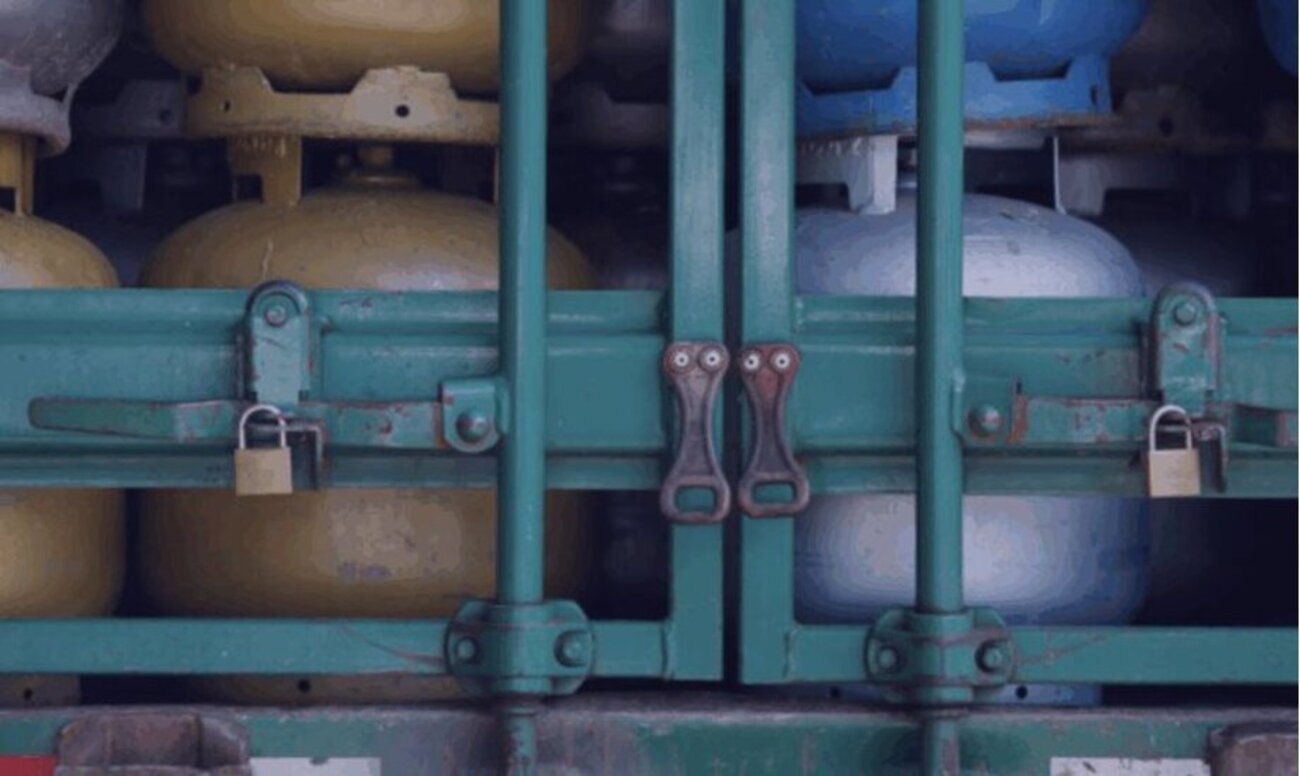
Petrobras evaluates suspension of sales to distributors and considers canceling the cooking gas auction following guidelines from the Federal Government.
-
Lula reveals a masterstroke by Petrobras to undo a deal made by Bolsonaro, which involves the return of an important refinery that currently produces less than half of what was expected and makes Brazil dependent on international diesel.

-
A study confirms that the natural gas sector will reduce greenhouse gas emissions in Brazil by 0.5% and accelerate the energy transition by 2026.

-
Petrobras implements a severe adjustment and confirms a 55% increase in the price of aviation kerosene with a proposal for installment payments for the companies.


In practice, a remote operator may receive an email that appears legitimate — possibly with a spreadsheet containing operational alerts — and click on a malicious link that creates a backdoor. Once inside the network, the attacker can move laterally and access sensitive internal systems or databases containing confidential information. In oil and gas operations, where sensors and actuators are integrated into the control chain (OT), this infiltration can result not only in production disruption but also in physical or environmental damage. Recent research on cybersecurity in remote monitoring has already reported situations where false alerts were used to induce incorrect responses in the plant.
However, how can one protect themselves in such a complex context? The answer requires a combination of culture, technology, and governance. Firstly, it is essential for sector leadership to view digital security as a strategic investment rather than a secondary cost, as the hidden losses from a failure can exceed thousands or even millions of reais in operational and reputational losses. The IT and security team must communicate with operations teams to evaluate the attack surface of each new sensor, remote station, or mobile application before they are put into production.
The oil and gas sector already has concrete examples of cybersecurity operations: companies like Petrobras maintain their CSIRT organized to manage incidents and coordinate responses to threats. This demonstrates that the practice of constant monitoring, early detection, and agile response is already a reality in institutions important to the country’s energy policy. Additionally, specialized suppliers offer solutions specifically designed for the energy sector, protecting from the perimeter to the application layer by using behavioral analysis and machine learning techniques.
In the context of mobility, promoting the use of robust VPNs — which encapsulate and encrypt traffic between devices and corporate servers — is fundamental to reducing attacks that occur on public or unsecured networks. Implementing multifactor authentication, network segmentation, and regular verification of the integrity and validity of digital certificates strengthens this security.
Another significant area is increasing the level of internal training. The demand for cybersecurity specialists in Brazil has grown rapidly, with salaries reaching R$ 12,000 for secondary positions, demonstrating the shortage of qualified professionals to meet this demand. In a sector where there is a multiplication of connected devices, having specialized professionals in cloud security, networks, and OT operations represents a competitive advantage.
It is also essential to analyze the cybersecurity maturity of the supply chain. Vulnerable devices, outdated firmware, or issues with strategic partners can allow for indirect attacks. This external control is as essential as internal protection in oil and gas operations, where several steps depend on third parties or integrated subsystems. In the logic of defense, the entire network can be compromised by the weakest link.
In difficult times, such as during a cyber attack, using tools that ensure secure remote access — like VPNs — is fundamental to protecting operations and reassuring teams. This protection goes beyond technical measures; it is an act of love and responsibility for those who work far away, a present care, and a bet on the future.
Protecting the digital environment is as important as ensuring exploration and refining operations. True security arises from the balance between technology and people, from building layers of protection that combine innovation, trust, and agility to face the unexpected, a journey that starts with small daily actions that we may not even notice, but that are decisive. We need to keep in mind: taking care of our digital world is also a way to take care of ourselves.










-

Uma pessoa reagiu a isso.