





 Portuguese
  English
  Spanish
  5 min of reading
  0 comments


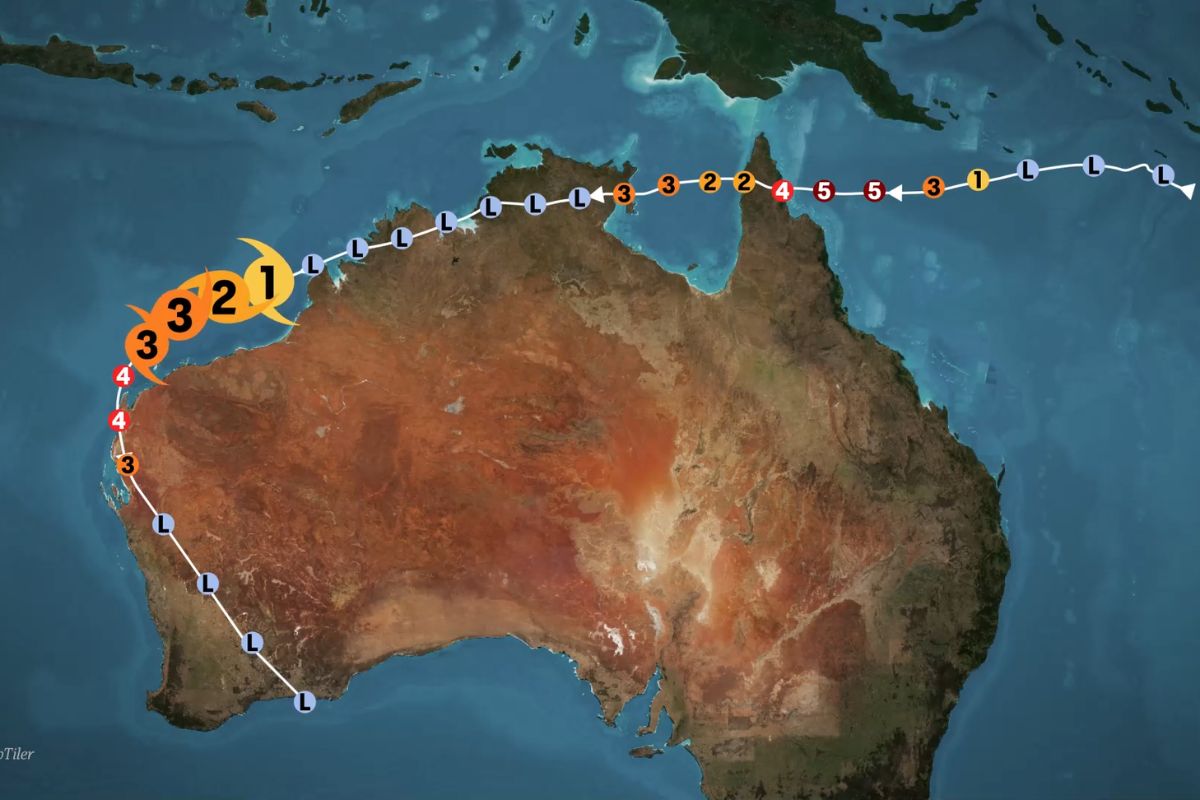
Cyclone Narelle was the first system in 21 years to hit the Australian coast three times as a severe storm, with winds of up to 200 km/h that devastated cities like Exmouth and Carnarvon, but the community’s response that took to the streets to help strangers was as impressive as the destruction.
Cyclone Narelle began to form off the coast of far north Queensland, southeast of Papua New Guinea, in mid-March, and what followed was one of the most destructive storms that northern Australia has faced in recent decades. The storm intensified to category five, the most powerful on the scale, and crossed the entire north of the country hitting the coast at three distinct times as a severe tropical cyclone. The region was already soaked by heavy rains that had caused flooding in the days prior, which dramatically amplified the damage caused by Cyclone Narelle.
Roofs torn off by the winds, century-old trees downed, banana plantations destroyed, and beaches turned into graveyards of marine life composed the scene of devastation. But when the storm passed and the sun began to shine again, the most heard question on the streets was not “when will the power return?” or “when will the roads reopen?”. The question was: “How can we help?” Cyclone Narelle revealed the worst of nature and the best of people at the same time.
The trajectory of Cyclone Narelle from Queensland to the west of Australia

According to a report by ABC in Australia, Cyclone Narelle began its trajectory through northern Australia hitting the coast near the small town of Coen, Queensland, as a category four storm.
-
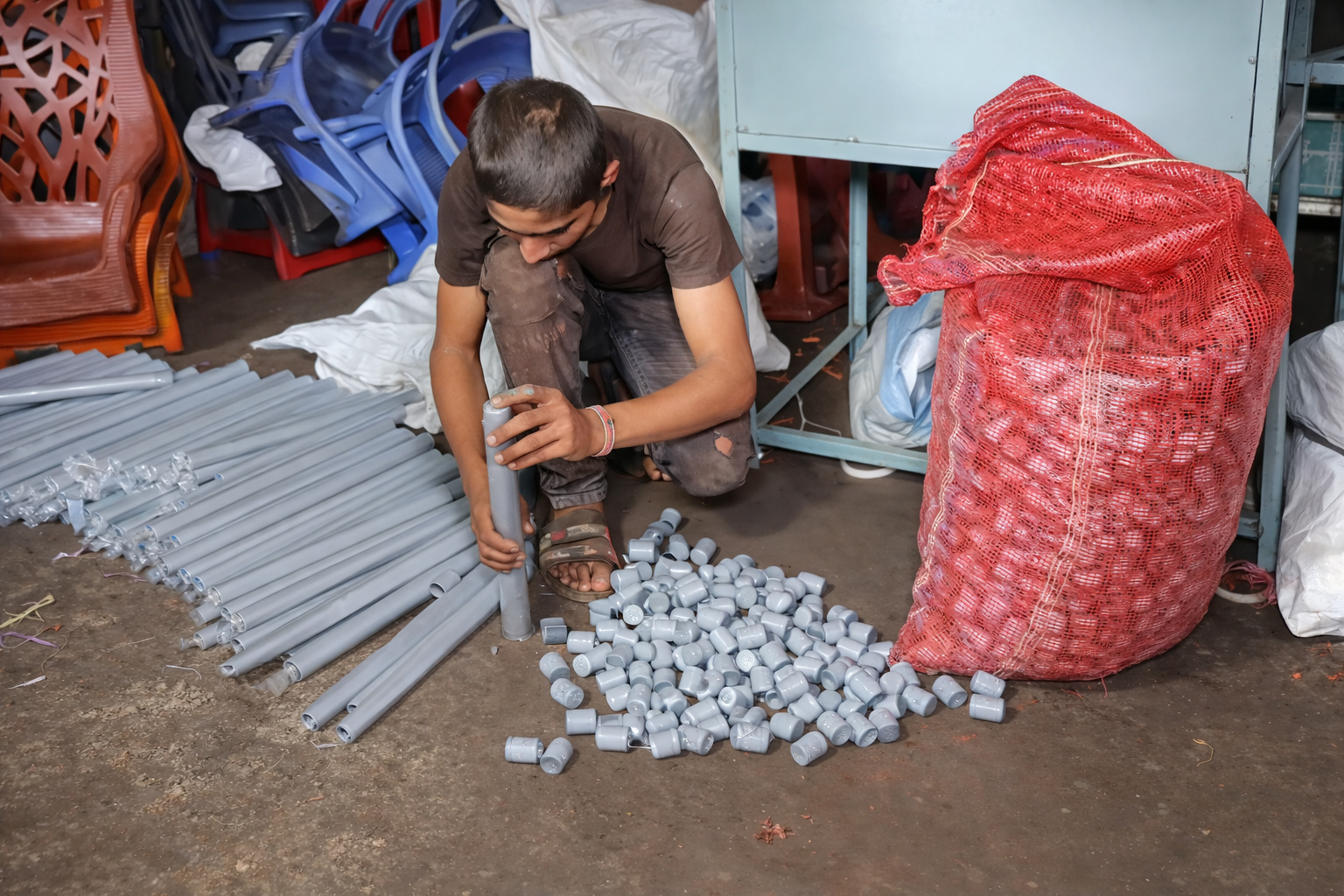
Factory produces durable plastic chairs using plastic bags, transforming waste into long-lasting furniture, and the industrial process demonstrates efficiency and sustainability.
-
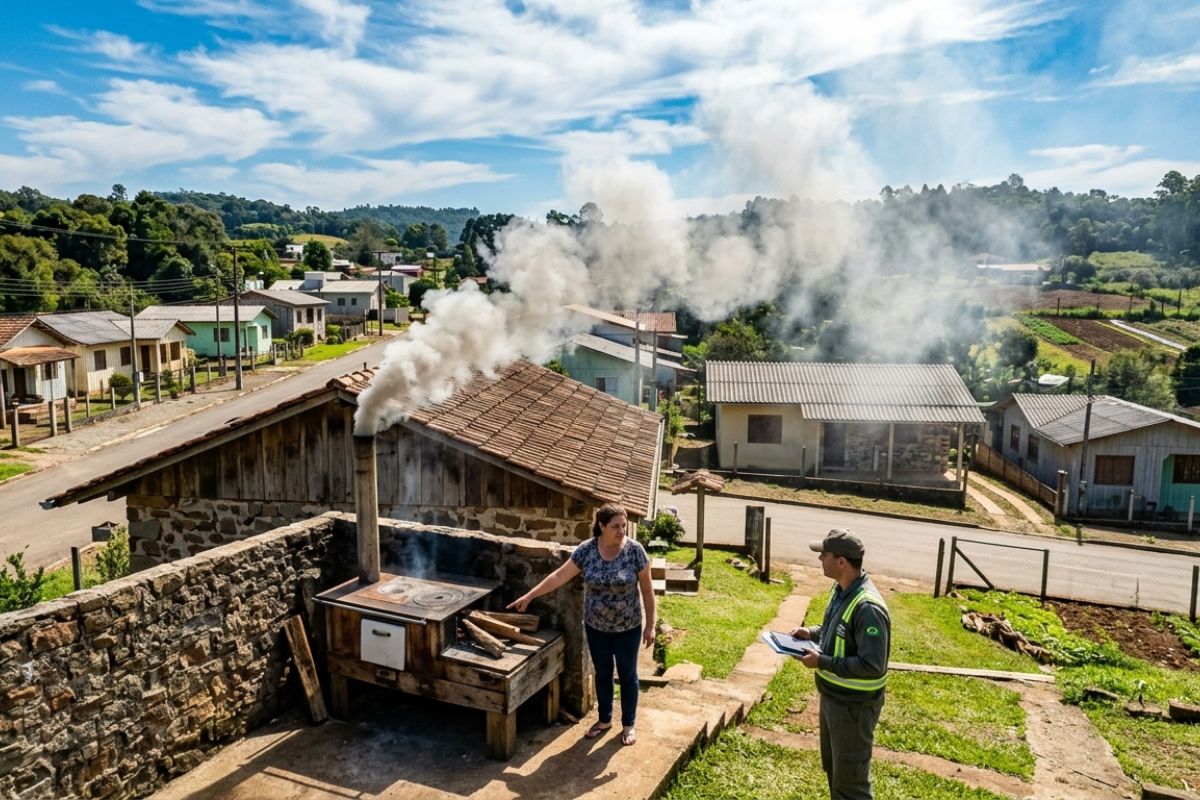
Fine of up to R$ 10,000 for wood stoves? Yes, but it’s not a crime: excessive smoke, burning trash, and urban use can lead to fines, and the rules change depending on the local inspector.
-
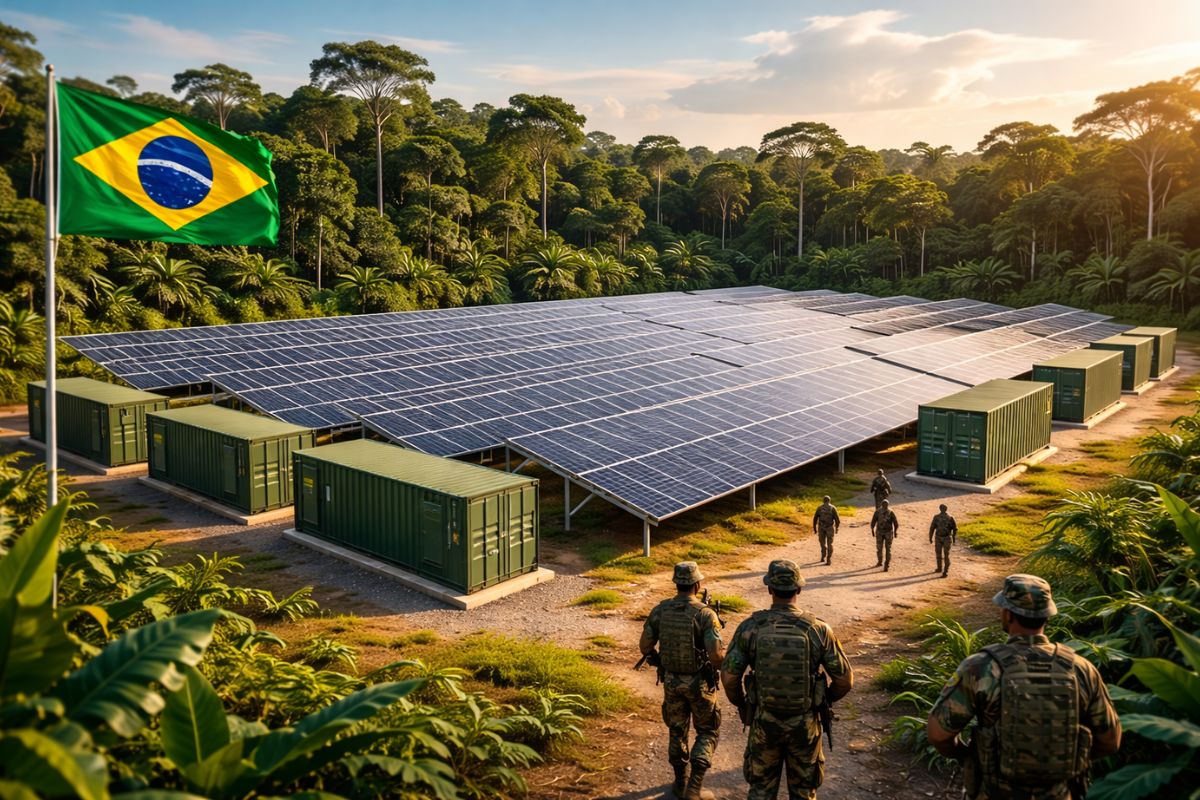
Army military bases in the Amazon will gain solar power plants that promise to eliminate almost 11 thousand tons of CO2 in 15 years, and the jungle that protects Brazil will now also generate clean energy with an investment of nearly 10 million reais.
-
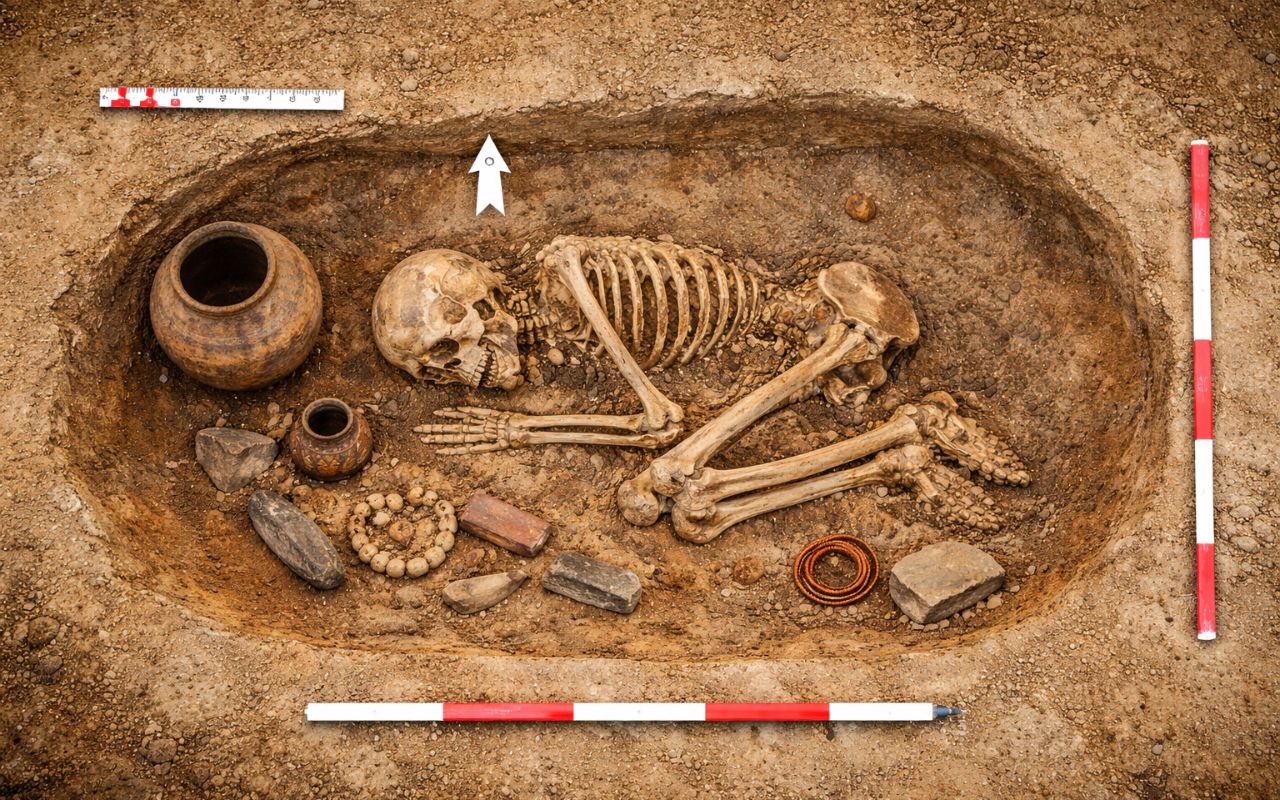
Archaeologists accidentally discover an intact 4,500-year-old tomb during highway construction in Romania, with a body in a fetal position and artifacts from the Yamnaya culture.
The passage damaged homes, downed trees and power lines, and flooded streets in a region that, despite being used to bad weather, was facing the consequences of recent floods that had already left the infrastructure weakened. The Daintree River had reached 7.25 meters in the days leading up to Cyclone Narelle’s arrival.
After crossing Queensland, Cyclone Narelle crossed the Gulf of Carpentaria, regained strength, and hit the coast of the Northern Territory as a category three storm. Evacuated communities escaped greater damage, but the rains found already full rivers and caused floods that destroyed roads and forced new evacuations.
More than 200 millimeters of rain fell on the Adelaide River in just 24 hours. The storm then moved out to sea, regained intensity, and hit the west coast of Australia for the third time, near Coral Bay, as a category four.
The devastation in Exmouth, the city that bore the full fury of Cyclone Narelle

Exmouth, a tourist town about 1,250 kilometers north of Perth, bore the most severe impact of Cyclone Narelle. Winds reached 200 kilometers per hour and forced the town into lockdown late on a Thursday afternoon.
As night fell, residents had no choice but to shelter in trenches and evacuation centers while the storm ripped off roofs and knocked down everything in its path.
Brock Keymer, a resident of Exmouth, was preparing breakfast when part of his roof collapsed onto the hallway. “You could hear a metal clanging, it sounded like a jet plane was passing outside the house,” he described.
Nicholas Tettero, who faced the storm in an evacuation center with his girlfriend, summed up the experience of being in front of Cyclone Narelle: “It was one of the most incredible and extraordinary things I’ve ever witnessed in my life. The raw power of nature. I felt small and insignificant.”
The destroyed plantations and the marine life that appeared on the beaches
Cyclone Narelle did not spare the agricultural economy of the region. In Carnarvon, one of the main food production districts in Western Australia, producer Les Ball estimated that 80% of his banana crop was destroyed by the passage of the category two storm that hit the area.
Green bananas scattered on the ground were all that remained of a plantation that once fed markets throughout the state.
On the coast of Exmouth, famous for offering visitors the chance to swim near whale sharks, the beaches turned into graveyards of marine life. Sea snakes, fish, dolphins, and birds appeared dead along the coast. Wildlife carer Brinkley Davies described the scene as heartbreaking.
Cyclone Narelle also caused floods that swept away entire farms. Jim Dorrell, from the Mia Mia station, said the storm brought more rain in 11 hours than the property had received in years, resulting in the loss of hundreds of cattle.
The red sky that announced the worst before the passage of Cyclone Narelle
As the storm moved south, coastal communities in its path faced a frightening visual omen. In Shark Bay, a thick layer of iron-rich soil darkened the air and stained the sky blood red, creating a scene that residents described as apocalyptic.
Kerrie Shepherd, from the local camping park, said she had never seen anything like it: the material entered the throat, scratched the teeth, and burned the eyes.
Cyclone Narelle turned completely dry riverbeds into raging torrents in a matter of hours. In the Gascoyne region, floods covered entire landscapes.
For farmers, the abundant water was good news in the long term, as it recharged the aquifers, but in the short term, it represented immediate devastation: destroyed fences, lost animals, and ruined infrastructure.
The duality between destruction and renewal marked the entire passage of Cyclone Narelle along the Australian coast.
The community that took to the streets to help strangers after Cyclone Narelle

What happened after the storm passed may have been more impressive than Cyclone Narelle itself. In Exmouth, the local football team went out in trucks full of tools to fix the homes of strangers.
Backpackers passing through dropped their bikes and started cleaning gardens. Those with generators extended cables over the fence to power their neighbors’ homes. Those with working showers opened their doors to those without water.
Sally Eves, a long-time resident, watched half a dozen people working to clean her garden and emotionally commented: “It’s so beautiful. My neighbor posted a notice on social media and other people showed up, and most of them I don’t know.”
In Carnarvon, Jo Bumbak summed up the local spirit straightforwardly: “The people of Carnarvon are very resilient. We certainly know how to come together and help each other.” Cyclone Narelle ripped off roofs, but it couldn’t rip away solidarity.
What impresses you most about the story of Cyclone Narelle: the strength of the storm that hit the coast three times or the community’s response that took to help strangers? Have you ever experienced something similar in natural disaster situations? Leave your comments. Stories of solidarity amidst destruction deserve to be told and shared.





Seja o primeiro a reagir!