





 Portuguese
  English
  Spanish
 3 min of reading


Agroforestry Systems For Sustainable Production Will Increase The Potential Of Plantations In Brazil
In recent weeks, the Globo Network’s soap opera, Pantanal, featured the protagonist Jove (Jesuíta Barbosa) visiting a new sustainable production system. In the following episodes, he began to study more about the Agroforestry system for his father José Leôncio’s (Marcos Palmeira) agribusiness. Embrapa developed this system in real life and is implementing it in several regions of Brazil, including northern Mato Grosso, where the soap opera takes place.
Embrapa encourages the application of this method to increase the productivity of corn, soybean, and various products organically, especially in family farming. Partnerships with large institutions such as Instituto Centro de Vida (ICV), Instituto Ouro Verde (IOV), ONF Brazil, Unemat, UFMT, Sema-MT, Seaf-MT, Ibama, and Ceplac have propelled the project forward. Learn more about how the application works.
Learn All About The Sustainable Production System For Agribusiness With The Video Below


There Are Already Over 1,000 Hectares That Adopted Embrapa’s Sustainable Production System For Agribusiness
The partnership between Embrapa and large companies is called Embrapa Agrossilvipastoril and has been in place since 2011. This partnership promotes innovations in agribusiness and conducts ongoing training for technicians and agricultural extension agents to encourage new practices. The project has already had 10 completed modules and participation from over 100 students.
-
With a cost per shot close to zero, the DragonFire laser could change naval warfare in 2027 and provide British ships with nearly unlimited defense against drones.

-
A British startup creates tires that generate electricity in electric vehicles when passing over potholes, speed bumps, and cracks.

-
Scientists have created robots made with living cells that have their own nervous system, swim on their own, explore the environment, and self-organize without any genetic engineering, and now they want to do the same with human cells.

-
Students create a solar-powered ambulance that operates without a plug, without fuel, and still keeps medical equipment running in remote areas.


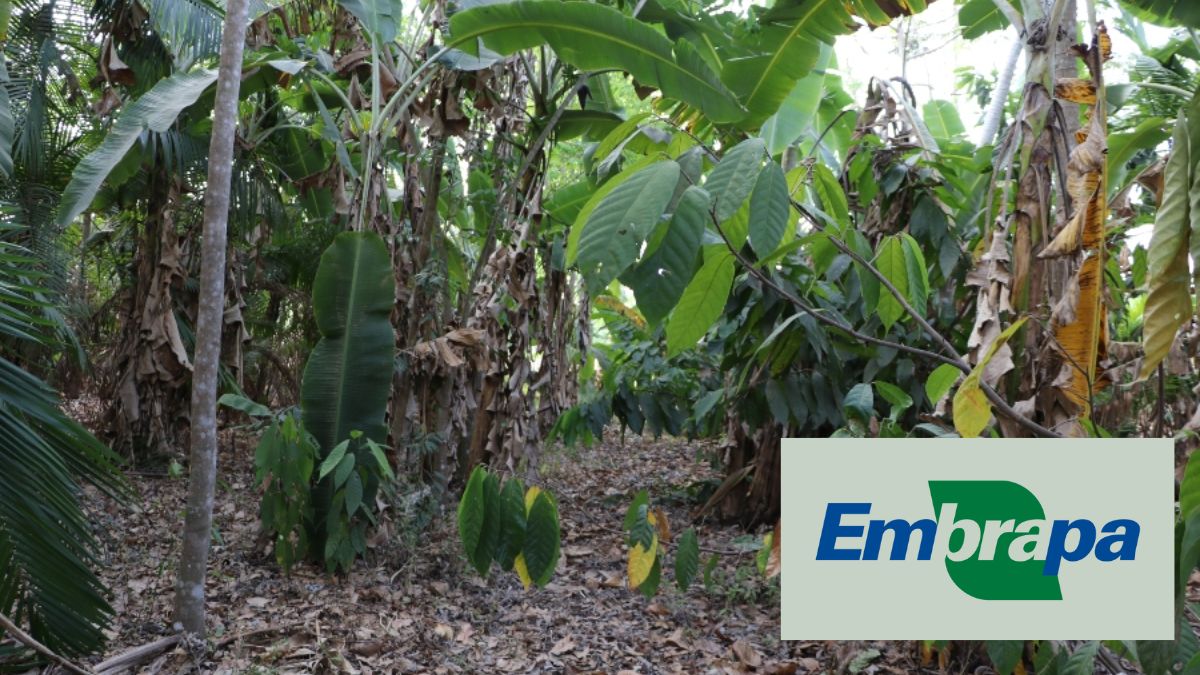
This cultivation system, demonstrated in the soap opera Pantanal, has already occupied around 1,700 hectares of land in Mato Grosso. A large part of these lands with Sustainable Agroforestry Systems has introduced biodiversity of crops to the regional agribusiness. Many plant species in the region have been cultivated in formerly degraded ecological transition areas.
In addition to the benefits for the ecosystem, this Production System allows for significant knowledge exchange between producers, indigenous peoples, and traditional communities. Furthermore, public managers and technicians are involved with this new method developed by Embrapa.
How Does The Sustainable Agroforestry System Developed By Embrapa Work?
Agribusiness stands to benefit greatly from the Sustainable Agroforestry System developed by Embrapa. After all, many companies have sought to do business with farmers who prioritize environmental responsibility. With the Agroforestry System, it is no longer necessary to opt for monoculture in plantations and deplete the nutrients in the soil.
This system created by Embrapa aims to establish a plantation of different species alongside trees. The mix promoted by cultivating these plants in close proximity forms a “mini-ecosystem” that reuses nutrients. Thus, the agribusiness owner can have greater plant diversity while keeping the soil consistently nourished, leading to good harvests.
Agricultural production following this approach will ensure many years of fertile soil using the natural resources for soil maintenance. This way, you optimize resources and reduce waste, increasing productivity.
Main Benefits Of The Sustainable Production System For Agribusiness
Degraded soils and pastures, trampled by cattle, can take many years to recover or undergo ecological restructuring. However, the Sustainable Production System, or agroforestry, can reduce this time and increase production capacity per hectare.
Moreover, costs are reduced as maintenance is performed less frequently. This occurs because a mini-ecosystem is created that retains nutrients in the target plants.
The production of different plant species is another advantage that works in favor of the Sustainable Agroforestry System. Agribusiness can experience cultivating a greater variety of plants in the same space, expanding export possibilities.
As we know, nature’s resources are finite, so thinking about regenerative production is the way of the future. With agroforestry, we can always recover soil fertility using nature’s own resources and ensure sustenance for future generations.






Seja o primeiro a reagir!