





 Portuguese
  English
  Spanish
 5 min of reading


With Aeronautical Hub Under Construction, Goianian City Will Gain a New Economic Chain and Boost Existing Ones
On this Tuesday, May 31, we celebrate Airport Day, this urban facility that in a globalized world like the one we have today, gains special importance as a vector of urban and economic development. It is no wonder that we currently have many Brazilian municipalities wanting to receive the title of aerotropolis, a term used to classify cities that develop in an integrated manner and in synergy with airports.
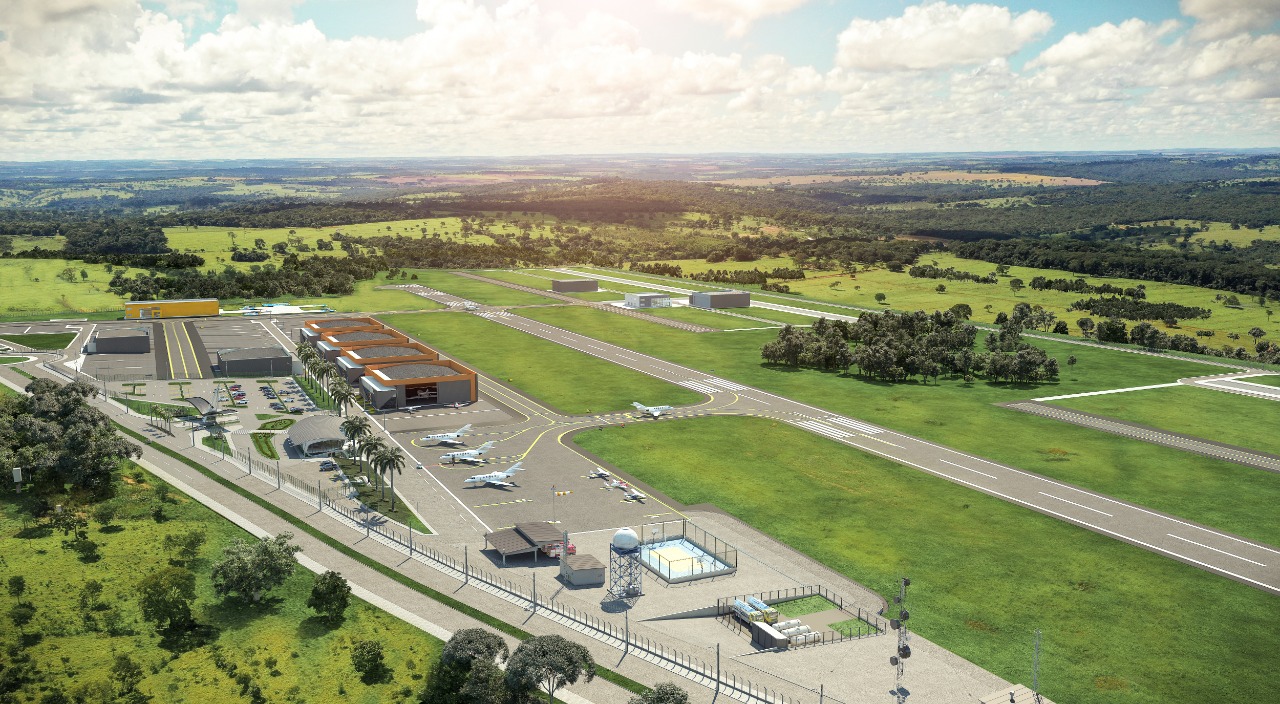
One of these municipalities aspiring to be an aerotropolis is Aparecida de Goiânia, a Goianian municipality located conveniently in the center of the country and that already has among its main economic vocations industry and logistics services. By 2024, the city is expected to begin operations of the largest aeronautical hub in the Midwest, the Antares Aeronautical Hub. The mega project, led by the Goianian companies Tropical Urbanismo, Innovar Construtora, CMC Engenharia, BCI Empreendimentos e Participações, and RC Bastos Participações, plans to invest around R$ 100 million and will occupy an area of 209 hectares.
-
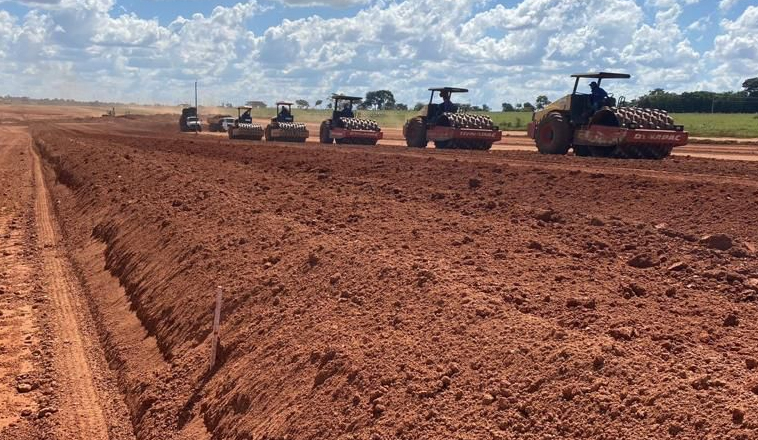
Construction of the Antares Aeronautical Hub, which is being built in Aparecida de Goiânia (GO) | source: Courtesy comunicacaosemfronteiras.com -
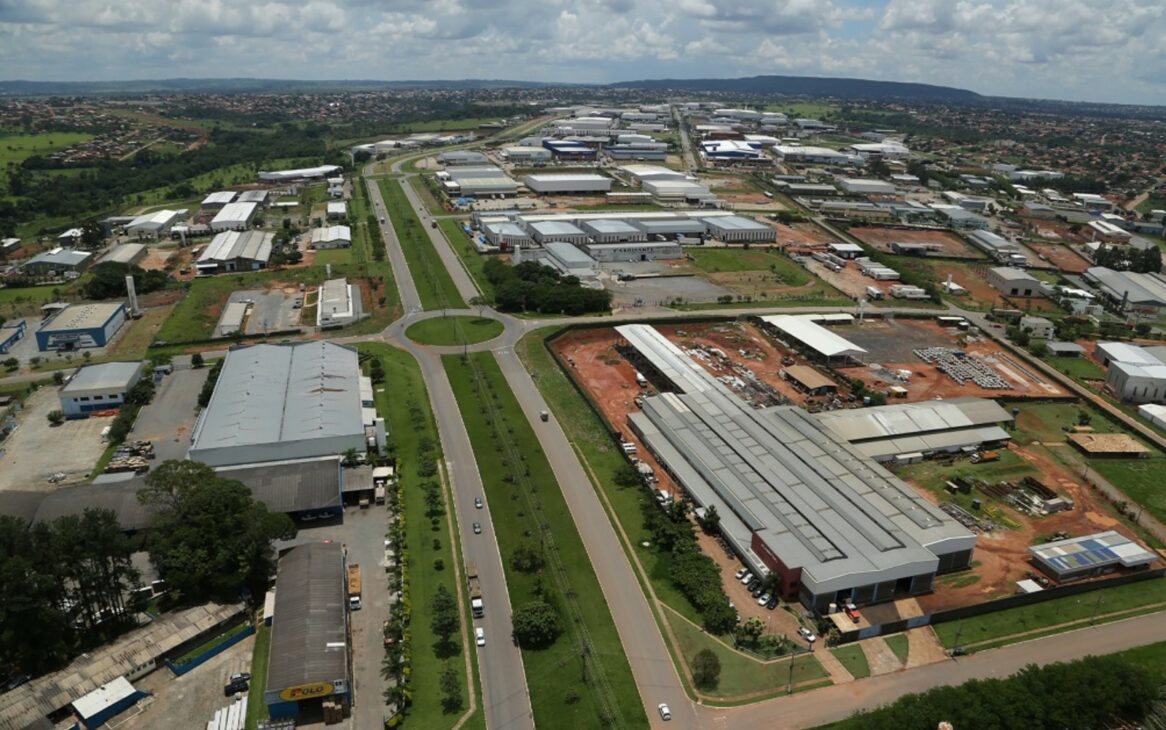
City of Aparecida has logistics among its strong vocations | source: Courtesy comunicacaosemfronteiras.com
In addition to a public-private airport to accommodate small, medium, and large aircraft, Antares will feature a comprehensive infrastructure aimed at aviation services, such as an executive hotel, hangars, a helipad, passenger terminal, restaurant, areas for loading and unloading, aircraft parking, and hangars for maintenance and logistics companies.
-
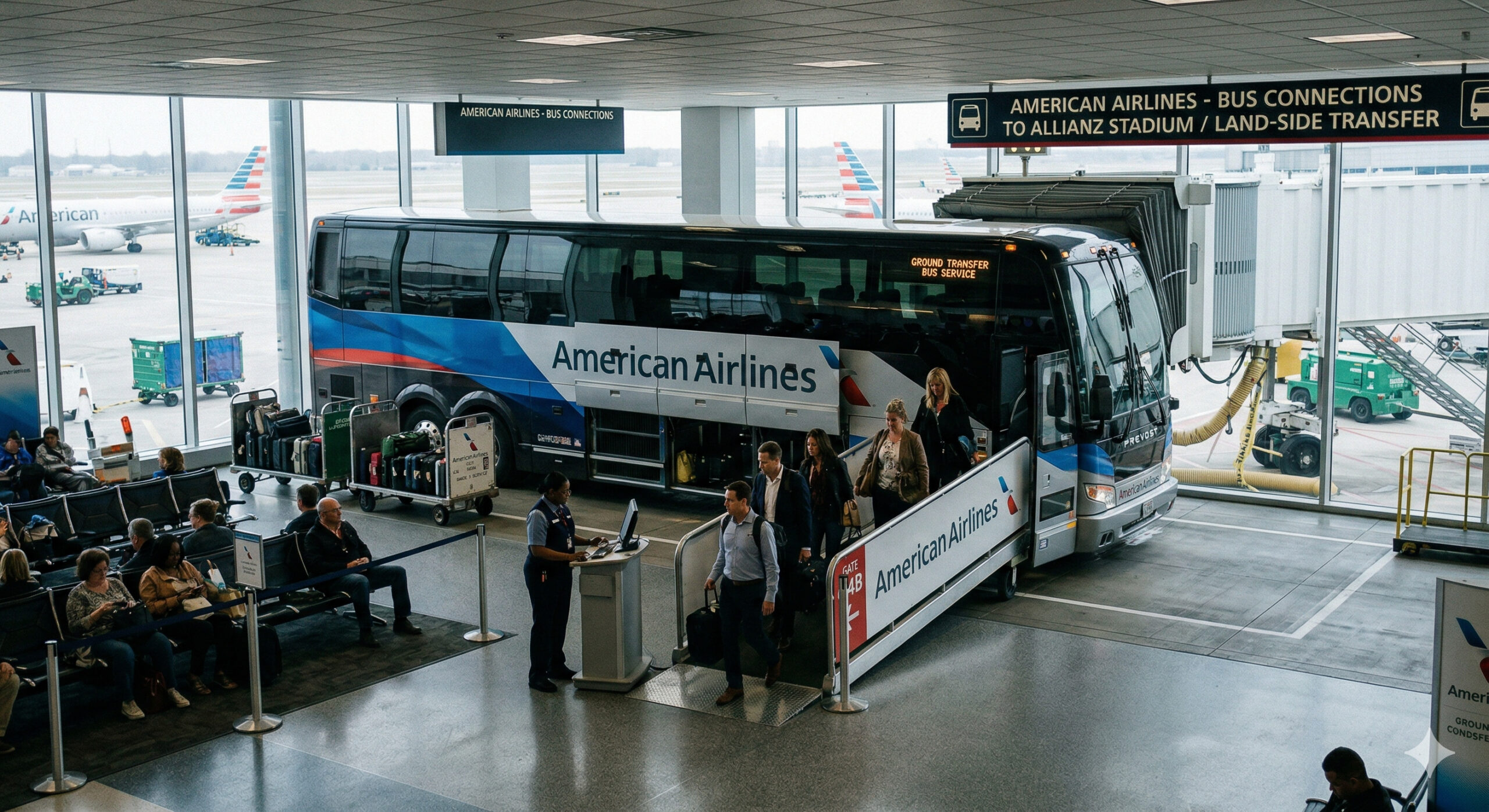
American Airlines starts selling trips as if they were flights, with check-in and baggage check at the airport, but on short routes, passengers board luxury buses connecting cities to major hubs in the U.S.
-
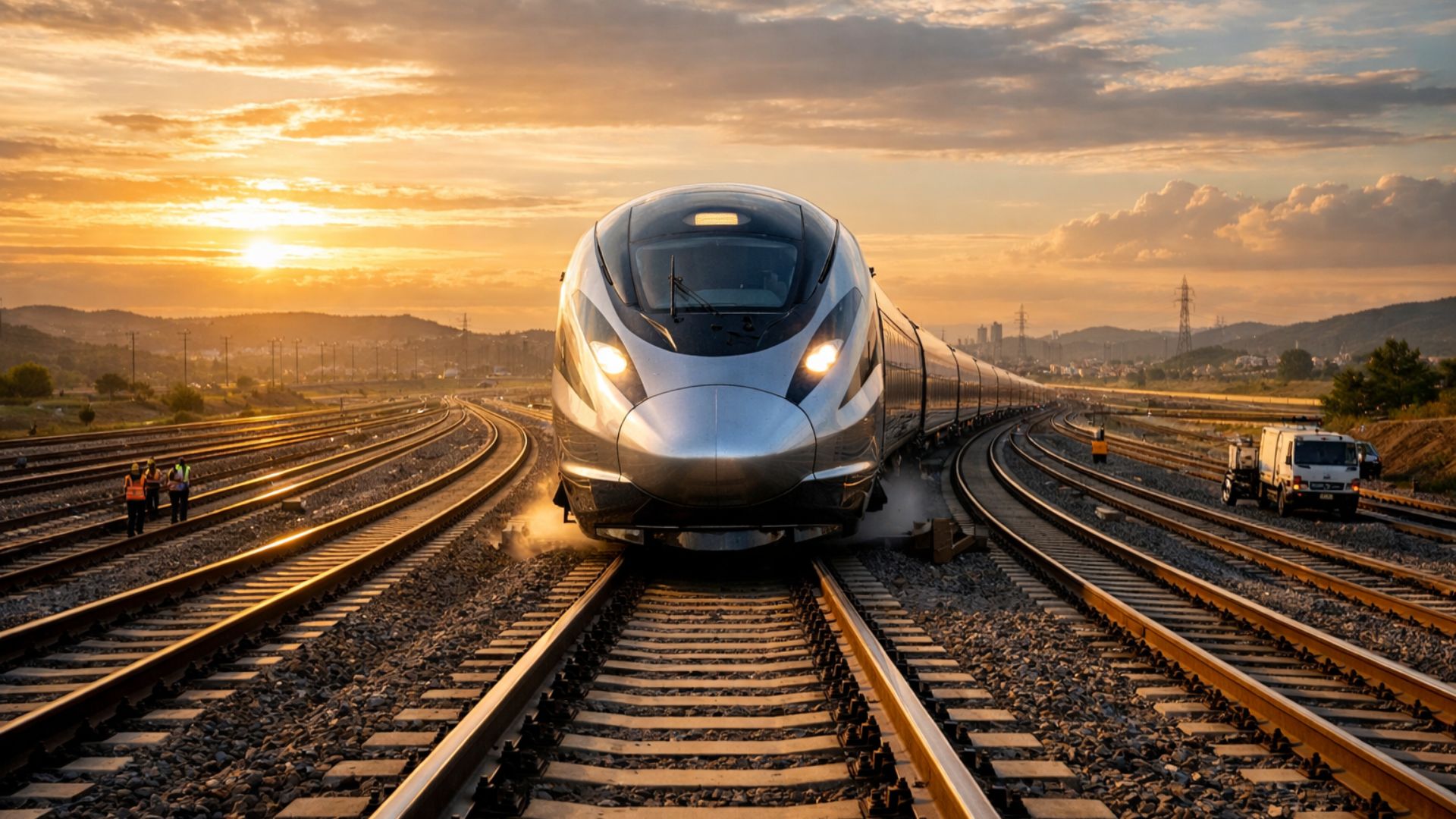
São Paulo surprises the world with a colossal railway network project that promises over 1,000 km of tracks, R$ 194 billion in investments, and 40 projects connecting the capital to the interior with fast and sustainable trains.
-
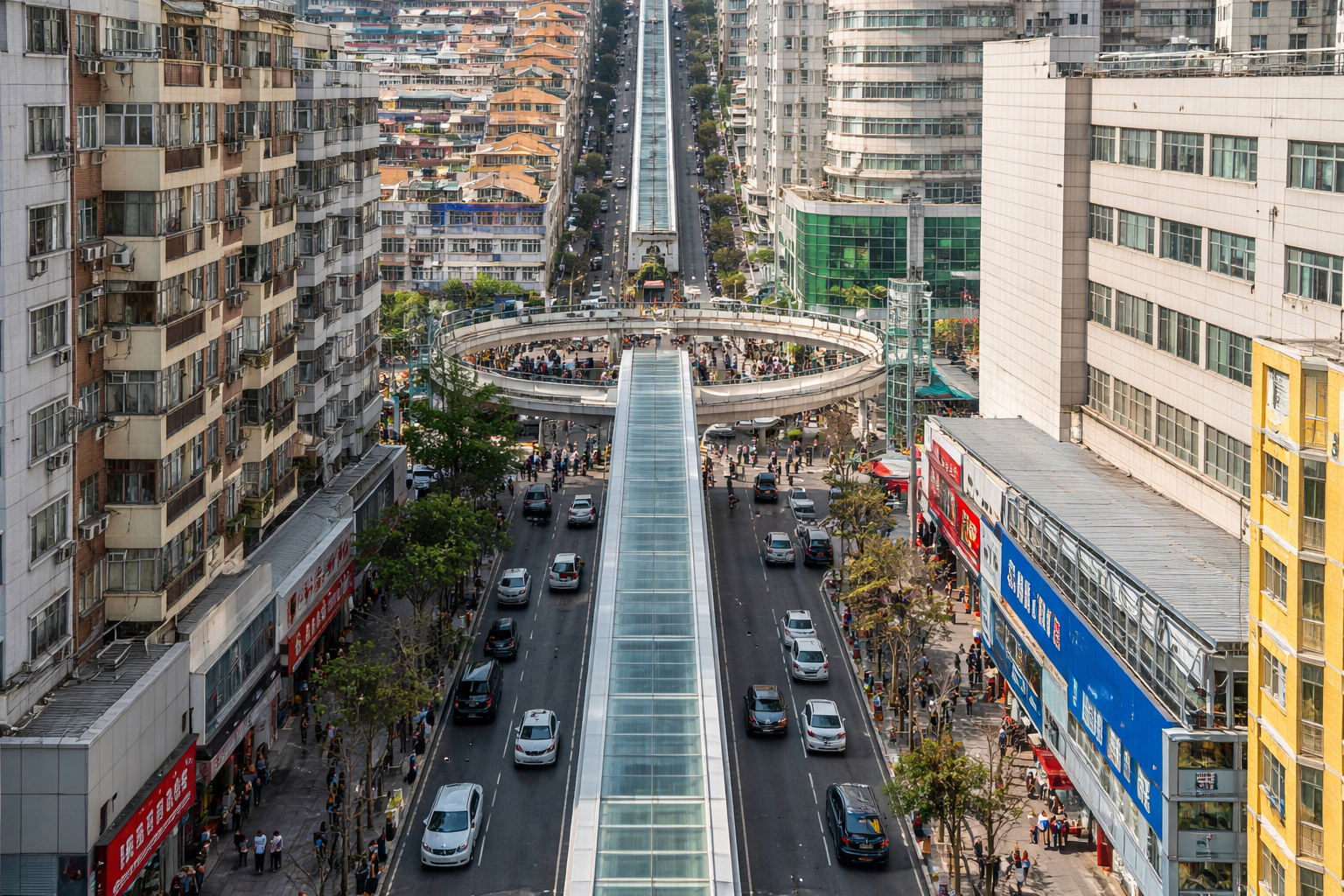
The world’s largest escalator, measuring 905 meters in China, reduces urban travel time from 1 hour to about 20 minutes and transforms mobility in mountainous regions with an engineering solution adapted to the terrain.
-
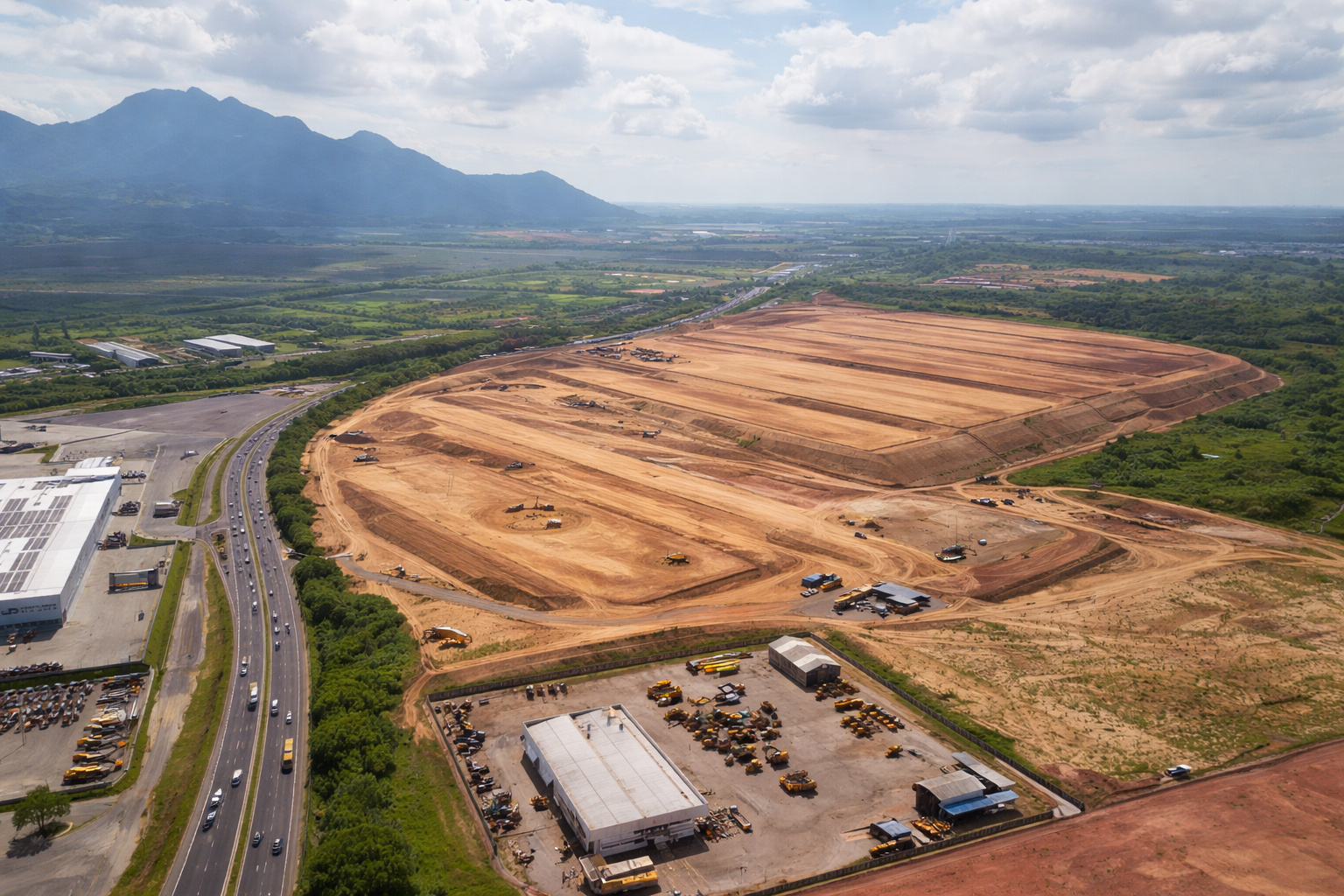
A R$ 300 million logistics giant is taking shape in Serra with over 100,000 m² and raises a question: how can this transform e-commerce and distribution in the state?

According to the developer and one of the partners of the project, Rodrigo Neiva, in the past, cities emerged around railway hubs and ports, at a time when most of the economy was fueled by rail and maritime modes. As air freight became more economical, airports became increasingly attractive for warehouses and manufacturers, and thus a wide production chain emerges around this type of urban facility. “When air travel emerged, airports were built far from the city, where there was cheap land and airports would not disturb residents, meaning they were isolated from commercial centers.
Today, aircraft and airports themselves employ safety standards and technologies that significantly reduce this impact. Today, an airport is much more than just a runway, check-in counters, and boarding gates; it is an infrastructure prepared for integration into the urban environment,” emphasizes Neiva.
Development Inducer
According to Rodrigo Neiva, modern airports are a structure that induces development in airport cities that grow in synergy with activities and services directly and indirectly related to aviation. “Some builders and economists see airports as one of the most powerful developments in urban life. The airport city offers new services and amenities, such as shops, hotels, and entertainment.
It also connects with many international transportation-related businesses that settle in the nearby areas. These centers are economic powerhouses that generate jobs, income, and infrastructure,” he explains.
If it depends on the government of Aparecida de Goiânia, where Antares is being built, the city will indeed receive the title of new aerotropolis of Brazil. For André Luíz Rosa, municipal secretary of Finance, a large airport not only brings a new and promising economic chain to the municipality but also boosts the existing ones. “We will have an aeronautical services hub that will generate tax revenue for the municipality, which will also attract a highly skilled workforce, which in turn will demand an equally skilled network of services. Therefore, an airport of this size creates a very positive chain effect for the city. In other words, the municipality benefits significantly,” highlights the secretary.
In addition to the extremely privileged geographic position of Aparecida, in the center of the country, the municipal secretary of Finance lists other qualities of the municipality that will help make the city a successful aerotropolis. “Aparecida has the best security indices in Goiás, especially after the Olhos de Águia project, with monitoring by cameras throughout the city. We are a reference in daycare and public health services.
We are one of the few cities in Brazil with over half a million inhabitants that does not have congestion problems, as we have invested heavily in the construction of viaducts; additionally, we are also a university hub. All of this makes a big difference when a businessman or entrepreneur chooses a city to set up their business,” he emphasizes.
According to the entrepreneurs responsible for Antares, the aeronautical hub will generate more than three thousand jobs, most of them related to civil aviation. “However, we estimate that the number of indirect jobs will be even greater because in addition to all its operational infrastructure, the hub will attract a huge supporting infrastructure involving hotels, restaurants, and industries, especially those related to aircraft maintenance,” adds entrepreneur Marcos Bernardo, also a partner in the project.
Success Stories
One of the most well-known and successful examples of an aerotropolis is the city of Memphis, in the American state of Tennessee, which grew organically around an airport. The terminal, which today is one of the busiest airports in the world for cargo and houses a global base of the multinational FedEx, began as a simple center for the trade of firewood and cotton, even before its inauguration in 1936.
Today, companies that rely on deliveries – offering everything from medical products to cell phone repairs – form a radius of 32 kilometers of corporate and industrial businesses around the airport in Memphis, which earned the nickname “American Aerotropolis.”
According to entrepreneur Marcos Bernardo Campos, also a partner involved in Antares, there are successful experiences in Brazil with airports anchoring the development of cities. This is the case of Guarulhos (SP), which houses the largest airport in the country and one of the busiest in South America, second only to El Dorado International Airport in Bogotá, Colombia. “Today, the city of Guarulhos leads the ranking of municipal export destinations, considering the so-called provision of ships and aircraft, which comprises items consumed on international trips, onboard consumption, and fuel. It is no coincidence that the airport serves as one of the best barometers for local economic behavior,” states the entrepreneur.
According to a recent study, airport activities were one of the positive highlights of the municipality of Guarulhos in 2017. The provision of ships and aircraft totaled US$ 729 million FOB [Free On Board] that year, a 36.36% increase over the figure recorded in 2016.
Source: COMUNICAÇÃO SEM FRONTEIRAS









Seja o primeiro a reagir!