





 Portuguese
  English
  Spanish
 5 min of reading
  0 comments


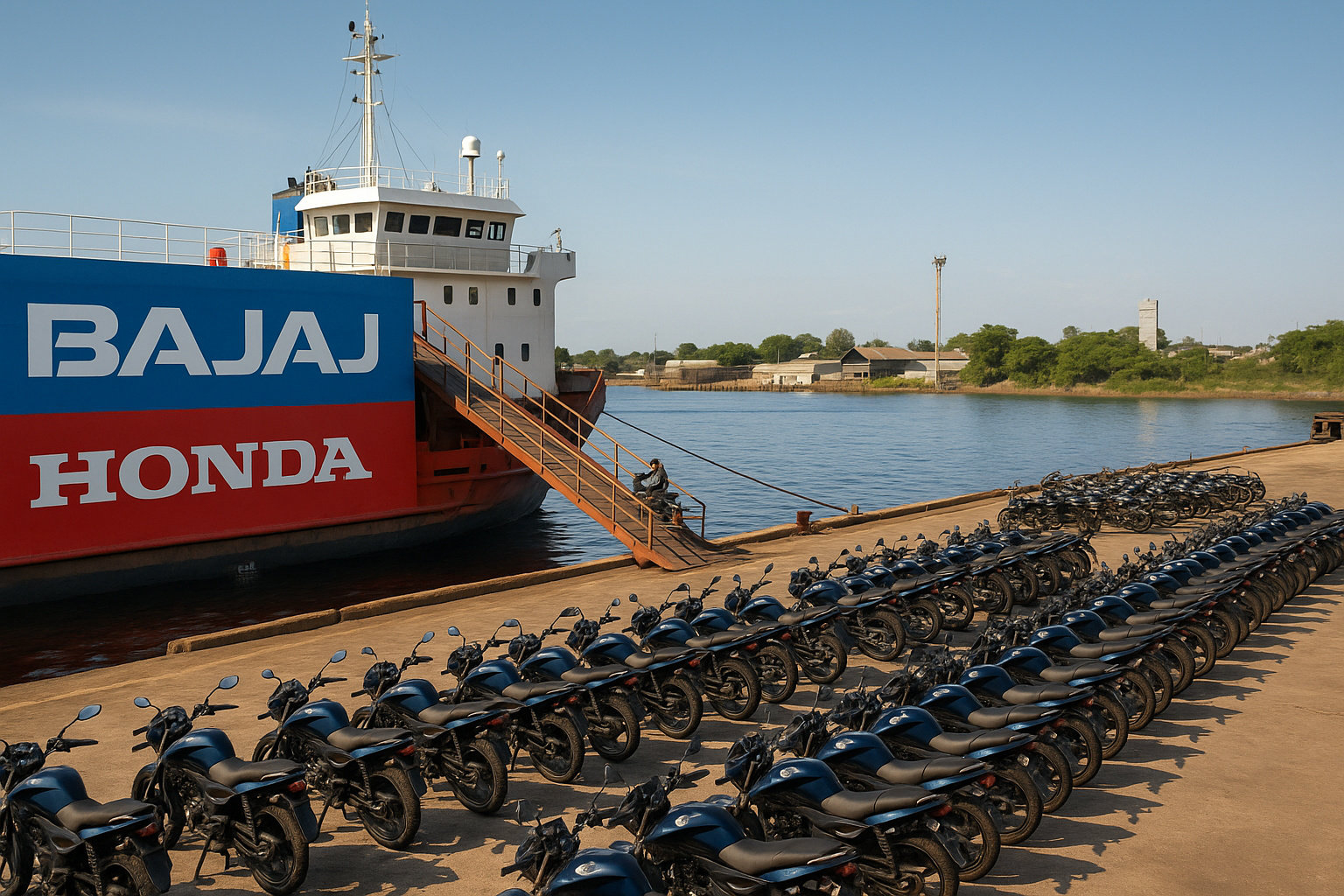
Indian Brand Accelerates Expansion in Country, Opens Factory in Manaus, Generates Jobs and Aims to Double Production to 20 Thousand Units by 2025, Tightening Competition in a Sector Dominated for More Than Five Decades by the Japanese
The news may seem small at first glance, but the impact is enormous: Bajaj, the Indian motorcycle manufacturer, has reached the milestone of 10,000 units produced in Brazil in less than a year of operation. This achievement represents a structural change in the national two-wheeler market, which could shake decades of absolute dominance by Honda and Yamaha.
For those who are not familiar, Bajaj is not a novice or experimental brand. In fact, it is the third largest motorcycle manufacturer in the world, with a presence in over 70 countries and a strong foothold in emerging markets such as India, the Philippines, and various regions of Africa. The most impressive part is that the first Bajaj factory outside of India was built in Manaus, in the heart of the Free Trade Zone, demonstrating a long-term bet on the Brazilian market.
Aggressive Entry into Brazil and Bold Growth Projection
It’s true that 10,000 motorcycles may seem little when compared to the 900,000 units that Honda produces annually in Brazil. But every giant starts with a first step, and this move by Bajaj carries a powerful symbolism: it shows that the company is consolidating its base of production, employment, and distribution. This paves the way for a more aggressive expansion in the coming years.
-
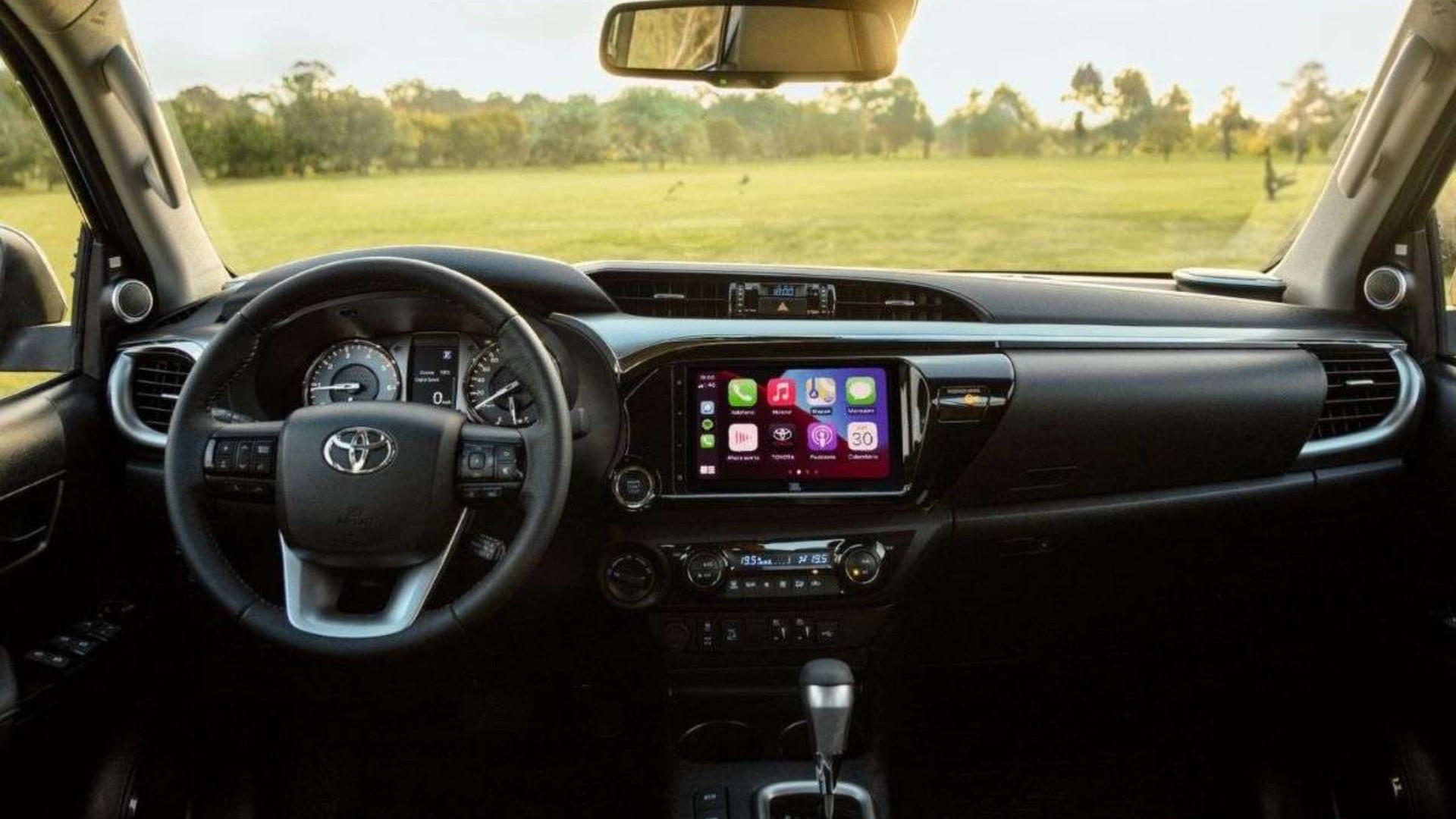
The Toyota Hilux is R$ 75.5 thousand cheaper and bets on the 2.8 turbodiesel engine with up to 204 hp and 50.9 kgfm to catch up with the VW Saveiro, which leads with 4,472 sales.
-
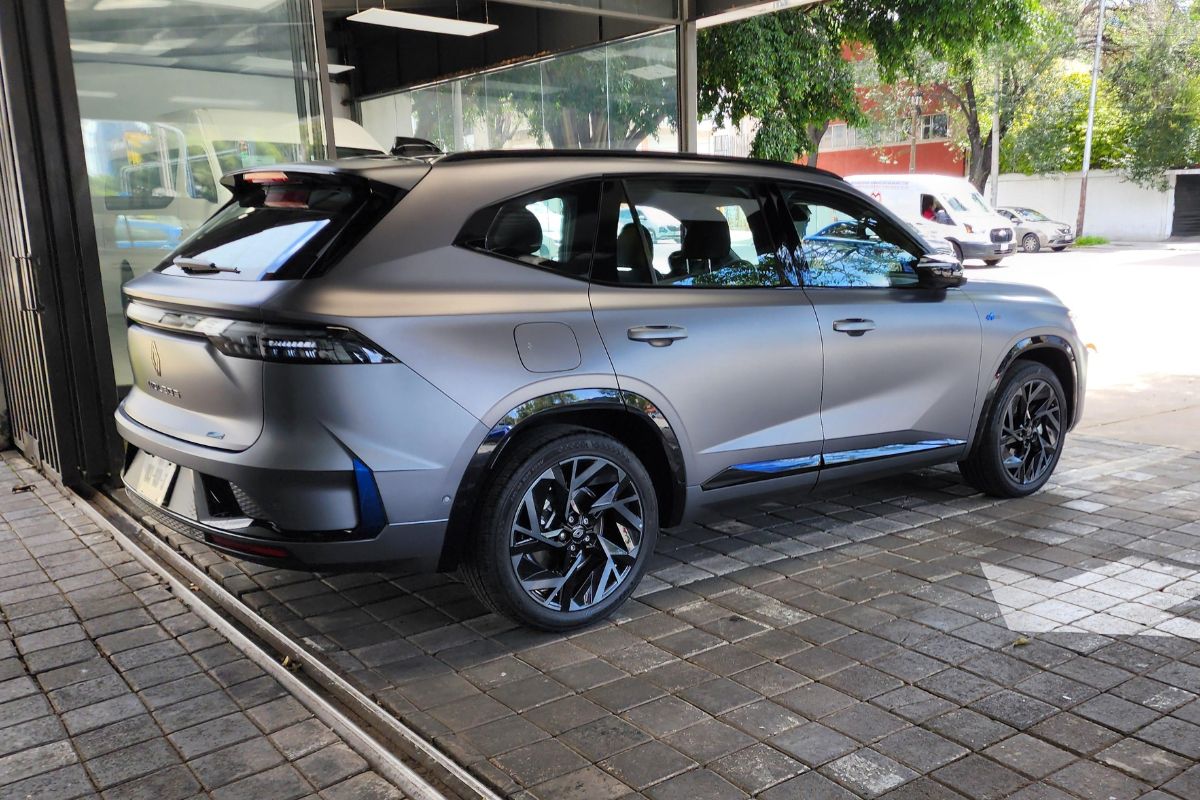
The new Renault Koleos has a screen exclusively for the passenger that is invisible to the driver, heated rear seats, and 29 assistance systems, but its Chinese competitors cost R$ 40,000 less and deliver more power.
-
The car stored for 38 years: when opening the barn door, what appears is breathtaking and looks like a scene from a movie!

-
Fiat works miracles in the Brazilian market, lowers the price of its 0 km hatch to R$ 69,990, reestablishes the model as the cheapest car in the country, and reignites the battle against Kwid and C3.
Not by coincidence, Bajaj’s plan is to double production by 2025, reaching the mark of 20,000 annual units. This number, which may seem modest against the scale of the Japanese brands, is unprecedented for a competitor. Since the 1970s, when Honda and Yamaha established their factories in Manaus, no other brand has managed to reach this level of production in Brazil.
According to information released by market reports and industrial data, Bajaj’s strategy involves nationalization of production, reducing dependence on imports and currency fluctuations. This means that, in the medium term, the brand will be able to offer more affordable motorcycles, lowering inflated prices that have long weighed on Brazilian consumers.


Strategic Models and Direct Competition with the Leaders
Another essential point of the strategy is the choice of models. Bajaj is not launching exotic or niche motorcycles, but options that speak directly to the Brazilian consumer. The line produced in Manaus already includes models of 160, 200, 250, and 400 cubic centimeters, precisely the segments most relevant to the country.
The Dominar 400 has become the showcase of the brand, offering power, comfort, and technology at prices up to 30% lower than competitors. The Dominar 160 arrives as a direct competitor to the CG 160 from Honda and the Factor from Yamaha, but with differentiators such as complete digital dashboard and more advanced brakes. The Dominar 250, in turn, puts pressure on motorcycles like the Fazer 250, tapping into the mixed-use niche.
This positioning is strategic: by offering more features at the same price — or even less, Bajaj follows the same formula that has already worked in India, where it jumped from 500,000 to 2 million units produced in less than a decade.
Social Impact and Job Creation in the Heart of the Amazon
Beyond the direct economic effect in the motorcycle sector, the establishment of Bajaj’s factory in Manaus has already generated more than 200 direct jobs, a number that is expected to double in the coming years. It is worth remembering that each job in the Free Trade Zone industry usually generates three to four indirect jobs in logistics, transport, and services.
This movement strengthens the local economy and creates a virtuous cycle: the more Bajaj grows, the greater the injection of resources into the region. Moreover, the choice of Brazil as a base for expansion in Latin America shows that it is not just about serving the internal market, but also about exporting to neighboring countries, increasing the relevance of the national factory.
Honda and Yamaha Under Pressure for the First Time in 20 Years
Since the 1970s, Honda and Yamaha reigned without real competition in Brazil. Other brands, primarily Chinese, even tried to compete by bringing cheap models, but without technical support, dealership networks, or national production, they ultimately failed. Bajaj, on the other hand, arrived with an expanding dealership network, structured after-sales service, and its own factory.
In 2024, the brand recorded a growth of 180% in sales in Brazil. For 2025, the expectation is even greater, as consumers begin to see Bajaj as a real and reliable alternative. While a CG 160 already exceeds R$ 18,000, Bajaj offers equivalent models at R$ 15,000 or R$ 16,000, with more embedded technology. This difference of R$ 2,000 to R$ 3,000 weighs on the worker’s pocket and can redefine consumption choices.
If the brand captures just 5% of the entry market, that would mean tens of thousands of units sold per year — all taken directly from the Japanese leaders. More than numbers, the psychological impact is devastating: when consumers realize they can buy an equivalent motorcycle for less, brand loyalty starts to crumble.
The Future of the Motorcycle Market in Brazil
Bajaj’s presence is already forcing the Japanese brands to react. Honda and Yamaha dealerships, which previously had complete peace of mind, are now beginning to offer unprecedented discounts to avoid losing customers. This is something the Brazilian market hasn’t seen in decades.
In practice, Bajaj’s aggressive entry means more options, fairer prices, and higher quality products for consumers. The competition should accelerate the arrival of features such as connectivity, advanced brakes, and more economical engines even in entry-level motorcycles.
The result is a transformation that goes far beyond the numbers. For delivery drivers, motorcycle taxi drivers, and workers who depend on motorcycles in their daily lives, every R$ 2,000 saved on purchase can be crucial for investing in equipment, documents, or simply easing household budgeting.
As reported in articles published by specialized outlets, the production of 10,000 units in less than a year is not just a statistic: it is the beginning of a revolution in the Brazilian two-wheeler market, which for the first time in decades challenges the monopoly of the Japanese giants.
The big question now is: Will Brazilians finally trust Indian motorcycles? If the answer is yes, we may be witnessing the end of an era of monopoly and the beginning of a new phase, marked by fairer prices, model diversity, and greater consumer choice.







Seja o primeiro a reagir!