





 Portuguese
  English
  Spanish
 3 min of reading


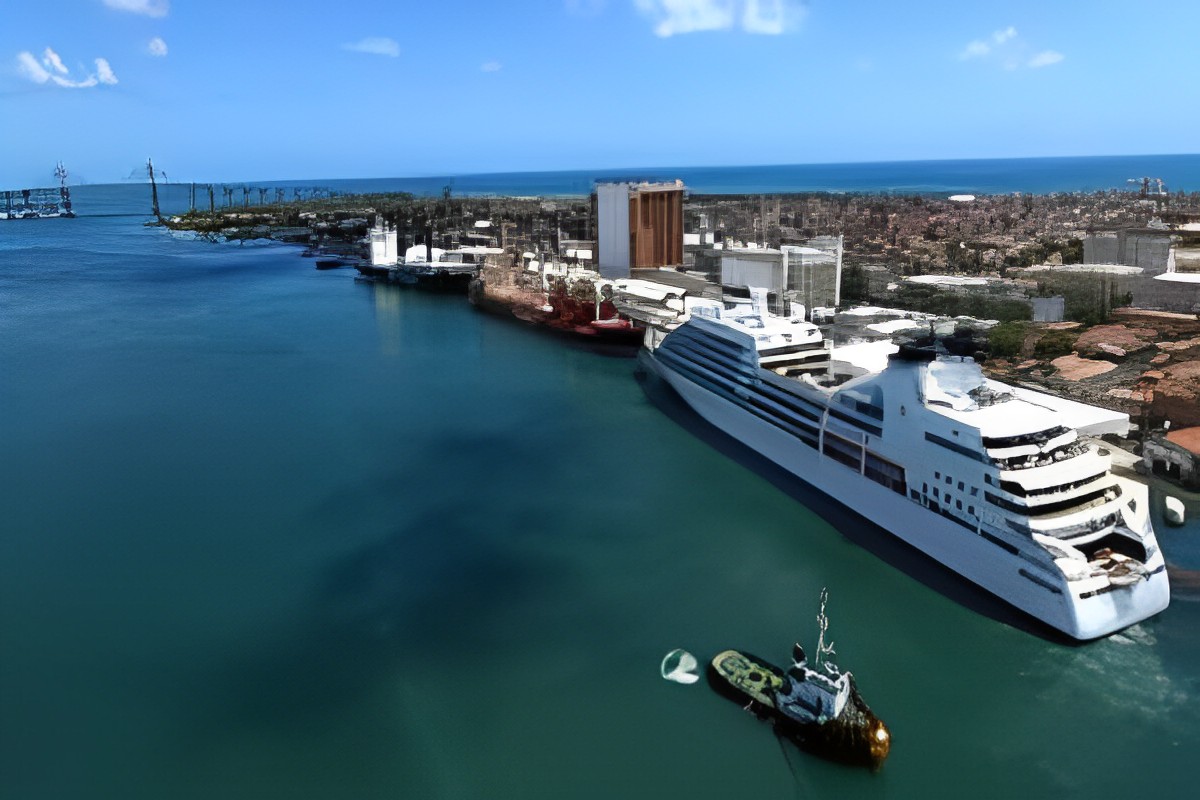
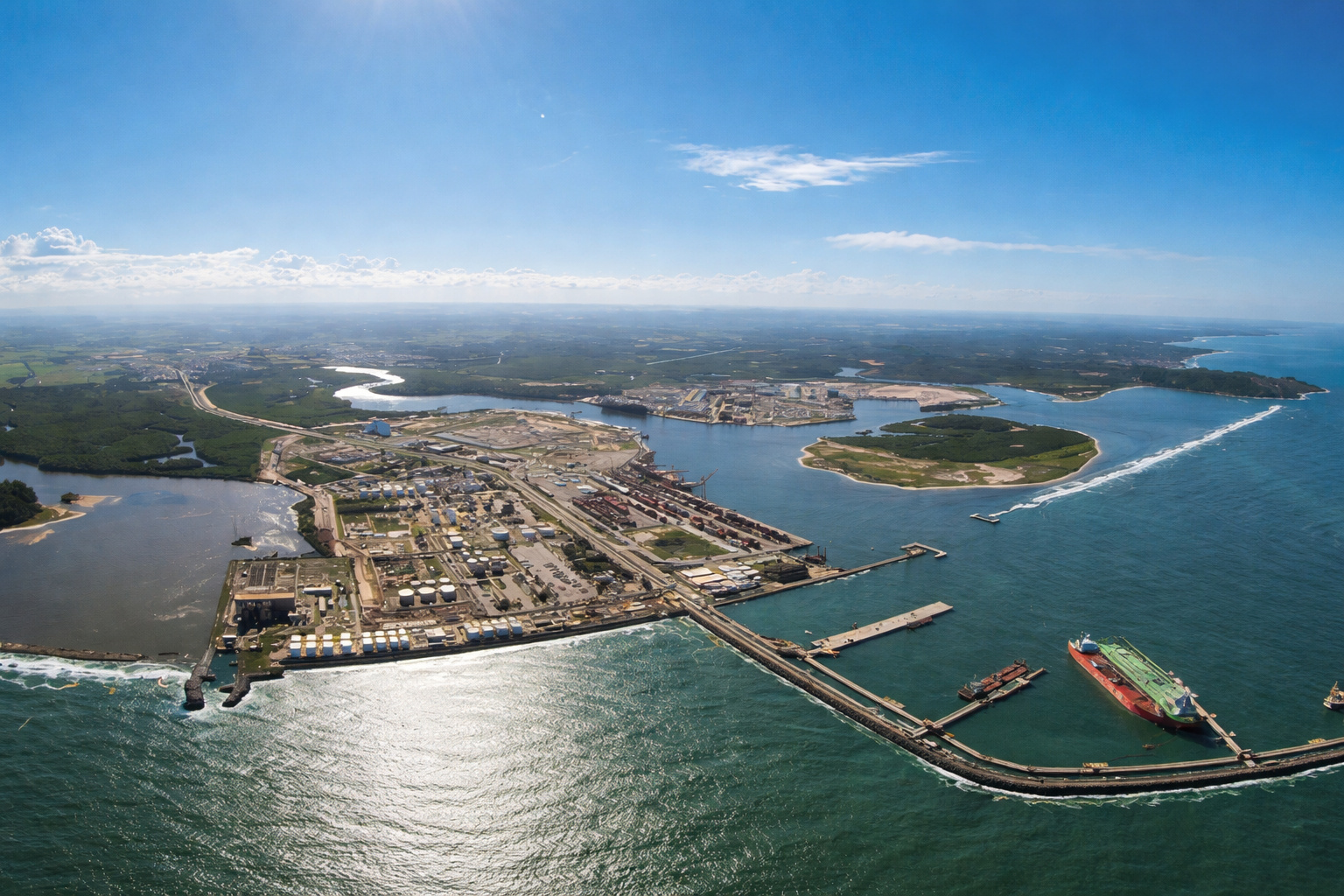
From this total, US$ 536.9 million, or about 79.3% of all maritime exports in the RN ended up being shipped through other ports in the country, such as the one in Pernambuco and the one in Ceará.
To the Natal terminal, only US$ 93.8 million of all other sea exports were handled, a figure 9.6% lower than in 2017, when they were shipped, in values, US$ 103.8 million made by the capital’s port.
Through Suape, according to some surveys by CIN/Fiern, approximately US$ 351 million of maritime exports from the RN will leave in 2022. Meanwhile, through Ceará, around R$ 142.8 million were exported. Even so, ports in Santos (US$ 19.8 million) and in Salvador (US$ 15.9 million) were still utilized. Additionally, smaller volumes, which handled US$ 7.1 million, were shipped through several other maritime terminals in Brazil.
“The Port is too small to accommodate two shipping companies [currently CGM is the only operating company and has announced it will leave operations in the State this year]. There is no space for a retro area, for storing empty containers, not enough power outlets, nor a place for trucks to stay when they arrive,” describes Luiz Roberto Barcelos, institutional director of the Brazilian Association of Fruit Exporters (Abrafrutas) and also co-founder of Agrícola Famosa, the main fruit exporter from Rio Grande do Norte.
-
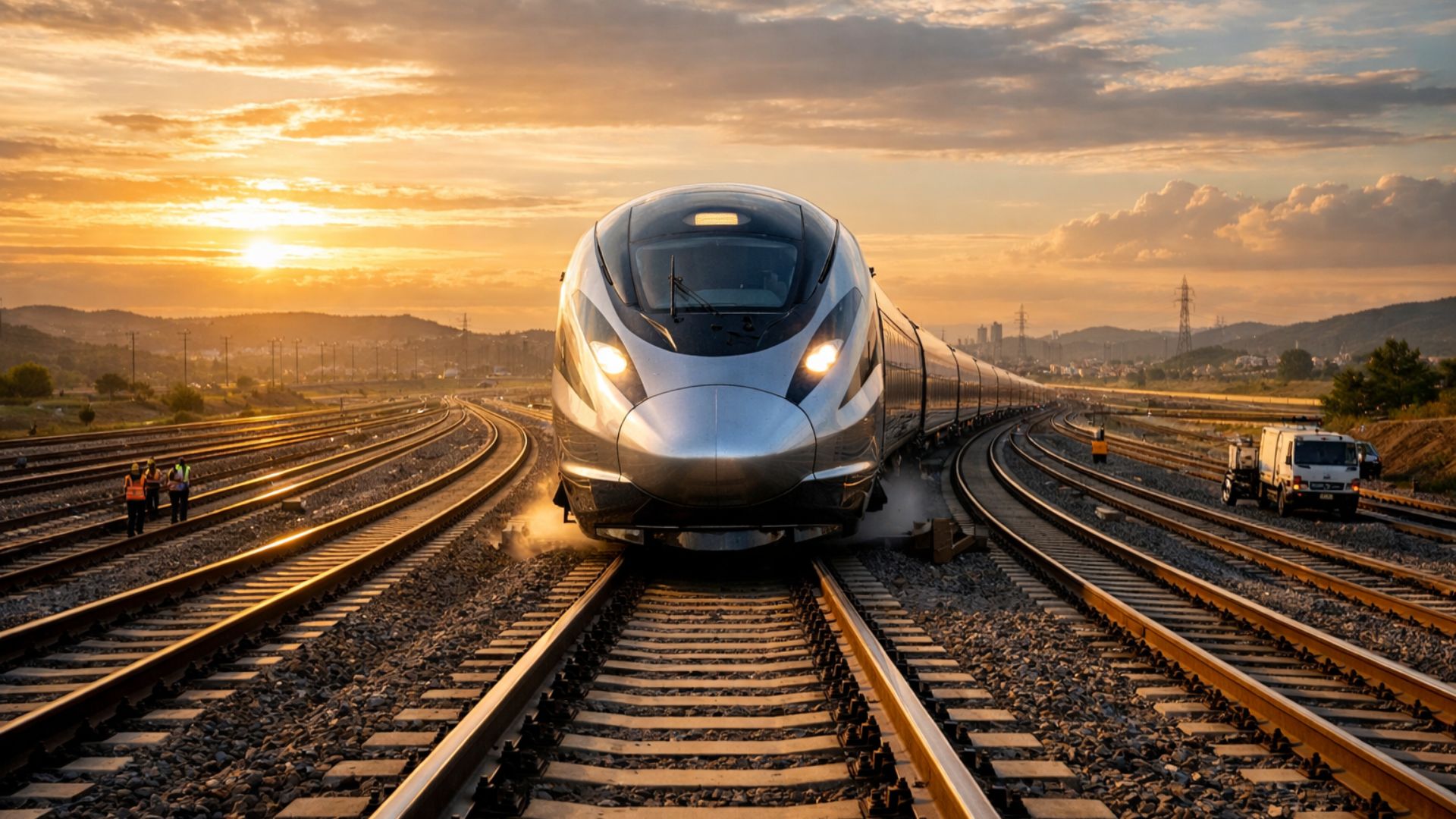
São Paulo surprises the world with a colossal railway network project that promises over 1,000 km of tracks, R$ 194 billion in investments, and 40 projects connecting the capital to the interior with fast and sustainable trains.
-
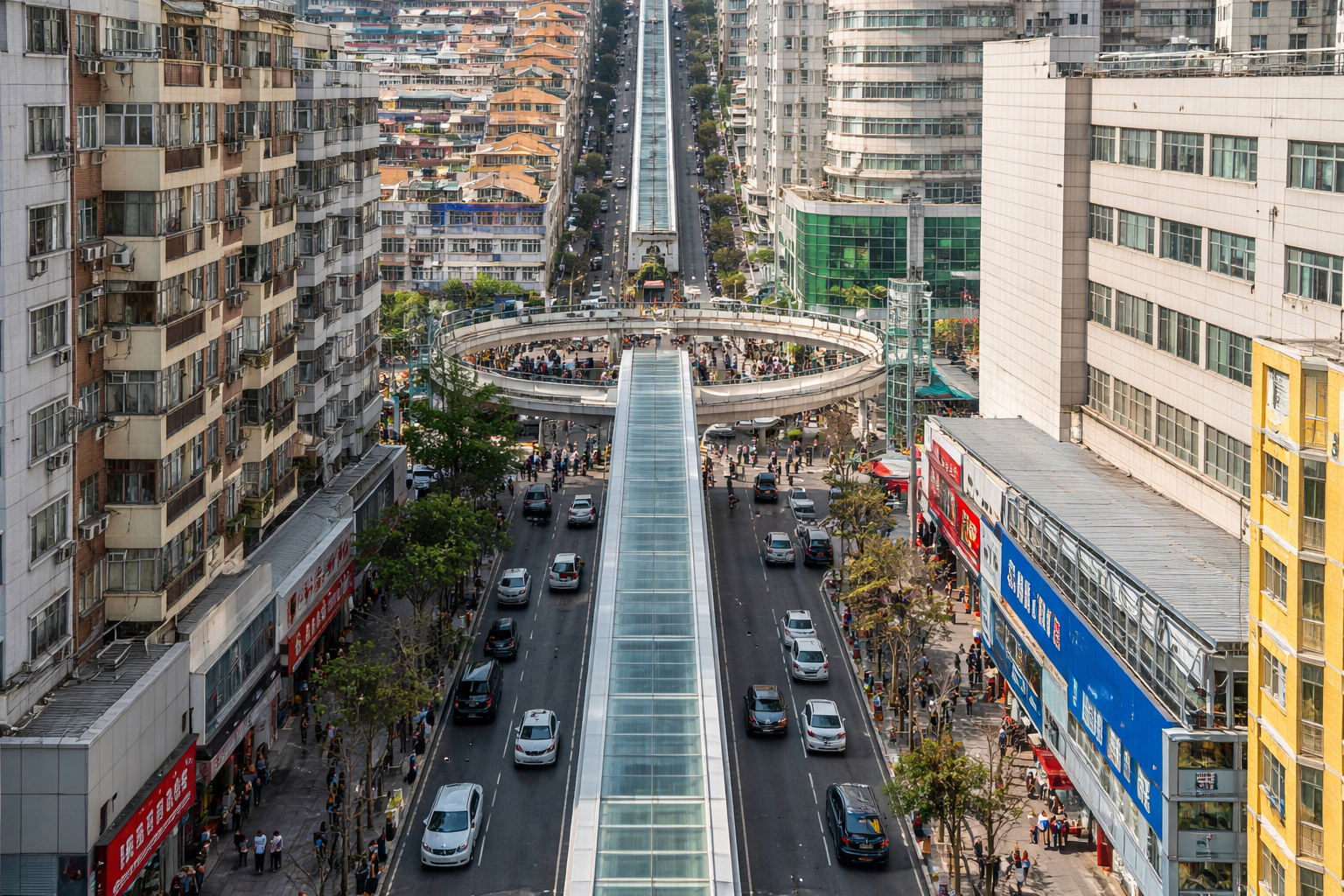
The world’s largest escalator, measuring 905 meters in China, reduces urban travel time from 1 hour to about 20 minutes and transforms mobility in mountainous regions with an engineering solution adapted to the terrain.
-
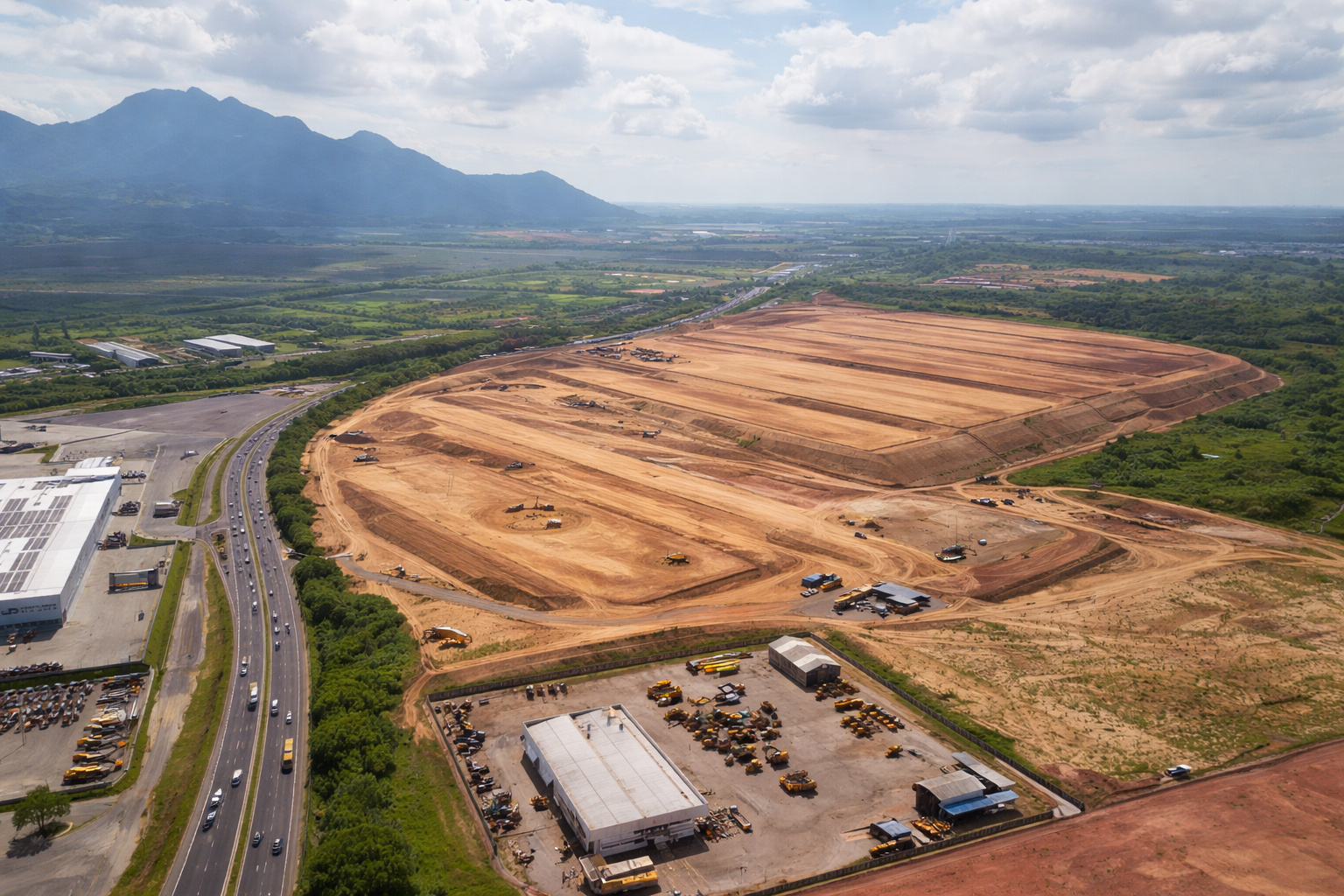
A R$ 300 million logistics giant is taking shape in Serra with over 100,000 m² and raises a question: how can this transform e-commerce and distribution in the state?
-
Could Uber Rides Lose Minimum Fare? Understand What’s Happening!


According to him, the structural problems of the Natal Port made the company charter a ship to transport melon to Mucuripe, in Fortaleza (CE). “There was no more space in Natal. Not to mention that the port cannot accommodate large ships,” he described. With this change, approximately 250 containers with fruits produced in RN left the country through the Ceará port. “That’s almost a third of all the fruit production from Rio Grande do Norte,” estimates the president of the Executive Committee of Fruit Culture of Rio Grande do Norte (COEX), Fábio Martins de Queiroga.
Old Infrastructure Problems
According to the technical manager of CIN/Fiern, Luiz Henrique Guedes, Natal should share fruit shipments to overseas with Mucuripe, in Fortaleza. “Cargo for the United States and other destinations departs from Pecém and Suape,” Guedes explains.
The structural problems of the Natal Port are seen as a reflection of the decline in reference values for maritime exports that left the State through the terminal, seeming far from a solution. The lack of defense at the new bridge reduces operational hours at the facility, for example. The president of the Port Authority of Rio Grande do Norte (Codern), Brigadier Carlos Eduardo da Costa Almeida, states that without the safety installations, there is no way to allow night operations at the port, as happens at other terminals in Brazil.
“Today, operations are only allowed from 7 am to 5:30 pm. And there is no authority that will say it’s possible to operate at night. No ship captain would want to do that, because it involves total safety concerns,” he explains. Gustavo Coelho, head of SIN, confirmed that there was no deadline to address the matter with the Government and said that the discussion on this issue needs to be resumed. However, there is no planning regarding installations.
“The bridge was built with federal funds and certainly this should also be the way to execute these defenses. The discussion must be resumed and evaluated by all stakeholders, as it is a structure for urban mobility in the Municipality of Natal,” says the secretary. His main idea is that a large sonar should be checked in the river for the existence of sandbanks that would justify dredging. “We are planning for the bathymetry study to take place in the next administration. Dredging, if necessary, will be the responsibility of DNIT,” says the brigadier.






Seja o primeiro a reagir!