





 Portuguese
  English
  Spanish
  3 min of reading
  0 comments


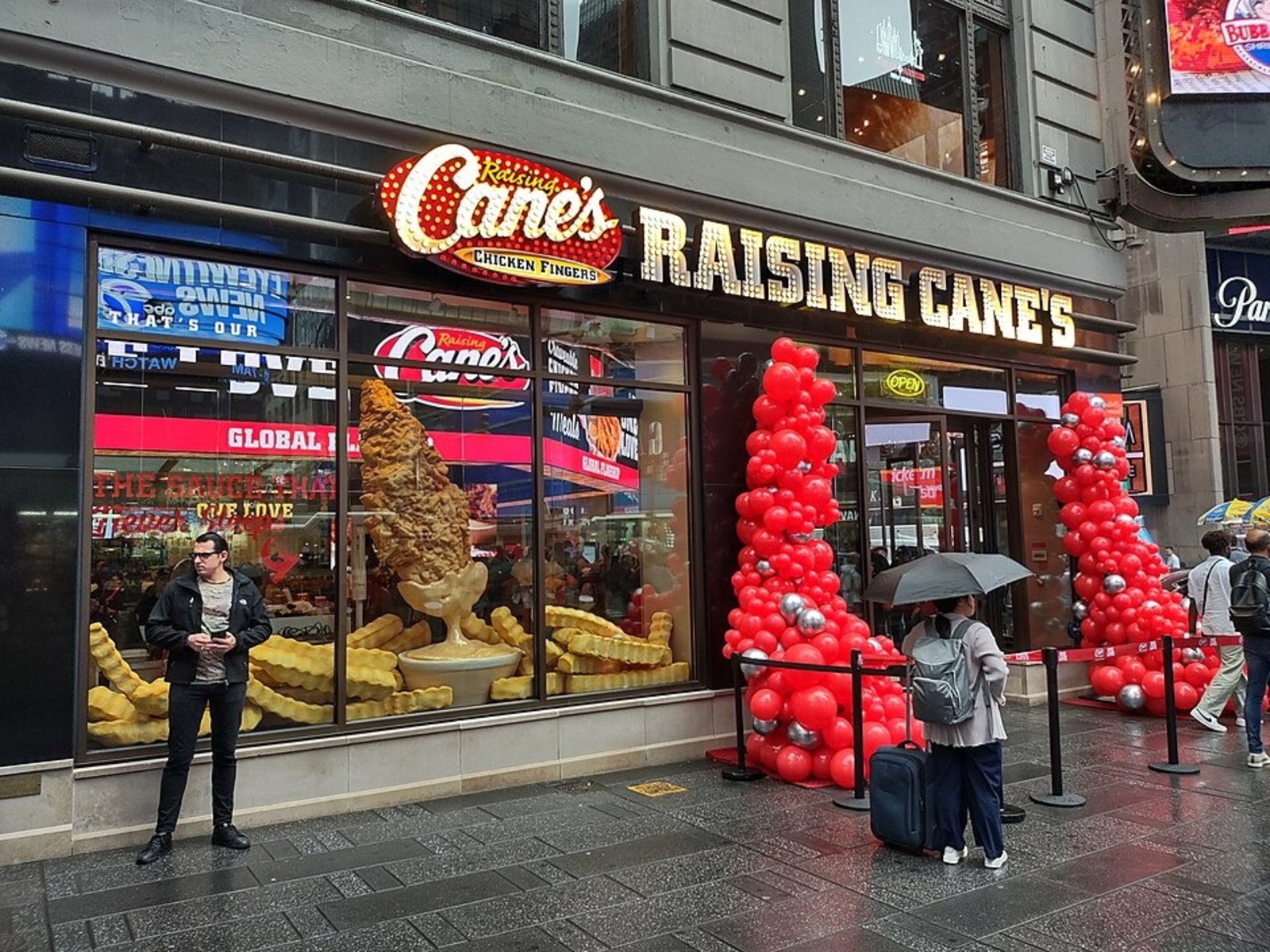
From Single Store in 1996 to Nearly 900 Units in 2024, Fried Chicken Chain Accumulates $5.1 Billion in Sales and Personal Wealth of $17.2 Billion
An idea rejected by professors, investors, and banks has transformed into one of the most profitable fast-food chains focused on fried chicken in the United States, with nearly 900 stores, $5.1 billion in sales in 2024, and a founder who achieved a fortune estimated at $17.2 billion.
The business is Raising Cane’s, founded by Todd Graves, who opened the first unit in Louisiana in 1996 after having his plan rejected in academic and financial settings.
The trajectory returned to the spotlight after Graves nearly doubled his wealth in just one year, driven by accelerated expansion, aggressive digital strategy, and an extremely simplified operational model.
-
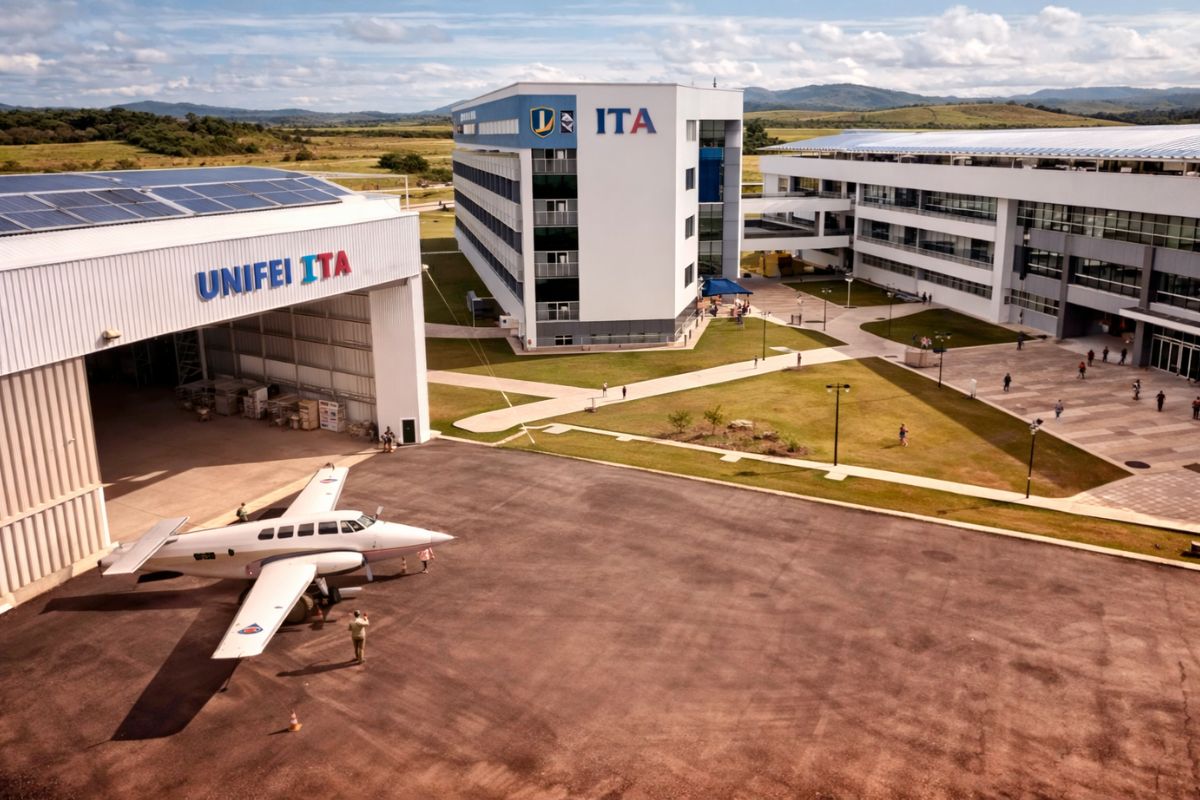
The institute that trained the greatest aerospace engineers in Brazil has just opened its first campus outside São Paulo after 75 years: ITA Ceará will have R$ 445 million, new courses in energy and systems, and classes are expected to start in 2027.
-
Luciano Hang, owner of Havan, goes to Juiz de Fora after the tragedy in February, brings R$ 1 million, hands out R$ 2,000 cards, and donates up to R$ 15,000 to victims in the region.

-
The Brazilian passport allows legal residence in dozens of countries without the need for a prior visa, and most Brazilians are unaware that they can apply for residency directly upon arriving in nations in South America, Africa, and even Europe.

-
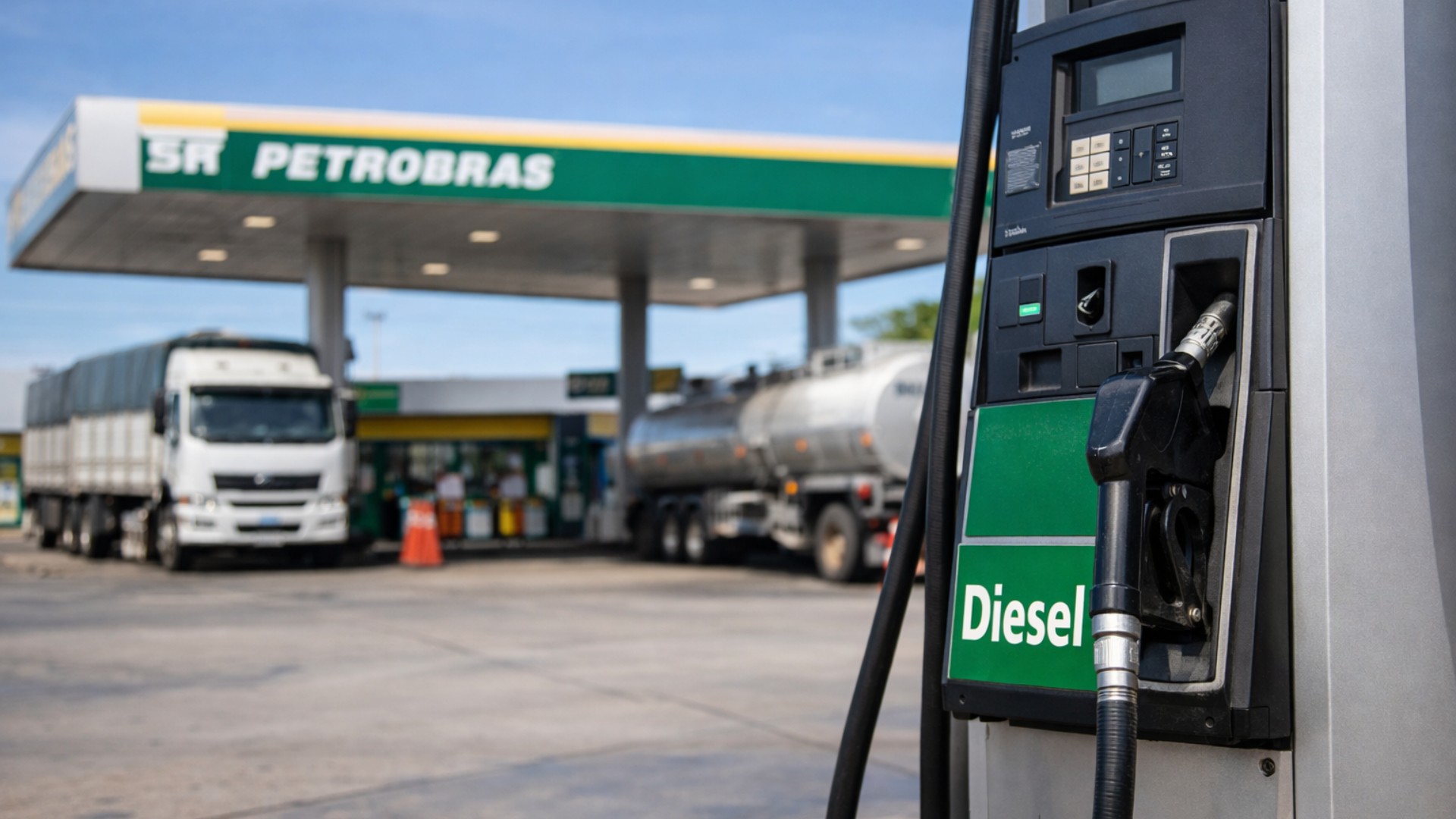
Petrobras sends a message to Brazilian truck drivers after fuel collapse and reveals plan to have 100% domestic diesel.

According to the entrepreneur, the combination of a limited menu, direct marketing, and continuous engagement on social media allowed for rapid growth with reduced customer acquisition costs.
Rejected Idea That Became Billion-Dollar Fried Chicken Chain
Graves’ initial proposal was to sell exclusively fried chicken strips, something deemed too simplistic by university professors and unattractive to investors and banks.
One professor gave the project the lowest grade in the class, while financial institutions refused to provide credit for the business’s initial phase.
Without external funding, Graves decided to raise his own capital by working up to 90 hours a week at a refinery and fishing for salmon in Alaska to save resources.
In 1996, he opened the first store with his own money and a small loan from the SBA, starting an operation that would grow steadily in the following decades.
Lean Menu and Efficient Operation of the Raising Cane’s Fast Food Chain
The differentiator for Raising Cane’s lies precisely in its limited menu, consisting only of chicken strips, French fries, Texas toast, coleslaw, and a single sauce.
The absence of desserts and variations reduces operational complexity, simplifies training, and allows for greater cost control across all units.
Each restaurant generates an average of $6.6 million per year, outperforming direct competitors like Zaxby’s and Bojangles in sales per location.
The operating margin is also noteworthy, with EBITDA nearing $1 billion, reflecting the scale and standardization of the model.
Digital Marketing and Pop Culture
Graves defines himself as a “social media machine” and claims to dedicate daily attention to brand promotion on digital platforms, with support from a dedicated team.
In an interview with Forbes, he said he uses his visibility to promote products and partners with low customer acquisition costs.
In 2023, he allowed rapper Post Malone to design his own unit of the chain, expanding the brand’s cultural reach.
He also appeared on the Shark Tank program and created the series “Restaurant Recovery” to support small restaurants during the pandemic.
Expansion Plans and Future Goals of the Fast Food Chain
Currently, Graves holds more than 90% of the company and has distributed at least $250 million in dividends since 2020.
The strategic plan aims to double the size of the chain, reaching 1,600 restaurants, $10 billion in annual sales, and international presence.
In addition to physical expansion, the goal includes increasing the team to 150,000 people and giving back $100 million to communities, according to recent statements from the founder.
With the opening of over 100 new units in just the last year, Cane’s continues at a rapid pace, consolidating a model that started underappreciated and now generates billions.
Even with a menu that rarely changes and a strategy that prioritizes focus, scale, and direct engagement with the public, it still faces typical challenges of such rapid expansion.
With information from Exame.








-

-

3 pessoas reagiram a isso.