





 Portuguese
  English
  Spanish
  4 min of reading
  0 comments


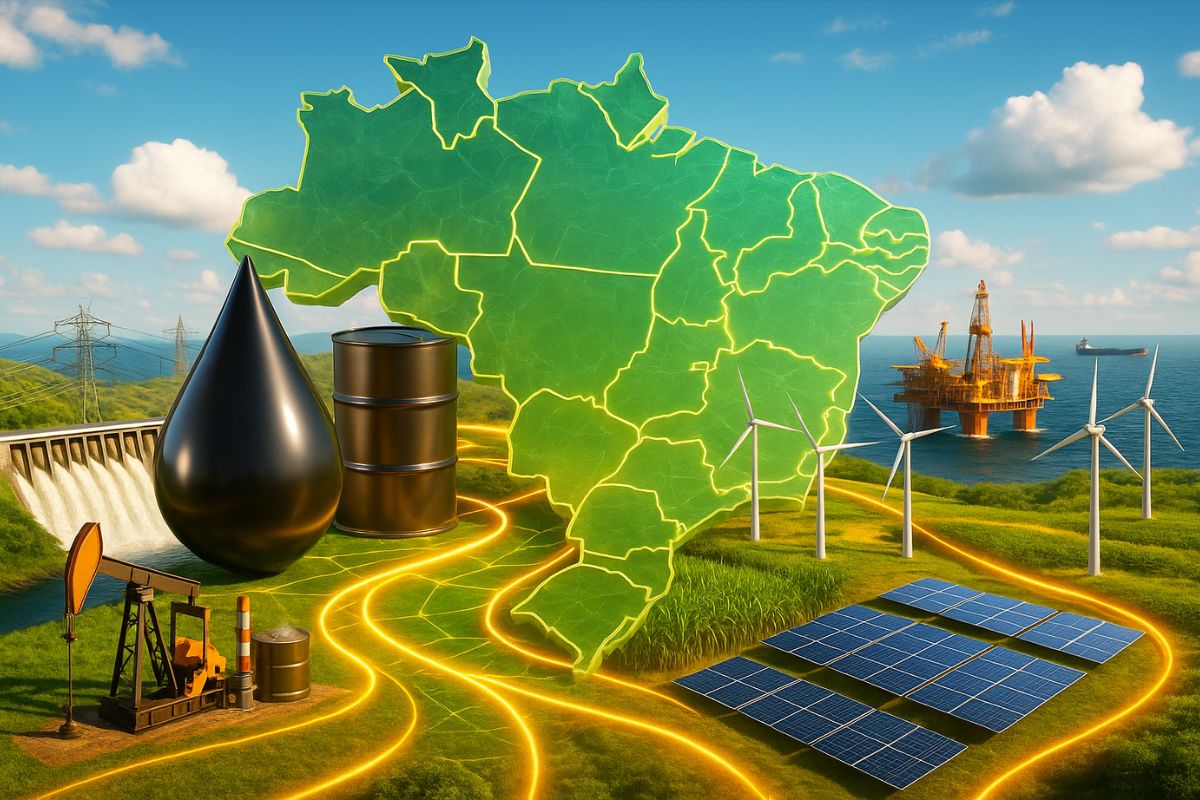
Even With the Growth of Wind, Solar, and Biomass Energy, Oil Remains the Main Source of Energy in Brazil. Understand the Data by State and Type of Source.
Brazil has one of the most diverse energy matrices in the world, mixing oil, natural gas, hydropower, biomass, solar, and wind energy. Still, the most consumed source remains non-renewable: oil. The state-by-state analysis reveals regional contrasts and shows why the energy transition still faces obstacles, despite advances in clean sources.
Energy is a central theme for understanding development and structural inequality in the country. While the Southeast accounts for almost half of national consumption, generation is more distributed among the North, Northeast, and Midwest, where the main hydropower plants, wind farms, and biomass areas are located. Even with the growth of renewable sources, oil continues to be the basis of the Brazilian energy matrix.
Difference Between Energy Matrix and Electric Matrix
It is essential to understand the difference between the two concepts.
-
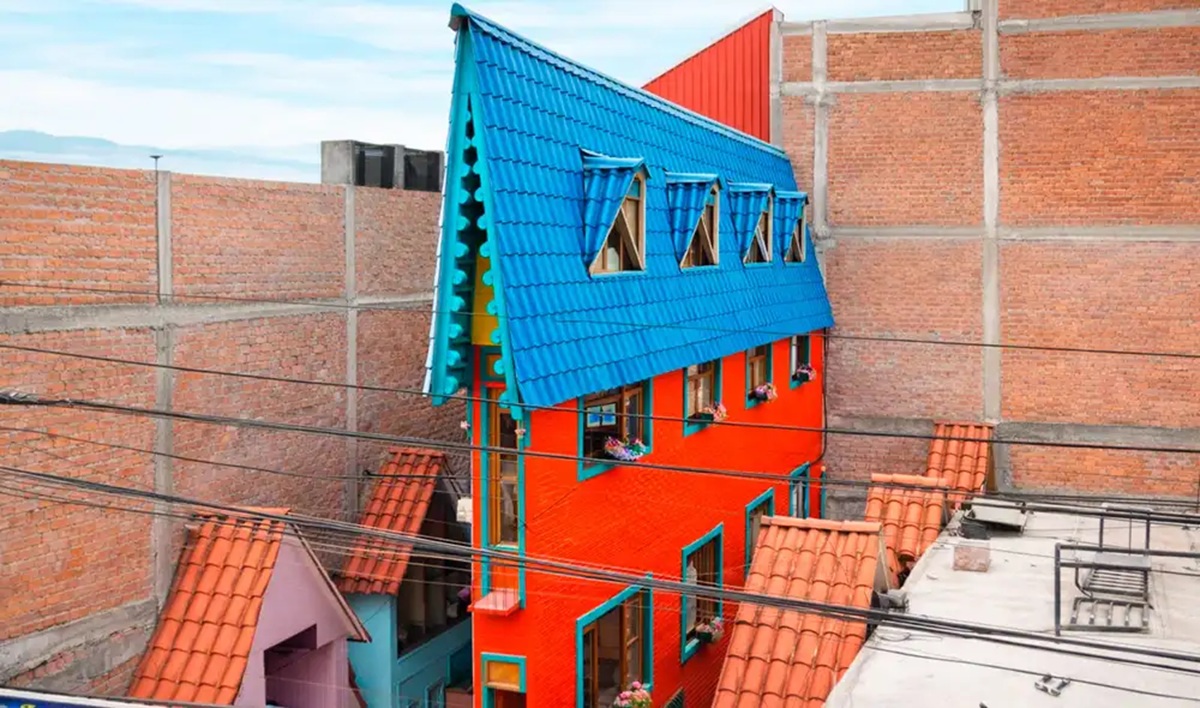
The narrowest house in the world is only 63 centimeters wide, but inside it can accommodate a bathroom, kitchen, bedroom, office, and even two staircases.
-
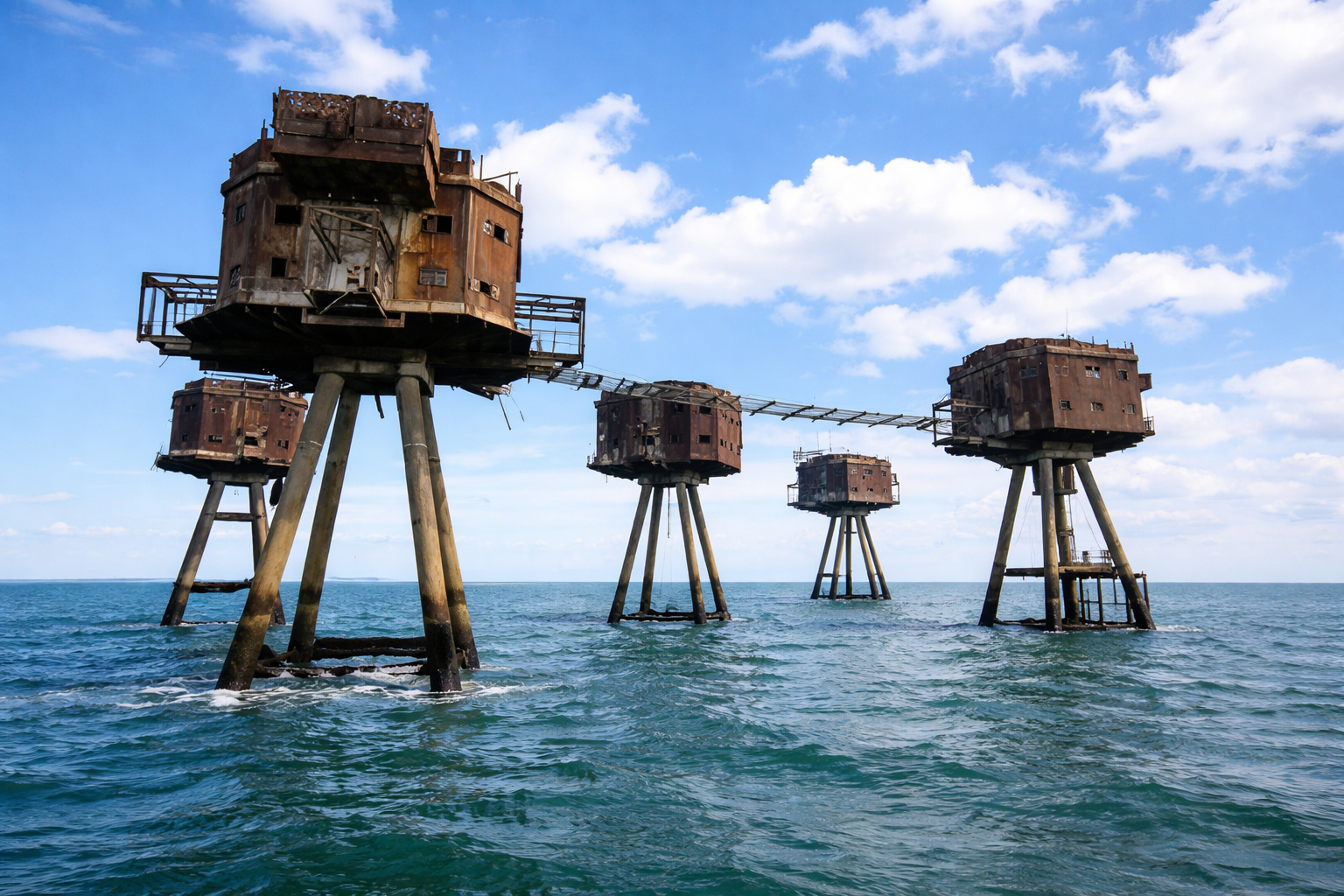
In the middle of the sea, these enormous concrete and steel structures, built by the British Navy to protect strategic maritime routes, look like they came straight out of a Star Wars movie.
-
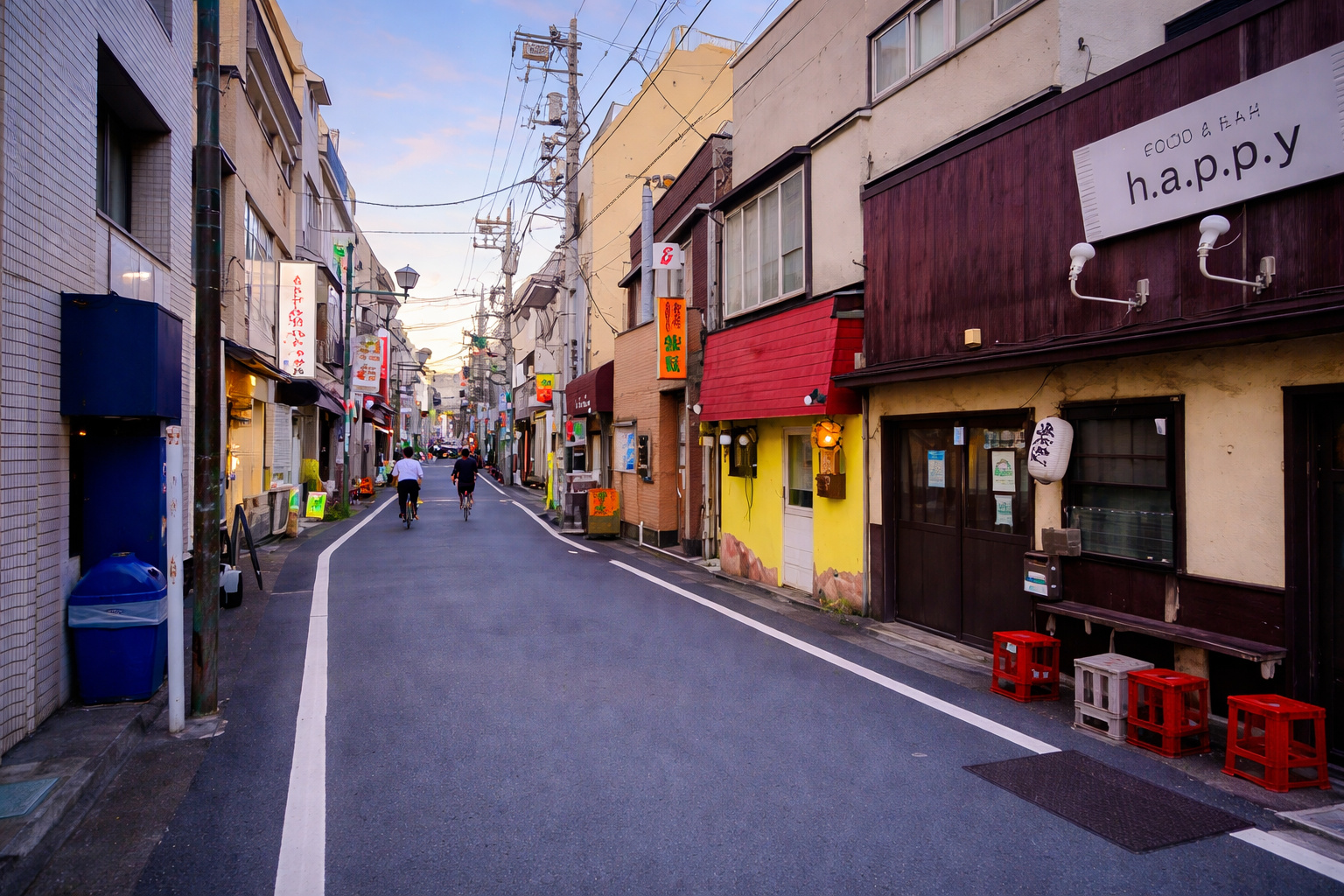
For years, no one could cross a neighborhood in Tokyo because of the tracks, but an impressive solution changed mobility and completely transformed the local routine.
-
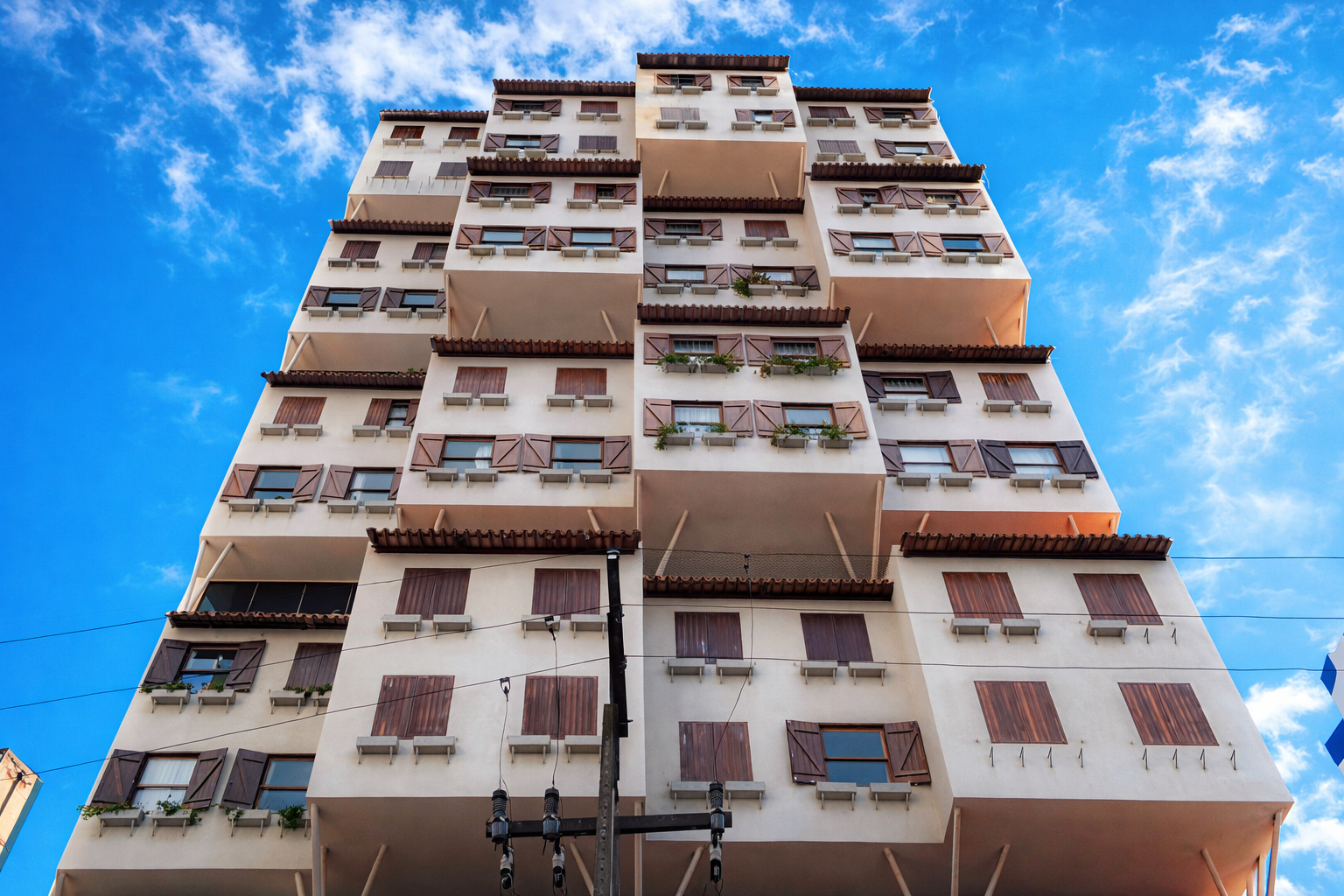
With 15 floors, an unusual building in Curitiba uses concrete, pilasters, and exposed roofs to create the effect of stacked houses.

The energy matrix encompasses all energy sources used in the country, such as gasoline, ethanol, coal, and electricity.
The electric matrix is a part of it, formed only by the sources that generate electricity, such as hydropower plants, solar plants, and thermal power plants.
Within this scope, Brazil stands out globally: about 85% of its electric matrix is renewable, which contrasts with the 15% global average.
However, when looking at the complete energy matrix, the reality changes: 55% still comes from non-renewable sources, with oil representing 36% of the total consumed in the country.
The Dominance of Oil in the Energy Matrix
Oil and its derivatives account for more than a third of the energy consumed in Brazil.
This includes gasoline, diesel, and aviation kerosene, primarily used in transportation.
The country is also the eighth largest producer worldwide, with emphasis on the pre-salt, which accounts for 70% of national production.
Rio de Janeiro leads the extraction, with 35% of the total, followed by São Paulo and Espírito Santo.
Maritime production dominates: 97% of Brazilian oil comes from the sea, especially from the southeastern coast.
Sugarcane: Second Main Source
Sugarcane occupies the second position in the national energy matrix, representing 15% of consumption.
The biomass derived from sugarcane, mainly ethanol and bagasse, is crucial for both transportation and electricity generation.
São Paulo is the largest producer, followed by Goiás, Minas Gerais, and Mato Grosso do Sul.
In addition, 80% of the electricity generated from biomass in Brazil comes from sugarcane bagasse, consolidating its role in the electric matrix as well.
Hydropower Still Dominates the Electric Matrix
Although it ranks third in the energy matrix, hydropower is the foundation of Brazil’s electric matrix, accounting for about 62% of national electricity.
Plants such as Itaipu and Belo Monte are symbols of this structure, despite environmental and social controversies.
Hydropower plants are distributed across all regions, with a focus on the Paraná River basin, responsible for most of the country’s installed capacity.
Natural Gas, Wind, and Solar Energy: Slow but Steady Growth
Natural gas represents 10% of Brazil’s energy, with a large part being used in thermoelectric plants.
Rio de Janeiro dominates production with 70%, but Amazonas and São Paulo also play an important role.
Wind energy accounts for about 12% of electricity, with 90% of production concentrated in the Northeast. Rio Grande do Norte, Bahia, and Piauí are leaders in the sector.
Solar energy is also advancing, especially in Minas Gerais and São Paulo, with over 4% of the national electric matrix.
The Energy Reality by State
The electric energy source varies greatly among states:
Hydropower is primary in the South, Southeast, Goiás, and Pará.
Wind leads in Ceará and Bahia.
Natural gas and diesel oil predominate in Amazonas, Maranhão, Acre, and Roraima.
Coal is the main source in Rio de Janeiro and Espírito Santo.
Biomass leads in Mato Grosso do Sul.
These data show how the Brazilian territory presents energy diversity but also structural inequality in supply and consumption.
Who Consumes the Most Energy?
The Southeast is the largest consumer of electric energy in Brazil, accounting for 49% of the national total.
The industry is responsible for 36% of consumption, followed by residences (30%) and commerce (17%).
The metal, food, and chemical sectors are the highest consumers within the industry.
The Challenge of Balancing Growth and Energy Transition
Despite the strong presence of renewable sources, oil remains the engine of the national energy matrix.
This reality raises environmental and energy security concerns.
The search for balance requires more investment in infrastructure, expansion of clean sources, policies to encourage decentralized production, and long-term planning.
The Brazil has exceptional natural conditions for this, but the pace is still uneven among regions.
And you? Did you know what the main energy source of your state is? Do you think Brazil should accelerate the transition to renewable sources? Leave your opinion in the comments.






Seja o primeiro a reagir!