





 Portuguese
  English
  Spanish
  5 min of reading
  0 comments


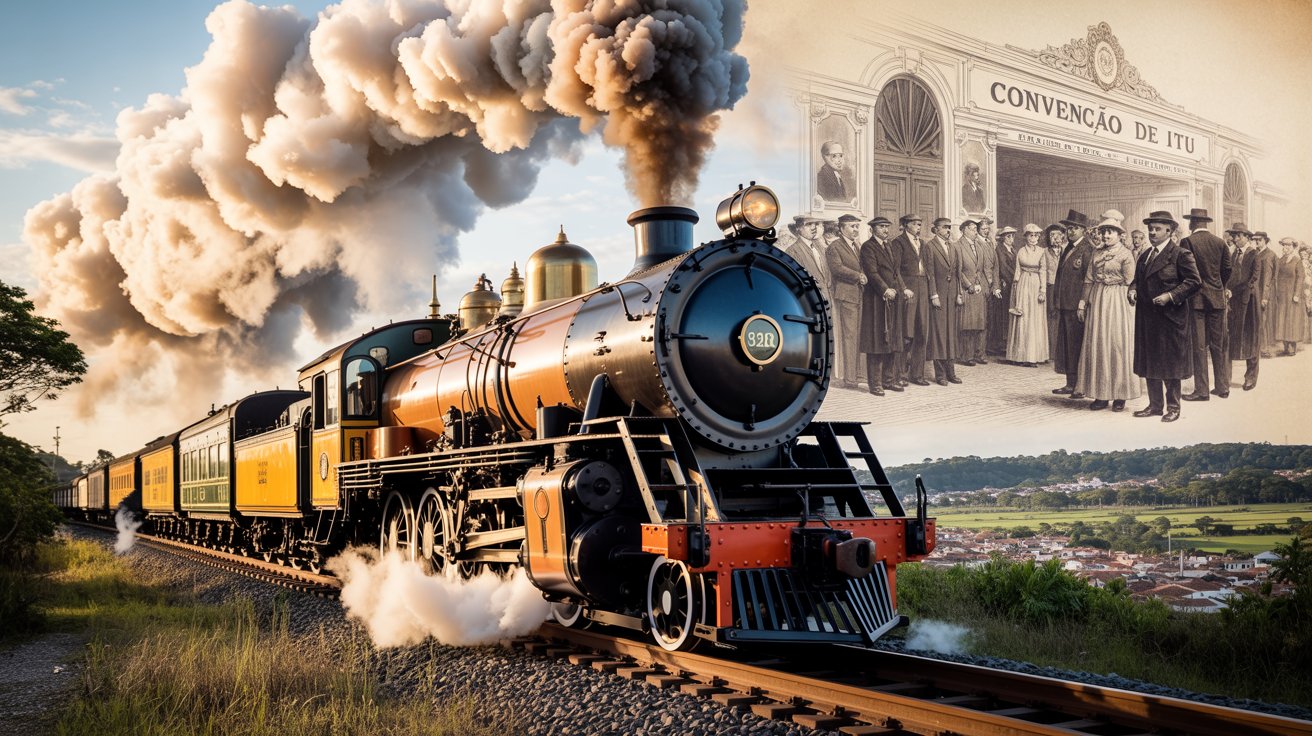
A railway attraction in the interior of São Paulo guides tourists through historical tracks, revealing marked events in the political and economic formation of Brazil in a unique and nostalgic experience.
The Trem da República, one of the main tourist attractions in the interior of São Paulo, transports passengers on a true journey through time as it travels between Itu and Salto, São Paulo.
The experience, which stands out among the options for railway tourism in Brazil, offers an immersion in national history by allowing tourists to relive the atmosphere of the 19th century and learn about the behind-the-scenes of one of the country’s most emblematic moments: the origin of the Republic.
In addition to connecting historic cities, the trip contributes to preserving memories and valuing Brazilian railway heritage.
-
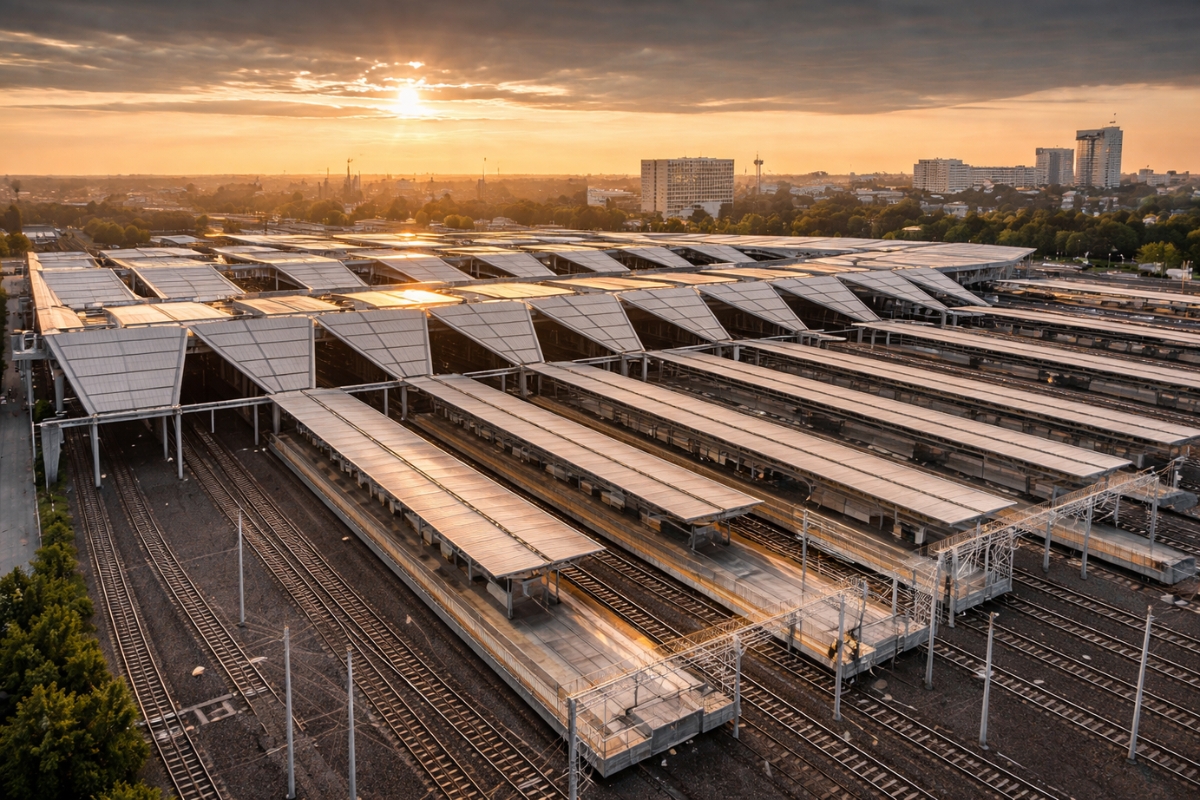
In A European City, The Country’s Largest Railway Junction Was Modernized Without Closing Its Doors, Kept Trains Running During Years Of Construction, Now Serves Up To 60,000 Passengers Per Day, And Installed Solar Panels That Generate About 30% Of Its Energy
-
Famous Brazilian Railway May Become a Parking Lot

-
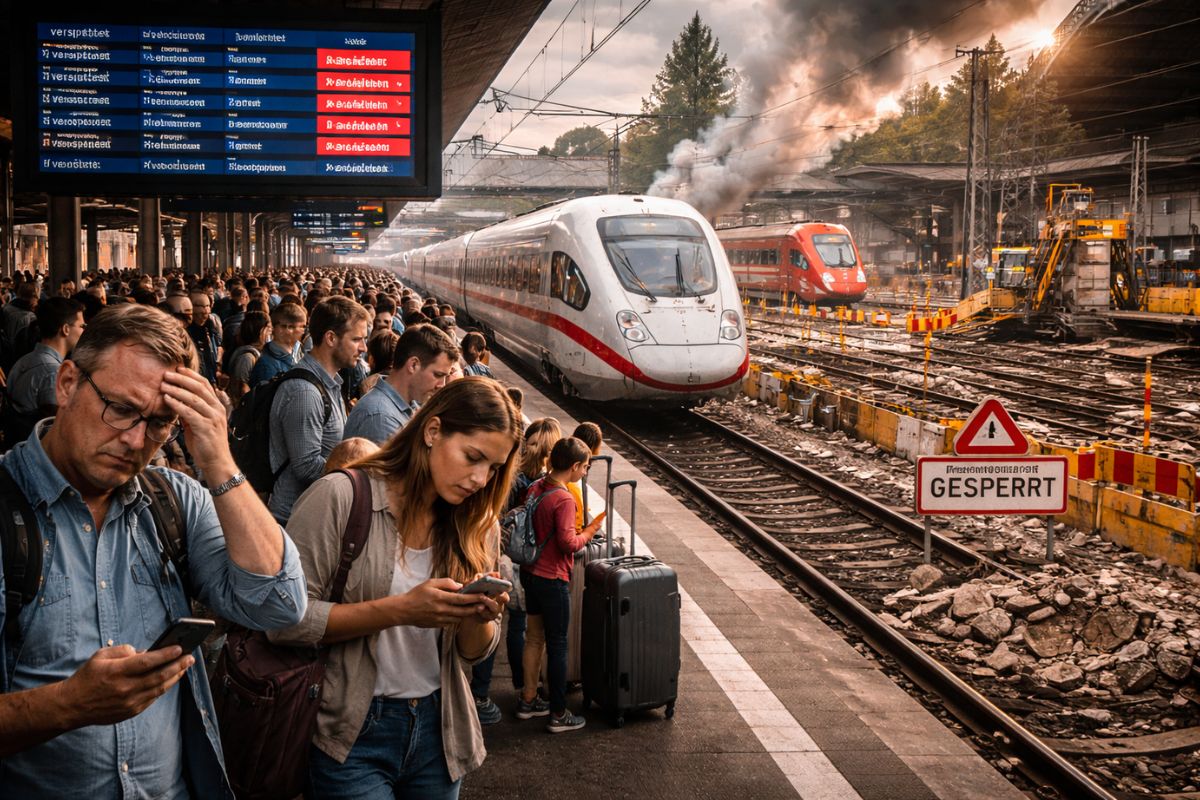
The Country of “Punctual As a Train” Admits It Has Lost Control: High-Speed Trains Delay, Stop, Disappear from the Map and Turn 6-Hour Trips into 10, While Deutsche Bahn Promises Restructuring in 2026 But Faces 19th Century Infrastructure, Staff Shortages and Sections Closed for Months
-
With an Investment of R$ 700 Million in One of the Country’s Main Rail Networks, VLI Reinforces Infrastructure, Receives 8 New Locomotives, and Expands the Corridor Connecting 7 States, Boosting Jobs and the Transportation of Grains, Ore, and Oil Products to the Port of Santos


Railway Tourism Connects Past and Present
With each trip, the Trem da República provides visitors the opportunity to explore facts and curiosities about the past, on a route of approximately one hour.
During the journey, it is possible to observe urban and rural landscapes, feel the nostalgic atmosphere of the old carriages, and understand the importance of the tracks in Brazil’s economic and social formation.
The trip is part of the portfolio of the Grupo Serra Verde Express, a national reference in the tourist train segment, responsible for initiatives to promote railway transport in different regions of the country.
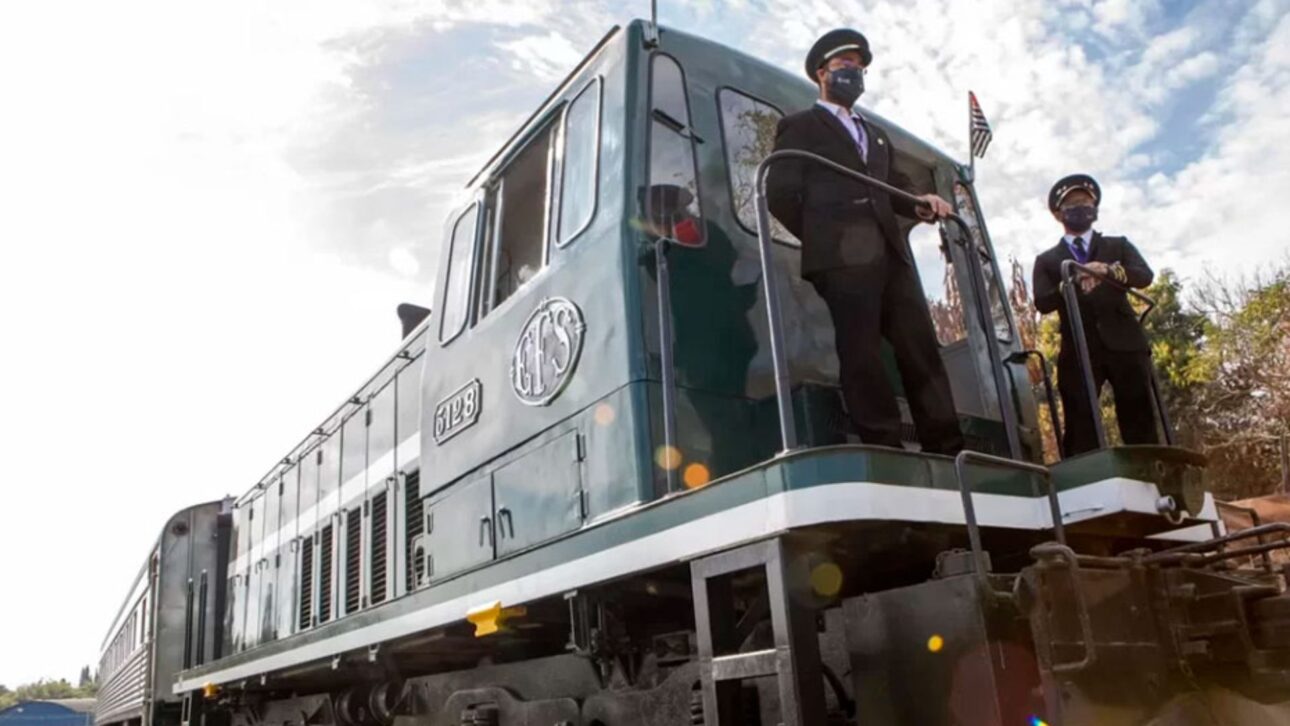
The growing interest in railway tourism in Brazil can be explained by both the historical appeal and the sensory experience provided to passengers.
In the case of the Trem da República, the route gains relevance as it refers to a period of deep transformations in the national scene.
As explained by Adonai Aires de Arruda, president of the Trem da República, the choice of route between Itu and Salto was not random.
“From the beginning, we believed in the tourist potential of the region. Itu and Salto are strategically located near airports, have diverse hotel infrastructure, and serve a population of around three million people in the surrounding area”, states the executive.
The Role of the Tracks in the History of Brazil
According to Arruda, the main objective of the project has always been to provide an enriching experience for visitors, rescuing the importance of trains in the history of Brazil.
“The trips surprise the public, spark curiosity about the past, and teach valuable lessons about the preservation of heritage”, he highlights.
In addition to valuing railway memory, the Trem da República plays a relevant role in stimulating economic development and generating jobs in the cities served.
Convention of Itu and the Origin of the Republic


But why has the Trem da República become a historical icon?
The starting point of this trajectory dates back to the 19th century when the Ituana railway was inaugurated on April 17, 1873, a day before the famous Convention of Itu.
This event, held on April 18, 1873, brought together coffee growers, entrepreneurs, lawyers, journalists, and artists at the family home of Almeida Prado in Itu.
At the time, the participants expressed dissatisfaction with the monarchical regime and gave rise to the Paulista Republican Party (PRP), a movement that would later drive the Proclamation of the Republic on November 15, 1889.
The railway connection from Itu was essential for the realization of the Convention of Itu, as it symbolized the economic advancement of the central São Paulo region and facilitated the mobility of people and goods.
The train thus became a symbol of progress and innovation, and closely witnessed the political changes that would culminate in the foundation of the Republic in Brazil.
This context is revived on every journey of the Trem da República, which has the mission of keeping alive the memory of those events and providing passengers with an authentic immersion in the atmosphere of the time.
The Return of the Historical Railway Ride
The initiative to revitalize the route between Itu and Salto was led by the Grupo Serra Verde Express, a company recognized for its work in managing tourist trains in Paraná.
In December 2020, the group officially reopened the section, adapting to the challenges imposed by the Covid-19 pandemic and betting on the potential of local tourism to boost economic recovery.
Since then, the Trem da República has become one of the main drivers of regional development, energizing the service sector, generating income, and strengthening the cultural identity of the involved cities.

Structure, Comfort, and Experience
Besides the historical appeal, the ride offers adequate infrastructure for different audience profiles, including families, students, researchers, and railway enthusiasts.
The carriages, carefully restored, preserve the charm of the old trains and provide comfort during the journey.
Specialized guides and informative materials complement the experience, detailing the context of the Convention of Itu, the role of the railway in the expansion of coffee, and the relevance of the Paulista Republican Party in the transition from the imperial to the republican regime.
The management model adopted by the Grupo Serra Verde Express prioritizes excellence in service and the sustainability of operations.
In addition to rescuing elements of railway history, the company invests in environmental preservation actions and in valuing local communities.
The partnership with municipalities, cultural entities, and hospitality networks contributes to diversifying leisure options and consolidating the interior of São Paulo as a strategic destination for those seeking quality historical and cultural tourism.







-

Uma pessoa reagiu a isso.