





 Portuguese
  English
  Spanish
  2 min of reading
  0 comments


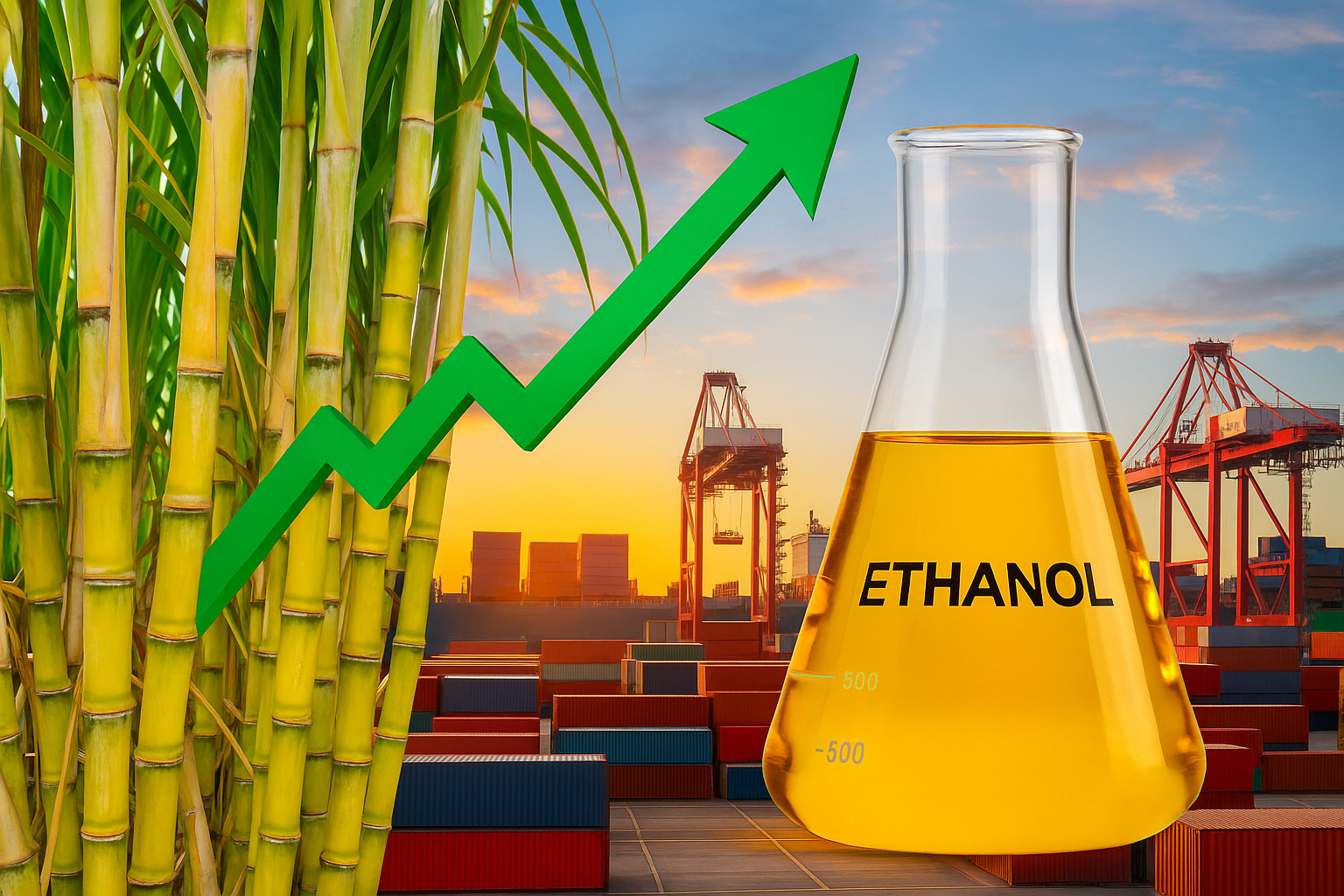
Historic Scenario in the Biofuel Market
The Brazilian ethanol market is expected to record its first deficit in 14 years in 2025/26, according to Veeries’ estimate.
The difference between production and consumption is projected to be negative by 890 million liters by the end of the 2025/26 harvest.
In the Center-South, the largest producing region, the surplus is expected to drop to 2 billion liters, the lowest since 2016/17.
Production Below Expectations and Rising Prices
The deficit — the first since 2011, when there was a severe sugarcane crop failure — does not indicate shortages, according to Fabio Meneghin, a partner at Veeries.
However, tighter supply is likely to keep prices high.
In September 2025, hydrous ethanol rose 4% in Brazil, while gasoline varied only 0.6%, according to ANP.
As a result, the share of hydrous ethanol dropped to 30.8%, down from 32% recorded in the same period of 2024.
Impact of the Sugarcane Harvest and Growth of Corn
The increase in ethanol prices reflects successive disappointments in the sugarcane harvest.
Production is expected to end 2025 with at least 2 billion liters less than anticipated, equivalent to one month of consumption.
Compared to the previous harvest, the reduction could reach 3 billion liters.
On the other hand, corn ethanol has grown above expectations, totaling 9.1 billion liters in 2025.
This growth represents an increase of 1 billion compared to the previous cycle.
Nonetheless, this increase does not cover the deficit left by sugarcane biofuel.
-
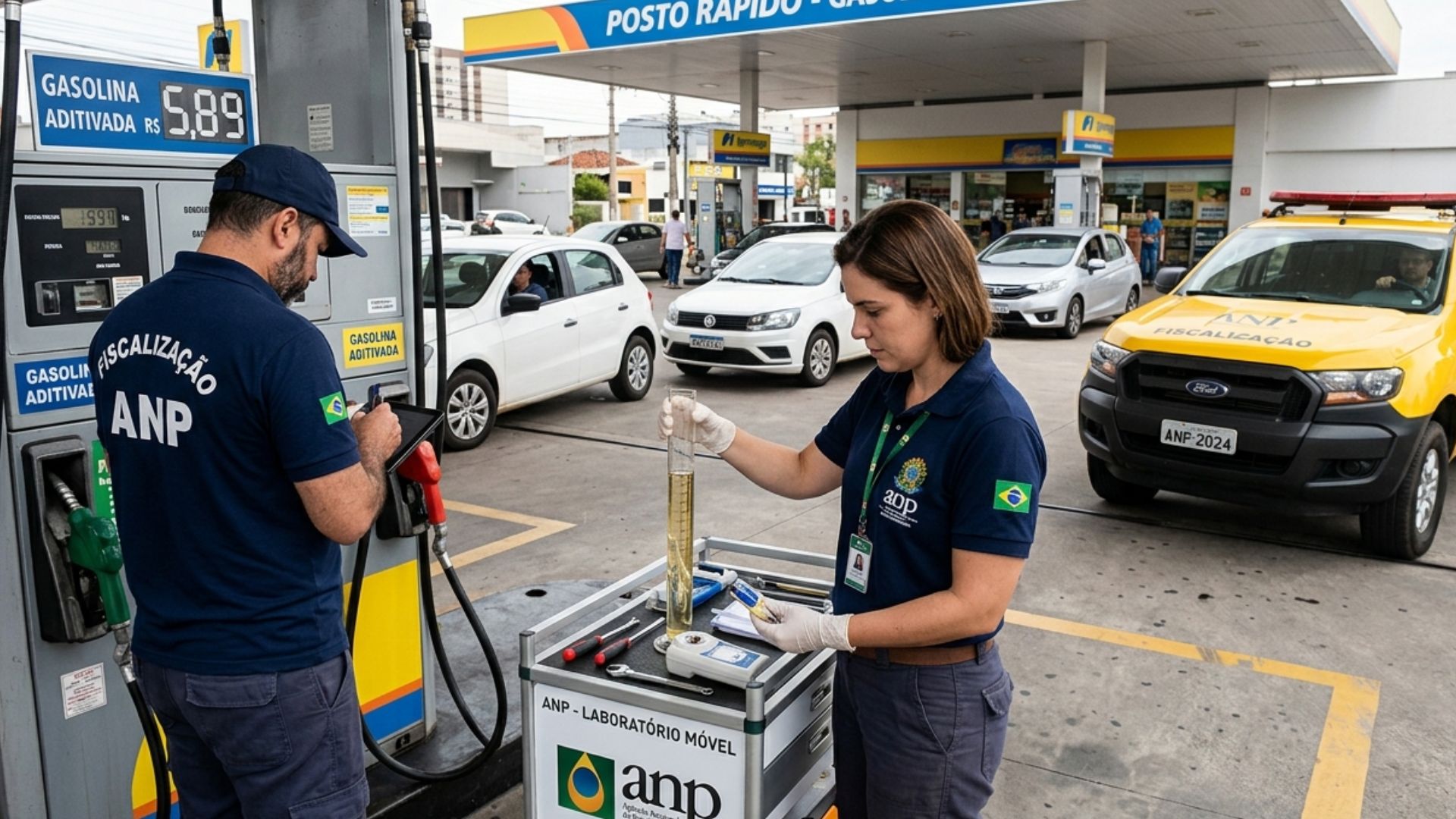
Fuels come into focus: national task force expands oversight at over 5,300 fuel stations, identifies price distortions, and promotes measures that enhance consumer protection and transparency in the sector.
-
3 times more ethanol per hectare can be produced with Eike Batista’s supercane amid rising gasoline prices — how can this technology change fuel prices in Brazil?
-
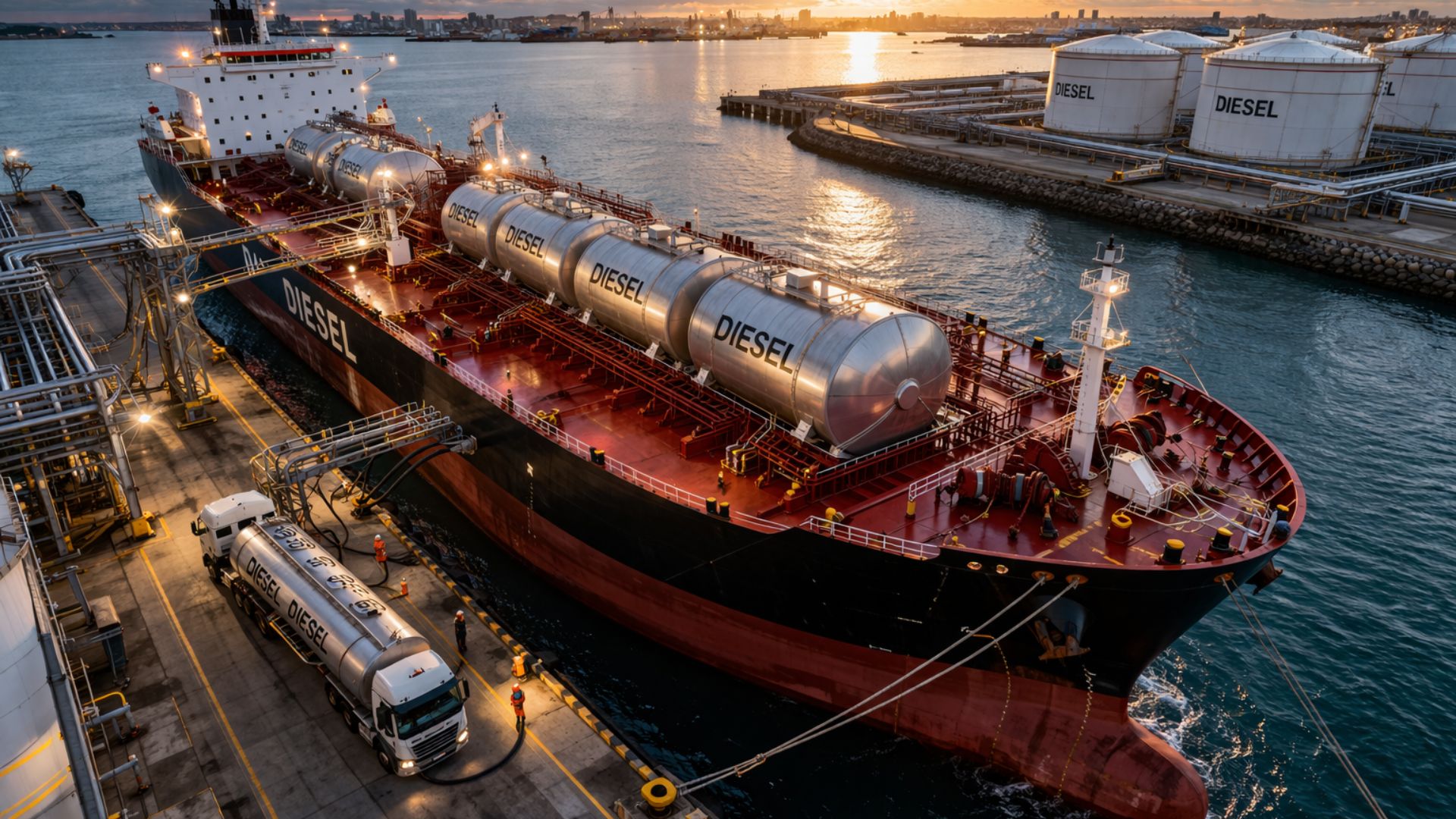
Former president of IBP highlights that dependence on diesel imports pressures prices in Brazil, increases vulnerability to global crises, and underscores the need for more robust and sustainable energy policies.
-
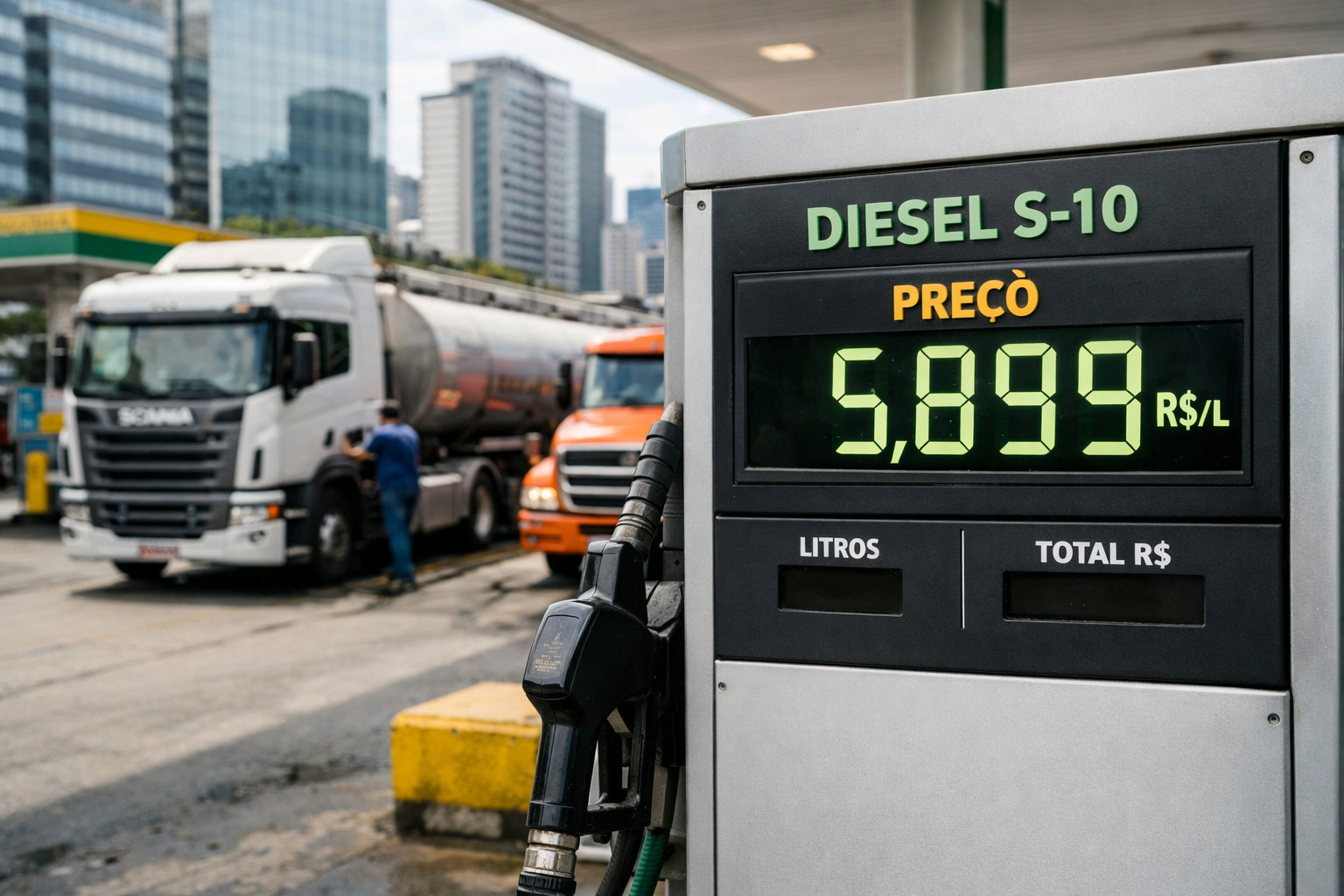
Middle East War Drives Up Oil Prices, And Petrobras Increases Diesel: Fuel Reaches R$ 3.65 Per Liter At Distributors
Rising Imports and Market Reaction
With the tightening of supply and demand, ethanol imports have become more attractive.
Between April and August 2025, Brazil imported 150 million liters, a volume higher than the average of the last five years.
Despite this, Meneghin points out that the impact is limited.
The capacity to expand the alcohol mix in the mills is reduced.
Additionally, the mandatory ethanol blend in gasoline increased from 27.5% to 30% in August 2025.
This factor contributed to the price pressure.
Outlook for 2026/27
The projected deficit may extend until March 2026.
However, the anticipation of the next harvest’s crushing could mitigate the impacts.
According to Veeries, total ethanol production is expected to grow 15% in 2026/27, reaching 41.8 billion liters.
Sugarcane production is expected to recover the 2 billion liters lost in 2025, reaching 28.3 billion liters.
This growth represents an increase of 8%.
Meanwhile, the supply of corn ethanol is expected to advance 35%, reaching 13.2 billion liters.
In this scenario, the market share of hydrous ethanol could approach 35% of national consumption again.








Seja o primeiro a reagir!