





 Portuguese
  English
  Spanish
  4 min of reading
  5 comments





Leaving the Car Idling in Neutral to “Warm Up the Engine” Is a Mistake That Can Cause Wear and Excessive Fuel Consumption. Understand Why Experts and Manufacturers Advise Against This Practice.
For decades, drivers have been taught that leaving the car running for a few minutes before leaving was a good practice to “warm up the engine.” This idea, inherited from the days of carburetors, is still common among millions of people, especially on cold mornings. But according to experts and manufacturers, keeping the car idling in neutral to warm it up can cause more harm than good, reducing the engine’s lifespan and unnecessarily increasing fuel consumption.
Studies and manuals from modern manufacturers are unanimous: current engines do not need to be warmed up while idle, and this habit is far from harmless. The mistake, besides wasting fuel, can lead to the buildup of residues and premature wear of internal components.
The Myth of Idling Warm-Up: Where It Came From
In older cars with a carburetor, idling warm-up was necessary to stabilize the air-fuel mixture and prevent stalling. In those engines, the fuel needed to reach an ideal temperature to vaporize correctly, and driving off immediately after starting the car could cause stalling, loss of power, and even shutdowns.
-
6 used cars that cost less than a new Honda CG 160 Titan and still provide trunk space, four seats, and comfort that many new motorcycles cannot offer.
-
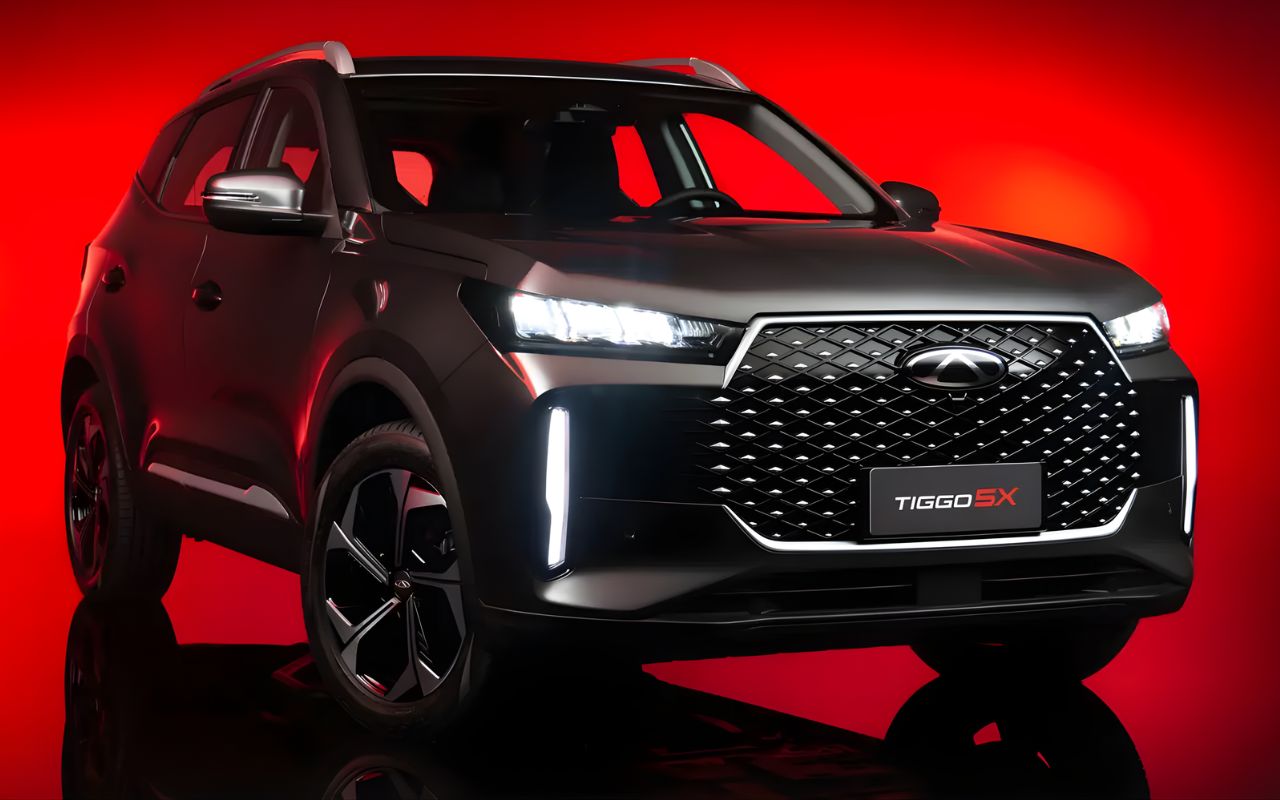
Caoa Chery Tiggo 5X skyrockets in sales in Brazil: a 2,318% increase and waiting lists of up to 4 months to acquire the model.
-
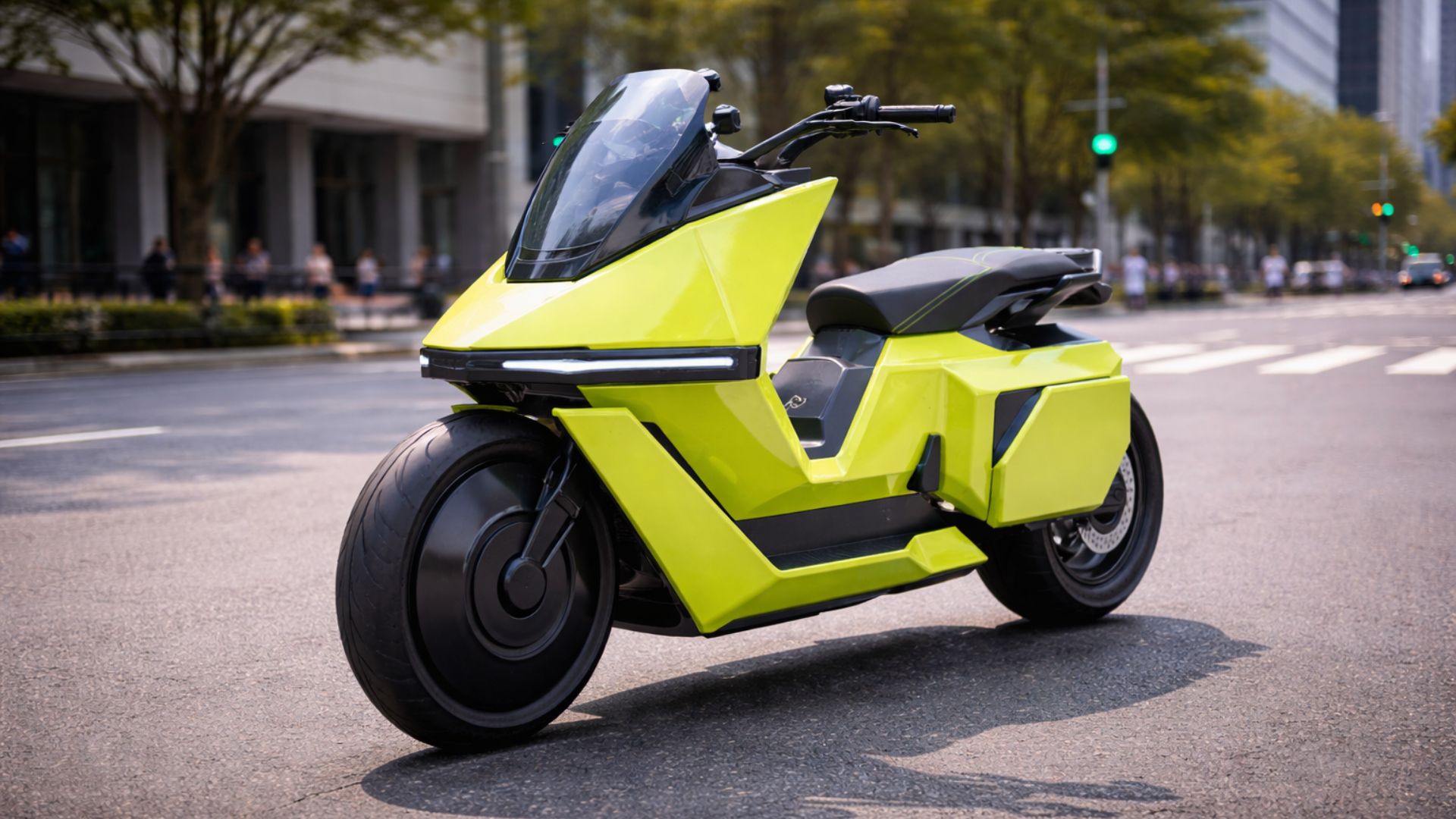
Goodbye falls: Singaporean company Omoway begins production of a motorcycle that doesn’t fall and surprises the market by offering automatic balance technology that reduces accidents and transforms the urban riding experience.
-
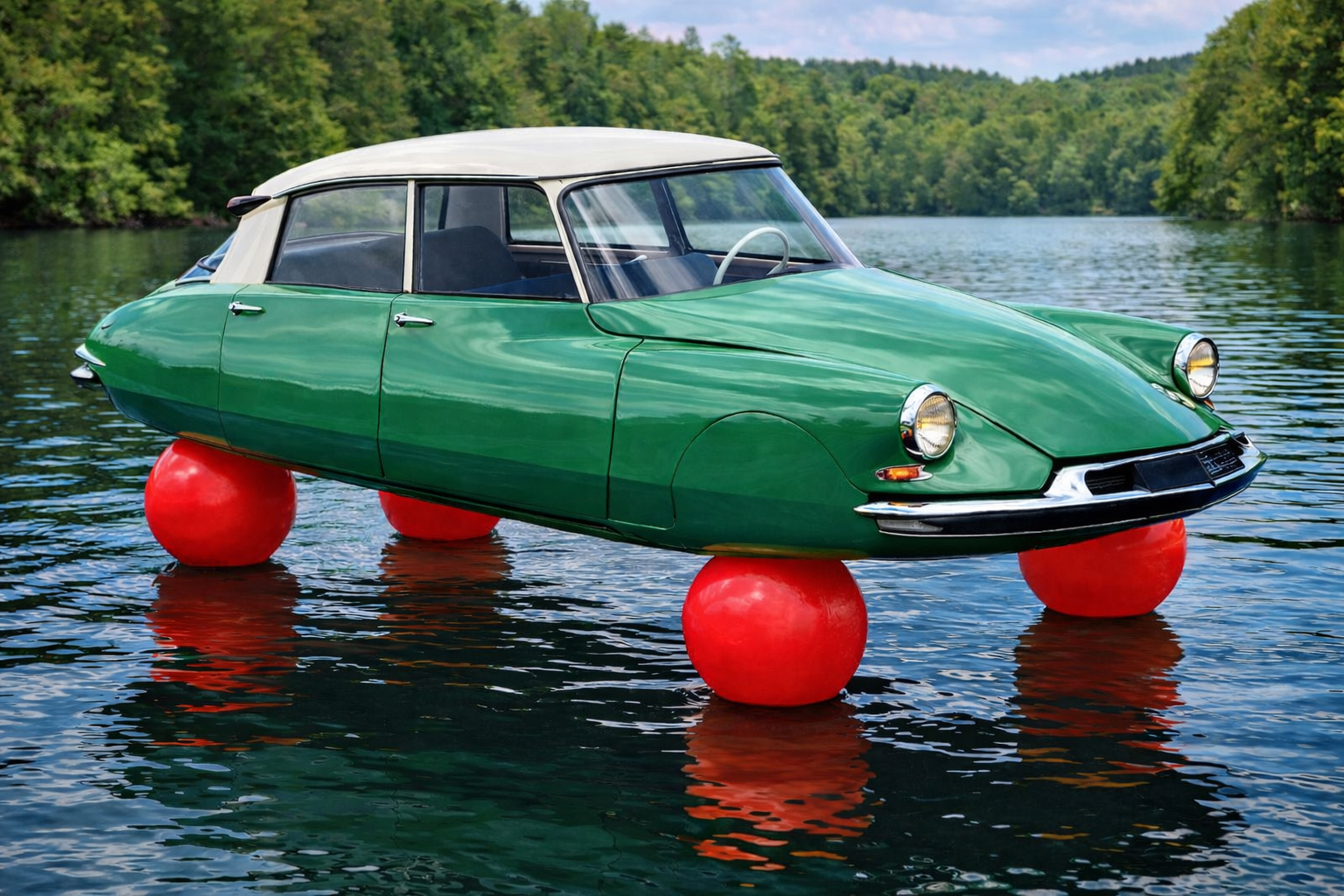
A French brand placed a car on four huge red balloons to prove that its suspension made the vehicle “float,” and the surreal scene became one of the most iconic and unusual images in automotive history.
With advancements in technology, this reality has changed completely. Modern engines use electronic fuel injection, temperature sensors, and control modules (ECU) that automatically adjust the fuel mixture and ignition timing from the moment the engine is started. This means that the vehicle is ready to go in seconds, even on cold days.
Despite this, the habit of “warming the car up while idle” still persists, passed down from generation to generation. But what seems like care, in fact, may be shortening the engine’s lifespan.
What Happens to the Engine When It Idles
When the engine runs for long periods while idling, there is incomplete lubrication and irregular combustion. This happens because, with the car stopped, the RPM is very low, and the oil does not circulate with enough pressure to properly lubricate all moving parts.


Moreover, excess fuel injected during cold-running can wash away the oil film that protects the pistons and cylinder walls, causing friction and premature wear. The result is what is known as “invisible wear” — the kind that does not cause immediate failures but deteriorates the engine over time.
Experts say that the ideal approach is to start the car, wait 10 to 20 seconds for the oil to circulate, and then drive normally, keeping the RPM low until the engine reaches operating temperature. It is light movement, not idling, that heats the engine efficiently and safely.
The Impact on Consumption and Emissions
Leaving the car idling also has a direct impact on your wallet and the environment. A study by the Environmental Protection Agency (EPA) of the United States shows that idling for just 10 minutes consumes between 150 and 300 ml of fuel, depending on the engine. Over a month, this can amount to as much as 3 liters of wasted gasoline just from idling.
In addition to the waste, the idling engine emits more concentrated polluting gases since the catalytic converter has not yet reached the ideal temperature to function.
Therefore, in addition to internal wear, this habit increases emissions of carbon monoxide and hydrocarbons, harming the performance of the emission control system.
What Manufacturers and Engineers Say
Brands such as Toyota, Honda, Volkswagen, and Chevrolet include explicit recommendations in their manuals against leaving the engine running for long periods while idle. The reason is simple: modern engines are designed to warm up while in motion.
According to Toyota engineers, “the ideal warming time is the amount necessary to buckle up and adjust the mirrors.” After that, the vehicle can be driven smoothly, respecting low RPMs until it reaches normal temperature.
Honda emphasizes that the natural movement of the car helps the oil and coolant reach the ideal temperature more quickly, preventing wear caused by irregular fuel combustion.
On Cold Days, What Should Really Be Done
Instead of leaving the car idle for several minutes, the recommendation is simple:
- Start the engine and wait about 20 seconds;
- Avoid rapid accelerations or high RPMs in the first few minutes;
- Use quality fuel to ensure proper lubrication during the cold phase;
- Have regular check-ups of the oil and electronic fuel injection system.
By following these practices, the engine warms up naturally and safely, with full lubrication and no additional wear.
The Conclusion of Experts
The habit of warming up the car while idling may seem like a form of care, but in practice, it is one of the most common and costly mistakes made by drivers. It wastes fuel, increases pollutant emissions, and accelerates the internal wear of the engine.
In modern engines, efficient warming means light and gradual movement, not idling time. In other words: start, wait a few seconds, and drive on; this is the correct recipe to ensure that the engine lasts much longer.









Se o motor não está lubrificando em lenta e porque está com sérios problemas na bomba de óleo, e se um motor foi feito pra não lubrificar em lenta e um erro muito grave de engenharia, materia completamente mentirosa, deixar muito tempo ligado não mas até o motor lubrificar bem e outra história.
Mas uma armadilha pro seu carro durar menos com seus motores frágeis de 3 cilindros igual recomendar a troca a cada 10 mil km ou 1 ano mas o povo acredita né que não e nescessário esperar um pouco pra andar liga e sai no 12
Tem deixa pelo menos uns 2 minutos depois sair com carro moto muito mais eficiente e vai mais longe os engenheiros de hoje não sa bem nada de carro eu que não sou mecânico tem um Corolla puro tanque de guerra