






 Portuguese
  Spanish


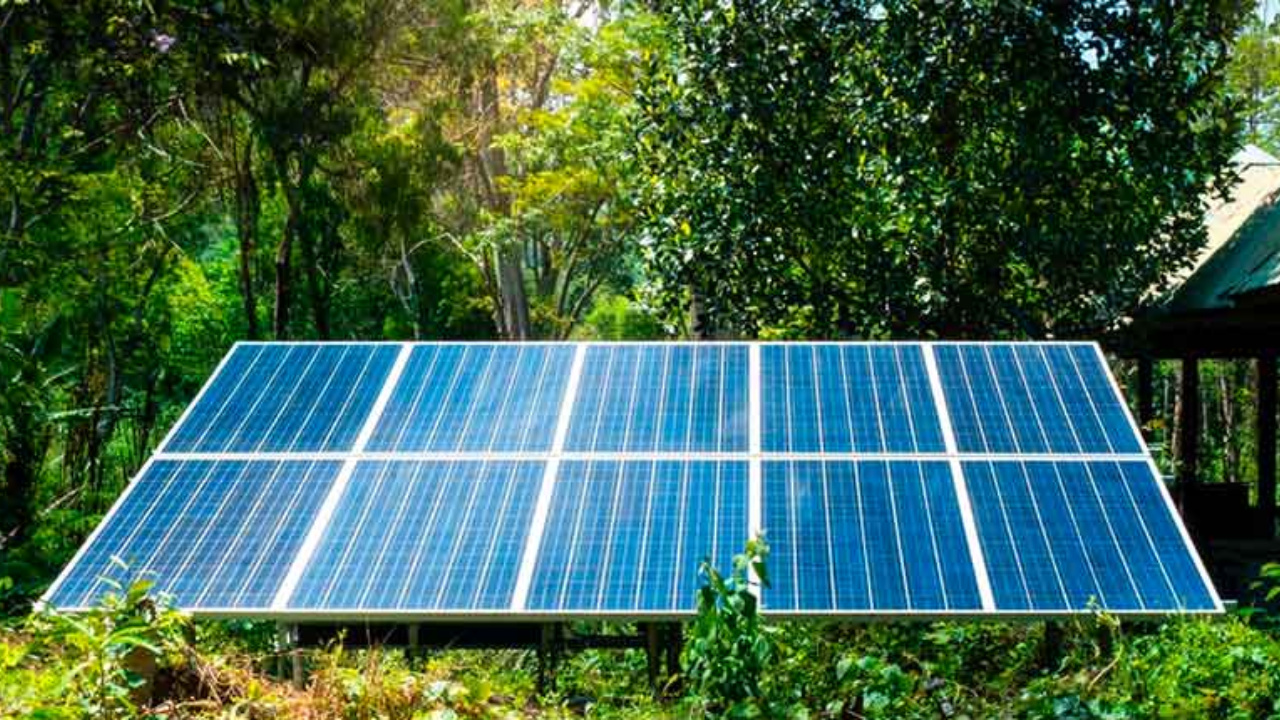

Second New Report from the International Energy Agency (IEA) Indicates That Renewable Energies, Led by Photovoltaic Solar Energy, Are Growing Faster Than Any Other Source, While the Demand for Oil Tends to Stabilize Until 2030.
The International Energy Agency (IEA) revealed in its latest report that global demand for renewable energies greatly surpasses the growth of fossil fuels. Driven by photovoltaic solar energy, the sector is advancing at a rapid pace and solidifying itself as the main engine of the global energy transition.
According to the document released this Wednesday (12th), renewables “grow faster than any other major source of energy, in all scenarios” analyzed by the agency. The study further projects that global oil demand should stabilize by 2030, reflecting a structural transformation in international energy consumption.
Scenarios Show Different Rhythms, But the Same Direction
The IEA report presents three distinct projections for the energy future:
-
Engie Secures 10-Year Use of 625 MWh in Batteries to Store Excess Solar and Wind Energy in Spain by 2028

-
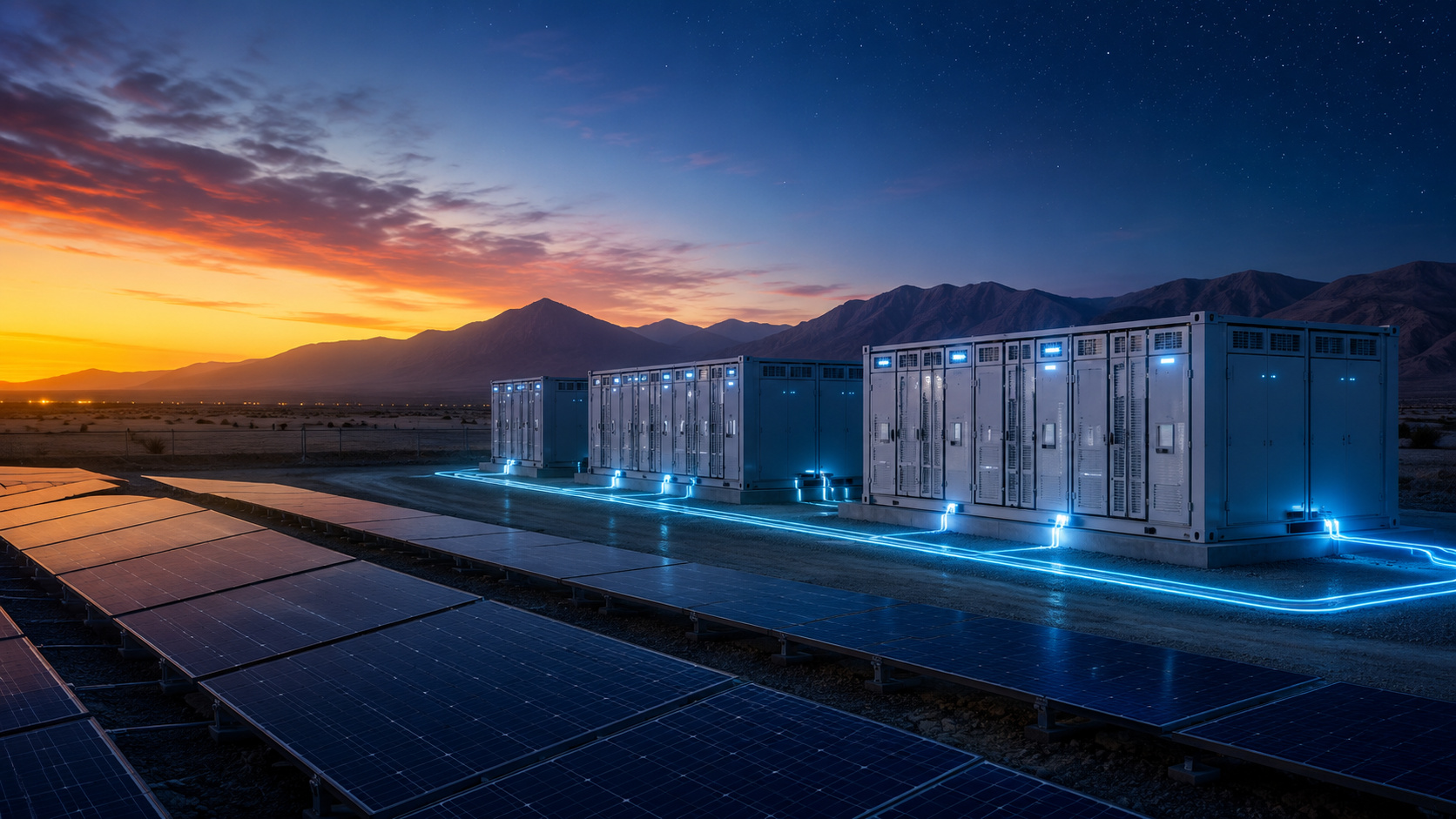
Giant Batteries Take Center Stage in Chile Auction as Company Offers 960 GWh of Solar Energy for Nighttime Use, Aiming to Stabilize Solar Power Supply
-
After a Year of Success in Switzerland, Solar Railway Attracts Italy’s Interest for Clean Energy Transformation
-
Robots Clean Solar Panels in Desert Power Plants Without Water, Preventing Energy Losses



- A scenario based on the current policies of countries;
- Another that includes necessary measures to achieve carbon neutrality by 2050;
- And an intermediate scenario that considers the actions already announced by governments.
In this last scenario, the agency estimates that the United States will have, by 2035, a capacity 35% lower in renewable energies compared to the forecasts of the previous report published in 2024. Still, the global trend remains positive. “However, globally, renewables continue their rapid expansion,” states the document.
China Continues to Dominate the Renewable Energy Market
Another highlight of the report is the role of China in the advancement of clean energies. The Asian country continues to be the main market and manufacturer in the sector, accounting for between 45% and 60% of the development of renewable energies in the next ten years, regardless of the scenario considered by the IEA.
This prominence reinforces China’s position as the epicenter of the production chain of solar panels, wind turbines, and storage batteries—essential elements to sustain the planet’s sustainable growth.
Coal in Decline and Gas in Recovery
While the growth of renewable energies accelerates, the IEA report points to a gradual decline in the use of coal. In the medium scenario, this source peaks in demand within this decade, marking an important step towards global decarbonization.
The demand for oil, in turn, tends to stabilize by 2030, indicating a slower but consistent transition. Conversely, natural gas may take a different path: IEA projections suggest that its demand will continue to grow during the 2030s, influenced by the new energy policy of the United States and more affordable prices in the international market.
Current Policies Still Support Part of Fossil Sources
In the most conservative scenario—one that considers only current policies—the IEA notes that the demand for coal will start to decline before 2030. However, fossil sources are still not expected to disappear from the global energy map. Both oil and natural gas continue to have growth projections until 2050, which reinforces the need to accelerate investments in renewable energies to balance the global energy matrix.
The IEA emphasizes that photovoltaic solar energy has become the main driving force of renewable energies. Considered one of the most accessible and effective solutions to save and decarbonize the planet, this technology is responsible for the majority of new electricity generation installations worldwide.
With increasingly lower costs, growing efficiency, and support from public policies, solar energy is consolidating itself as the strategic vector of the energy transition, especially in emerging economies and in countries seeking to reduce their dependence on fossil fuels.


