





 Portuguese
  English
  Spanish
  5 min of reading
  0 comments


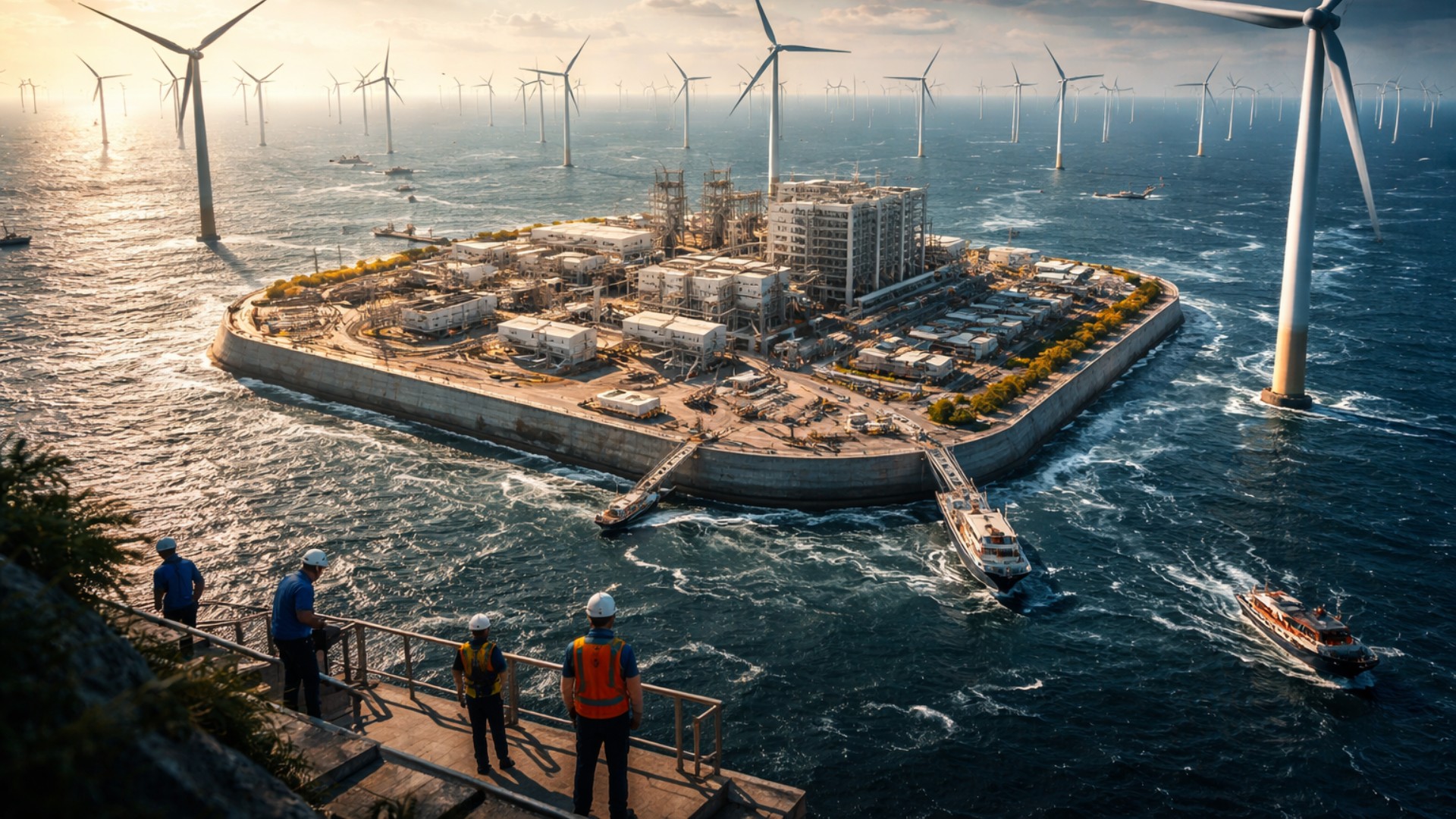
Global tension escalation reignites interest in mega energy projects in the North Sea as Europe seeks to reduce vulnerability to external crises and accelerate integration of renewable sources on a large scale.
According to a report by Veja magazine, the recent escalation of the war involving Iran has placed energy security structural projects back at the center of the European debate, including the so-called “energy island” led by Denmark in the North Sea.
Amid a new shock in global markets, the plan is gaining political momentum as an alternative to reduce the continent’s exposure to fossil fuels and vulnerable strategic routes.
The conflict, which began at the end of February 2026, has already caused significant disruptions in global oil and gas supply, including direct impacts in the Strait of Hormuz, through which a significant portion of the world’s energy passes.
-
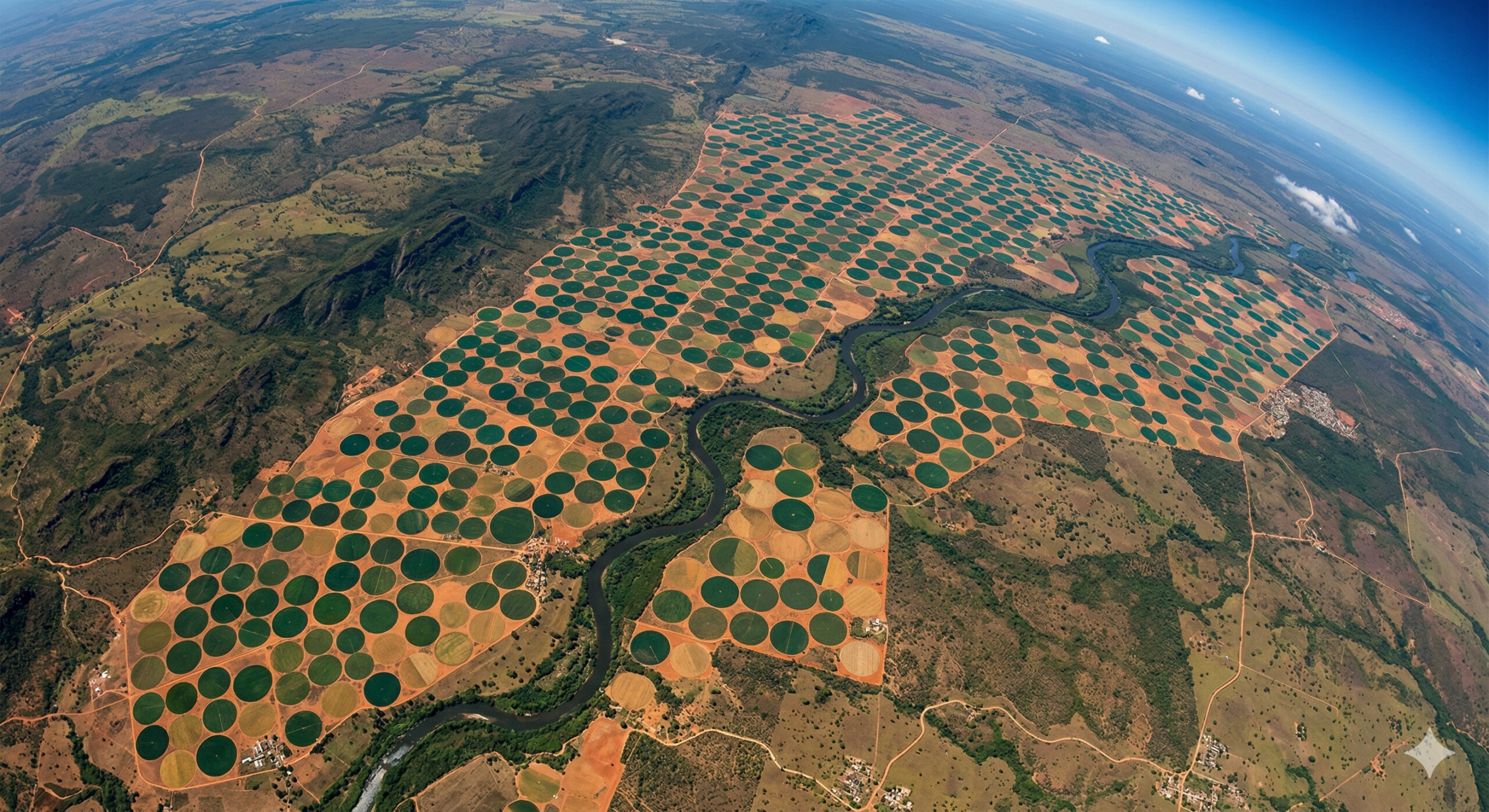
In the interior of Bahia, gigantic “perfect” circles drawn on the land appear from space as targets kilometers in diameter, revealing irrigation systems so precise that they transform crops into geometric patterns visible from orbit.
-
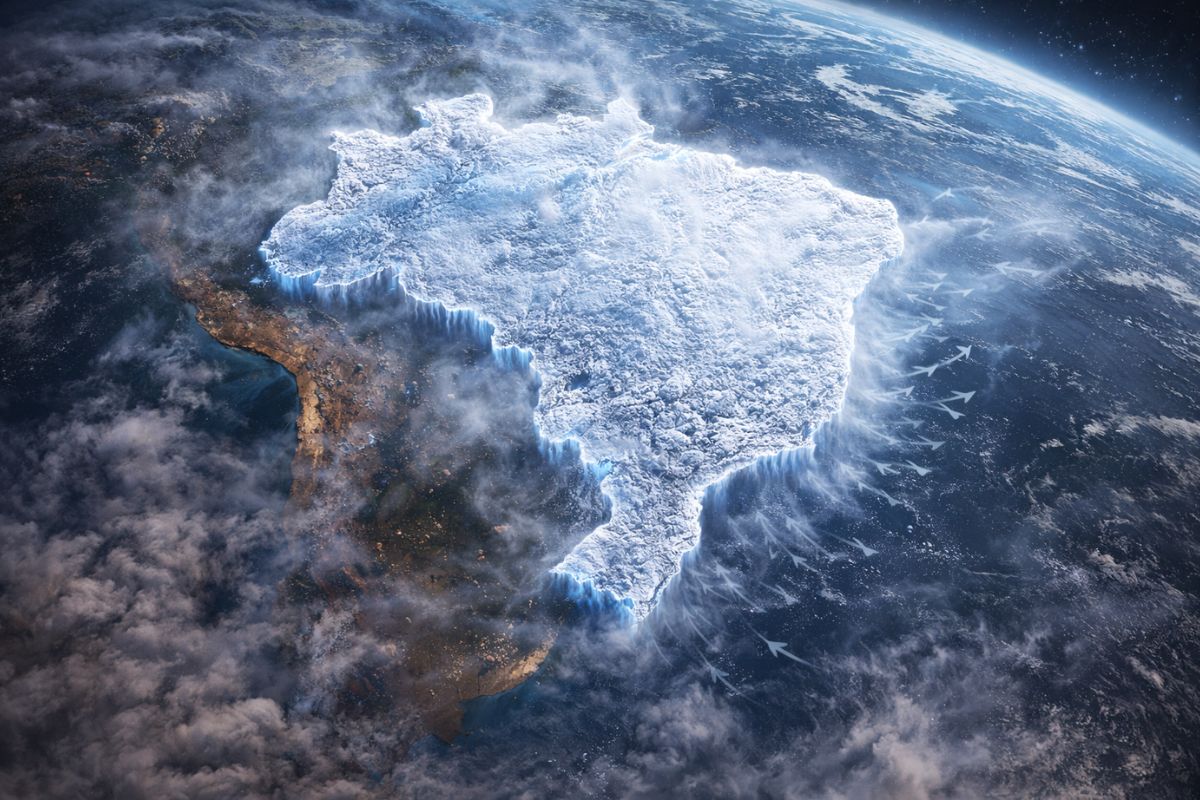
The heatwave in Brazil that hit in March is set to end as a cold front arrives between Good Friday and Easter Sunday, causing a temperature drop of up to 6 degrees and rain in the Central-South region, according to the Easter weather forecast.
-
The U.S. Army has introduced its first new lethal grenade since the Vietnam War: the M111 kills using pressure shock waves that bounce off walls and can explode the enemy’s lungs without producing a single shard.

-
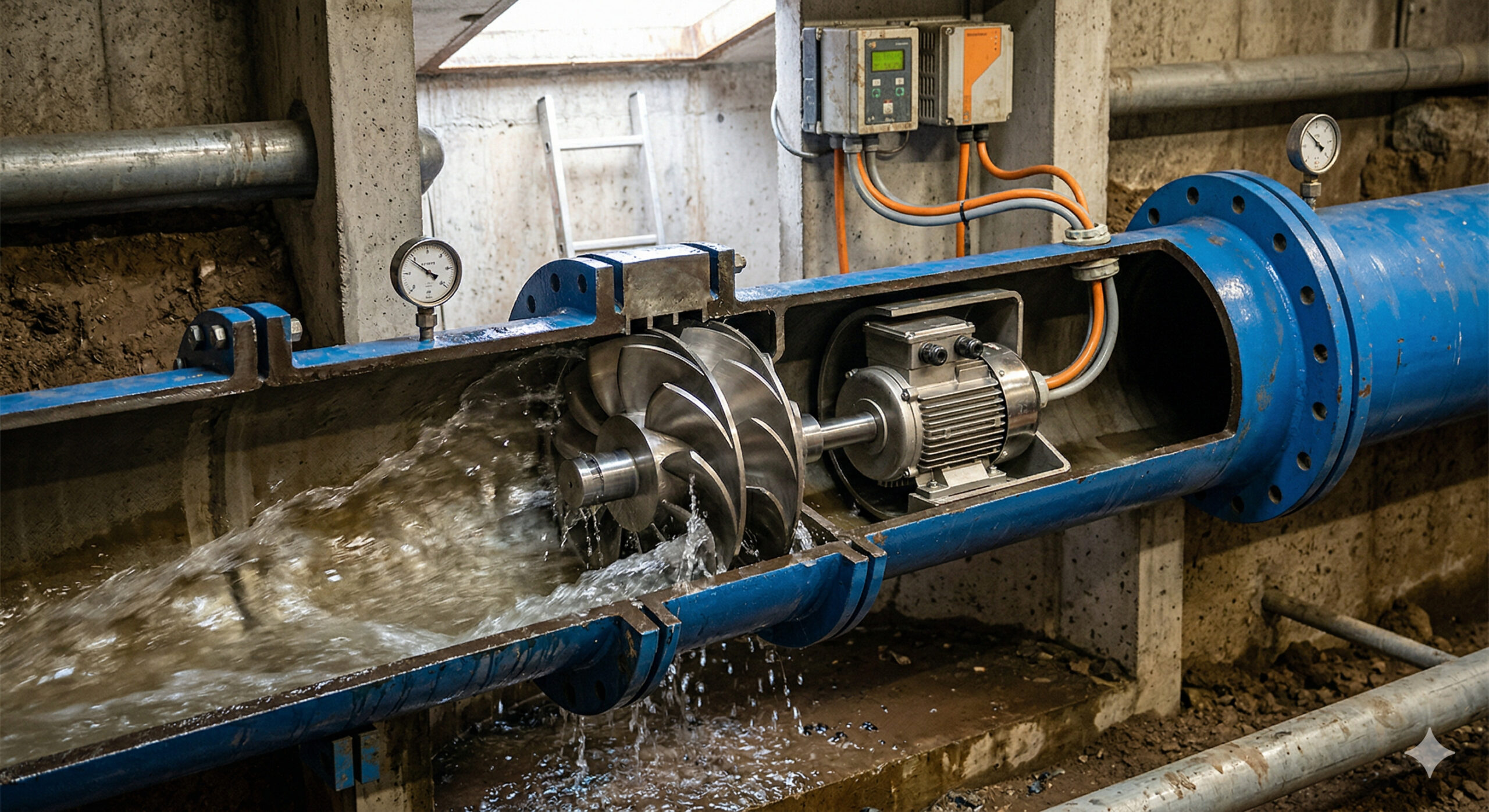
Engineers are replacing pressure valves with hydraulic microturbines within drinking water networks and are generating up to 1,100 MWh per year with in-pipe hydropower technology that harnesses energy previously wasted in urban pipelines.

The partial interruption of these routes has raised prices, increased volatility, and reignited concerns about external dependence, even in regions that do not directly import Iranian oil.
Additionally, recent analyses indicate that the war has exposed structural weaknesses in the global energy system, still heavily reliant on fossil fuels, which reinforces the pressure for renewable alternatives and greater regional autonomy.
Energy island project returns to European debate
It is in this context that the Danish proposal is being treated as a strategic piece within European energy policy.
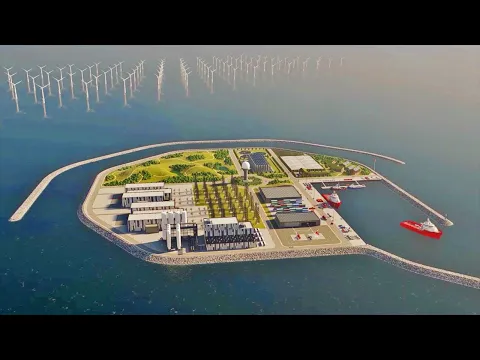
The project envisions the construction of an artificial island capable of concentrating, converting, and redistributing offshore wind energy to different countries, functioning as a large-scale transmission hub.
The initiative is not new, but it gains renewed relevance in light of the increasing perception of risk in the international scenario.

European authorities have argued that crises like the current one reinforce the need to accelerate investments in clean energy infrastructure and more integrated systems capable of cushioning external shocks.
Unlike conventional wind farms, which connect turbines directly to a single country, the island would function as a central distribution point at sea.
The electricity generated around it would be collected and redistributed according to regional demand, creating a more flexible and interconnected system.
Capacity of 10 GW and supplying millions of homes
The plan envisions an initial lower capacity, with gradual expansion until reaching around 10 gigawatts.
At this expanded stage, the volume of energy could supply around 10 million residences, placing the project among the largest energy ventures ever conceived in Europe.
This scale is only feasible thanks to the use of HVDC technology, which allows for the transmission of large amounts of electricity over long distances with lower losses.
The solution also facilitates integration between different national grids, a crucial point in a continent historically fragmented into its own electrical systems.
By centralizing distribution in an offshore hub, the model seeks to reduce operational costs, increase efficiency, and allow for modular expansion, with new parks being connected to the system over time.
North Sea gains weight in energy geopolitics
The revival of the project is also linked to the growing strategic importance of the North Sea.
The region has ideal conditions for wind generation, with constant winds and high capacity factors, in addition to already concentrating investments from countries like the United Kingdom, Germany, the Netherlands, and Norway.
With the war in the Middle East pressuring markets and supply chains, the advancement of this energy frontier gains geopolitical dimensions.
Europe is trying, at the same time, to accelerate the transition to renewable sources and reduce vulnerabilities associated with conflicts in oil and gas producing regions.
In this scenario, Denmark seeks to occupy a central position by transforming the island into a connection point between production and consumption, increasing its relevance in the continental energy flow.
Electric integration between European countries
The project is already born with a multinational vocation, envisioning direct connections with countries like Germany, the Netherlands, and Belgium.
The structure would allow for bidirectional energy flows, with export of surpluses and import according to demand, in a logic similar to a real-time electricity market.
Experts point out that this type of integration can increase the resilience of the European system, reducing scarcity risks and improving the utilization of intermittent renewable sources, such as offshore wind.
At the same time, the initiative requires regulatory coordination among different countries, as well as agreements on tariffs, investments, and operation of the shared network.
Green hydrogen and industrial impact in Europe

Another relevant axis of the project is the possibility of producing green hydrogen from surplus wind energy.
This fuel is considered strategic for decarbonizing industrial sectors that are difficult to electrify, such as steelmaking, maritime transport, and aviation.
The construction of the island and the associated infrastructure is also expected to boost industrial chains linked to the energy transition, including naval engineering, submarine cable manufacturing, metallurgy, and port logistics.
This movement is often described as part of a green reindustrialization process in Europe, with a direct impact on jobs and technological innovation.
Costs, delays, and challenges of the project
Despite the new political momentum, the project faces significant obstacles.
The estimated cost exceeds 30 billion dollars, and recent revisions indicated difficulties in making the financial model viable without significant state support.
The Danish government even postponed the schedule for the North Sea island, citing rising costs and the need to reassess partnerships and financing.
Still, the initiative has not been abandoned and continues to be treated as part of a long-term strategy.
There are also environmental concerns, especially regarding impacts on marine ecosystems and migratory bird routes, although studies indicate possible local positive effects, such as the formation of artificial reefs at the bases of the turbines.
Energy transition and global paradigm shift
The combination of geopolitical crisis and energy transition helps explain why projects like the Danish island are returning to the center of discussions.
The war in Iran has highlighted how external events can affect prices, supply chains, and economic stability on a global scale.
At the same time, initiatives of this kind indicate an attempt to reorganize the energy system around interconnected, decentralized networks based on renewable sources.
In this new scenario, the competition for energy tends to shift from controlling fossil resources to the capacity to generate, integrate, and distribute clean electricity on a large scale.





Seja o primeiro a reagir!