





 Portuguese
  English
  Spanish
  4 min of reading
  0 comments


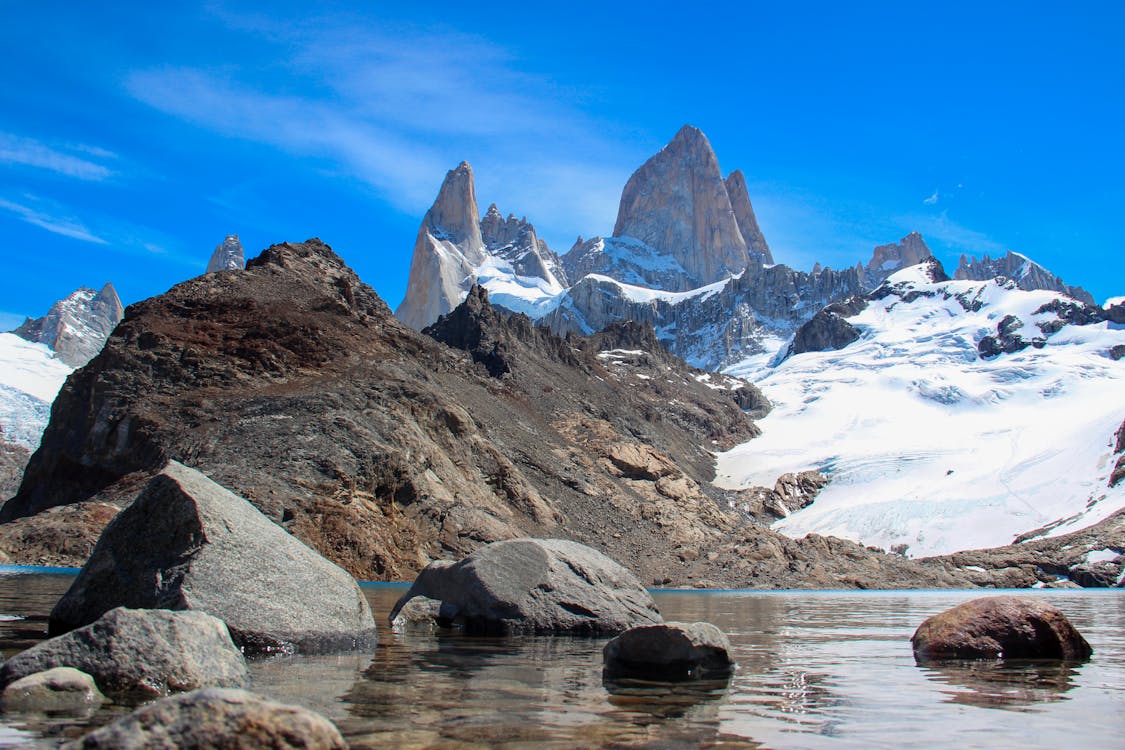
Water Crisis In The Andes Could Affect Up To 90 Million People. Scientists Warn Of Increased Risk With The Melting Of Glaciers
The accelerated melting of glaciers in the Andes could directly affect the water supply of 90 million people in South America. The warning was given by scientists during the first World Glacier Day, held in Paris on March 21, 2025. The event was organized by UNESCO.
Researchers from the University of Sheffield presented concerning data. The glaciers in the Andes are melting at an accelerated rate, with an average loss of 0.7 meters per year. This represents a speed 35% higher than the global average. If nothing is done, some areas could lose all ice cover by 2100.
Six Countries Affected By The Melting Of The Glaciers In The Andes
The glaciers in the Andes are located high in the Andes mountain range. They extend across six countries: Argentina, Chile, Bolivia, Peru, Ecuador, and Colombia. This region serves as a massive natural water reservoir, supplying families, hydropower plants, crops, industries, and livestock.
-
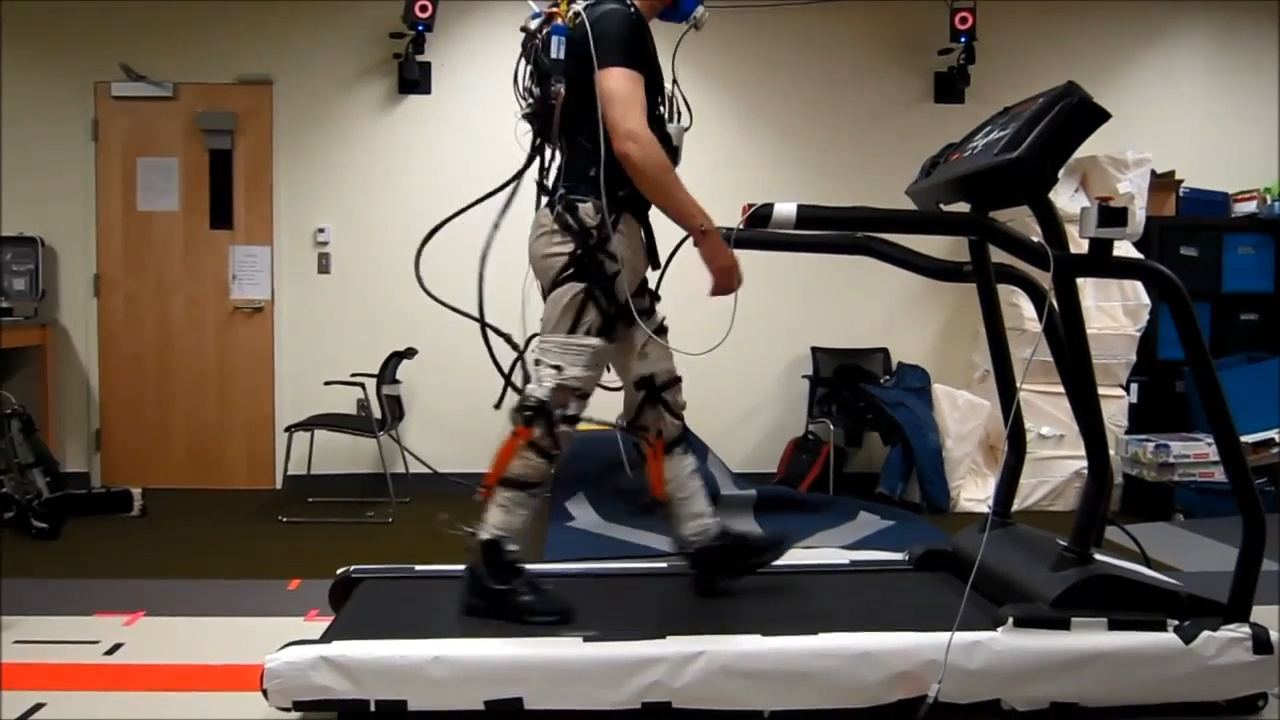
Harvard scientists have created a tissue exoskeleton that does not look like an exoskeleton, with no rigid parts and reduced weight, using flexible cables and miniaturized motors to assist the ankle and hip, reducing the effort of walking by up to 23% in controlled tests.
-
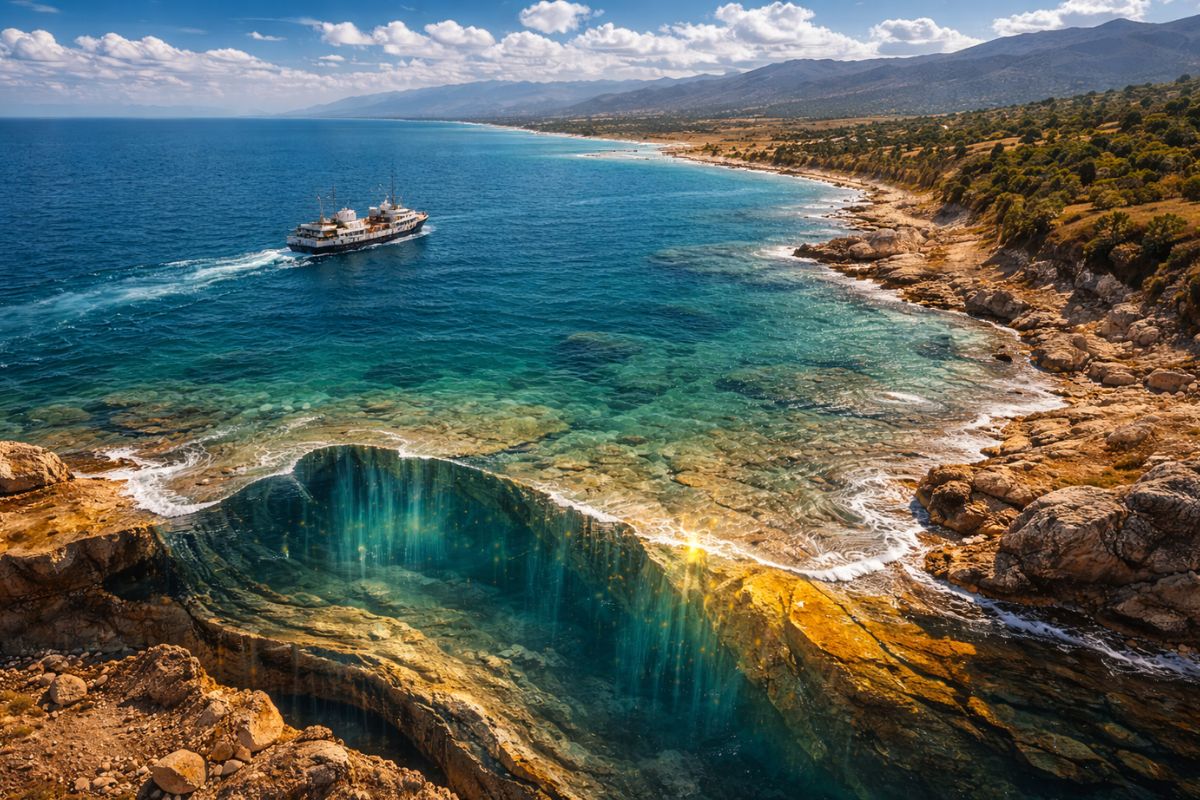
The Caspian Sea intrigues scientists as it is neither officially a sea nor a lake: the largest lake on the planet holds a hybrid crust, submerged cities, mud volcanoes, and billions of barrels of oil hidden at the bottom.
-
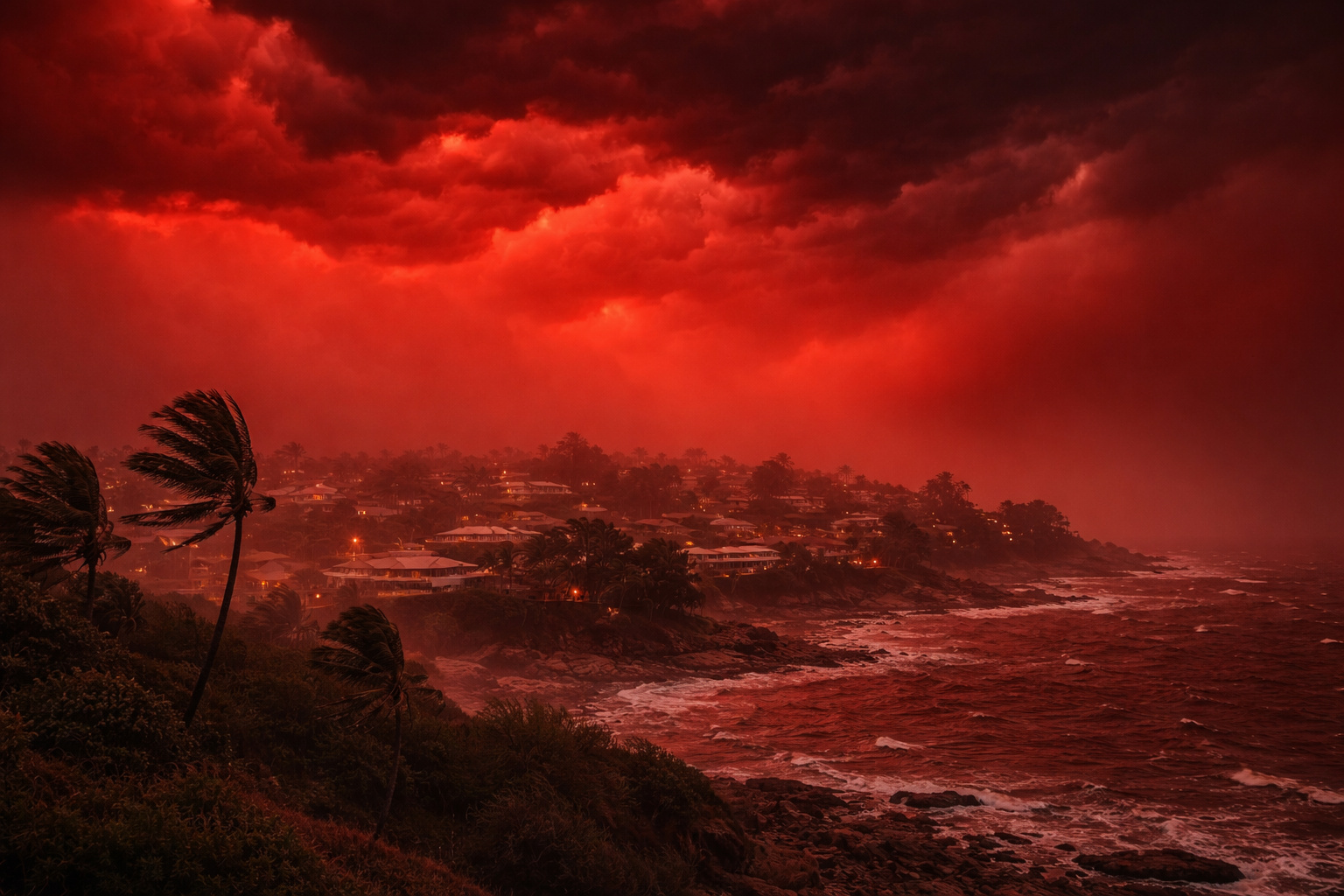
Why did the sky turn blood red in the west of Australia and it wasn’t sunset? Discover what is behind the change that took over the horizon for miles.
-
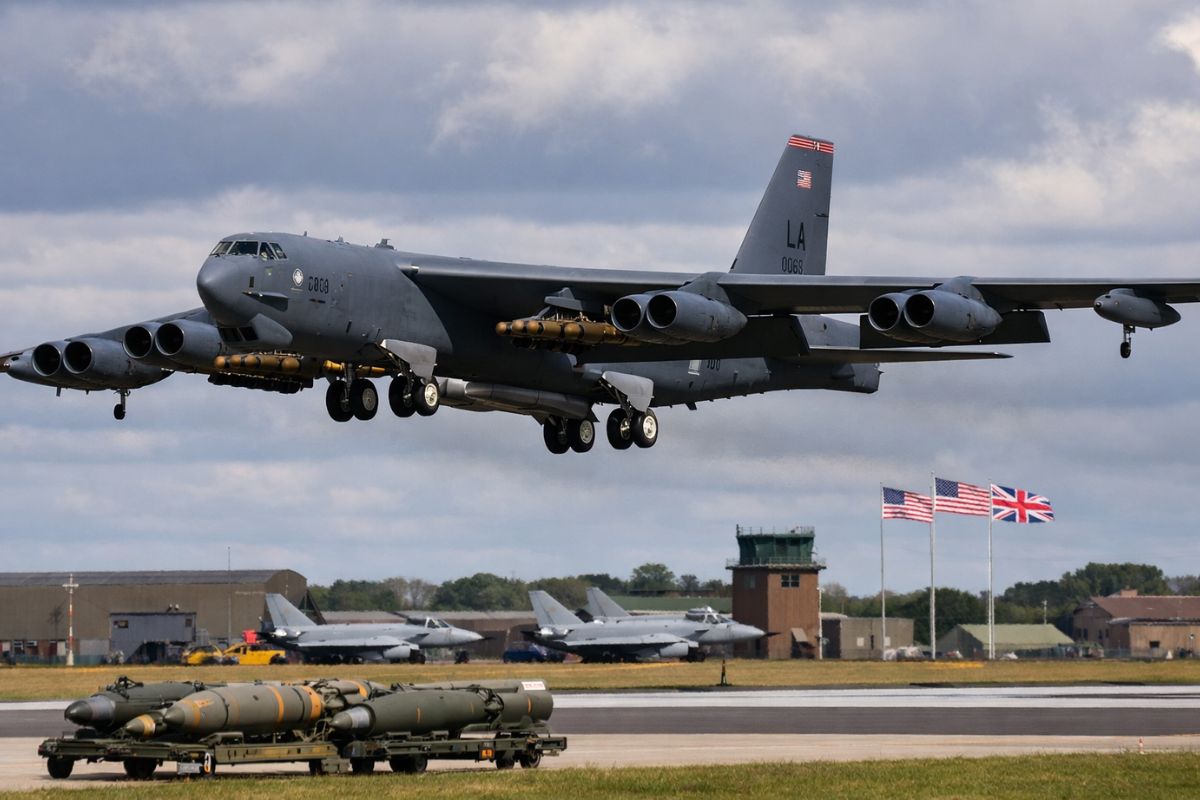
The most feared warplane of the United States is over 70 years old, carries 32 tons of explosives, flies 14,000 kilometers nonstop, and has just been sent to the United Kingdom amid escalating tensions with Iran.

The accelerated melting of the Andes glaciers is considered serious by scientists. During the event, a report titled The Future of the Andean Water Towers was presented. The document is the result of a partnership between the Universities of Sheffield and Newcastle.
The text shows that the reduction in ice is already impacting the amount of water available. The trend is worsening. The lack of water could create food and water insecurity in various communities in the region.
Climate Change Is The Main Cause
According to Dr. Jeremy Ely from the School of Geography and Planning at the University of Sheffield, the problem is a direct result of climate change. He recalls that the first IPCC report on the subject was published in 1990, but little has been done since then.
“Our summary shows that what scientists have been predicting for years is becoming reality, and urgent actions need to be taken if we have any hope of saving and preserving the glaciers that so many people depend on as their water source,” said Jeremy Ely.
The glaciers in the Andes are melting faster because air temperatures are rising. There are also more extreme events, such as prolonged droughts, less snowfall, and increased climate instability in the region. All of this directly affects the existence of the glaciers.
Faster Melting Since 2000
The report presented demonstrates that ice loss has accelerated in recent decades. Since the year 2000, the rate of glacier melting in the Andes is unprecedented. This is happening at the same time as greenhouse gas emissions are rising worldwide.
The Paris Agreement, signed in 2015, aimed to limit the increase in global temperature to a maximum of 1.5°C. The goal was to avoid severe impacts such as water scarcity, reduced agricultural production, economic losses, and rising sea levels.
However, this limit has already been exceeded in several months of 2024. Current projections show that if global warming reaches 2°C or higher, the tropical Andes could be nearly ice-free by the end of the century.
Melting Of The Andes Glaciers: Investments Will Be Inevitable
The summary highlights that going beyond emission reductions will be necessary. Water resource management will play a central role in the coming years. As the glaciers in the Andes disappear, the water supply decreases. Large reservoirs, such as dams, will need to be built.
These projects require high investments. Countries with fewer resources may struggle to cover the costs. According to researchers, this will increase inequality between nations. Those most vulnerable to climate change will suffer more and have fewer means to react.
“This ice loss in the Andes needs urgent attention,” reinforced Dr. Ely. “Because it will increase stress on the freshwater resources that communities and major cities downstream from the glaciers depend on.”
Heat Could Reach 4.5°C In The Region
The projections are alarming. The report indicates that by the end of the century, the average temperature in the Andes could rise by up to 4.5°C. If this happens, climate-related risks multiply. The food and water security of millions of people will be threatened.
For Ely, the situation demands a global response. “All the targets that were set have already been missed and failed, but the only way to preserve the glaciers is to drastically reduce carbon emissions once and for all. The situation is serious, and global cooperation will be necessary to address climate change and make a significant difference for the communities around the world that are most vulnerable to the effects of climate change.”
The scientist concluded that the fight against climate change needs to be taken seriously. According to him, only through international efforts will it be possible to make a real difference for the communities on the front lines of this crisis.
With information from SciTechDaily.






-

Uma pessoa reagiu a isso.