





 Portuguese
  English
  Spanish
  2 min of reading
  0 comments


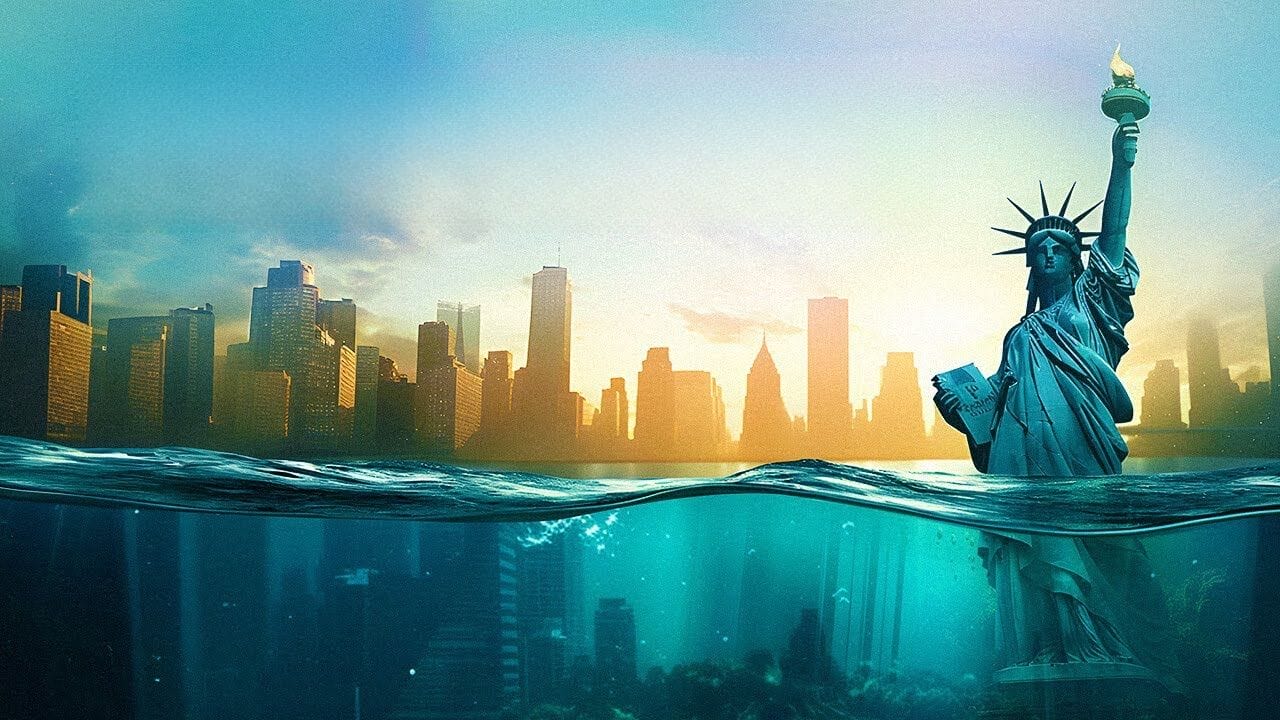
New York Faces A Growing Risk Due To Climate Change. Frequent Flooding Highlights The Urgent Need For Reinforced Infrastructure. In Response, An Ambitious $1 Billion Plan Emerges To Protect Manhattan, Including The Construction Of An Immense Flood Wall And The Elevation Of Wagner Park.
New York, a densely populated and structured island, is racing against time to protect itself from the devastating effects of climate change. With an estimated population of over 25 million, the city experiences frequent flooding in subway stations and streets, highlighting the fragility of its infrastructure in the face of imminent climate challenges.
Particularly vulnerable is the southern tip of Manhattan, including Battery Park City, a thriving 92-acre community developed from reclaimed land in the 1960s. However, the future of the area is uncertain, especially after the catastrophic damage caused by Hurricane Sandy in 2012. The impact of this hurricane was a wake-up call, causing around $19 billion in damages to the city and leaving Manhattan, including parts of Battery Park City, in darkness and water.
Investment In The City Of New York
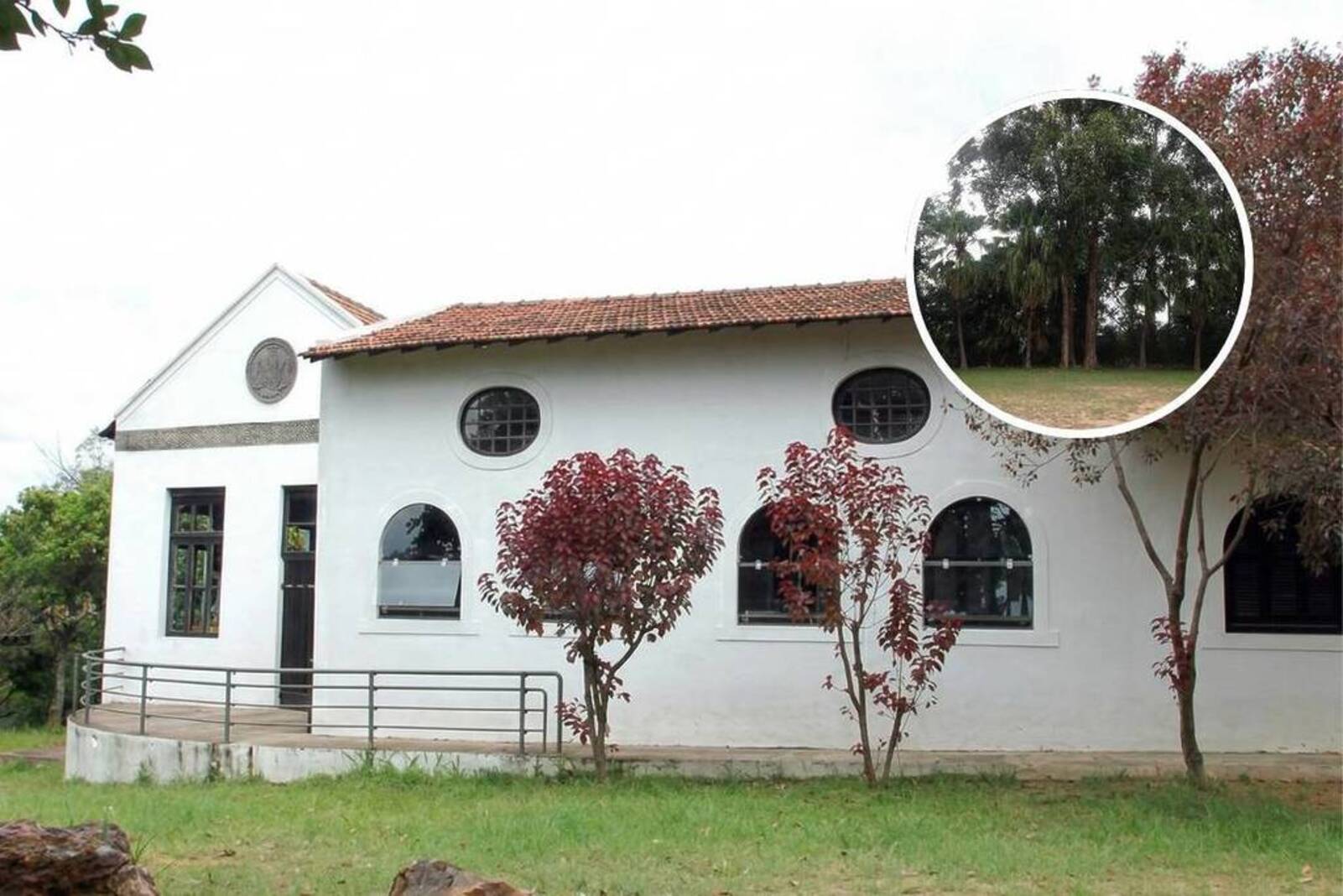
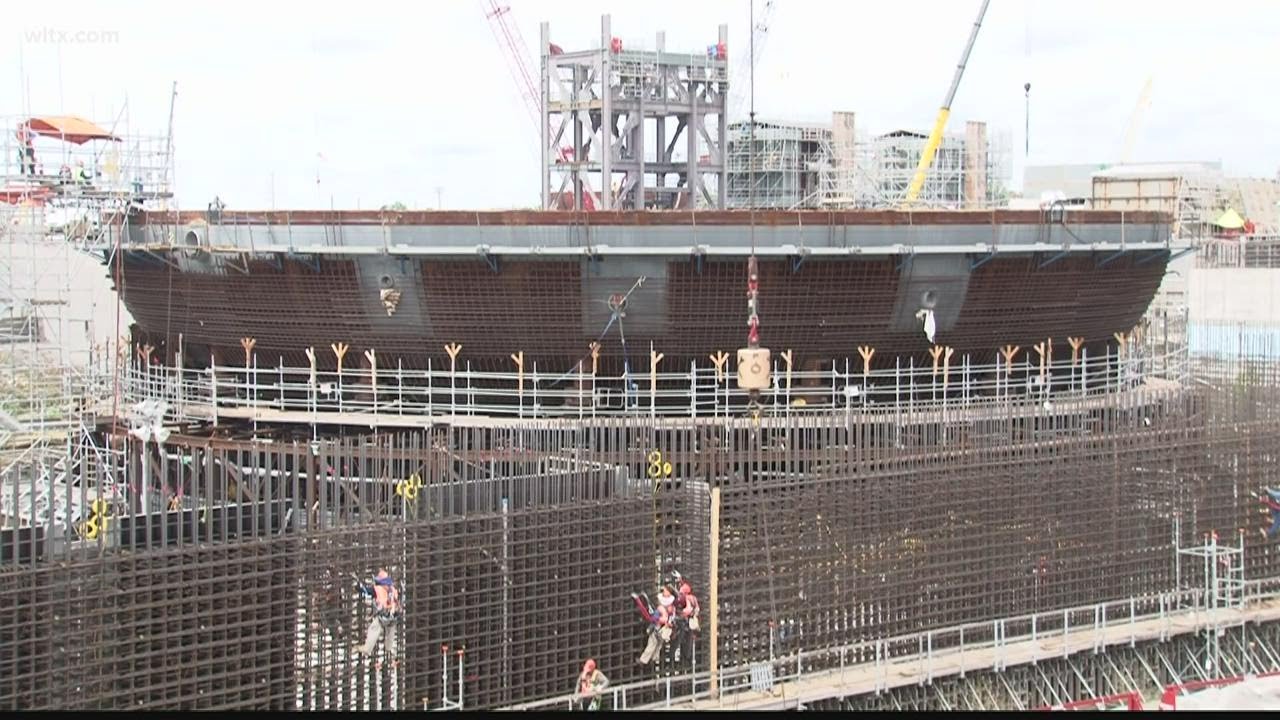
In light of this reality, New York authorities are presenting a bold $1 billion plan to minimize the impact of future flooding and other constructions. The project involves demolishing and elevating Wagner Park, raising it from three to six meters above sea level. The centerpiece of the plan is the construction of a vast flood wall, part of which will be buried under the park, while other sections will be exposed or covered with glass.
-
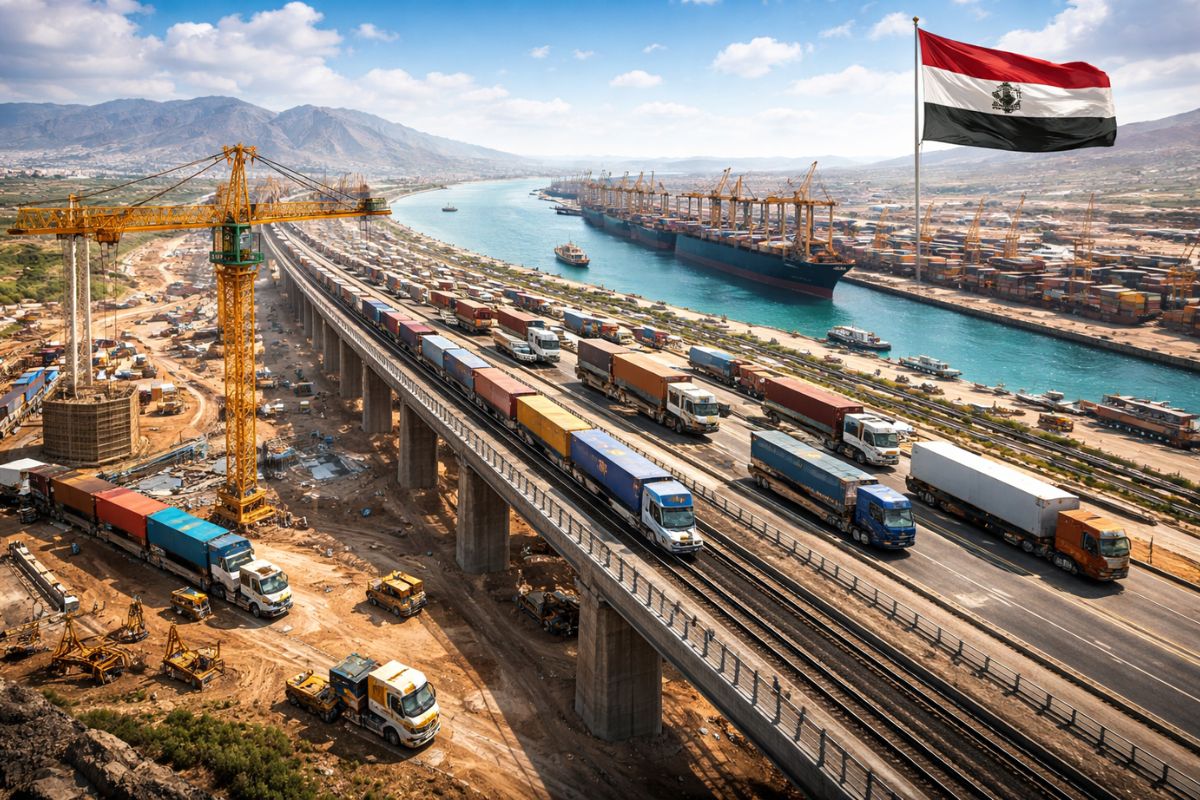
A megaproject worth R$ 89 billion is advancing in Iraq and promises to change the game in global trade by creating a new corridor between Asia and Europe, reducing traditional routes and repositioning the country as a logistics powerhouse.
-
Goodbye bedside table: floating shelves become a trend in 2026 by freeing up space in the bedroom, improving circulation, bringing visual lightness, and integrating technology without taking up floor space.

-
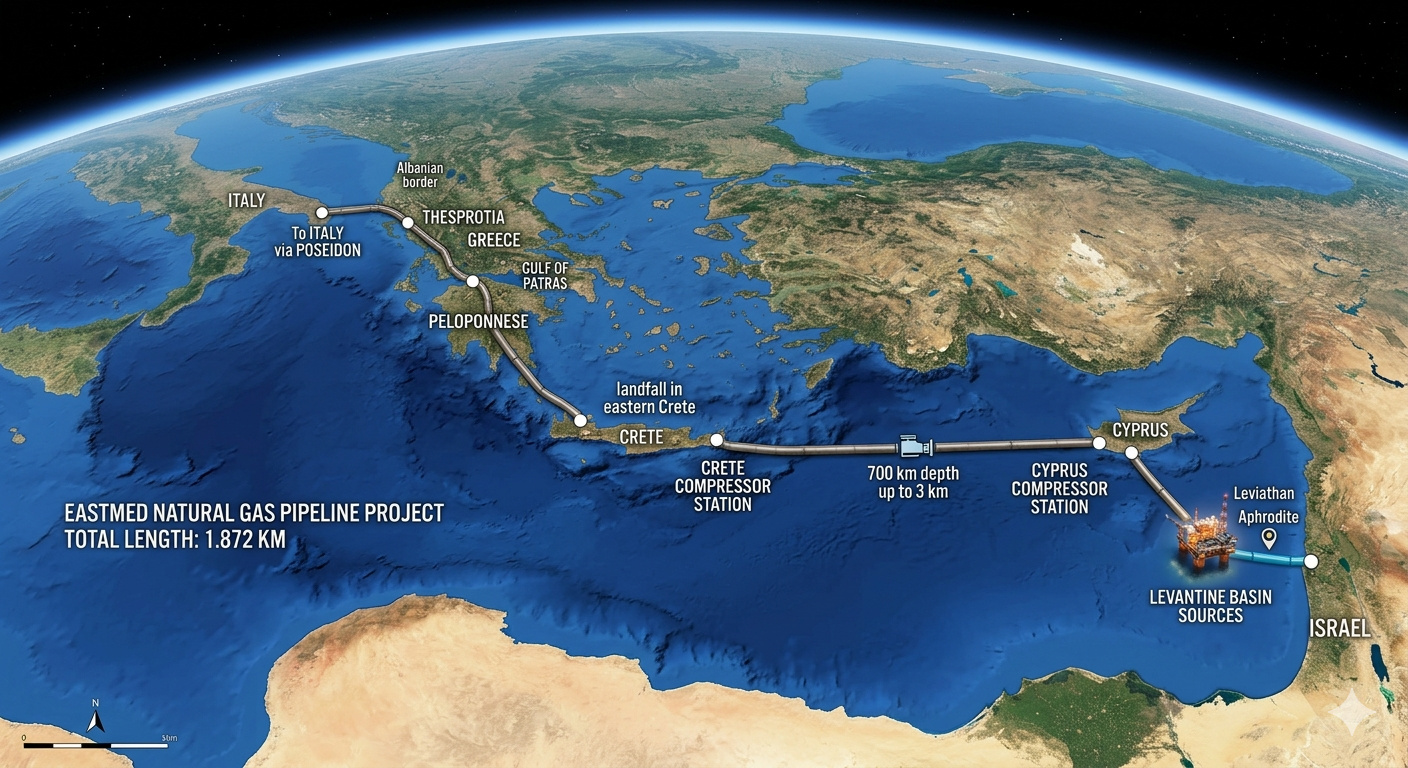
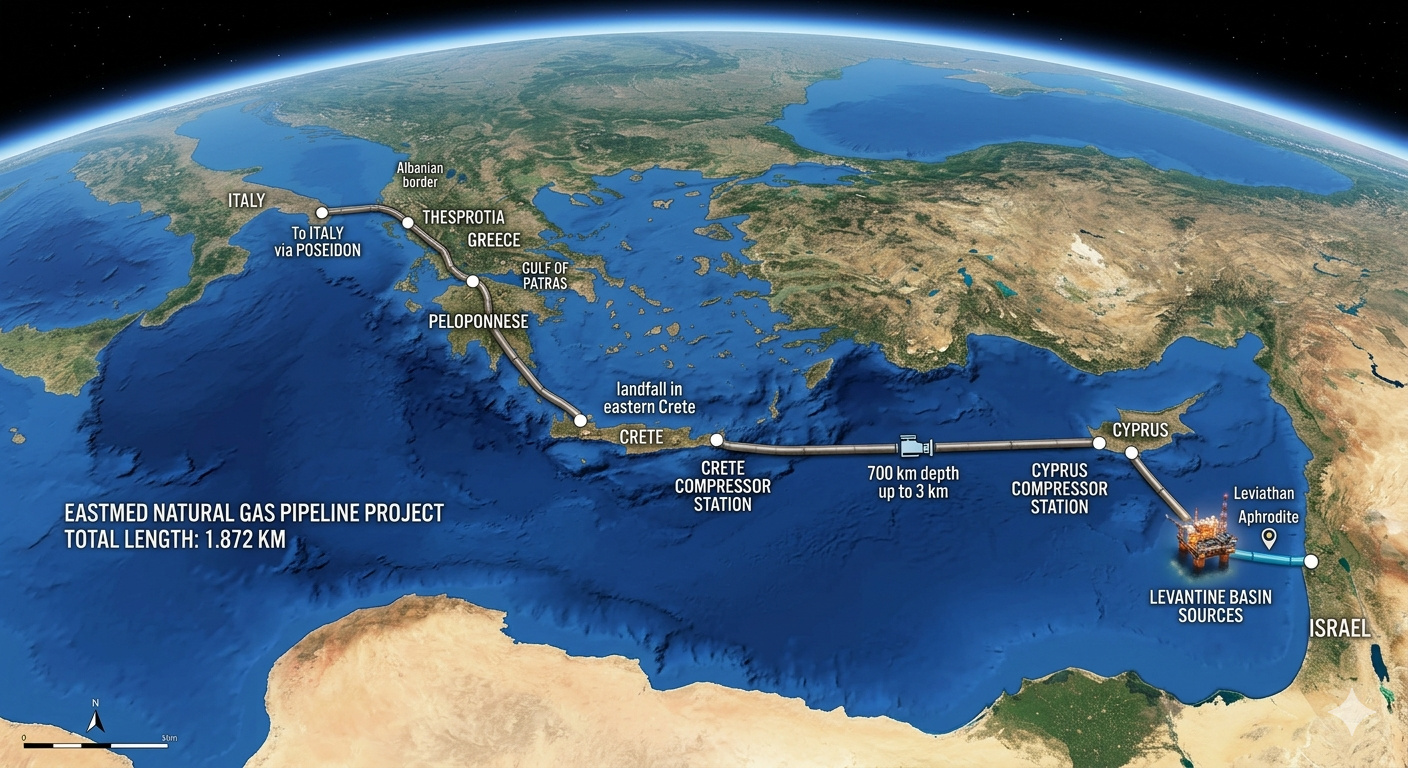
Israel, Greece, and Cyprus signed an agreement in 2020 to transport gas from the Mediterranean to Europe via a 1,872 km pipeline, but Turkey claimed sovereignty over part of the maritime route, and the project never materialized.
-
Israel, Greece, and Cyprus signed an agreement in 2020 to transport gas from the Mediterranean to Europe via a 1,872 km pipeline, but Turkey claimed sovereignty over part of the maritime route, and the project never materialized.

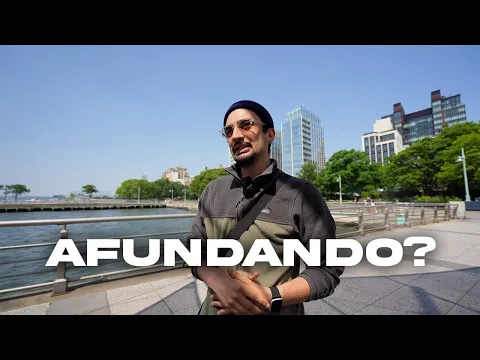

The flood wall will be complemented by an enhanced drainage system, including shut-off valves and a gate. Additionally, the lowest area of Pier A Plaza will be transformed into a landscaped design with seating at two levels, acting as a barrier against encroaching waters. Saltwater-resistant trees and concrete structures will also be added to strengthen the area’s resilience.
Despite Good Intentions, Megaproject Faces Challenges And Resistance
While promising, the plan faces resistance, particularly regarding changes to Wagner Park in New York. Local residents and activists have contested the 10% reduction of green space, proposing alternatives such as a larger flood wall and flood-proofing existing structures. However, authorities argue that elevation is essential to protect against future storms and flooding.
This effort to save Battery Park City is only part of a broader project known as “The Lower Manhattan Coastal Resiliency Project“, which will extend along the East River waterfront. It includes more flood barriers and the reconstruction of East River Park. As sea levels continue to rise and flooding becomes more intense, effective implementation of these plans is crucial to prevent irreparable damage to the city.




Seja o primeiro a reagir!