





 Portuguese
  English
  Spanish
  2 min of reading
  0 comments


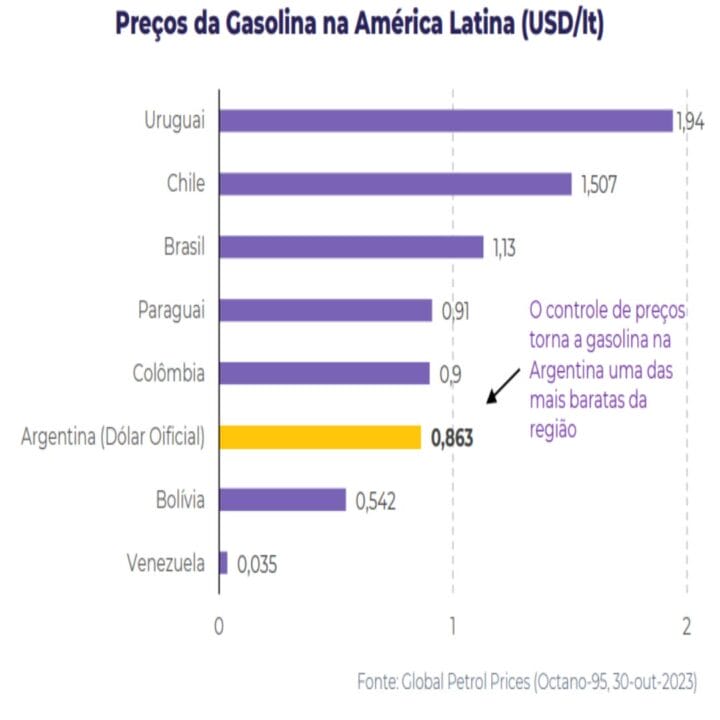
Price Control Threatens Stability in Fuel Supply
With the expiration of the “Fair Prices” program in Argentina, the fuel sector is facing a supply crisis. The implementation of a Selective Tax on gasoline and diesel, proposed for discussion in the Senate, has the potential to worsen the situation, increasing pressure on a price control system that is already fragile.
The Impact of Tax Increase
The Legal Fuel Institute (ICL) highlights concerns about the price control system in Argentina, which may be the prelude to an increase in tax evasion and default in the sector. With the addition of new taxes, the already complex tax burden could encourage illegal practices, exacerbating fuel supply problems in the country.
The Complexity of Exchange Control
Argentina faces a paradox: despite producing excess oil relative to domestic demand, the country lacks sufficient refining capacity, which forces it to import fuels. This process requires dollars, a currency that is increasingly scarce due to Argentina’s strict exchange controls.
-
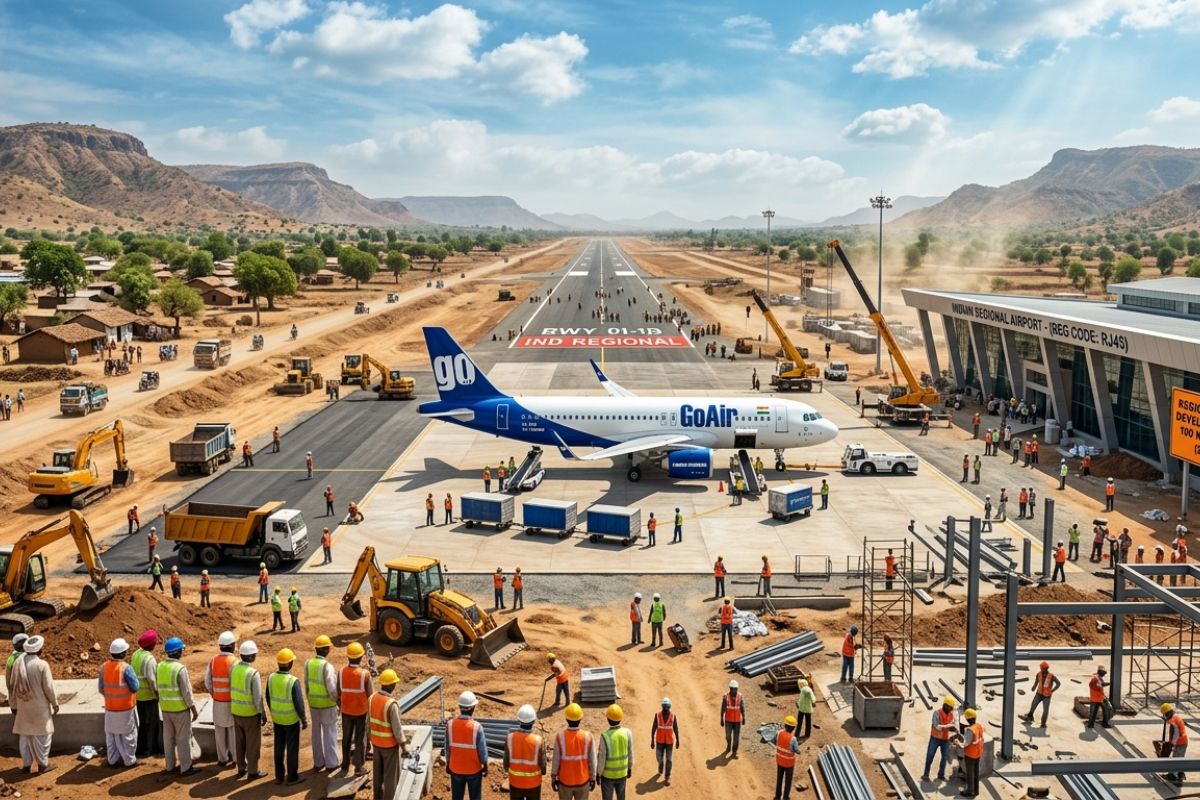
India announces a plan of $3.06 billion to bring aviation to forgotten regions: 100 new airports, $1.07 billion in subsidies, and regional routes guaranteed for 10 years, from 2026 to 2036, away from the centers.
-
Brazil blocked a proposal from the United States at the WTO that would make the exemption from tariffs on digital products like streaming and ebooks permanent, favoring American tech giants at the expense of developing countries.

-
IPTU exemption for seniors in 2026: see how to secure the benefit.

-
The institute that trained the greatest aerospace engineers in Brazil has just opened its first campus outside São Paulo after 75 years: ITA Ceará will have R$ 445 million, new courses in energy and systems, and classes are expected to start in 2027.


Consequences for the Energy Sector
Emerson Kapaz, president of the ICL, advocates for maintaining the monofase system in the ICMS for hydrated ethanol to ensure equal conditions in the retail fuel market. He warns that excluding ethanol from this system facilitates tax evasion and the creation of shell companies that evade tax payments, resulting in billion-dollar losses.
The Need for Appropriate Legislation
For the ICL, the approval of Bill 164/2022 is urgent, which would establish a clear definition for chronic debtors and enable more effective actions against market operators who neglect their tax obligations. Kapaz emphasizes that a well-structured tax reform, combined with appropriate legislation, could be an opportunity to reverse the current unfavorable scenario.
With the energy crisis as a backdrop, the ICL points to the need for structural reforms that could bring more stability to the Argentine fuel market. While changes do not occur, the country remains alert for possible new waves of shortages in the coming months.
This article was developed with SEO practices in mind, aiming for excellent performance in search engines, emphasizing keywords such as fuel crisis, price control, tax evasion, default, and tax reform, which are crucial for the context of the energy industry in Argentina.
Source: Luciana Amaral Minami – conteudonet.









Seja o primeiro a reagir!